
How to maintain pool water quality throughout the Florida summer? It’s essential for keeping your pool safe, clean, and enjoyable during the hot months.
Are you wondering how to maintain pool water quality throughout the Florida summer? With the heat rising, it’s crucial to keep your pool pristine and safe for family fun. In this guide, you’ll discover practical tips and expert advice to ensure your pool water remains crystal clear, balanced, and inviting all summer long. From regular testing to chemical adjustments, we’ll cover everything you need to know to enjoy a worry-free swimming experience. Dive in and learn how easy it can be to maintain your pool this season!

How to Maintain Pool Water Quality Throughout the Florida Summer?
Maintaining pool water quality is essential for a safe and enjoyable swimming experience, especially during the hot Florida summer. Understanding key concepts such as pH levels, chlorine, and alkalinity is crucial for ensuring your pool remains inviting and safe for your family.
Water chemistry can be complex, but it’s important to grasp the basic terminology. pH levels indicate how acidic or alkaline your pool water is, while chlorine helps sanitize and kill harmful bacteria. Regularly monitoring these parameters can make all the difference in keeping your pool pristine.
The Importance of Maintaining Pool Water Quality in Florida’s Heat
During the sweltering summer months in Florida, the quality of your pool water can significantly impact your family’s health and enjoyment. Proper maintenance prevents algae growth, which can turn your beautiful oasis into a green nightmare.
Moreover, well-maintained water quality extends the lifespan of your pool equipment. This means fewer repairs and replacements, ultimately saving you money in the long run. A clean pool also enhances the overall swimming experience, allowing your family to enjoy their time in the water without worry.
Choosing the Right Pool Maintenance Tools and Services
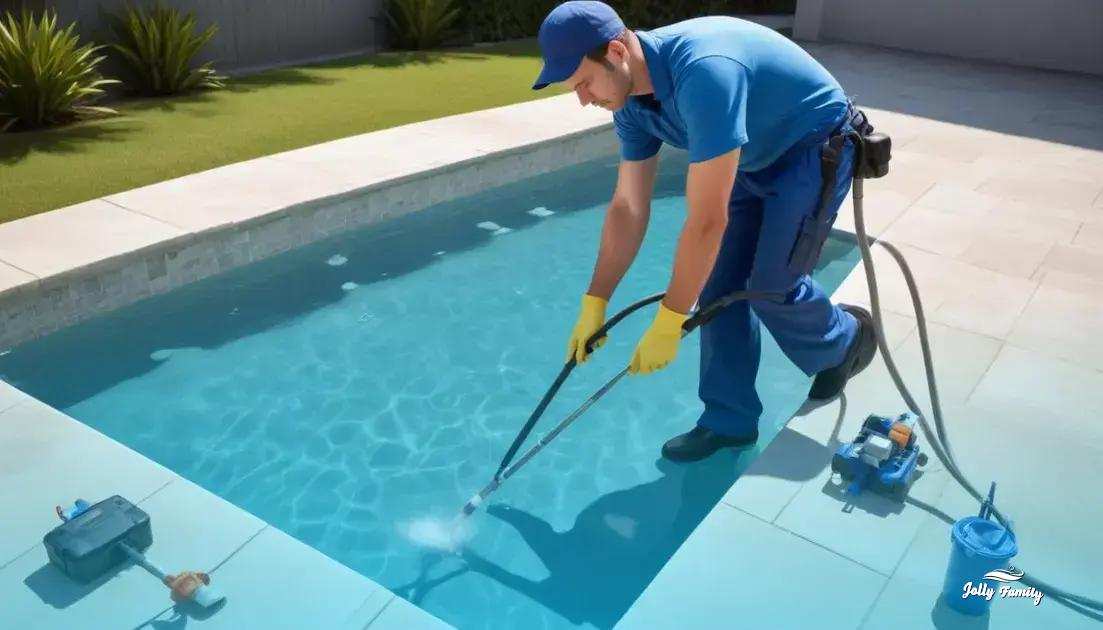
When it comes to maintaining your pool, having the right tools is essential. Start by evaluating what tools are necessary for effective cleaning and water treatment. Consider options like skimmers, brushes, and test kits.
Additionally, if you prefer professional help, look for licensed and insured pool cleaning services like Jolly Family. With over 10 years of experience, they specialize in eco-friendly pool cleaning and maintenance, ensuring your pool remains sparkling clean.
Step-by-Step Guide to Maintaining Pool Water Quality
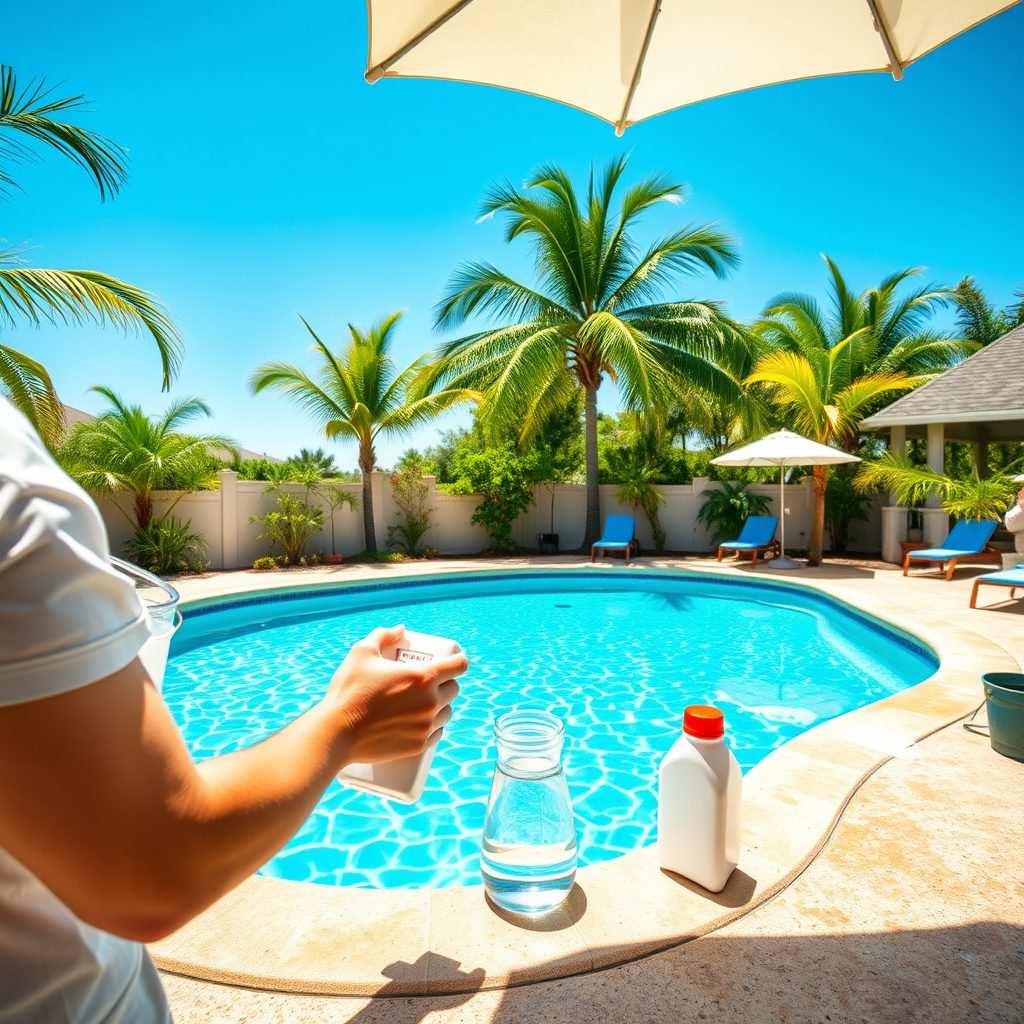
Here’s a simple guide to help you maintain pool water quality effectively. First, test your water at least once a week using a reliable testing kit. Check pH levels, chlorine concentration, and alkalinity.
Next, adjust the chemicals as needed. If the pH is too high, add a pH reducer, and if it’s too low, use a pH increaser. Regularly clean the pool by skimming debris and brushing the walls to prevent algae buildup.
Advanced Techniques for Optimal Pool Water Management
For seasoned pool owners, there are advanced techniques to optimize water quality. Consider investing in automation technology that monitors and adjusts chemical levels automatically.
In addition, seasonal strategies can help you stay ahead of water quality issues. For instance, cover your pool during heavy rains to minimize debris and prevent algae growth. This is especially useful in places like Kissimmee or Orlando.
Common Mistakes to Avoid in Pool Water Maintenance
Many pool owners make mistakes that can compromise water quality. A common pitfall is neglecting regular maintenance. Skipping weekly cleanings may lead to cloudy water or algae infestations.
Another frequent error is misunderstanding chemical balancing. It’s crucial to follow guidelines and avoid over-adding chemicals, which can harm both your pool and swimmers. If you notice signs like itchy skin or dull water, it’s time to reassess your water chemistry.
Addressing Common Pool Issues
If you’ve just opened your pool in Orlando and find the water cloudy and green, start by shocking the pool with chlorine. This will kill algae and clear up the water. Follow up with a thorough cleaning and filtration process.
For those in Miami, if pH levels remain off despite adding chemicals, consider using a more precise testing kit. Sometimes, waiting for a few hours can help the chemicals distribute evenly, so don’t rush the process.
After heavy rains in Tampa, dirt and debris can accumulate. Skim the surface, and use a vacuum to clean the bottom. Regularly checking your water quality after rain is vital to prevent algae growth.
If your pool water feels itchy and looks dull in Jacksonville, it could indicate an imbalance in chlorine levels or pH. Conduct a test and adjust accordingly to ensure a safe swimming environment for your kids.
Thinking about a pool cover in Fort Lauderdale? That’s a great idea! Covers help keep debris out and can significantly reduce maintenance time. Pair this with regular cleaning and chemical checks for optimal results.
For expert assistance, consider Jolly Family‘s services. Their licensed pool cleaners offer affordable pool maintenance options tailored to your needs, ensuring your pool remains a fun and safe refuge throughout the summer.
How Can I Help You
Maintaining pool water quality during the sizzling Florida summer can feel like a daunting task, especially with the heat and humidity that can quickly affect your oasis. At Jolly Family, we understand how important it is to keep your pool sparkling clean and safe for family and friends. With a decade of experience in providing top-notch pool cleaning and maintenance services across Davenport, Haines City, and beyond, we’re here to help you navigate the essentials. Regular water treatment, preventative maintenance for your pool deck and equipment, and thorough filter and pump cleaning are key to ensuring your pool remains a refreshing retreat. We pride ourselves on using eco-friendly products that not only protect your loved ones but also the environment. Trust our highly rated professionals to keep your pool in pristine condition so you can focus on enjoying those sunny days. Remember, a little maintenance goes a long way in making your summer unforgettable!
FAQ
What are the key factors affecting pool water quality during the Florida summer?
During the hot Florida summer, several factors can affect your pool water quality, including high temperatures, sunlight exposure, and increased swimmer activity. Higher temperatures can lead to rapid evaporation, concentrating chemicals and affecting pH levels. Sunlight can degrade chlorine, making it less effective at sanitizing the water. Additionally, more swimmers can introduce contaminants like dirt, sweat, and sunscreen into the pool. To maintain water quality, regularly test and adjust chemical levels, use a stabilizer, and ensure proper filtration and circulation.
How often should I test my pool water in the summer?
In the summer months, it’s advisable to test your pool water at least twice a week. Increased temperatures and swimmer activity can rapidly alter chemical balances. Testing for pH, chlorine, alkalinity, and stabilizer levels will help you maintain optimal water quality. If your pool is heavily used or exposed to debris, consider testing more frequently. Regular testing allows you to make timely adjustments, ensuring a safe swimming environment and preventing costly repairs due to imbalances.
What steps can I take to prevent algae growth in my pool this summer?
Preventing algae growth in your pool during the summer involves maintaining proper chemical balances, ensuring good circulation, and regular cleaning. Keep your chlorine levels between 1-3 ppm and pH between 7.2-7.8. Regularly brush the walls and floor of the pool to eliminate algae spores, and ensure your filter is running adequately. Additionally, consider using algaecides and maintaining a clean pool cover to reduce sunlight exposure when the pool is not in use. These steps will help keep your pool clear and inviting.
What is the best way to balance pool chemicals during the summer heat?
Balancing pool chemicals in the summer heat requires a systematic approach. Start by testing your water for pH, chlorine, alkalinity, and calcium hardness. Adjust pH levels to 7.2-7.8 and maintain chlorine levels between 1-3 ppm. Use a pool stabilizer to protect chlorine from UV degradation. It’s best to add chemicals in the evening to prevent rapid evaporation. Regularly shock the pool, especially after heavy use or rain, to reset chemical levels. Following these steps will ensure a safe and pleasant swimming experience.
How can I keep my pool clean with frequent rain during the summer?
Frequent rain can introduce debris and disrupt chemical balances in your pool. To keep your pool clean, invest in a good pool cover to minimize debris when not in use. After a rain event, remove any debris using a skimmer net and brush the walls to prevent algae growth. Test your water chemistry and adjust chemicals as needed, as rain can dilute chlorine levels. Regularly run your pool filter for longer periods during the rainy season to enhance circulation and keep your water clear.
What are signs that my pool water quality is poor?
Signs of poor pool water quality include cloudy water, unpleasant odors, and visible algae growth. You may also notice skin irritations or eye redness after swimming, which indicates chemical imbalances. If your chlorine levels are consistently low or pH levels are outside the 7.2-7.8 range, it’s a clear sign that adjustment is needed. Regular testing helps identify these issues early. Addressing problems promptly will ensure a safe swimming environment and prolong the life of your pool equipment.
Is it necessary to hire a professional to maintain my pool during the summer?
While many pool owners can manage maintenance themselves, hiring a professional can be beneficial, especially during peak summer months. Professionals have the expertise to identify issues quickly and ensure proper chemical balance, which can be challenging in Florida’s heat. They can also provide regular cleaning and maintenance, saving you time and effort. If you’re unsure about handling chemical adjustments or if your pool is heavily used, investing in professional services can help maintain optimal water quality and prevent costly repairs.