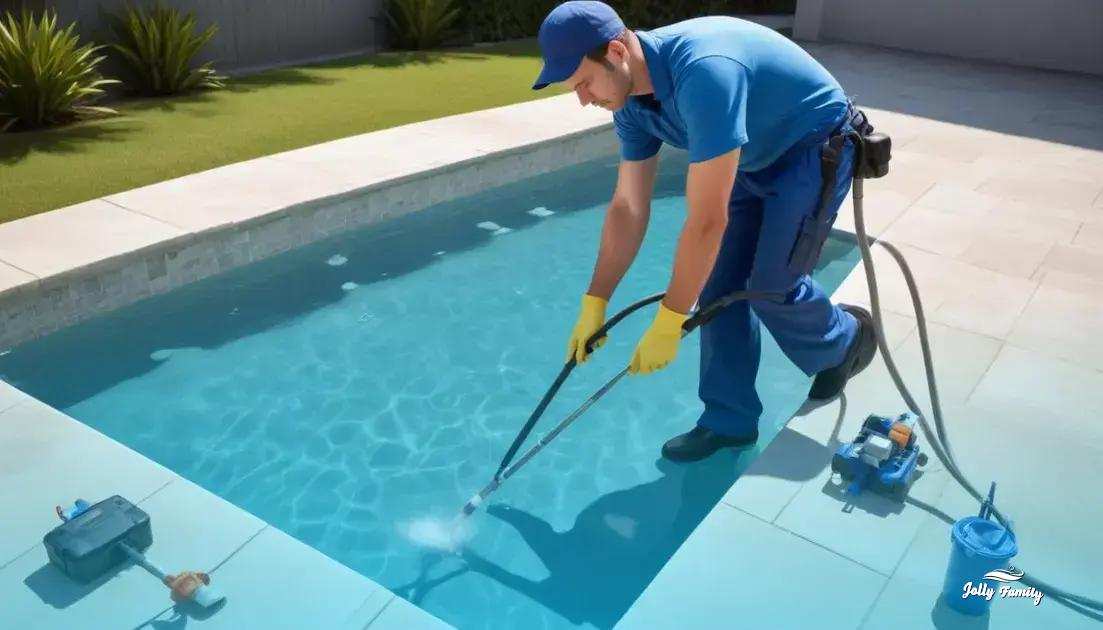

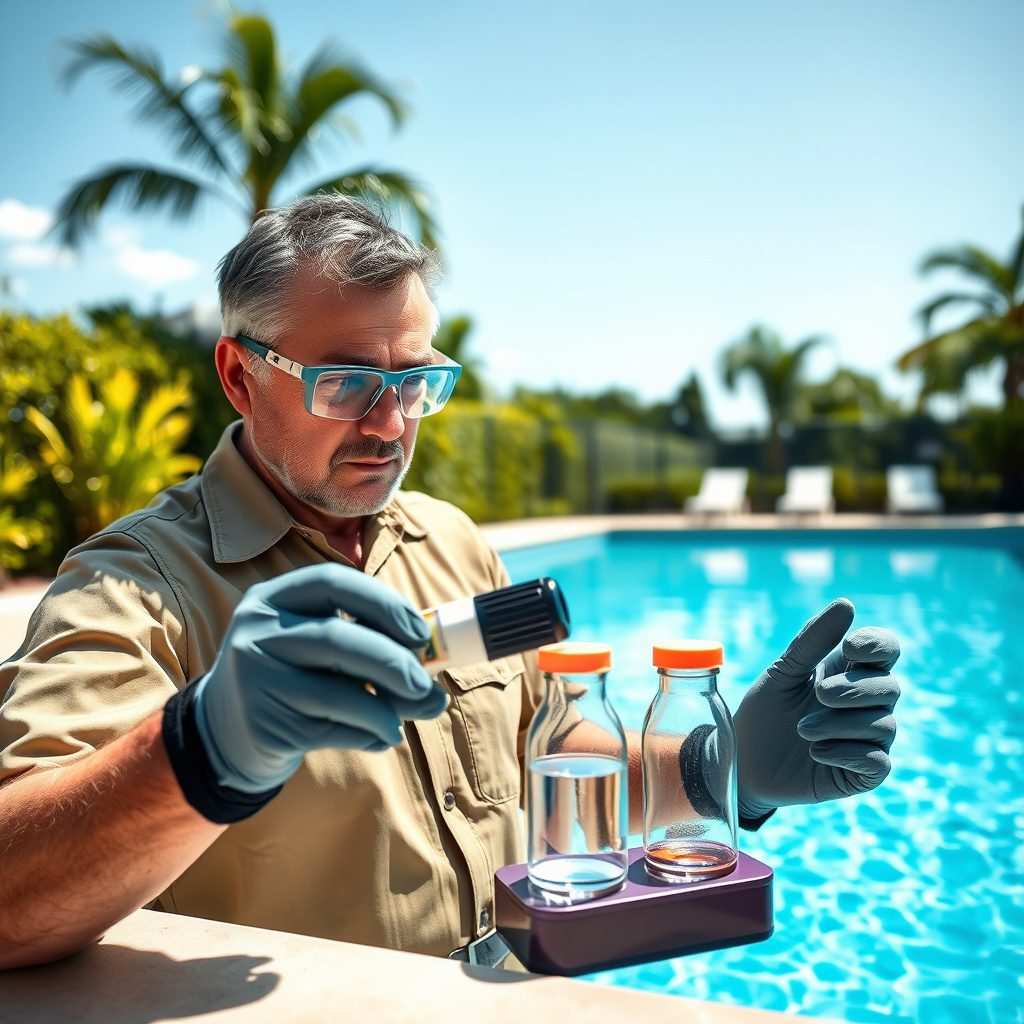
How to properly balance pool chemicals for safety in Davenport? This involves adjusting pH, alkalinity, and chlorine levels to ensure a safe swimming environment.
Are you wondering how to properly balance pool chemicals for safety in Davenport? In this guide, you will discover the essential steps to ensure your pool is safe for family and friends.
Learn how to assess and adjust your pool’s chemical levels effectively. With expert tips and tricks, you’ll be able to maintain a healthy swimming environment that keeps everyone safe.
Don’t miss out on these crucial insights that could enhance your pool experience. Let’s dive in!

How to Properly Balance Pool Chemicals for Safety in Davenport?
Maintaining a safe and inviting swimming pool is essential for families in Davenport. Understanding the basics of pool chemistry is the first step to achieving this goal. Key components such as pH levels, alkalinity, and chlorine play crucial roles in ensuring water quality.
When these elements are balanced correctly, they create a clean and safe swimming environment. For instance, pH levels indicate how acidic or basic your pool water is, while chlorine helps disinfect the water, eliminating harmful bacteria.
Why Proper Chemical Balance is Crucial for Pool Safety
Proper chemical balance is vital not just for the cleanliness of your pool but for the safety of swimmers. Imbalanced chemicals can lead to health issues like skin irritations and respiratory problems.
Additionally, maintaining the right balance can extend the lifespan of your pool equipment. This prevents costly repairs and enhances the overall swimming experience for families enjoying pool parties in Davenport.
Key Factors to Consider When Balancing Pool Chemicals
Several factors impact the effectiveness of pool chemicals. Water temperature, usage frequency, and local environmental conditions all play a role in determining the right chemical balance.
For example, pools that are used frequently during hot summer months may require more regular maintenance compared to those used infrequently. Understanding these factors helps in selecting the right pool cleaning services.
Step-by-Step Guide to Balancing Pool Chemicals
Balancing pool chemicals can be straightforward with a step-by-step approach. Start by testing your pool water using a reliable test kit. This will help you measure pH, chlorine, and alkalinity levels.
Once you have your readings, adjust the chemicals accordingly. For instance, if your pH is too low, add a pH increaser, and if your chlorine levels are low, add chlorine granules. Repeat this process until all levels are within the recommended range.
Advanced Tips and Best Practices for Pool Chemical Management
For those looking to enhance their pool maintenance routine, there are advanced tips worth considering. Regularly inspect your pool filters and pumps to ensure they are functioning optimally.
Using eco-friendly products, like those offered by Jolly Family, can also contribute to a healthier pool environment. These practices not only ensure safe swimming but also reflect our commitment to sustainability.
Common Mistakes in Pool Chemical Balancing and How to Avoid Them
Many pool owners make mistakes when managing their chemical balance. One common error is neglecting regular testing, which can lead to severe imbalances.
To avoid this, set a routine for testing your water, especially after heavy usage or after rainstorms. Additionally, avoid adding multiple chemicals at once to prevent chemical reactions that can harm your pool.
Addressing Common Pool Issues in Davenport
Local residents often have specific concerns regarding their pools. For instance, if a family has opened their pool to find cloudy water, they should test for pH and chlorine levels immediately.
Using the right chemicals, such as clarifiers, can help clear up the water and make it safe for swimming. If there are complaints of itchy skin or red eyes after a pool party, it’s likely due to an imbalance in chlorine levels.
Dealing with Algae Growth
Homeowners noticing a green tint in their pool should act quickly to prevent algae growth. Start by shocking the pool with a higher dose of chlorine and ensure proper filtration.
Regular maintenance by professionals like Jolly Family can help keep algae at bay and ensure your pool remains safe for kids.
Understanding Pool Shock vs. Regular Chlorine
New pool owners often confuse pool shock with regular chlorine. Shock treatment is used to rapidly increase chlorine levels and eliminate contaminants, while regular chlorine maintains ongoing sanitation.
It’s essential to use pool shock when reopening your pool or after heavy usage, ensuring a safe environment for swimmers.
Responding to Health Department Warnings
If you receive a warning about high chemical levels, take immediate action. Begin by diluting the pool water with fresh water to lower chlorine levels.
Afterward, retest to ensure the levels are safe for swimming. Seeking assistance from a licensed pool service company like Jolly Family can provide peace of mind and expertise.
How Can I Help You
Keeping your pool safe and enjoyable is a priority, especially in sunny Davenport. Balancing pool chemicals can seem daunting, but it’s essential for ensuring clean, sparkling water for your family and friends. With over 10 years of experience, the Jolly Family understands the unique needs of our community and offers expert pool cleaning and maintenance services tailored to your specific requirements. We believe in using eco-friendly products that not only keep your pool safe but also protect the environment. Regular maintenance and proper chemical balance are key to preventing issues like algae growth and skin irritations. Our trusted professionals are dedicated to providing you with guaranteed quality service, ensuring your pool remains a refreshing oasis. Whether it’s routine water treatment or preventative maintenance of your pool equipment, we’re here to help. Let us take the worry out of pool care so you can focus on what really matters—enjoying your time in the water!
FAQ
What are the essential pool chemicals I need to balance for safety in Davenport?
To ensure your pool is safe for swimming, it’s crucial to balance several key chemicals: chlorine, pH levels, alkalinity, and calcium hardness. Chlorine keeps the water sanitized, while pH levels should ideally range between 7.2 and 7.8 for comfort and effectiveness. Alkalinity acts as a buffer for pH, typically between 80-120 ppm, and calcium hardness prevents corrosion and scaling. Regular testing with a reliable kit will help you maintain these levels, ensuring a safe swimming environment for you and your family in Davenport.
How often should I test my pool water for chemical balance in Davenport?
In Davenport, it’s recommended to test your pool water at least once a week during the swimming season. However, factors like heavy usage, rain, or high temperatures might necessitate more frequent testing. Regular testing helps you catch imbalances before they lead to safety issues, such as algae growth or skin irritation. You can use test strips or a liquid test kit for accurate results. Keeping a log of your test results can help you track changes and adjust your chemical balance accordingly.
What should I do if my pool water is cloudy despite balanced chemicals?
Cloudy pool water can be frustrating, even when chemicals are balanced. Common causes include insufficient filtration, high levels of contaminants, or a need for shock treatment. First, ensure your filter is functioning properly and clean it if necessary. If the problem persists, consider shocking the pool with chlorine to eliminate contaminants. Additionally, check for proper stabilizer levels and adjust as needed. Regular maintenance, including vacuuming and skimming, will also help maintain clear water, ensuring a safe swimming experience.
How can I safely adjust pH levels in my pool without harming swimmers?
To safely adjust pH levels in your pool, use pH increaser (sodium carbonate) or pH decreaser (sodium bisulfate) based on your test results. Always add these chemicals gradually, following the manufacturer’s instructions, and allow time for the water to circulate before retesting. Avoid adding large amounts at once, as this can lead to drastic changes that may irritate swimmers. Wait at least 4-6 hours after treatment before swimming to ensure safety. Regular monitoring will help you maintain optimal pH levels easily.
What are the signs of improper pool chemical balance I should look for?
Signs of improper pool chemical balance include cloudy water, strong chlorine smell, skin or eye irritation, and algae growth. If swimmers experience discomfort or if you notice a greenish tint to the water, these are indicators that your chemical levels may be off. Test your water immediately to identify specific imbalances. Regular monitoring and prompt action can prevent these issues, ensuring a safe and enjoyable swimming environment for everyone.
Is it safe to swim immediately after adding pool chemicals?
It’s generally not safe to swim immediately after adding pool chemicals, as they need time to dissolve and circulate. After adding chlorine or other chemicals, wait at least 4-6 hours or until the chemical levels return to safe ranges as indicated by testing. This waiting period helps prevent skin and eye irritation for swimmers. Always refer to the instructions on chemical packages for specific timing guidelines to ensure safety for all pool users.
Can I use household items to balance my pool chemicals in Davenport?
While some household items can be used for pool maintenance, it’s essential to be cautious. For instance, baking soda can help raise alkalinity, and vinegar can lower pH levels. However, these alternatives may not be as effective as commercial pool chemicals and can lead to imbalances if not used correctly. Always test the water first and consider using products specifically designed for pool care to maintain safety and clarity. Consulting with local pool professionals in Davenport can also provide tailored advice.