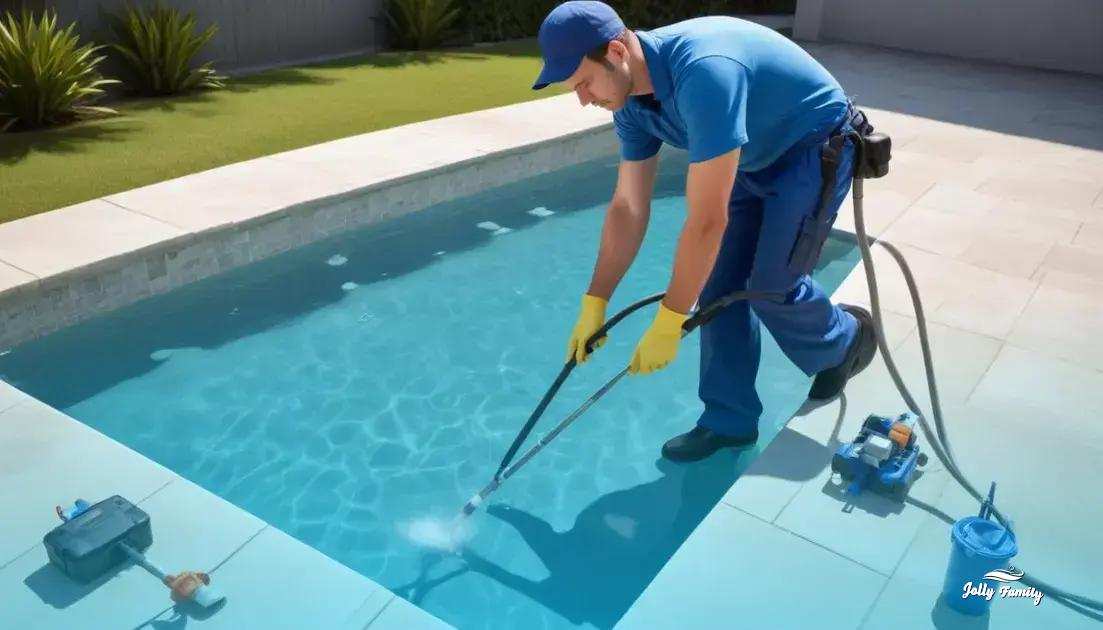

What steps to take when your pool heater isn’t working in Davenport? This guide will help you troubleshoot common issues and get your heater running again.
What steps to take when your pool heater isn’t working in Davenport? If you find yourself facing this frustrating situation, don’t worry. In this post, we’ll walk you through essential troubleshooting techniques and maintenance tips to identify the problem and restore warmth to your pool.
By the end of this article, you’ll feel empowered with the knowledge needed to tackle the issue effectively, ensuring a comfortable swimming experience for you and your family. Don’t let a malfunctioning heater ruin your enjoyment—let’s dive into the solutions!

What Steps to Take When Your Pool Heater Isn’t Working in Davenport?
If you’re a pool owner in Davenport, encountering issues with your pool heater can be a real headache, especially if you’re preparing for a party. Understanding the basics of pool heaters is essential to troubleshoot effectively.
Pool heaters come in various types, including gas, electric, and solar. Each type serves the same fundamental purpose: to maintain a comfortable water temperature for swimming. Knowing how your heater operates can help you identify issues more easily.
The Importance of a Functional Pool Heater
A well-functioning pool heater enhances your swimming experience significantly. It allows you to extend your pool season, ensuring you can enjoy it even during cooler months.
Moreover, timely maintenance and repairs of your pool heater can lead to energy efficiency, saving you money in the long run. Investing in quality maintenance services, like those offered by Jolly Family, can help keep your pool in top shape.
Choosing the Right Maintenance Service
When selecting a pool equipment maintenance service, consider several critical factors. Certifications and customer reviews can offer insight into the reliability of a service.
Additionally, look for service guarantees and the range of services offered. Questions to ask include their experience with pool heater repairs and their approach to preventative maintenance.
Step-by-Step Guide: Troubleshooting Your Pool Heater
Start troubleshooting by checking the power source of your heater. Ensure that it is plugged in and that the circuit breaker hasn’t tripped.
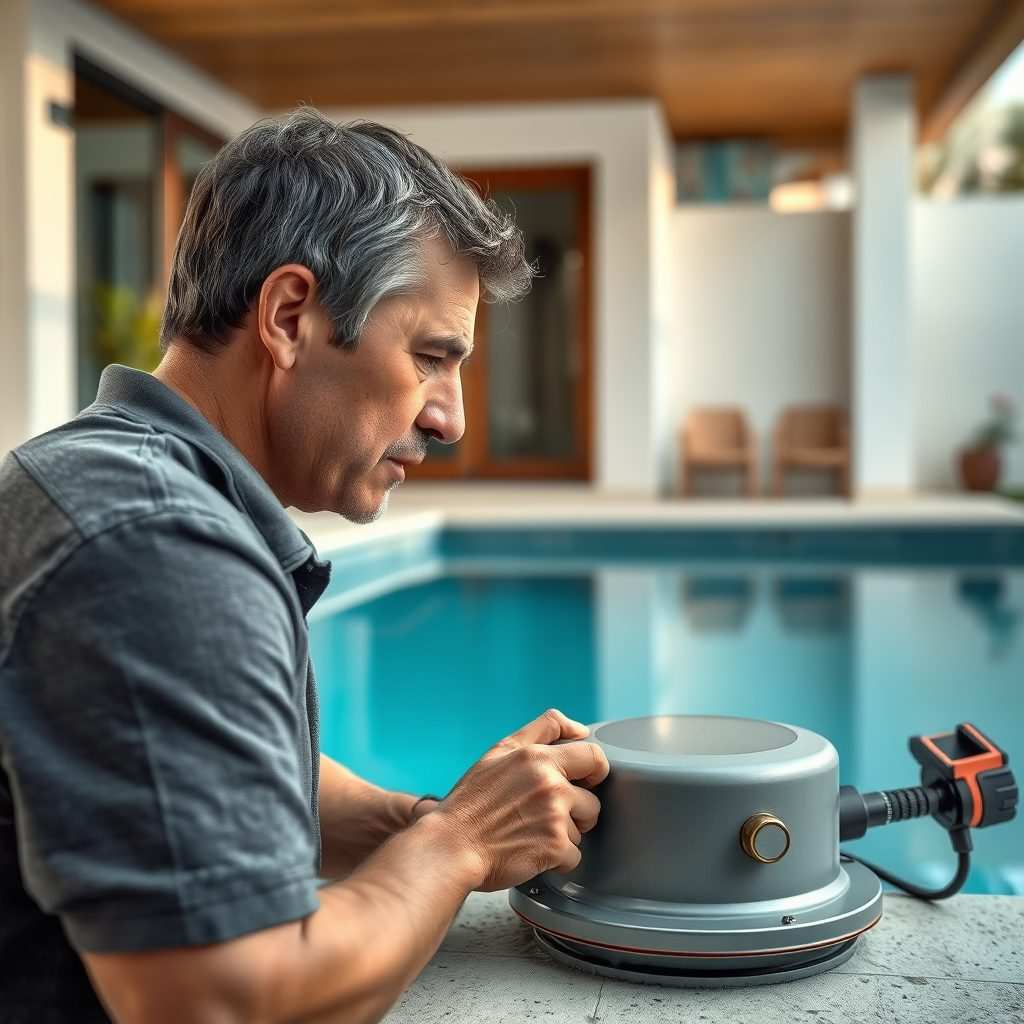
Next, inspect the heater’s components for any visible signs of damage or wear. Simple repairs, like replacing a blown fuse or tightening loose connections, can often solve the problem.
Common Issues to Check
If your heater is making strange noises, it could indicate issues with the pump or air buildup. Identifying these sounds early can prevent further damage.
Advanced Tips and Best Practices for Long-Term Pool Heater Maintenance
To ensure your pool heater operates efficiently year-round, consider seasonal maintenance. This includes regular cleaning of the filter and pump, which Jolly Family specializes in.
Utilizing eco-friendly products for maintenance can also contribute to a healthier pool environment. Best practices include scheduling inspections before peak swimming seasons to catch potential issues early.
Avoiding Common Pitfalls: Mistakes to Watch Out For
Many pool owners make mistakes that can lead to costly repairs. Common errors include neglecting regular check-ups and improperly using the heater.
For instance, failing to address error codes promptly can escalate minor issues into major repairs. Familiarizing yourself with these codes can help you identify when it’s time to call a professional.
FAQs About Pool Heater Issues
What should I do first if my pool heater isn’t working before a party? Start by checking the power source and inspecting for any obvious issues.
What could be causing strange noises from my pool heater? These noises might indicate a problem with the pump or air buildup; simple inspections can often resolve them.
Could a recent storm affect my pool heater? Yes, storms can disrupt power or damage components. It’s crucial to check connections and inspect for any visible damage safely.
What does an error code mean? Error codes vary by model but often indicate specific issues. Consult your manual or a professional for precise diagnostics.
What maintenance steps should I take? Regularly clean your pool filters and schedule inspections with a trusted service like Jolly Family to prevent issues.
How Can I Help You
If you find yourself in Davenport with a pool heater that’s not working, it can be quite a hassle, especially when the weather is just right for a swim. Don’t worry; you’re not alone in this! At Jolly Family, we’ve been helping homeowners and businesses with their pool maintenance needs for over 10 years, and we understand how crucial it is to keep your pool at the perfect temperature. First, check the thermostat settings to ensure they’re correct. If everything seems fine, it might be time to inspect the heater for any visible issues or odd noises. Remember, our trusted professionals are just a call away if you need more assistance. We specialize in preventative maintenance and can identify potential problems before they escalate. Our eco-friendly products and guaranteed quality will ensure your pool remains a safe and enjoyable oasis. Let us help you keep your pool sparkling clean and ready for those sunny days!
FAQ
What should I check first if my pool heater is not working in Davenport?
If your pool heater isn’t working, start by checking the power supply. Ensure that the circuit breaker hasn’t tripped and that the heater is plugged in properly. Next, examine the thermostat settings to confirm they are set correctly for heating. Inspect the pool heater’s display panel for any error codes and refer to the manufacturer’s manual for specific troubleshooting tips. Additionally, check for any visible leaks or blockages in the water flow. By following these initial steps, you can often identify simple issues that can be resolved quickly.
Why is my pool heater making strange noises in Davenport?
Strange noises from your pool heater can indicate several issues. Common sounds like banging or rattling may suggest loose components or debris inside the heater. Whistling or hissing noises could point to a gas leak or a problem with the burner assembly. If you hear a continuous humming sound, it might be an electrical issue with the motor. It’s crucial to address these noises promptly by inspecting the unit and consulting a professional if necessary, as ignoring them can lead to more significant damage or safety hazards.
How can I tell if my pool heater is low on refrigerant?
If your pool heater is not heating effectively, it might be low on refrigerant. Signs include the unit running longer than usual without heating the water or producing warm air instead of hot. You may also notice ice forming on the evaporator coils or a decrease in airflow. To confirm, check the refrigerant levels using a pressure gauge. However, handling refrigerants can be complex and potentially hazardous; therefore, it’s advisable to contact a certified technician to inspect and refill the refrigerant safely.
What maintenance steps should I take for my pool heater in Davenport?
Regular maintenance is key to keeping your pool heater running efficiently. Start by cleaning or replacing the air filter every month during the swimming season. Inspect the heater for rust, corrosion, or leaks, and clear any debris from the vents. Additionally, check the water chemistry regularly, as imbalanced water can damage the heater. Schedule a professional inspection and tune-up at least once a year to ensure all components are functioning correctly. Following these steps will help extend the life of your heater and improve its performance.
What are common error codes on pool heaters, and what do they mean?
Pool heaters often display error codes to indicate specific issues. Common codes include ‘E01’ indicating a water flow issue, ‘E02’ which signifies ignition failure, and ‘E03’ for overheating. Each manufacturer has its own set of codes, so refer to your heater’s manual for precise definitions. Understanding these codes can help you troubleshoot problems effectively. If you encounter a code you cannot resolve, it’s best to contact a professional technician for diagnosis and repair, ensuring your heater operates safely and efficiently.
How can I troubleshoot a gas pool heater that won’t ignite?
If your gas pool heater won’t ignite, start by checking the gas supply to ensure the valve is open and there is gas flow. Inspect the pilot light; if it’s out, relight it following the manufacturer’s instructions. Look for any clogs in the burner or the ignition sensor, as these can prevent proper ignition. If the heater still won’t ignite, check for error codes on the display. If these steps don’t resolve the issue, it’s advisable to call a qualified technician to avoid potential safety risks.
When should I replace my pool heater instead of repairing it?
Deciding between repairing or replacing your pool heater depends on several factors. If your heater is over 10 years old and requires frequent repairs, replacement might be more cost-effective. Consider the repair costs against the price of a new unit; if repairs exceed 50% of the replacement cost, it’s time to upgrade. Additionally, if your heater is inefficient and increasing your energy bills, a new, energy-efficient model could save you money in the long run. Always consult a professional for an accurate assessment of your specific situation.