
How to handle emergencies in commercial pool settings in Davenport? This guide provides crucial steps and tips for pool operators to effectively manage crises.
How to handle emergencies in commercial pool settings in Davenport? In this article, you will discover essential strategies to ensure safety and swift response during unexpected incidents.
From dealing with medical emergencies to chemical spills, understanding these protocols can be a lifesaver.
Stay tuned to learn how to prepare your staff, maintain proper communication, and implement effective emergency plans that protect both patrons and your facility.

How to Handle Emergencies in Commercial Pool Settings in Davenport?
Emergencies in commercial pool settings can arise unexpectedly, making it crucial for staff to be prepared. Understanding the basics of emergency response is the first step to ensuring safety for everyone involved. In this article, we will explore effective strategies and protocols that can help manage emergencies efficiently.
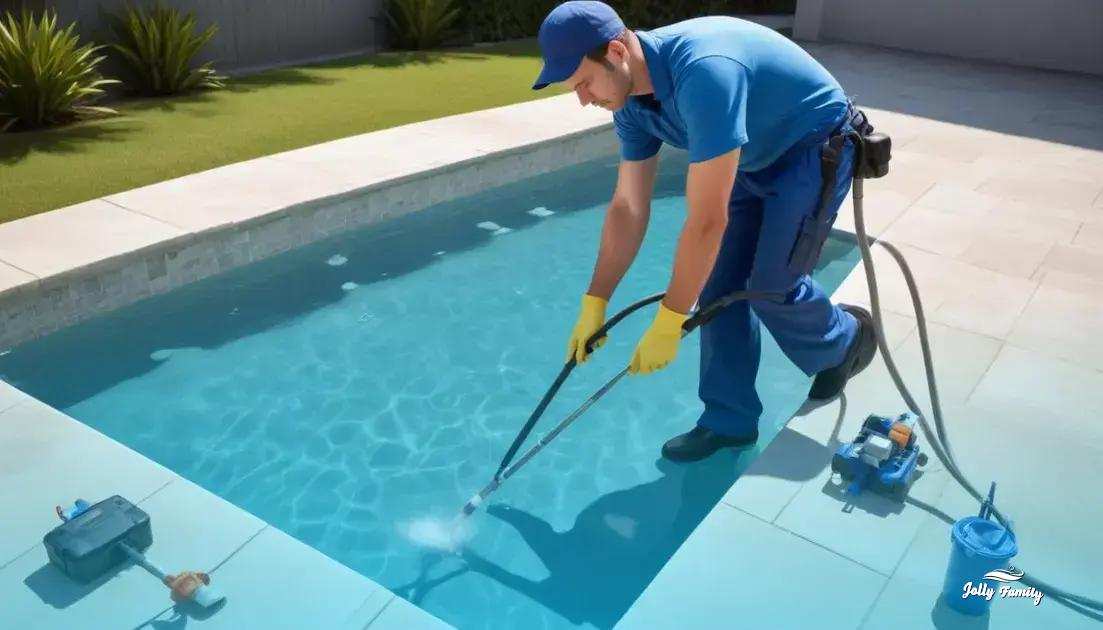
At Jolly Family, we specialize in providing top-notch pool cleaning services in Davenport, and we understand the importance of safety in pool environments. With over 10 years of experience, we are committed to ensuring that commercial pools are not only clean but also safe for patrons.
Understanding the Basics of Emergency Response in Pool Environments
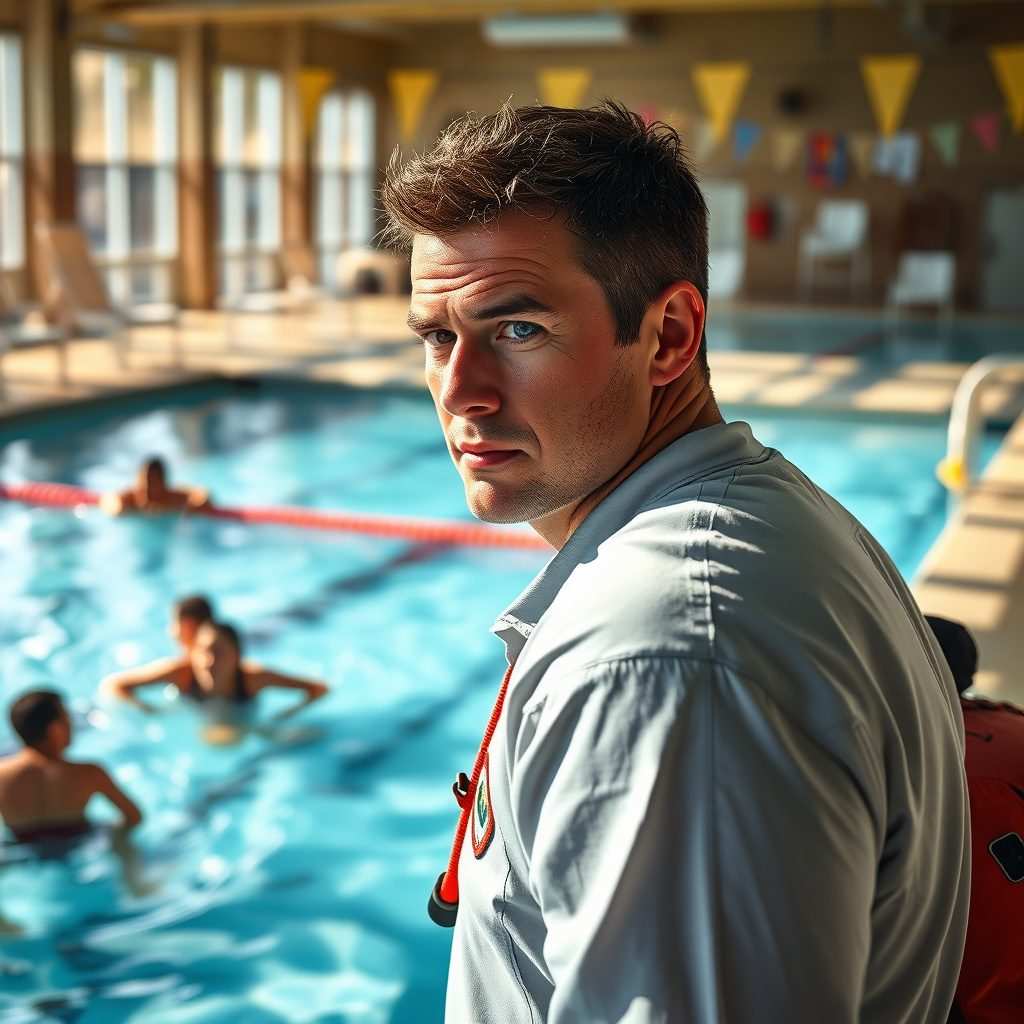
Emergencies can range from drowning incidents to medical emergencies or severe weather conditions. It’s essential for pool staff to be trained in recognizing these situations and responding appropriately. Staff roles should be clearly defined to ensure everyone knows their responsibilities during an emergency.
General safety protocols include having emergency action plans in place, ensuring easy access to first aid kits, and maintaining communication devices ready for immediate use. Staff should also be familiar with the types of emergencies they may encounter.
The Significance of Effective Emergency Management in Swimming Facilities
Effective emergency management not only protects patrons but also safeguards the facility’s reputation. Having robust response strategies can minimize liability risks associated with accidents. This is particularly important for commercial pool operators in Davenport, as a safe environment encourages repeat business.
Additionally, being prepared instills confidence among staff and patrons alike. Regular training and drills can significantly enhance the effectiveness of emergency protocols, ensuring that everyone knows what to do when faced with a crisis.
Key Factors to Consider When Evaluating Emergency Protocols
When assessing emergency response protocols, compliance with local regulations is paramount. Pool operators should ensure their plans meet the safety standards set forth by local authorities. It’s also essential to evaluate staff training levels and the availability of necessary equipment.
Practical tips include conducting regular audits of emergency equipment, holding frequent training sessions, and reviewing protocols annually. This practice not only keeps staff informed but also highlights any areas needing improvement.
Step-by-Step Guide to Implementing Emergency Procedures
Implementing emergency procedures effectively requires a structured approach. Begin by creating a comprehensive emergency action plan that outlines specific responses to various scenarios.
Regular drills should be conducted to ensure everyone is familiar with the plan. Communication strategies are vital; all staff should know how to alert patrons and each other during an emergency. Remember, clear instructions can save lives.
Advanced Techniques and Best Practices for Emergency Preparedness
To elevate emergency preparedness, consider integrating technology into your response plans. For instance, using apps for alert systems can enhance communication during an incident. Ongoing staff training programs are equally important, ensuring that staff stay updated on the latest safety practices.
Engaging with the community can also improve preparedness. Hosting safety workshops can educate patrons on emergency procedures, fostering a culture of safety at your facility.
Common Pitfalls in Emergency Management and How to Avoid Them
Many facilities overlook the importance of regular training, which can lead to staff being ill-prepared. Poorly defined roles can also create confusion during an emergency. To avoid these pitfalls, ensure that responsibilities are clearly communicated and understood by all staff.
Regular practice and continuous improvement of emergency protocols will enhance the response effectiveness, providing a safer environment for everyone involved.
Real-Life Emergency Scenarios
Child Struggling to Stay Afloat
If a lifeguard notices a child struggling in the water, the first step is to assess the situation. If possible, they should call for additional help while preparing to jump in. Acting quickly is crucial, but ensuring that the situation is safe for the rescuer is equally important.
Medical Emergency During Peak Hours
In the event of a medical emergency, such as a patron collapsing, staff should first ensure the safety of other swimmers. Designating someone to call emergency services while others attend to the affected patron can help manage the situation effectively.
Evacuating During a Storm
When a storm approaches, staff should implement an evacuation protocol. This involves calmly directing patrons to exit the pool area while maintaining crowd control. Clear communication is essential to ensure everyone leaves safely and efficiently.
Managing Disturbances from Intoxicated Patrons
If an adult is causing disturbances due to intoxication, staff must act to maintain safety. They should communicate with the individual and, if necessary, seek assistance from local authorities to handle the situation appropriately.
Chemical Spill Management
In case of a chemical spill, the management team should immediately communicate with patrons about the situation, ensuring their safety. Evacuating the area may be necessary while the staff addresses the spill, following proper safety protocols to mitigate health risks.
At Jolly Family, we are committed to not only providing the best commercial pool cleaning in Davenport but also ensuring that our clients are aware of the importance of safety protocols. With our experienced team and eco-friendly practices, you can trust us to keep your pool environment safe and sparkling clean.
How Can I Help You
When it comes to handling emergencies in commercial pool settings in Davenport, having a reliable partner can make all the difference. At Jolly Family, with our decade of experience specializing in pool cleaning and maintenance, we understand that swift action is crucial. Whether it’s a sudden equipment failure or unexpected water quality issues, our team is trained to respond effectively. We prioritize safety and cleanliness, utilizing eco-friendly products that ensure a sparkling pool without compromising the environment.
Our trusted professionals are fully insured and committed to providing guaranteed quality services, which include preventative maintenance of pool decks and equipment to avoid emergencies before they arise. We also offer filter and pump cleaning to ensure your pool runs smoothly. Remember, in moments of crisis, having a local expert who knows the ins and outs of Davenport’s pool regulations can provide peace of mind. We’re here to support you every step of the way, ensuring your pool remains a safe and enjoyable space for everyone.
FAQ
What should I do first in case of a drowning incident in a commercial pool?
In the event of a drowning incident, the first step is to ensure the safety of all patrons by clearing the pool area. Immediately call 911 to alert emergency services. If trained, perform rescue techniques such as using a reaching assist or throwing a flotation device. Once the individual is out of the water, check for breathing. If they are unresponsive, begin CPR until help arrives. It’s crucial to have lifeguards trained in CPR and first aid on duty at all times. Regular drills can help prepare staff for such emergencies.
How can I prevent slip and fall accidents around the pool area?
To prevent slip and fall accidents in a commercial pool setting, ensure that the deck area is regularly cleaned and dried. Use non-slip surfaces and clearly mark wet areas with warning signs. Maintain proper drainage to avoid standing water and inspect for any hazards such as loose tiles or broken furniture. Training staff to monitor the area and respond quickly to spills can greatly enhance safety. Additionally, consider installing anti-slip mats in high-traffic areas to provide extra traction for guests.
What emergency equipment should be readily available at a commercial pool?
A well-equipped commercial pool should have essential emergency equipment readily accessible. This includes a lifebuoy with a throw rope, a reaching pole, a first aid kit, an Automated External Defibrillator (AED), and emergency signage. Ensure that all staff members are familiar with the location of this equipment and how to use it. Regular inspections and maintenance of all emergency tools are vital to ensure they function correctly in a crisis. Conduct training sessions to keep everyone prepared for emergencies.
How often should emergency drills be conducted in a commercial pool?
Emergency drills in a commercial pool should be conducted at least quarterly to ensure all staff members are prepared for various emergency scenarios. These drills should encompass different situations, such as drownings, slips and falls, and severe weather conditions. Regular practice helps staff become familiar with emergency protocols and increases their confidence in handling real-life emergencies. After each drill, conduct a debriefing session to discuss what went well and what could be improved, ensuring continuous learning and preparedness.
What should I do if a guest has an allergic reaction at the pool?
If a guest experiences an allergic reaction at the pool, assess the severity of their symptoms. If they show signs of a severe reaction, such as difficulty breathing or swelling, call 911 immediately. If the individual has an epinephrine auto-injector, assist them in using it. Keep the guest calm and monitor their condition until help arrives. It’s important to have staff trained in recognizing allergic reactions and basic first aid. Additionally, consider implementing a policy to gather information on guests’ allergies during check-in.
How can we effectively manage severe weather emergencies at a pool?
To manage severe weather emergencies at a pool, establish a clear weather response plan. Monitor local weather reports and have a system in place to alert staff and guests of impending storms. During severe weather, evacuate the pool area immediately and direct guests to a safe location, such as a building. Ensure that staff is trained to recognize warning signs of severe weather and knows the proper protocols for evacuation. Regularly review and practice the emergency plan with all personnel to enhance preparedness and ensure everyone’s safety.
What are the legal responsibilities of a commercial pool owner during emergencies?
Commercial pool owners have a legal responsibility to ensure the safety of their patrons by maintaining a safe environment. This includes having trained lifeguards on duty, properly functioning emergency equipment, and clear emergency procedures. In the event of an emergency, owners must respond promptly and efficiently to mitigate harm. Additionally, it’s essential to document all incidents and actions taken during emergencies for liability purposes. Regularly reviewing safety protocols and ensuring compliance with local regulations will help protect both guests and the establishment.