
How to handle emergencies in commercial pool settings in Kissimmee? This guide provides essential steps and tips for ensuring safety in pool environments.
In this article, we will explore how to handle emergencies in commercial pool settings in Kissimmee. You’ll learn crucial safety protocols and actions to take during various emergencies, ensuring the safety of guests and staff alike.
From dealing with medical incidents to responding to water quality issues, mastering these skills can make all the difference in a critical situation.
Stay with us to uncover practical tips and expert advice that will prepare you for any emergency scenario in your pool facility.

When it comes to operating a commercial pool in Kissimmee, safety should always be a top priority. Emergencies can happen unexpectedly, and knowing how to respond can make all the difference in ensuring the safety of your guests and staff. In this comprehensive guide, we will explore how to handle emergencies in commercial pool settings in Kissimmee, equipping you with the knowledge to manage any situation effectively.
Understanding the Basics of Pool Safety and Emergency Protocols
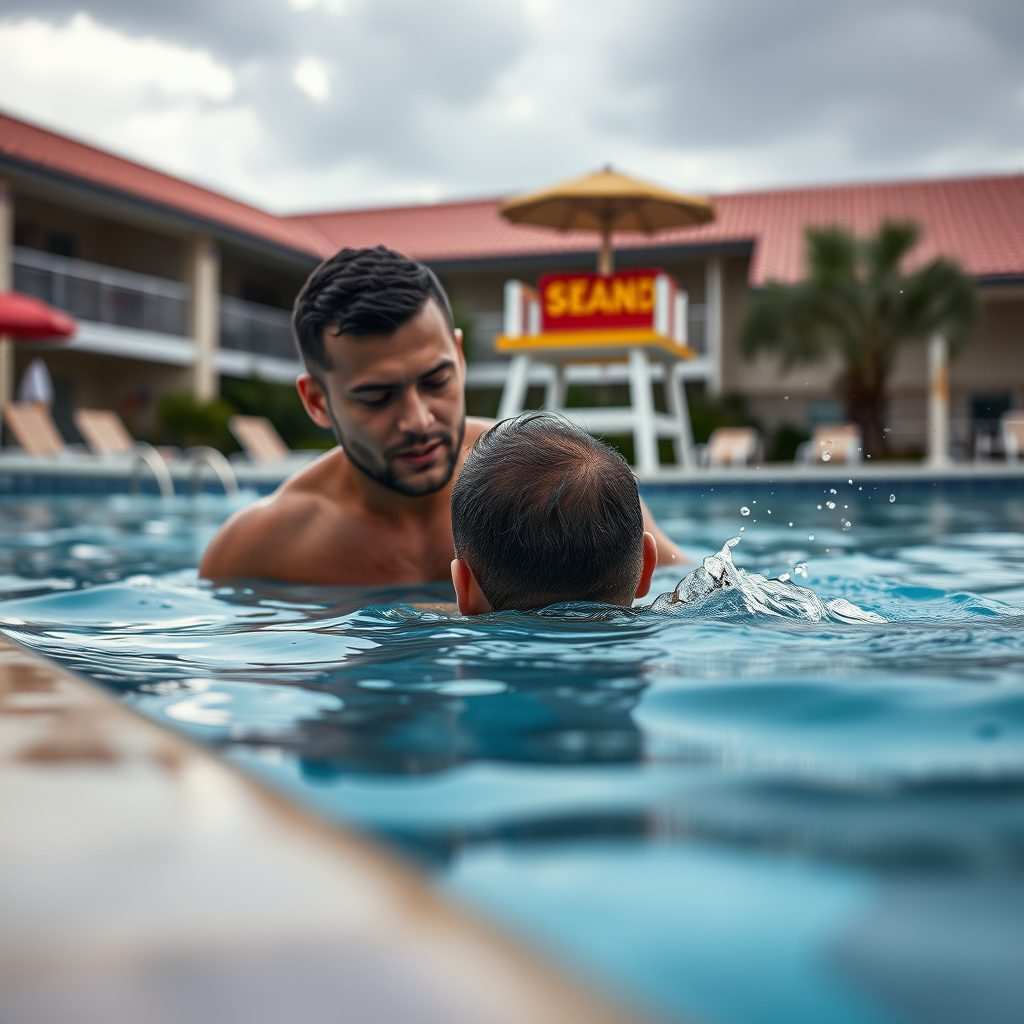
Understanding the essential concepts of pool safety is crucial for anyone managing a commercial pool. Emergencies can range from minor incidents, such as slips and falls, to more severe situations like drownings or chemical spills. Having established safety protocols is vital. This includes:
- Regular safety training for staff to recognize potential hazards.
- Clear signage around the pool area indicating safety rules.
- Emergency equipment readily accessible, such as life rings and first aid kits.
The Importance of Emergency Preparedness in Pool Management
Being prepared for emergencies in pool settings not only enhances safety but also reduces liability and improves the overall experience for pool users. A comprehensive emergency plan should address various scenarios, ensuring that all staff are trained and equipped to handle emergencies effectively. Preparedness fosters a sense of security among guests, encouraging them to enjoy the facility.
Key Criteria for Evaluating Emergency Response Plans
When assessing your emergency response plan, consider the following criteria:
- Staff Training: Have all employees undergone thorough training in emergency procedures?
- Equipment Readiness: Is all emergency equipment in working order and easily accessible?
- Communication Strategies: Are clear lines of communication established for alerting authorities and coordinating responses?
Step-by-Step Guide to Handling Emergencies in Pool Settings
During an emergency, staying calm and following a structured approach is essential. Here’s a step-by-step guide:
- Assess the Situation: Determine the nature of the emergency.
- Alert Staff and Guests: Use a loudspeaker or manual alert to inform everyone in the vicinity.
- Take Immediate Action: If someone is in distress, provide assistance according to your training.
- Contact Emergency Services: Call 911 or appropriate local authorities for serious situations.
- Maintain Order: Ensure that guests remain calm and follow your instructions.
Advanced Techniques and Best Practices for Emergency Management
To further enhance your emergency preparedness, consider implementing these advanced techniques:
- Regular Drills: Conduct emergency drills to ensure staff are familiar with procedures.
- Technology Integration: Utilize technology such as emergency alert systems or apps that can streamline communication during a crisis.
- Continuous Training: Offer ongoing training sessions to keep staff updated on best practices.
Common Pitfalls in Emergency Response and How to Avoid Them
Even the best plans can falter. Here are some common pitfalls to watch out for:
- Lack of Communication: Ensure all staff know their roles during an emergency.
- Inadequate Training: Regularly train staff and refresh their knowledge.
- Neglecting Equipment Maintenance: Regularly check and maintain emergency equipment to ensure it’s functional.
Conclusion
Handling emergencies in commercial pool settings in Kissimmee is a vital skill that requires preparation, training, and effective response strategies. By understanding the basics of pool safety, emphasizing emergency preparedness, and continuously evaluating your response plans, you can create a safer environment for everyone. Remember, being proactive is the key to effective emergency management.
If you’re looking for reliable commercial pool services in Kissimmee, consider partnering with the experts at Jolly Family for all your cleaning and maintenance needs.
Our Expertise in Pool Management
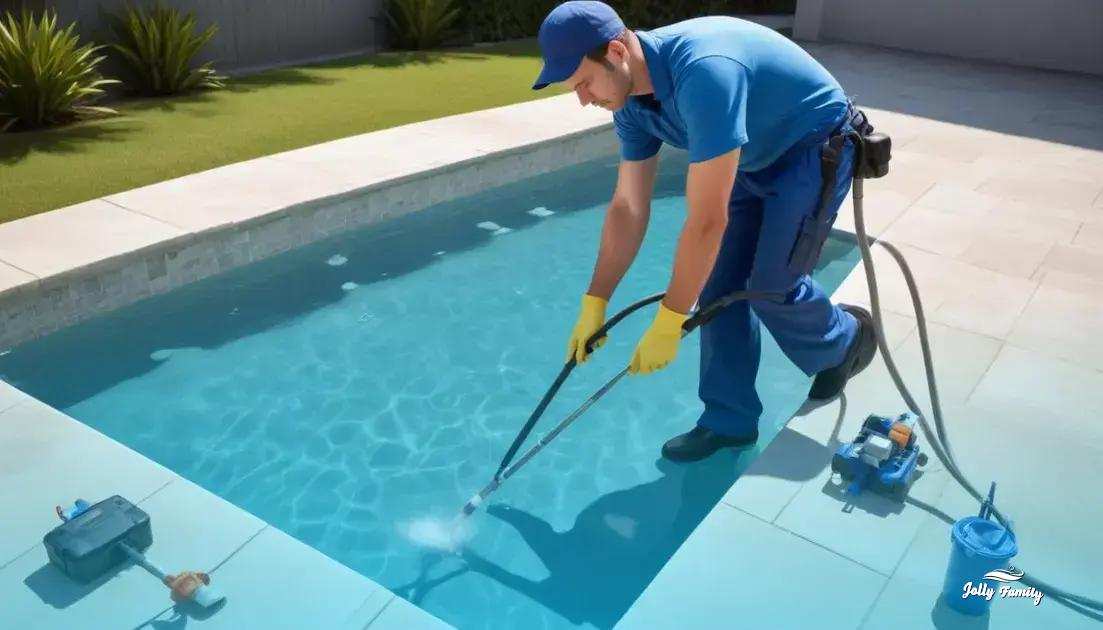
With a deep-rooted experience in the pool service industry, the Jolly Family has been operating for 10 years, specializing in pool cleaning, pool water treatment, preventative maintenance of pool decks and equipment, filter and pump cleaning, and installation of hydraulic equipment and filters. Operating in Davenport, Kissimmee, Celebration, Saint Cloud, Poinciana, ChampionsGate, Reunion, Four Corners, Haines City, Hunters Creek, Winter Garden, Windermere, and Orlando, we provide fast and efficient services that ensure your pool remains sparkling clean and safe. Our extensive experience positions us as a trusted source on how to handle emergencies in commercial pool settings in Kissimmee.
Our Location: 9102 Hotoon Way – Devenport – Orlando – Florida
Frequently Asked Questions
What should I do first in a pool emergency?
In a pool emergency, the first step is to ensure the safety of all patrons. Activate emergency protocols, alert lifeguards or staff, and call 911 if necessary. Provide immediate assistance to anyone in distress, such as performing CPR or first aid while waiting for emergency services to arrive.
How can I prevent emergencies in a commercial pool?
Preventing emergencies involves regular maintenance and safety checks. Ensure lifeguards are trained, conduct safety drills, maintain proper chemical balance, and ensure that safety equipment is readily available. Clear signage regarding pool rules and depth markers can also help prevent accidents.
What are common emergencies in commercial pools?
Common emergencies in commercial pools include drowning incidents, slip and fall accidents, and water-related illnesses due to poor chemical balance. It's essential to be prepared for these situations with trained staff and appropriate emergency equipment.
How often should staff be trained for emergencies?
Staff should undergo emergency training at least annually, with additional refresher courses every few months. Regular drills and simulations can help staff respond effectively in real situations, ensuring they are familiar with emergency protocols and first aid procedures.
What equipment is essential for handling pool emergencies?
Essential equipment for handling pool emergencies includes lifebuoys, first aid kits, spinal boards, AEDs (Automated External Defibrillators), and emergency phone systems. Ensure all equipment is regularly checked and easily accessible to staff in case of an emergency.