
How to maintain water quality in commercial pools in Kissimmee? It involves regular testing, chemical balancing, and maintenance practices to ensure safe swimming conditions.
Are you wondering how to maintain water quality in commercial pools in Kissimmee? Keeping your pool clean and safe is crucial for your guests’ enjoyment and health. In this article, we will explore essential tips and best practices to ensure your commercial pool maintains optimal water quality. From regular testing to chemical management, you’ll learn everything you need to know to keep your pool sparkling clean. Don’t miss out on these vital insights that can save you time and money while enhancing the experience for everyone who swims in your facility.

Are you a pool manager or owner in Kissimmee worried about the water quality in your commercial pool? Maintaining crystal-clear water is not just a matter of aesthetics; it’s crucial for the health and satisfaction of your patrons. In this comprehensive guide, we will explore how to effectively maintain water quality in commercial pools, ensuring a safe and enjoyable swimming experience for everyone.
Essential Concepts for Water Quality Management
To start, it’s important to understand the fundamental concepts of water quality management. Key terms include:
- pH Levels: This measures the acidity or alkalinity of the water. Keeping pH levels between 7.2 and 7.8 is crucial for effective sanitation.
- Chlorine: A vital disinfectant that helps eliminate harmful bacteria and algae. Monitoring chlorine levels is essential for maintaining safe swimming conditions.
- Alkalinity: This helps stabilize pH levels. A total alkalinity range of 80-120 ppm is ideal for pool water.
Understanding these concepts lays the groundwork for effective pool maintenance.
The Importance of Maintaining Water Quality
Maintaining high water quality in commercial pools is essential for several reasons:
- Health & Safety: Proper water management prevents the spread of waterborne diseases and protects swimmers.
- Customer Satisfaction: Clean and clear water enhances the overall swimming experience, leading to repeat business.
- Investment Protection: Regular maintenance protects your pool’s infrastructure and equipment, ultimately saving you money in repairs.
Investing time and resources into water quality management pays off in the long run.
Choosing the Right Tools and Equipment for Pool Care
Having the right tools is essential for effective pool maintenance. Consider the following:
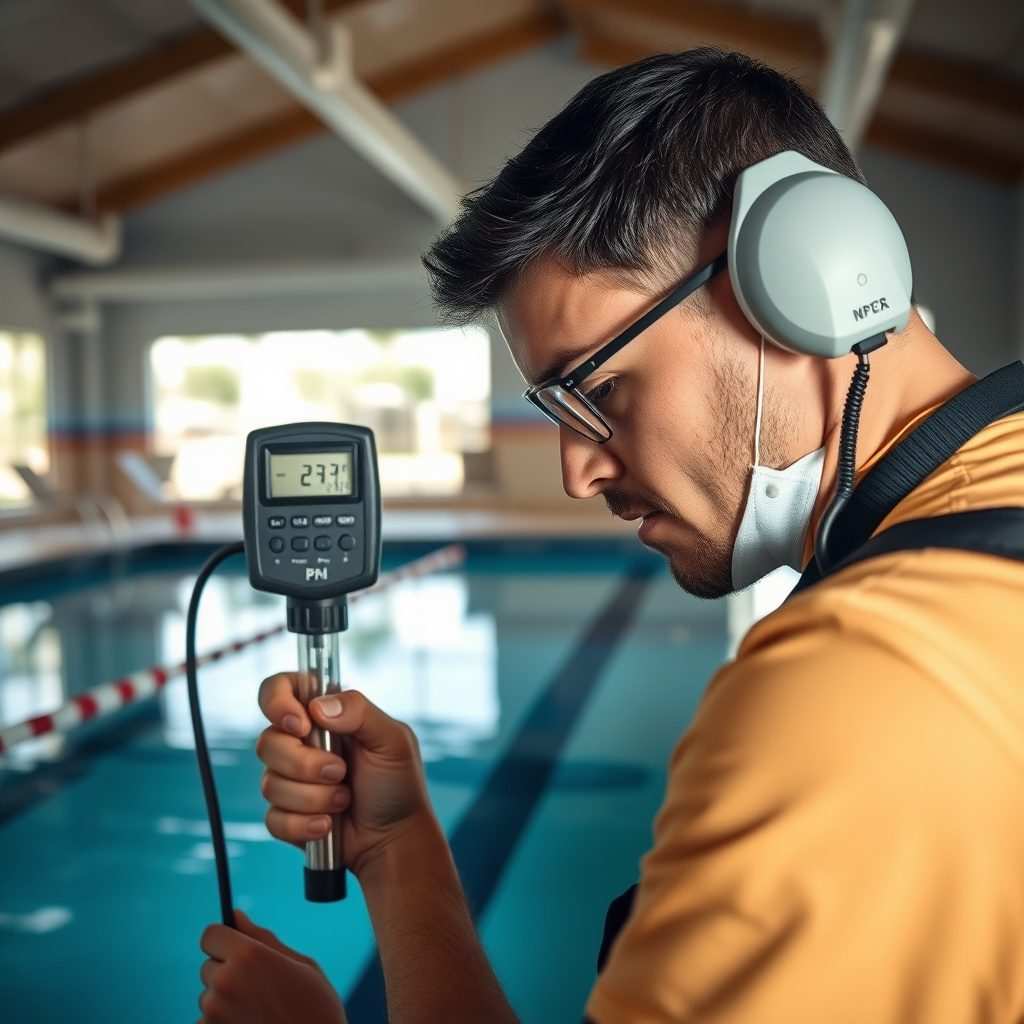
- Water Testing Kits: Choose kits that provide accurate readings for pH, chlorine, and alkalinity.
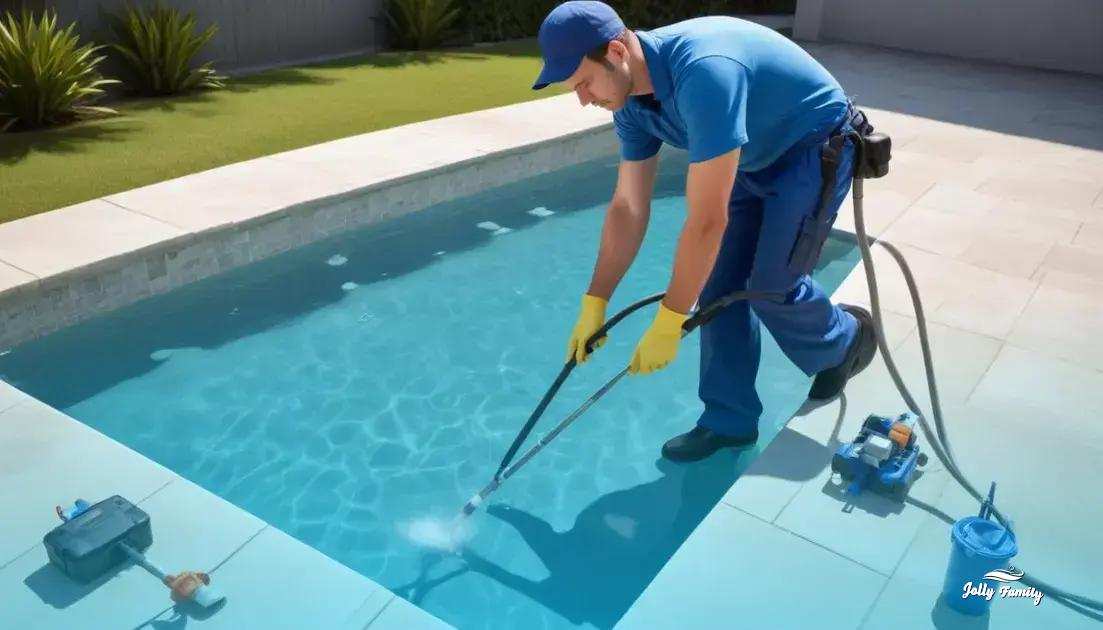
- Cleaning Devices: Invest in reliable vacuums and brushes that can handle debris effectively.
- Chemical Dispensers: Automated dispensers can help maintain consistent chemical levels.
Evaluating these tools based on your specific needs will lead to better maintenance outcomes.
Step-by-Step Process for Maintaining Water Quality
Here’s a straightforward process to maintain water quality in your commercial pool:
- Routine Checks: Conduct daily inspections of water clarity and surface debris.
- Chemical Balancing: Test and adjust pH, chlorine, and alkalinity levels weekly.
- Filtration Maintenance: Clean filters and pumps as per the manufacturer’s guidelines.
- Cleaning Protocols: Implement a regular cleaning schedule for the pool deck and surrounding areas.
Following these steps can greatly enhance the water quality in your pool.
Advanced Tips and Best Practices for Professionals
For those looking to elevate their maintenance practices, consider these advanced tips:
- Optimize Chemical Usage: Use the right amounts of chemicals, and consider shock treatments during peak usage times.
- Enhance Filtration Efficiency: Regularly check and maintain your filtration system to ensure it operates at peak performance.
- Utilize Technology: Implement monitoring systems that can alert you to changes in water quality.
These practices can provide a competitive edge in pool maintenance.
Common Mistakes and How to Avoid Them
Here are some common pitfalls in pool maintenance and how to steer clear of them:
- Improper Chemical Balancing: Always test water before adding chemicals to avoid imbalances.
- Neglecting Regular Maintenance: Establish a consistent maintenance schedule to avoid accumulation of issues.
- Overlooking Equipment Care: Regularly inspect and service equipment to prevent breakdowns.
Being aware of these mistakes can save you time and frustration.
Conclusion
Maintaining water quality in commercial pools in Kissimmee is not just a task; it’s a commitment to providing a safe and enjoyable environment for your patrons. By understanding the essential concepts, utilizing the right tools, and following best practices, you can ensure that your pool remains a sparkling oasis. For expert pool cleaning and maintenance services, reach out to the Jolly Family, your trusted partner in pool care.
Our Expertise in Pool Maintenance
With a profound understanding of pool maintenance, the Jolly Family has been operating for 10 years, specializing in cleaning and maintaining both residential and commercial pools. Our expertise spans pool water treatment, preventative maintenance of pool decks and equipment, filter and pump cleaning, and installation of hydraulic equipment and filters. We proudly serve the Kissimmee area and surrounding locations, positioning ourselves as a trusted source for information on how to maintain water quality in commercial pools in Kissimmee.
Our Location: 9102 Hotoon Way – Devenport – Orlando – Florida
Frequently Asked Questions
What are the key factors to maintain water quality in commercial pools?
To maintain water quality in commercial pools, focus on regular testing of pH, chlorine levels, and alkalinity. Ensure proper filtration and circulation, perform routine cleaning, and address any algae or contamination promptly. Consistent maintenance schedules and staff training on water quality management are also essential.
How often should I test the water in a commercial pool?
Water should be tested at least two to three times per day in commercial pools, particularly during peak usage times. Key parameters to monitor include pH, chlorine levels, and total alkalinity. Regular testing ensures quick adjustments can be made to maintain safe and clean water for swimmers.
What chemicals are essential for pool water maintenance?
Essential chemicals for pool water maintenance include chlorine or bromine for disinfection, pH increasers or decreasers, and alkalinity buffers. Additionally, algaecides and clarifiers can help prevent algae growth and improve water clarity. Always follow manufacturer guidelines for proper dosing.
How can I prevent algae growth in my commercial pool?
To prevent algae growth, maintain proper chemical balance, ensure good circulation and filtration, and regularly scrub pool surfaces. Additionally, keep an eye on water temperature and sunlight exposure, as these factors can promote algae growth. Regularly shock the pool and use algaecides as needed.
What maintenance practices should be followed daily for commercial pools?
Daily maintenance practices for commercial pools include checking and adjusting chemical levels, skimming debris from the surface, vacuuming the pool floor, and inspecting filters and pumps. Ensure that safety equipment is in place and functioning, and maintain cleanliness in surrounding areas to enhance overall pool hygiene.