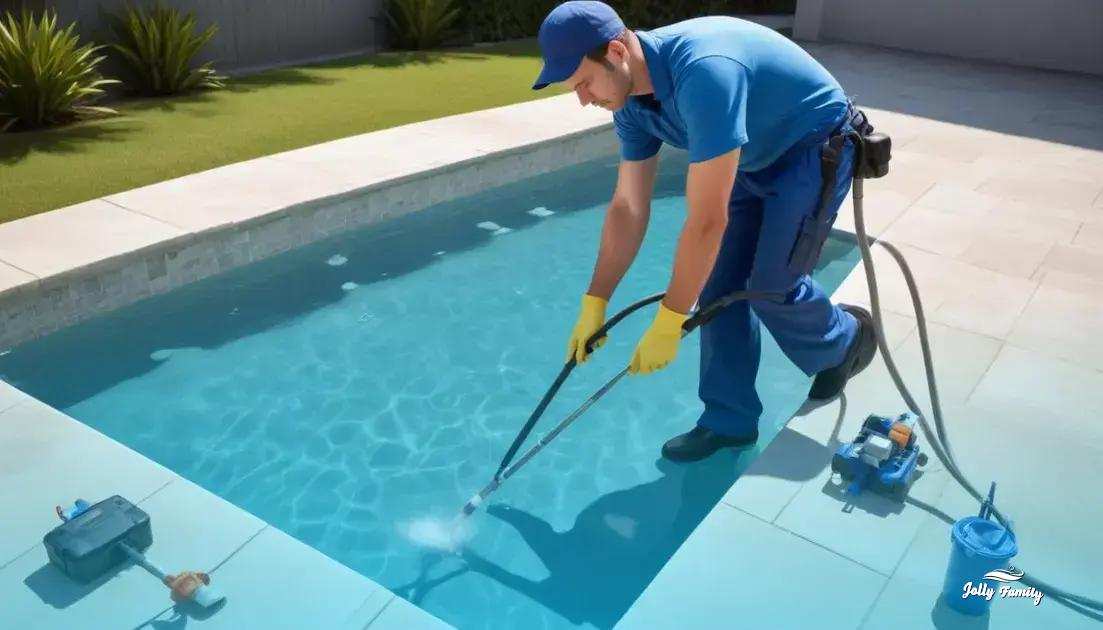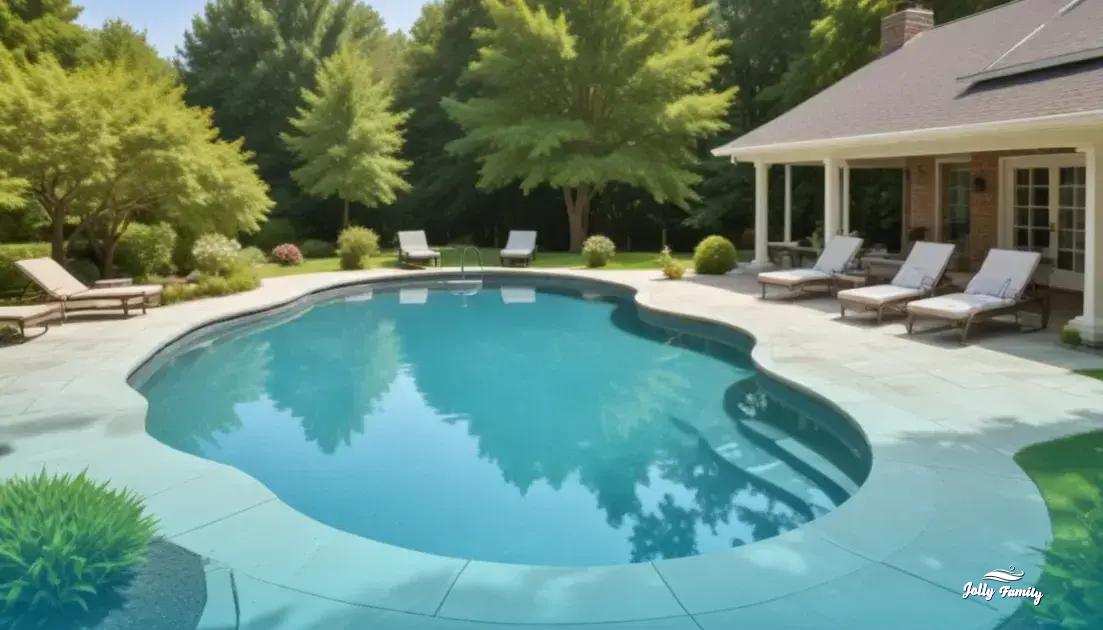

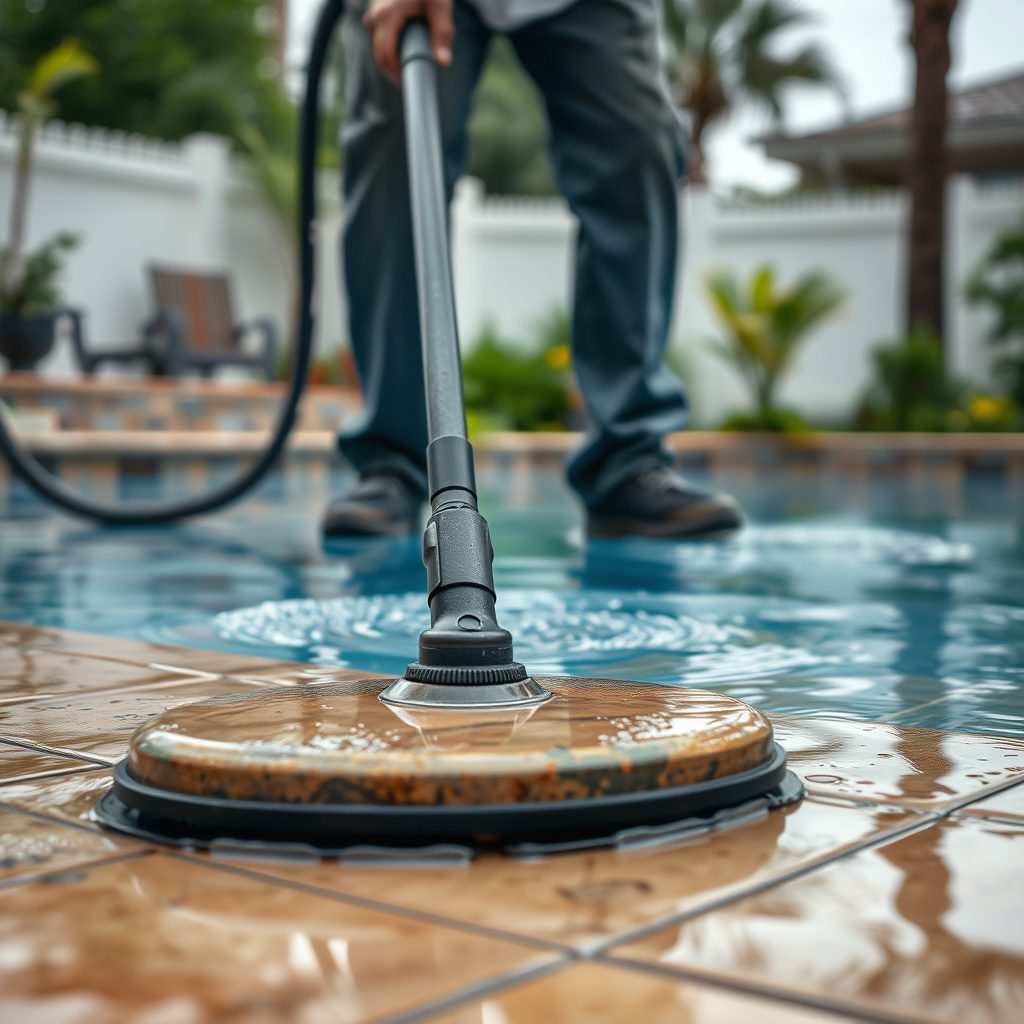
How often should a swimming pool be cleaned? This question is vital for maintaining a healthy swimming environment, ensuring water clarity and safety.
How often should a swimming pool be cleaned? This is a common question among pool owners looking to keep their oasis in pristine condition. In this article, we will dive into the essential factors that determine the cleaning frequency of your swimming pool. You’ll discover how regular maintenance can prevent costly repairs and enhance your swimming experience. Stay with us to learn the best practices for keeping your pool clean and inviting all season long.

Are you wondering how often should a swimming pool be cleaned? Maintaining a clean and safe swimming pool is crucial for both enjoyment and health. In this essential guide, we will explore the factors affecting cleaning frequency, the importance of regular maintenance, and provide you with practical tips to keep your pool sparkling.
Understanding Pool Maintenance: The Basics
Pool maintenance encompasses a range of activities designed to keep your pool safe and inviting. Different types of pools, such as in-ground and above-ground, may require different approaches. Common contaminants include leaves, dirt, and algae, while improper upkeep can lead to health risks and costly repairs. Understanding these fundamentals is the first step in determining how often to clean your pool.
The Importance of Regular Pool Cleaning
Regular pool cleaning is not just about aesthetics; it plays a significant role in health and safety. A well-maintained pool reduces the risk of waterborne illnesses and keeps the environment safe for swimmers. Moreover, consistent cleaning extends the lifespan of your pool equipment, ensuring that your investment continues to deliver enjoyment for years to come. Ultimately, proper maintenance can save you money while enhancing your swimming experience.
Choosing the Right Cleaning Schedule: Key Factors to Consider
Determining the optimal cleaning schedule for your pool depends on several factors:
- Pool Usage: If you swim frequently or have children using the pool often, you may need to clean it more regularly.
- Local Climate: Warmer, sunnier climates can lead to faster algae growth, necessitating more frequent cleaning.
- Type of Pool Cover: A good pool cover can help keep debris out, potentially reducing the frequency of cleaning.
By considering these factors, you can personalize your maintenance approach to fit your lifestyle.
Step-by-Step Guide to Effective Pool Cleaning
Cleaning your pool doesn’t have to be overwhelming. Here’s a simple, step-by-step guide to keep your pool in top shape:
- Skimming: Use a net to remove leaves and debris from the surface.
- Vacuuming: Regularly vacuum the bottom of the pool to remove dirt and algae.
- Balancing Chemicals: Test the water regularly and adjust pH and chlorine levels as needed.
Following these steps will help ensure your pool remains clean and safe for swimming.
Advanced Techniques for Professional-Level Pool Care
To elevate your cleaning routine, consider these advanced techniques:
- Automated Cleaning Systems: Invest in robotic or suction cleaners to automate the cleaning process.
- Chemical Balancing Strategies: Use advanced testing kits for precise chemical adjustments.
- Seasonal Preparation: Prepare your pool for seasonal changes by performing thorough cleanings and adjustments.
These strategies can help you achieve a professional-level clean with less effort.
Common Mistakes in Pool Maintenance and How to Avoid Them
Even seasoned pool owners can make mistakes. Here are some common pitfalls to watch out for:
- Over-Cleaning: Excessive cleaning can damage your pool’s surface and waste resources.
- Neglecting Equipment Maintenance: Regularly check and maintain filters and pumps to prevent costly repairs.
- Ignoring Water Chemistry: Failing to balance chemicals can lead to algae growth and health risks.
By avoiding these common mistakes, you can maintain optimal pool health and enjoy a safe swimming experience.
Conclusion
In conclusion, understanding how often to clean your swimming pool is essential for maintaining a safe and enjoyable environment. By considering factors like usage, climate, and employing effective cleaning techniques, you can ensure your pool remains a source of fun for years to come. Remember, regular maintenance can save you money and enhance your overall swimming experience. Don’t hesitate to reach out to Jolly Family for expert pool cleaning services and maintenance in Orlando, Kissimmee, and surrounding areas.
Expertise in Pool Maintenance
With a deep understanding of pool maintenance backed by over 10 years of experience, we at Jolly Family specialize in pool cleaning, water treatment, preventative maintenance of pool decks and equipment, filter and pump cleaning, and installation of hydraulic equipment and filters. Serving areas like Davenport, Kissimmee, Celebration, Saint Cloud, and many more, we are a trusted source for information on how often should a swimming pool be cleaned.
Our Location: 9102 Hotoon Way – Devenport – Orlando – Florida
Frequently Asked Questions
How often should a swimming pool be cleaned?
A swimming pool should typically be cleaned at least once a week. This includes skimming debris off the surface, brushing the walls, and vacuuming the bottom. Additionally, it's important to check and balance the water chemistry regularly to keep the pool safe and enjoyable.
What factors affect how often a pool needs cleaning?
Several factors influence cleaning frequency, including pool usage, weather conditions, and surrounding vegetation. Pools used frequently or located near trees may require more frequent cleaning to manage debris and algae growth.
Can I clean my pool myself?
Yes, many pool owners choose to clean their pools themselves. Basic maintenance tasks like skimming, vacuuming, and checking water chemistry can be done with the right tools. However, for deep cleaning or repairs, you may want to hire a professional.
What are the signs that my pool needs cleaning?
Signs that your pool needs cleaning include cloudy water, visible debris on the surface, algae growth on walls or tiles, and imbalanced water chemistry. Regular maintenance helps prevent these issues.
How long does it take to clean a swimming pool?
The time it takes to clean a swimming pool can vary based on its size and condition. Typically, routine cleaning takes about 30 minutes to an hour, while deeper cleaning or maintenance can take several hours.