
What to put in a swimming pool to keep it clean? This involves using various chemicals and equipment to maintain water clarity and hygiene.
Have you ever wondered what to put in a swimming pool to keep it clean? Maintaining a sparkling clean pool is essential for enjoyment and safety. In this post, you’ll discover the best practices and products that can help you achieve a pristine swimming environment. From chemicals to filtration systems, we’ll explore everything you need to know to keep your pool water crystal clear. Make sure to read until the end for expert tips that will save you time and effort in your pool maintenance routine.

Are you tired of that murky water and debris floating in your backyard oasis? Keeping your swimming pool clean is essential not just for aesthetics but also for health and safety. In this guide, we’ll explore what to put in a swimming pool to keep it clean and ensure you enjoy crystal-clear water all season long.
Understanding Pool Maintenance Essentials
First and foremost, it’s crucial to understand the fundamental concepts of pool maintenance. Regular cleaning is vital to prevent algae growth and debris accumulation. Common debris includes leaves, dirt, and insects, which can all contribute to poor water quality. You’ll need a few basic tools for upkeep, such as a skimmer net, pool brush, and vacuum. With over a decade of experience, we at Jolly Family have seen firsthand how a little maintenance goes a long way in preserving the beauty and functionality of your pool.
Why Cleanliness is Key: The Benefits of a Well-Maintained Pool
Maintaining a clean pool is about more than just looks. A well-kept pool offers numerous benefits:
- Improved Water Quality: Clean water is vital for your health and enjoyment.
- Enhanced Safety: Clear water allows for better visibility, reducing the risk of accidents.
- Longevity of Equipment: Regular maintenance can extend the life of your pool equipment, saving you money in the long run.
Investing time in cleanliness will significantly enhance your overall pool experience.
Choosing the Right Tools for Pool Cleanliness
When it comes to pool cleaning, having the right tools is essential. Here’s how to choose the best cleaning supplies:
- Pool Size: Larger pools may require more powerful equipment.
- Type of Debris: Consider the common debris in your area; for instance, if you have many trees, a leaf net is essential.
- Personal Preferences: Decide between manual cleaning or investing in automated cleaners.
Evaluate different cleaning solutions based on effectiveness and ease of use.
Step-by-Step Guide to Keeping Your Pool Clean
Ready for a practical approach? Follow this step-by-step guide:
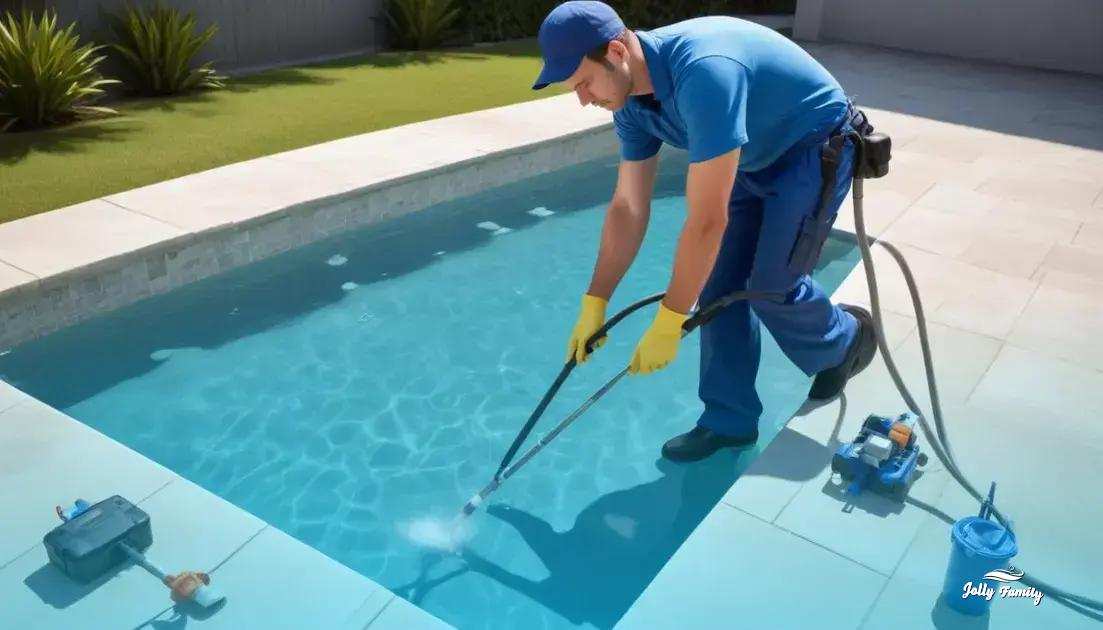
- Skim the Surface: Use a skimmer net daily to remove debris.
- Brush the Walls: Brush your pool walls at least once a week to prevent algae buildup.
- Vacuum the Pool: Vacuum the pool weekly to remove dirt and debris from the bottom.
- Balance the Chemicals: Test and adjust your water chemistry regularly, focusing on pH and chlorine levels.
By following these simple steps, you ensure a consistently clean pool.
Advanced Techniques for Optimal Pool Care
If you want to take your pool care to the next level, consider these advanced techniques:
- Automated Cleaners: Invest in robotic vacuums that save you time and effort.
- Chemical Balancing Techniques: Learn about advanced chemical balancing for optimal water quality.
- Preventative Measures: Implement measures like installing a pool cover to reduce debris accumulation.
These techniques can help you achieve a pristine pool with minimal effort.
Common Mistakes in Pool Maintenance and How to Avoid Them
Even seasoned pool owners make mistakes. Here are common pitfalls and how to avoid them:
- Neglecting Chemical Balance: Always test your water regularly to avoid health risks.
- Using Improper Tools: Ensure you’re using the right tools for your specific pool type.
- Skipping Routine Maintenance: Regular cleaning prevents bigger issues down the road.
By being aware of these mistakes, you can ensure your pool remains a safe and enjoyable space.
Conclusion
In conclusion, knowing what to put in a swimming pool to keep it clean is crucial for maintaining an enjoyable swimming experience. From understanding the essentials of pool maintenance to avoiding common mistakes, a little effort goes a long way. Don’t hesitate to reach out to professional services like Jolly Family for assistance in keeping your pool in top condition.
Our Expertise in Pool Maintenance
At Jolly Family, we bring over 10 years of experience in the pool cleaning industry, specializing in pool cleaning, pool water treatment, preventative maintenance of pool decks and equipment, filter and pump cleaning, and installation of hydraulic equipment and filters. Our deep knowledge and expertise allow us to position ourselves as a trusted source on what to put in a swimming pool to keep it clean.
Our Location: 9102 Hotoon Way – Devenport – Orlando – Florida
Frequently Asked Questions
What chemicals should I add to my swimming pool to keep it clean?
To keep your swimming pool clean, regularly add chlorine to disinfect the water, and use algaecides to prevent algae growth. Additionally, balancing pH levels with pH increasers or decreasers is essential for effective sanitation and clarity. Regularly shock the pool with chlorine is also recommended to eliminate contaminants.
How often should I clean my swimming pool?
You should clean your swimming pool at least once a week. This includes skimming debris off the surface, vacuuming the bottom, and brushing the walls. Additionally, check and clean the filter regularly, and test the water chemistry weekly to maintain optimal conditions.
Do I need to use a pool cover?
Yes, using a pool cover can significantly help keep your swimming pool clean. A cover prevents debris like leaves and dirt from entering the water, reducing the need for cleaning. It also helps maintain water temperature and reduces evaporation, leading to lower chemical usage.
What tools do I need to keep my pool clean?
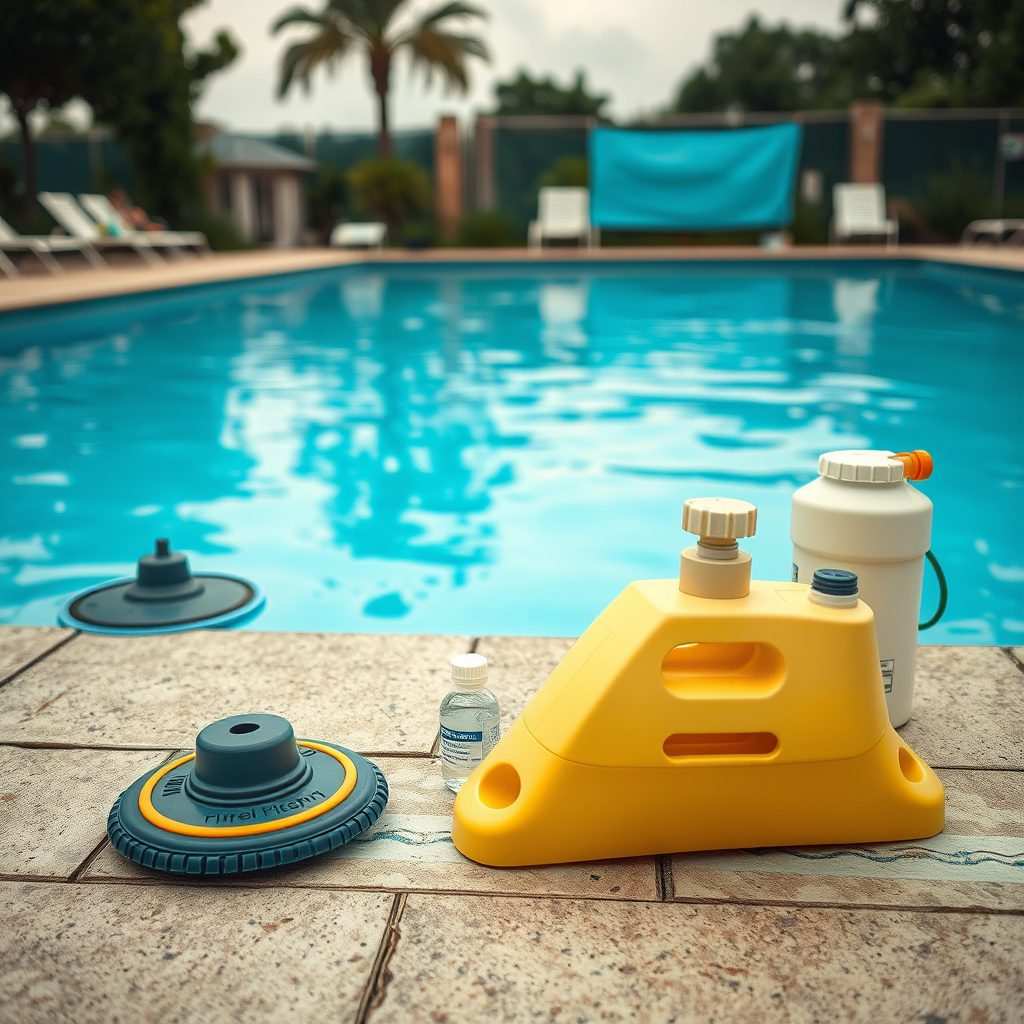
Essential tools for maintaining a clean pool include a skimmer net for debris, a vacuum for the pool floor, a brush for scrubbing walls and tiles, and a test kit to monitor water chemistry. A robotic pool cleaner can also make cleaning easier and more efficient.
Can I use salt instead of chlorine in my pool?
Yes, you can use a saltwater chlorination system instead of traditional chlorine. This system converts salt into chlorine, providing a more stable and gentle form of sanitation. However, regular maintenance and monitoring of salt levels are still necessary to ensure effective cleaning and water balance.