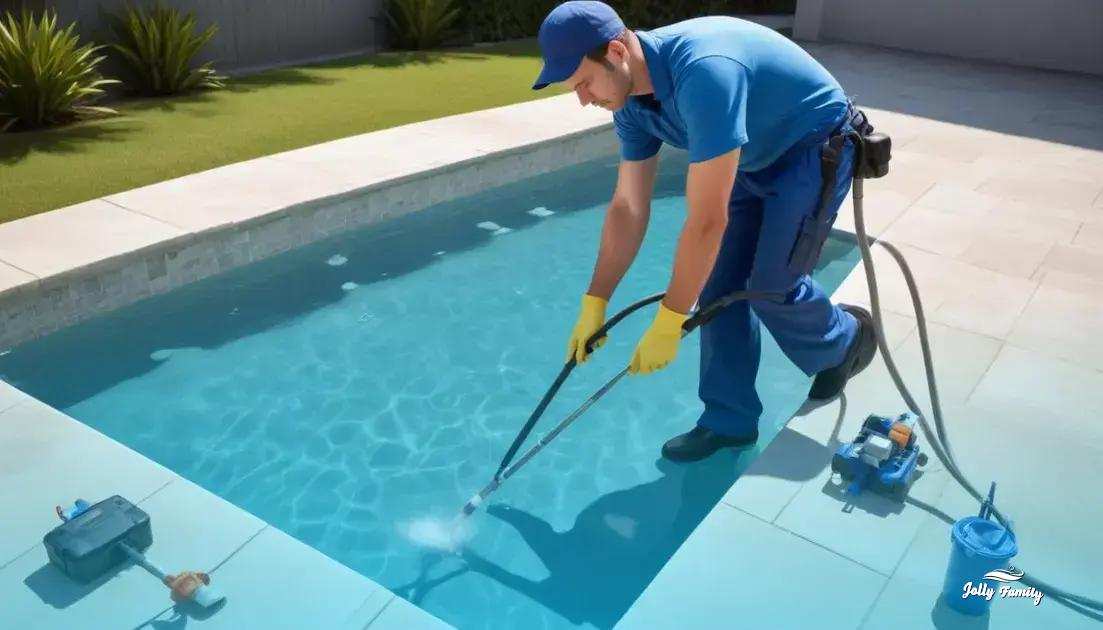

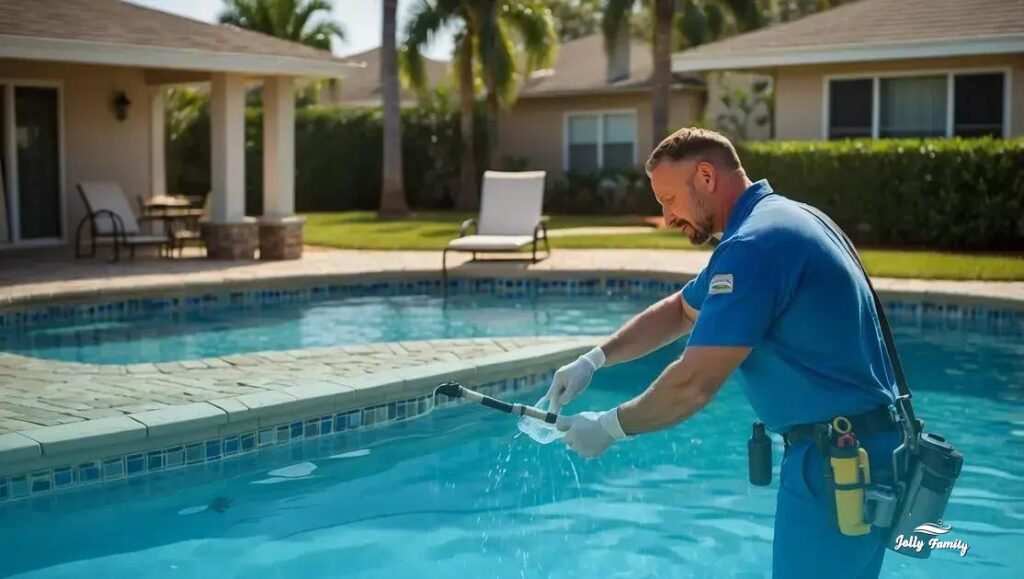
Kissimme pool service clean delivers routine weekly maintenance, precise chemical balancing, filter and pump inspections, stain and algae treatments, and emergency repairs to keep residential pools clear and safe, reducing long-term costs; choose licensed local providers for faster response, documented service reports, and consistent water quality.
Kissimme pool service clean helps busy homeowners keep pools safe and sparkling without the headache. Já pensou em chegar na sua casa e encontrar água cristalina, pronta para usar? Aqui eu mostro práticas simples, o que esperar do serviço e como escolher uma empresa de confiança.
how regular maintenance keeps water crystal clear
Regular maintenance keeps pool water clear by stopping small problems early. Simple weekly tasks remove debris, balance chemicals, and keep equipment working well.
Essential weekly tasks
Skim and brush: remove leaves and bugs from the surface daily or weekly. Brushing walls prevents algae from taking hold. These steps make filtration easier.
Vacuum and clean: vacuum the pool floor to remove settled dirt. Empty skimmer and pump baskets so water flows freely.
Test chemicals: check chlorine and pH at least twice a week. Adjust levels quickly to avoid cloudy water and skin irritation.
Equipment and circulation
Run the pump long enough each day to cycle all the water. Good circulation moves chemicals and prevents dead spots where algae grow. Inspect the pump and filter for leaks or noises.
Monthly and seasonal care
Clean or backwash the filter once a month, depending on use. Shock the pool after heavy storms or high bather load to remove contaminants. In colder months, follow winterizing steps to protect plumbing and gear.
Quick checks that matter
Look for cloudy water, green patches, or foam. These signs mean action is needed now. Quick fixes are cheaper than deep cleans.
Benefits of routine care
Consistent maintenance yields clearer water, lower repair costs, and safer swimming. It also preserves pool surfaces and extends equipment life.
chemical balance: what tests matter and when
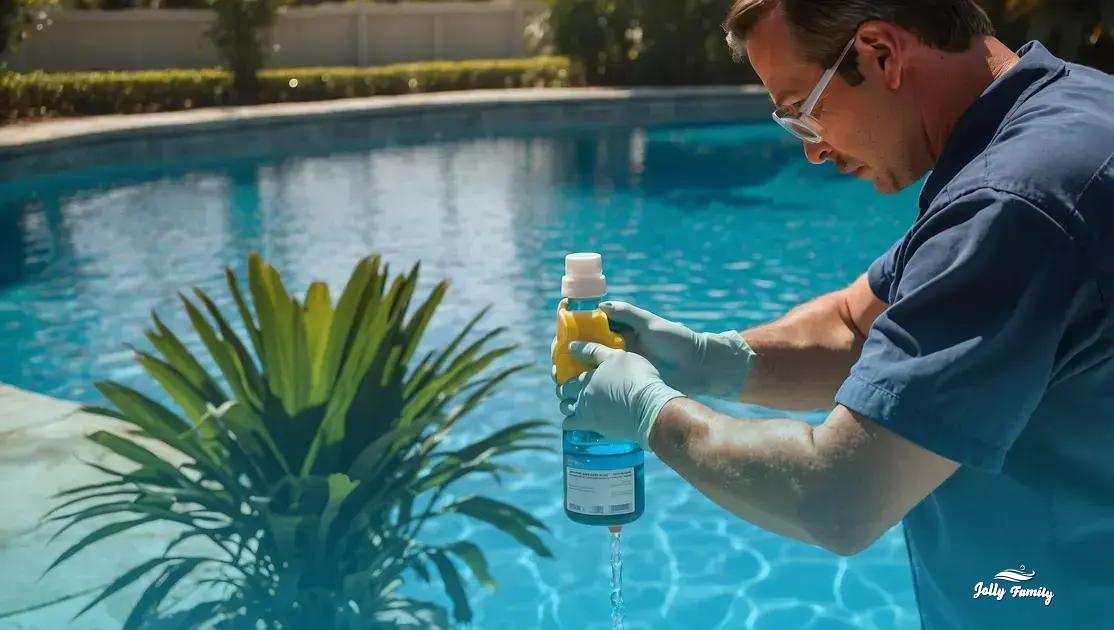
Chemical balance keeps pool water safe, clear, and pleasant to swim in. Simple tests catch problems early and save time and money.
Key tests and target ranges
- pH: aim for 7.2–7.6. pH outside this range causes eye irritation and reduces chlorine effectiveness.
- Free chlorine: keep 1.0–3.0 ppm for regular use; higher after heavy use. This is the active sanitizer.
- Total alkalinity: target 80–120 ppm. It buffers pH and prevents large swings.
- Calcium hardness: 200–400 ppm keeps water from corroding or scaling surfaces and equipment.
- Cyanuric acid (stabilizer): 30–50 ppm for outdoor pools using chlorine to protect it from sun breakdown.
When to test
- Check pH and free chlorine at least 2–3 times per week, more often in hot weather.
- Test total alkalinity and calcium hardness every 1–4 weeks, depending on pool use and local water.
- Measure cyanuric acid monthly or when adding new stabilized chlorine.
- Always test after storms, heavy bather loads, or long periods without service.
How to adjust levels safely
Use specific chemicals for each issue and follow label directions. To lower pH and alkalinity use a pH reducer (acid). To raise pH use soda ash. Raise alkalinity with sodium bicarbonate. Increase calcium with calcium chloride. Stabilizer is added to raise cyanuric acid; lower it by partial draining and refill if too high. Wear gloves, add chemicals to water (never the reverse), and wait a few hours before retesting.
Quick signs that need action
Cloudy water, strong chlorine smell, or itchy skin often point to low free chlorine or pH imbalance. Green tint means algae and needs shock treatment and brushing. Act fast to avoid larger cleanups.
Testing tools and tips
Choose a reliable liquid test kit or quality test strips. Keep records of readings and treatments to spot trends. Consistent testing helps keep equipment safe and swimmers happy.
equipment checks: pumps, filters and skimmers to monitor
Check pool equipment weekly to keep water clear and avoid costly repairs. Focus on pump, filter, and skimmer to catch issues early.
Pump inspection and care
Look at the pump motor and housing for cracks or leaks. Listen for loud or grinding noises and feel for unusual vibration or heat. Ensure the pump stays primed and never runs dry. Inspect seals and O-rings for wear and replace if brittle. Clean the pump strainer basket weekly to prevent clogs. Always turn off power before opening the pump lid.
Filter maintenance
Know your filter type: sand, cartridge, or DE. Check the pressure gauge and backwash sand or DE filters when pressure rises 8–10 psi above the clean reading. Rinse cartridge filters monthly and deep-clean them every 3–6 months. Replace worn gaskets and check for leaks at fittings. Consistent filter care keeps circulation strong and water clear.
Skimmer and baskets
Empty skimmer and pump baskets every few days or after storms. Remove leaves and debris from the skimmer throat so water flows freely. Check the skimmer lid and weir for cracks or sticking; damaged parts reduce safety and performance. A clogged skimmer puts extra strain on the pump.
Signs of trouble
Watch for low flow at returns, air bubbles in the skimmer, steadily rising filter pressure, or the pump frequently tripping the breaker. Visible leaks, warm motor casings, or strange smells are warning signs that need attention.
Simple fixes and safety
Try basic fixes first: clear baskets, tighten hose clamps, and reset breakers. Use the correct replacement parts and follow the manufacturer’s instructions. For safety, shut off power at the breaker before service and wear gloves and eye protection when handling parts or chemicals.
Maintenance schedule and records
Keep a short log with dates, pressure readings, backwash events, and part replacements. Tracking trends helps you spot slow failures and plan professional service before a breakdown. Regular checks extend equipment life and keep the pool running efficiently.
troubleshooting common issues: algae, cloudy water and stains
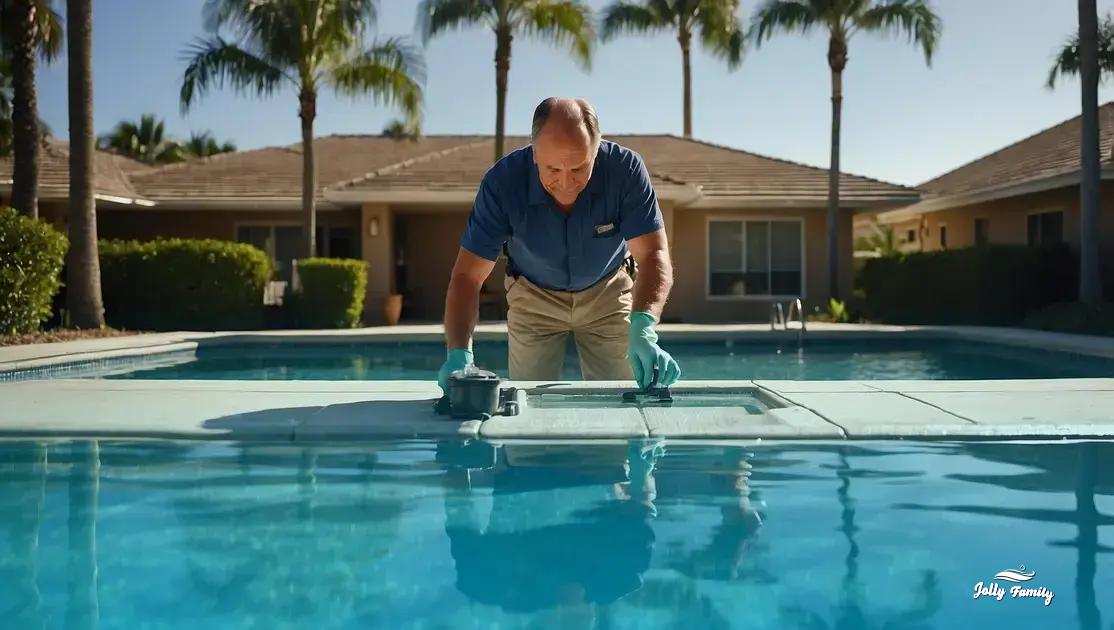
Algae, cloudy water, and stains are the most common pool problems and each has a quick path to diagnosis. Spot the signs early to reduce cleanup time and chemical use.
Identifying the issue
- Algae: green, yellow, or black patches on walls and floor; slimy feel after brushing.
- Cloudy water: reduced clarity, hazy color, even with normal chemical readings; poor circulation or particles are often the cause.
- Stains: brown, rust, or dark spots on plaster, tile, or steps—colors hint at the cause (metals or organic matter).
Quick steps to treat algae
- Brush all surfaces thoroughly to break algae mats and expose them to sanitizer.
- Shock the pool with a high dose of chlorine or non-chlorine oxidizer depending on your sanitizer type.
- Run the filter continuously and backwash or clean when pressure rises.
- Use an algaecide for stubborn blooms and vacuum the dead algae to waste if possible.
Clearing cloudy water fast
- Test and balance pH and chlorine first; imbalance makes clearing slower.
- Clean skimmer and pump baskets and check the filter; poor filtration is a top cause.
- Use a clarifier for fine particles or a flocculant to settle debris for vacuuming to waste.
- Increase run time of the pump until the water clears and readings stabilize.
Treating stains safely
- Identify the stain: metal stains (rusty brown/black) vs. organic (brown/tea-colored).
- Use a metal sequestrant for metal stains and follow label directions.
- For organic stains, apply an oxygen-based stain remover and brush gently; avoid harsh acid on delicate finishes.
- Test any stain remover on a small area first and protect liners and tile edges.
Prevention and routine checks
- Keep a regular schedule: test water, shock as needed, and clean baskets weekly.
- Maintain proper circulation and clean or backwash filters on schedule.
- Limit nutrient sources: remove leaves, rinse swimsuits with sunscreen before entering, and treat runoff after heavy rains.
- Track readings in a log to spot trends before issues grow.
When to call a professional
- Problems persist after standard treatments or you see recurring stains or algae blooms.
- Equipment issues like constant high filter pressure, pump leaks, or poor circulation.
- If you’re unsure about chemical handling or need a deep stain removal that risks damage.
service options: weekly care, one-time deep clean and emergency visits
Weekly care includes regular skimming, brushing, vacuuming, and basic water testing. A technician adjusts chlorine and pH, empties skimmer and pump baskets, and watches filter pressure. Weekly visits prevent small issues from growing and keep water ready for swimming.
One-time deep clean
This service targets heavy buildup or seasonal opening. It may include thorough brushing, stain treatment, deep vacuuming to waste, filter deep-clean or backwash, and a strong shock treatment. Technicians inspect surfaces and equipment and correct underlying causes before finishing.
Emergency visits
Emergency calls cover sudden problems like green water, major pump failure, or a strong algae bloom. A tech will stabilize water, make temporary repairs, or replace failed parts. Fast response reduces damage and avoids costly follow-up work.
What’s typically included and pricing factors
- Included: basic cleaning, chemical dosing, equipment checks, and a brief service report.
- Pricing depends on: pool size, condition, frequency, travel distance, and extra services like stain removal or repairs.
- Add-ons like tile scrubs, heater service, or winterizing are usually billed separately.
How to choose the right option
Pick weekly care if you use the pool often and want low-maintenance ownership. Choose a one-time deep clean for reopening or after storms. Use emergency service for urgent failures. Ask providers about licenses, insurance, and references before hiring.
Scheduling and communication
Good companies offer scheduled windows, clear pricing, and service reports with readings and photos. Confirm how they handle extra repairs and approvals. Regular logs help track trends and plan upgrades when needed.
why choose local family-owned pool care in Kissimmee
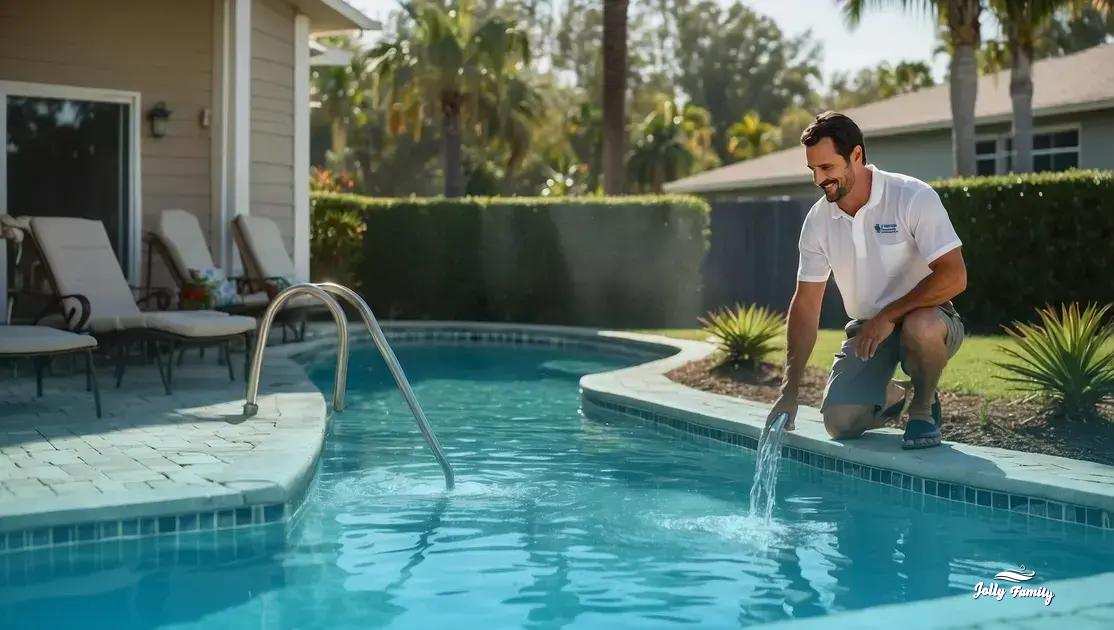
Local family-owned pool care in Kissimmee brings quick, friendly service and deep local knowledge. Owners live in the area and understand how heat, rain, and local water affect pools.
Personalized attention
Smaller teams remember your pool history, preferred chemicals, and schedule. This means fewer surprises and tailored care that fits your routine.
Faster response and reliability
Local crews can reach your home faster for emergency visits or same-week fixes. Quick response helps prevent small problems from becoming big repairs.
Knowledge of local conditions
Technicians who work in Kissimmee regularly know seasonal algae risks, rainy-season runoff, and how local source water affects chemical needs. That expertise speeds troubleshooting and reduces chemical waste.
Community reputation and accountability
Family businesses depend on word of mouth. They often offer clear pricing, references, and a personal guarantee. You can check local reviews and ask neighbors for honest feedback.
Flexible services and clear communication
Expect straightforward service reports, photo updates, and flexible scheduling. Local companies usually handle special requests like tile cleaning or pool openings with less red tape.
Questions to ask before hiring
- Are you licensed and insured?
- Can you provide recent local references?
- What is included in weekly service and extra fees?
- How do you handle emergency calls and repairs?
Choosing a local family-owned team often means better care, faster fixes, and a stronger relationship with the people who maintain your pool.
Final thoughts on keeping your pool crystal clear
Keeping a pool clear is easy when you act early. Small weekly tasks add up and stop big problems before they start.
Skim, brush, test water, and check equipment regularly to keep water safe and save money. Test water weekly and fix imbalances or debris at once.
Use one-time deep cleans or emergency visits for serious issues. Local family-owned teams give faster response and know how Kissimmee weather affects pools.
Make a simple schedule, track readings, and call a trusted technician if problems persist. A little routine care keeps your pool ready for swimming all season.
FAQ – Pool care and Kissimmee pool service clean
How often should I schedule weekly pool service?
Schedule weekly visits year-round if you use the pool often. In hot or stormy seasons, stick to weekly to prevent algae and debris buildup.
What basic tests should be done regularly?
Test pH and free chlorine 2–3 times per week. Check total alkalinity and calcium hardness every 1–4 weeks and cyanuric acid monthly.
What signs show my pump or filter needs attention?
Look for low return flow, air in the skimmer, steady high filter pressure, strange noises, or leaks. These mean service is needed soon.
When should I call for an emergency visit?
Call if the water turns green, the pump fails, there’s a major leak, or chemicals get out of control. Fast response reduces damage.
What affects the price of pool service?
Price depends on pool size, service frequency, condition, travel distance, and extra tasks like stain removal or repairs.
Why choose a local family-owned pool service in Kissimmee?
Local family teams offer faster response, personal attention, and knowledge of Kissimmee weather and water, which helps prevent common local issues.