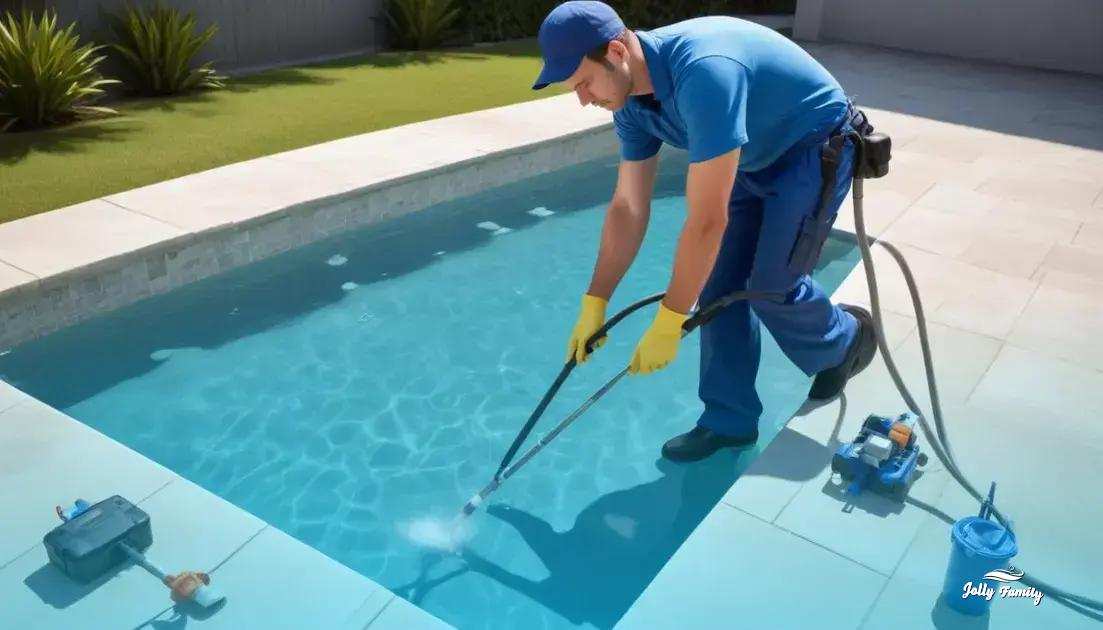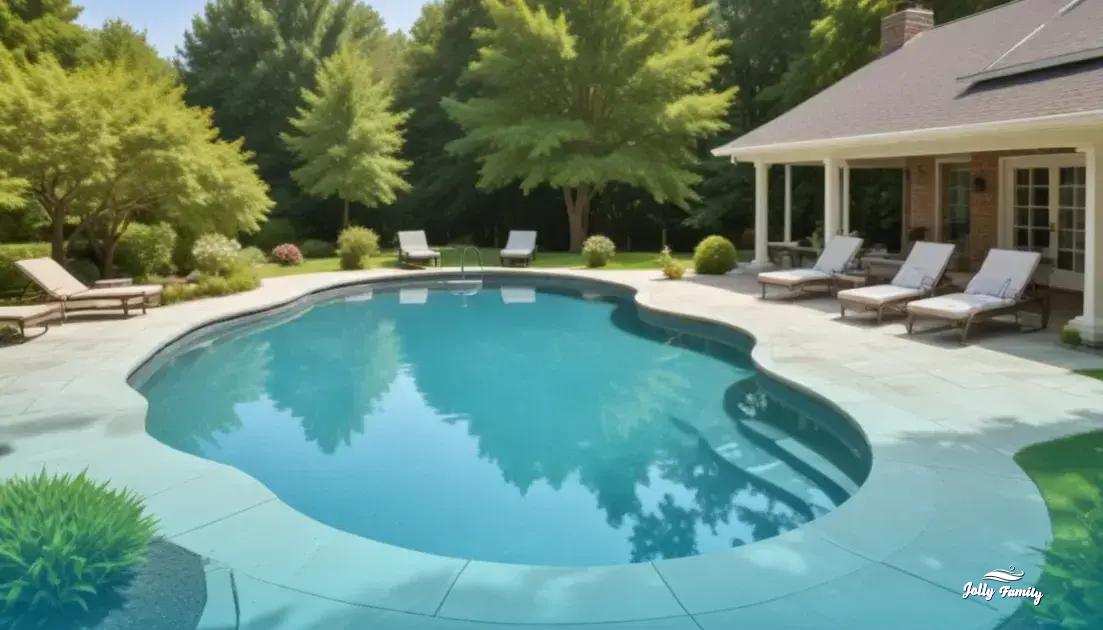

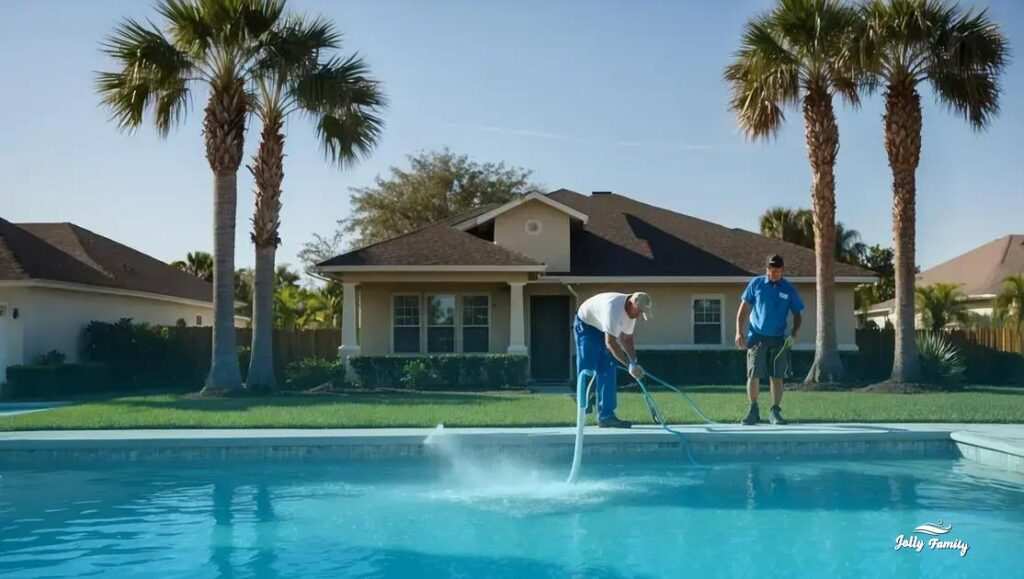
weekly pool cleaning service in Kissimmee provides scheduled professional skimming, brushing, vacuuming, filter maintenance, and chemical balancing to keep water clear, prevent algae, reduce emergency repairs, and ensure guest-ready safety for homeowners and short-term rentals, with documented reports and prompt response to storms or equipment issues.
weekly pool cleaning service in Kissimmee can save time and reduce headaches — have you noticed cloudy water after a rental weekend? With Jolly Family, a trusted Kissimmee team, weekly visits spot issues early so your pool stays safe and guest-ready.
what a weekly pool cleaning includes in Kissimmee
A weekly pool cleaning in Kissimmee covers the routine care your pool needs to stay clear, safe, and ready to use. Technicians follow a focused checklist to prevent algae, stains, and equipment failures.
Weekly checklist
- Skimming and debris removal: remove leaves, insects, and palm fronds from the surface and skimmer baskets.
- Brushing: scrub walls, steps, and the tile line to stop algae from forming.
- Vacuuming: manual vacuum or automatic cleaner to remove settled dirt from the floor.
- Filter and basket care: inspect and clean pump and skimmer baskets; backwash or clean the filter as needed.
- Water testing and chemical balance: measure chlorine, pH, total alkalinity, and adjust chemicals to safe ranges.
- Equipment inspection: check pump operation, timers, heater, pool light, and visible plumbing for leaks or loose fittings.
- Shock and algae treatment: apply shock or algaecide when conditions require it, especially after storms or heavy use.
Local factors in Kissimmee
Warm weather, frequent storms, and local plant debris affect pool care. Heavy rain can dilute chemicals and raise debris. Pollen and palm matter increase cleaning needs. Regular weekly service helps avoid surprises after a storm.
Owner tips and examples
For short-term rentals, test water before each guest arrives and schedule visits earlier in the week. Homes with screened enclosures may need fewer skimming visits but still require chemical checks. If you see cloudy water or green tint, call for an extra visit.
What to expect from a visit
A typical weekly visit lasts 30–60 minutes depending on pool size. Technicians should leave a short report listing chemicals added, equipment issues found, and recommended repairs. Ask for photos or notes when there is unusual wear or damage.
benefits of weekly service for homeowners and short-term rentals
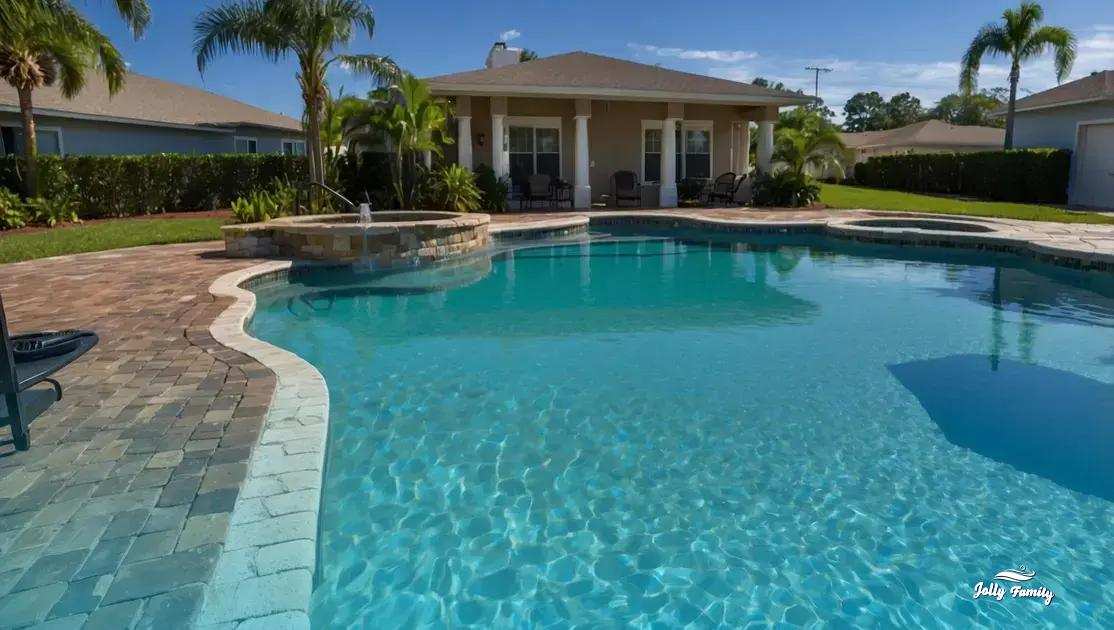
Weekly pool service keeps water clear and reduces surprise problems. Regular care also saves time and helps protect your investment.
For homeowners
Consistent water chemistry prevents cloudy water and staining. Technicians adjust chlorine and pH so you can swim safely without daily testing. Regular cleaning also prevents algae and extends the life of pumps and filters.
- Less time spent on maintenance and more time enjoying the pool.
- Fewer emergency repairs because issues are spotted early.
- Better-looking pool area increases home curb appeal.
For short-term rentals
Clean, reliable pools lead to better guest reviews and fewer complaints. Weekly visits help maintain a guest-ready pool between turnovers and lower the risk of last-minute cancellations due to water issues.
- Faster turnovers: schedule visits before check-in days to ensure the pool is ready for guests.
- Service records and photos can document care for hosts and property managers.
- Fewer guest complaints about water quality or equipment problems.
Practical benefits and expectations
A typical weekly visit lasts 30–60 minutes and includes skimming, brushing, filter checks, and a chemical test. Ask the provider for a short report after each visit so you know what was done and what to watch for.
Local factors like warm weather, pollen, and storms make weekly service especially valuable in Kissimmee. Regular care helps the pool recover quickly after heavy rain and keeps algae from taking hold.
Tips to get the most value
- Coordinate service timing with guest schedules if you rent the home.
- Request clear reports and photos when a technician finds a problem.
- Combine weekly cleanings with seasonal inspections to avoid costly repairs.
how Jolly Family manages chemical balance and pool safety
Jolly Family follows a simple, repeatable routine to keep chemical levels safe and pools clear. Technicians test water, correct imbalances, and inspect safety equipment every visit.
Testing routine
Each visit includes a quick set of tests: free chlorine, pH, total alkalinity, and stabilizer (CYA). Technicians use a digital meter and color strips for a fast, reliable read. Typical target ranges are free chlorine 1–3 ppm, pH 7.2–7.6, and total alkalinity 80–120 ppm. Results are recorded on site.
Adjustments and shock
If levels fall outside the safe band, technicians add measured doses of sanitizer or pH adjusters. For visible algae or after heavy use, they perform a shock treatment and advise when it’s safe to swim again. Small adjustments are made weekly to avoid large swings that harm equipment or finishes.
Sanitizer types and special systems
Jolly Family works with chlorine tablets, liquid chlorine, and salt systems. For salt pools, they check salt ppm and cell operation. They recommend stabilizer levels that protect chlorine from sun loss while avoiding over-stabilization that reduces effectiveness.
Safety checks and equipment care
Technicians inspect pumps, filters, heaters, lights, and visible plumbing. They ensure GFCI protection is present and test basic operation. For rental properties, they also check gates, covers, and alarms to reduce liability.
Record keeping and guest-ready practices
After each visit, a short report notes chemicals added, test results, and any issues. For short-term rentals, Jolly Family can schedule visits before guest arrivals and provide photos or logs so hosts know the pool is guest-ready.
Technicians handle chemicals safely, store treatments off the ground, and follow local disposal rules. If a storm or contamination occurs, they recommend an extra visit and explain the steps to restore balance.
typical weekly checklist: skimming, brushing, filters and equipment checks
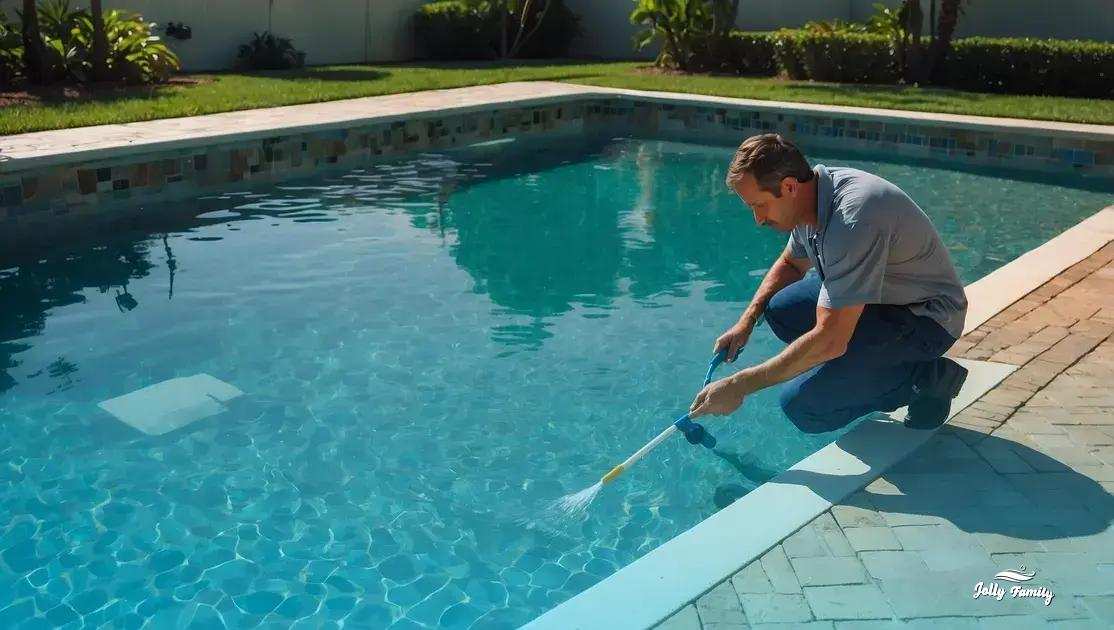
A typical weekly visit follows a short, repeatable checklist to keep your pool healthy and problem-free. Technicians focus on surface cleaning, tile and wall care, filter performance, and a quick equipment inspection.
core tasks
- Skimming: remove leaves, pollen, and debris from the surface and empty skimmer baskets to keep flow steady.
- Brushing: scrub walls, steps, and the waterline to prevent algae and scale buildup.
- Vacuuming: run a manual or automatic vacuum to clear settled dirt from the floor and corners.
- Filter and basket cleaning: inspect and clean pump and skimmer baskets; backwash sand or DE filters or rinse cartridge filters as needed.
filter checks and indicators
Technicians check filter pressure and gauges. A common rule is to backwash when pressure is about 8–10 psi above the clean baseline. They also look for clogged lines, cracked housings, and worn O-rings that can reduce flow or cause leaks.
equipment inspection
- Observe pump operation for steady flow and no abnormal noise.
- Check timer settings, return jets, and valves for proper position.
- Inspect heaters, salt cells, and chlorinators for corrosion or error indicators.
- Look for visible leaks, loose fittings, or electrical issues near the equipment pad; ensure GFCI protection is present.
service timing and reporting
A full weekly visit typically takes 30–60 minutes depending on pool size and condition. Technicians should record actions taken, note pressure readings, and flag items needing repair. Ask for a short report or photo when problems are found.
quick homeowner tips
- Clear large debris before the service visit to speed cleaning.
- Tell the tech about recent storms, heavy use, or guest turnovers.
- Schedule weekly service before guest check-ins for rentals to ensure a guest-ready pool.
Following this checklist keeps small issues from growing into costly repairs and helps pools stay clear and safe between professional visits.
when weekly care isn’t enough: common signs of bigger problems
Some problems need more than weekly cleaning. Watch for clear, recurring signs that point to bigger mechanical, chemical, or structural issues.
persistent cloudiness or green water
Cloudy water that returns after cleaning often means a filter or circulation problem. If the pool turns green despite regular shock and chlorine, algae may be established in pipes, filters, or the surface finish.
equipment indicators
- High filter pressure: pressure that stays 8–10 psi above normal after backwash suggests a clogged or failing filter.
- Pump not priming or losing flow: noisy pump, air in the lines, or low return flow point to seals, impeller damage, or suction leaks.
- Heater or automation faults: repeated error codes, failure to heat, or stuck valves require professional service.
structural and surface problems
Dark stains, pitted plaster, peeling paint, or scaling that spreads despite treatment means the finish or plaster may be failing. Cracks, sinking deck areas, or wet spots near the equipment pad can signal a hidden leak.
chemical instability and frequent dosing
If you must add large amounts of chemicals often, or levels swing wildly after rain or use, there could be source water issues, heavy organic load, or a failing stabilizer/salt cell. Repeated shock treatments that don’t solve the problem usually need a deeper inspection.
safety and rental concerns
For short-term rentals, recurring issues lead to guest complaints, cancellations, and liability risks. Broken gates, faulty alarms, or visible electrical problems are immediate safety concerns that go beyond routine cleaning.
recommended next steps
- Document the problem with photos and pressure or meter readings.
- Request a diagnostic visit rather than another standard cleaning.
- Turn off suspect equipment (for example, heater) if you see leaks or electrical faults.
- Ask the provider for a written estimate for repairs like filter replacement, leak detection, acid wash, or replastering.
These signs help you know when to move from weekly maintenance to repairs or specialist service so small issues don’t become costly emergencies.
how to choose a reliable local provider and what to expect from service
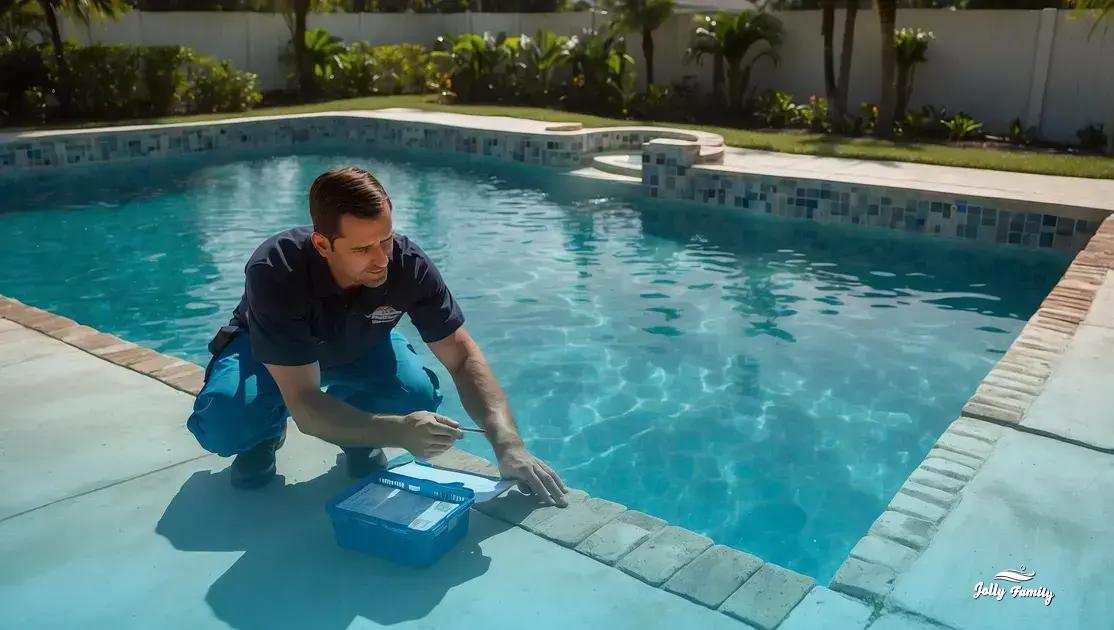
Pick a local pool provider who explains work clearly and shows proof of skills. Look for companies that answer questions, arrive on time, and document each visit.
questions to ask before hiring
- Are you licensed and insured? Ask for insurance proof and worker coverage.
- Do technicians hold a Certified Pool Operator (CPO) or similar credential?
- Can you provide local references or recent reviews from Kissimmee customers?
- What does the weekly service include and what costs extra?
- How do you handle emergency calls and extra visits after storms?
what to expect from regular service
- Technician performs skimming, brushing, vacuuming, filter checks, and a chemistry test each visit.
- A short service report or photo is left behind noting chemicals added and any issues found.
- Clear communication about repairs vs maintenance, with written estimates before major work.
- Respectful staff with ID and basic background checks for access to rental properties.
pricing, contracts, and guarantees
Ask for a written plan that lists weekly tasks, price, and billing cycle. Confirm whether chemicals are included or billed separately. Look for a simple cancellation policy and a satisfaction or workmanship guarantee.
local knowledge and added value
Choose a provider familiar with Kissimmee conditions like heavy rain, pollen, and palm debris. Good companies suggest timing for service around guest check-ins and seasonal inspections to avoid costly repairs.
red flags to avoid
- No proof of insurance or evasive answers about credentials.
- Refusal to provide a written scope, report, or references.
- Pressure to buy unneeded repairs or large chemical treatments without explanation.
When a provider shows clear pricing, leaves reports, and responds quickly to problems, you can expect steady pool condition and fewer surprises.
Final thoughts
Weekly pool cleaning service in Kissimmee helps keep water clear, reduces unexpected repairs, and saves you time. Regular visits catch small problems before they grow.
Watch for signs like cloudy water, high filter pressure, or visible leaks — these often need more than routine cleaning. Ask for a diagnostic visit with photos and a written estimate when issues repeat.
Pick a local, insured provider who leaves short service reports and communicates clearly. For rentals, schedule service before guest check-ins to keep the pool guest-ready.
With steady weekly care and a trusted technician, your pool stays safe, inviting, and less costly to maintain over time.
FAQ – Weekly pool cleaning service in Kissimmee
What does a weekly pool cleaning in Kissimmee include?
A weekly visit typically includes skimming, brushing, vacuuming, filter and basket checks, water testing, chemical adjustments, and a quick equipment inspection.
How long will a weekly service visit take?
Most visits last 30–60 minutes depending on pool size and condition; larger or dirtier pools may take longer.
Are chemicals included in the weekly service price?
It depends on the provider. Some include routine chemicals in the plan while others bill chemicals separately—always confirm in writing.
How do technicians manage chemical balance and safety?
Technicians test free chlorine, pH, and alkalinity each visit, make measured adjustments, perform shock when needed, and inspect safety items like GFCIs and gates.
What signs mean I need more than weekly cleaning?
Look for persistent cloudiness, green water, high filter pressure, loss of pump flow, visible leaks, or recurring chemical swings—these usually need diagnostics or repairs.
How should I choose a reliable local provider?
Choose a licensed, insured company with local references, clear service scope, written reports, timely communication, and technicians with proper credentials like CPO.