
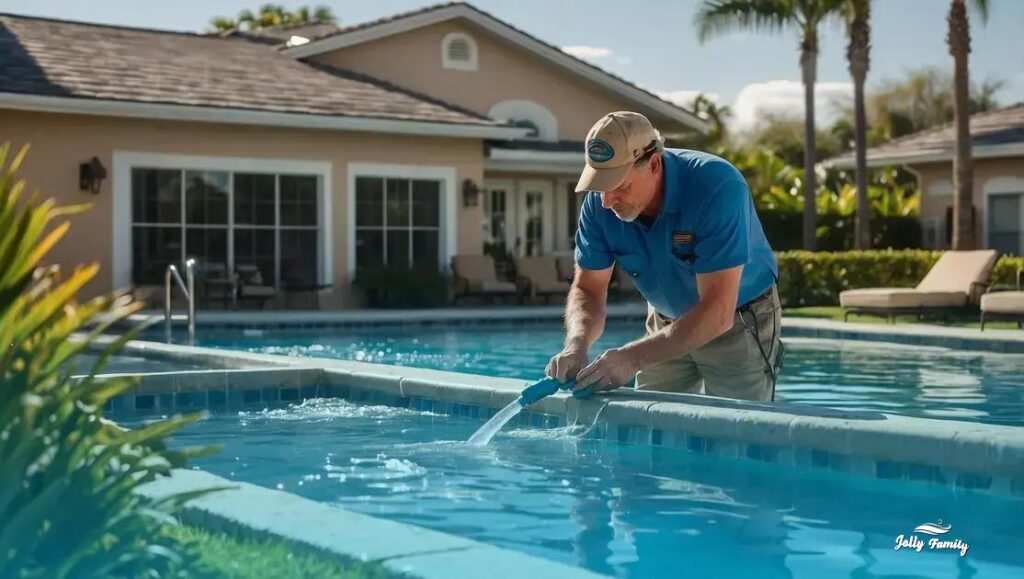
pool maintenance company Orlando area (Kissimmee focus) delivers scheduled weekly cleaning, precise chemical balancing, equipment inspections, and emergency response tailored to Kissimmee weather and rental needs, providing service logs, insured technicians, and transparent pricing to minimize repairs, ensure safety, and keep pools swim-ready for families and guests.
pool maintenance company Orlando area (Kissimmee focus) can feel overwhelming—who should you trust with your family pool? I’ve seen vacation rentals and neighborhood homes wrestle with cloudy water; with Jolly Family, you get steady, safety-minded care that reduces surprises and saves time.
what a local pool maintenance schedule looks like in Kissimmee
In Kissimmee’s heat and frequent rain, a clear pool needs a predictable routine. A local schedule balances weekly cleaning, regular chemical checks, and seasonal tweaks to prevent algae and equipment strain.
Weekly maintenance checklist
Do these tasks every 7 days for most residential pools; rental properties may need checks 2–3 times weekly.
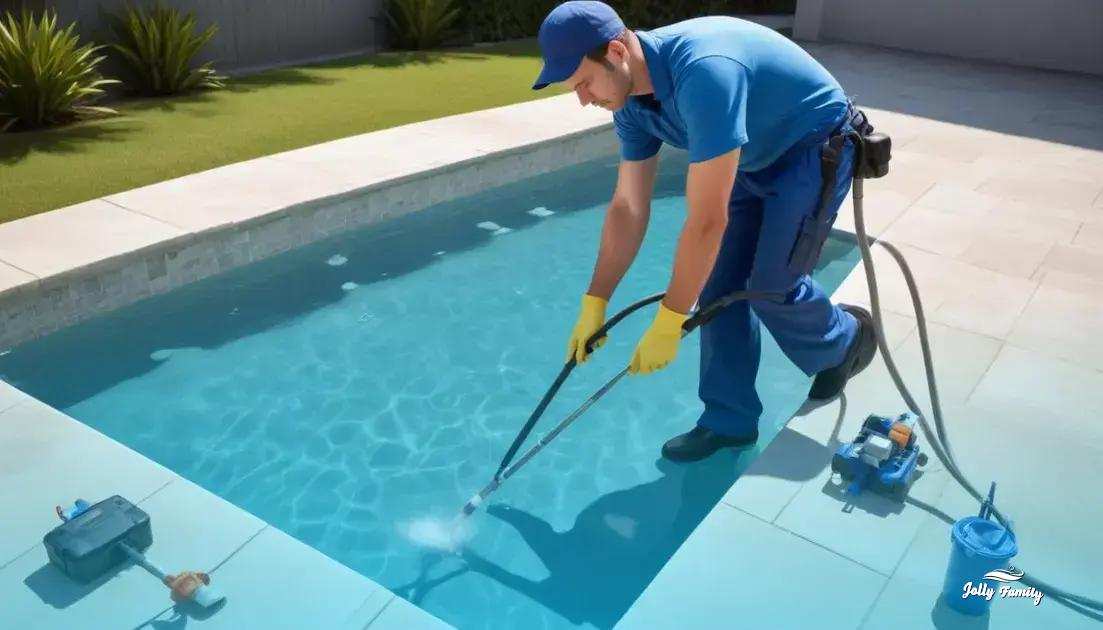
- Skim and remove debris from the surface and skimmer baskets to keep filters efficient.
- Brush walls and steps to stop algae before it forms.
- Vacuum or run an automatic cleaner to clear settled dirt.
- Test water with a reliable test kit: free chlorine, pH, and alkalinity. Adjust chemicals as needed.
- Inspect equipment briefly: pump sounds, filter pressure, heater or chlorinator operation.
Biweekly and monthly tasks
These deeper checks reduce surprises and extend equipment life.
- Backwash or clean filters when pressure rises 8–10 psi above normal.
- Shock the pool or use an oxidizer after heavy rain, parties, or visible cloudiness.
- Test calcium hardness and stabilizer (CYA) monthly to protect plaster and maintain chlorine effectiveness.
- Lubricate O-rings and inspect seals for leaks.
Seasonal adjustments for Kissimmee
Adjust frequency based on weather:
- Summer: check chlorine more often after storms and heat spikes; consider a midweek visit for rentals.
- Rainy season: remove organic debris quickly and monitor filter load after storms.
- Mild winter: keep weekly tests but lower chlorine targets slightly if usage drops.
Time and cost expectations: typical weekly visits take 30–60 minutes for a standard residential pool; deep cleanings or repairs take longer. Clear logs of service and chemical doses help track trends and avoid repeated fixes.
When to call a pro
Hire a technician if you see persistent cloudiness, algae that won’t clear, strange equipment noises, or repeated chemical swings. Professionals can perform equipment diagnostics, acid washes, and complex repairs safely.
Keeping a simple checklist and brief service notes makes local maintenance predictable and keeps your Kissimmee pool ready to swim.
chemical balance: simple tests, targets and quick fixes
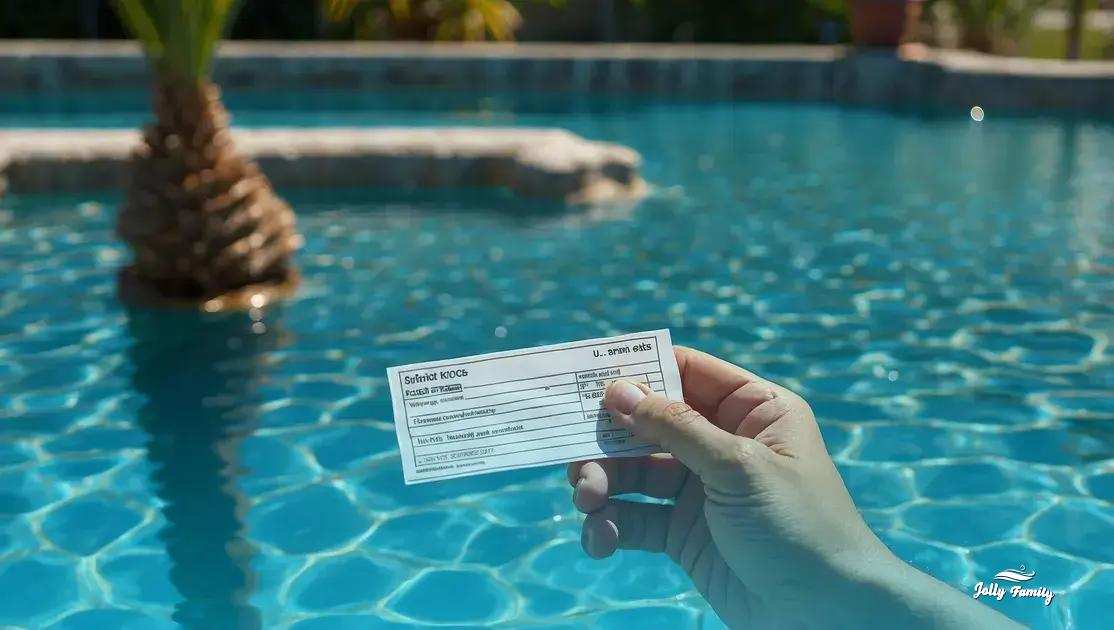
Simple tests keep your pool safe and clear. Use a liquid drop kit or test strips to check levels. Read results in bright light and record them.
essential test targets
- Free chlorine: 1.0–3.0 ppm for most residential pools; 3.0–5.0 ppm for heavy use or rentals.
- pH: 7.2–7.6 keeps water comfortable and chlorine effective.
- Total alkalinity: 80–120 ppm to stabilize pH swings.
- Calcium hardness: 200–400 ppm to protect plaster and tile.
- Cyanuric acid (stabilizer): 30–50 ppm for outdoor pools using chlorine.
quick fixes and how to apply them
- Low chlorine: add liquid chlorine or granular sanitizer; retest after 1 hour and again later.
- High chlorine: let sun reduce levels or use a chlorine neutralizer for urgent needs.
- Low pH: add soda ash (sodium carbonate) a little at a time, brush and retest after 2–4 hours.
- High pH: add muriatic acid or sodium bisulfate carefully, dilute if recommended, then retest.
- Low alkalinity: add sodium bicarbonate slowly to raise alkalinity without big pH swings.
- Low calcium: add calcium chloride if plaster or surface scaling is a concern.
- Algae or cloudy water: shock the pool with a chlorine boost or non-chlorine oxidizer and run the filter continuously until clear.
testing routine
Test free chlorine and pH at least twice a week in Kissimmee heat; check alkalinity and stabilizer monthly. After storms or heavy use, test daily until stable.
practical tips
- Always follow product directions and add chemicals to water, not water to chemicals.
- Make small adjustments and wait to retest; large swings can cause more problems.
- Keep a simple log of readings and doses to spot trends and prevent repeated fixes.
safety reminders
Wear gloves and eye protection when handling chemicals. Store supplies in a cool, dry place away from children and pets. Never mix acid and chlorine.
preventive maintenance that avoids costly repairs
Routine care prevents small faults from turning into costly fixes. Simple checks catch wear early and keep equipment running longer.
daily and weekly checks
- Empty skimmer and pump baskets weekly to maintain flow and reduce strain on the pump.
- Look for leaks or drips around the pump, filter and heater; note any wet spots or unusual puddles.
- Listen to the pump for grinding or high-pitched noises that signal bearing or motor trouble.
- Check filter pressure and backwash or clean when pressure rises 8–10 psi above normal.
monthly and seasonal tasks
- Inspect seals and O-rings and replace cracked parts before they fail.
- Clean or replace filter cartridges on schedule to avoid poor circulation and chemical issues.
- Test equipment operation — valves, timers, heaters, and chlorinators — to catch intermittent failures.
- Flush salt cells or clean heaters as recommended to extend life and efficiency.
parts and small repairs that save money
Replacing a worn O-ring, a cracked valve, or a corroded clamp is inexpensive compared to a seized pump or damaged heater. Keep a small stock of common parts like O-rings, unions, and clamps to speed repairs.
recordkeeping and service logs
Track dates, pressure readings, parts replaced, and chemical notes. A simple log helps spot patterns and supports warranty claims with vendors.
when to call a professional
- Persistent low flow or sudden pressure drops.
- Electrical issues, burning smells, or motor overheating.
- Visible structural leaks or equipment mounted below water level.
- Complex tasks like acid washing, heater repairs, or plumbing fixes.
Safety tip: always turn off power at the breaker before working on pumps or heaters and wear eye protection when handling parts or chemicals.
seasonal tips for Florida pools: heat, rain and algae control
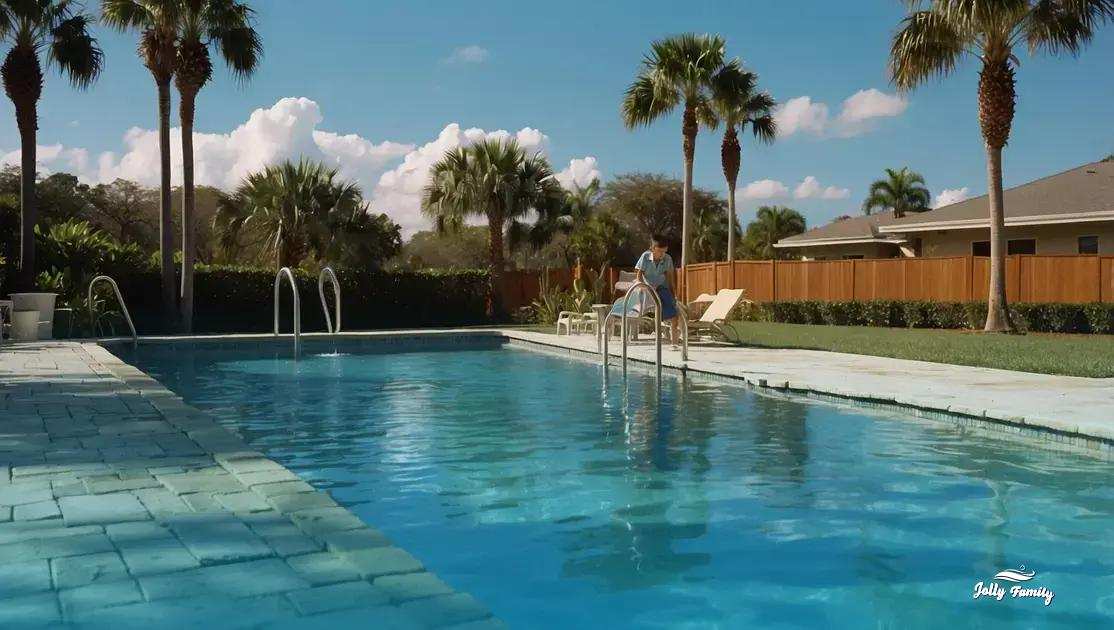
Florida weather changes fast. Adjust your routine for heat, heavy rain, and algae risk to keep water clear and equipment healthy.
summer heat tips
- Test water more often: check free chlorine and pH at least twice a week; daily for heavy use.
- Run the pump longer: aim for 8–12 hours daily in hot months to keep water moving and chlorine distributed.
- Raise chlorine slightly after spikes in use: keep free chlorine near 2–4 ppm for busy pools.
- Shade and swim times: offer shade and avoid peak sun to reduce chlorine loss and overheating.
rainy season and storm handling
- Remove debris quickly after storms to lower filter load and cut algae food.
- Test after heavy rain: storms dilute sanitizer and change pH; retest daily until stable.
- Clean filters and skimmer baskets soon after runoff to restore flow and clarity.
- Secure loose items and chemicals before a storm; follow product guidance for safe storage.
algae prevention and control
- Brush pool surfaces weekly to stop algae from taking hold.
- Maintain sanitizer and circulation: algae struggles in water with steady chlorine and good flow.
- Shock and run filter if you spot algae: boost chlorine or use an oxidizer and run filtration continuously until clear.
- Use algaecide selectively for recurring blooms, and follow label directions carefully.
practical equipment and chemical notes
- Keep stabilizer (CYA) around 30–50 ppm for outdoor pools to protect chlorine from sun.
- Backwash or clean filters when pressure rises 8–10 psi over normal.
- Record readings and treatments to spot trends and avoid repeated fixes.
Quick reminder: small, regular actions beat emergency fixes. Consistent checks after heat or rain keep your Kissimmee pool swim-ready.
safety and sanitation for family homes and short-term rentals
Keep swimmers safe by combining regular sanitation with visible safety measures. Both family pools and short-term rentals need clear routines and records.
sanitation essentials
- Maintain sanitizer: free chlorine 1.0–3.0 ppm for homes, 2.0–4.0 ppm for heavy-use rentals; test often and record results.
- Balance pH and alkalinity: pH 7.2–7.6 and total alkalinity 80–120 ppm to maximize sanitizer effectiveness.
- Stabilizer and hardness: keep cyanuric acid 30–50 ppm for outdoor pools and calcium hardness 200–400 ppm to protect surfaces.
- Shock routinely: shock after heavy use, visible cloudiness, or following storms; follow product directions and run the filter until clear.
- Filter and circulation: ensure proper turnover time and clean filters or backwash when pressure rises to keep contaminants out of the water.
guest turnover checklist for short-term rentals
- Test and log free chlorine and pH before guest arrival; retest after departure.
- Skim debris, empty skimmer baskets, and run the pump at full schedule between stays.
- Remove toys and personal items, replace or launder pool towels, and check for visible hazards on the deck.
- Leave a clear service log or digital record so hosts and cleaners can confirm maintenance steps were completed.
safety measures for families and guests
- Barriers and gates: install a four-sided fence with a self-closing, self-latching gate for family homes and rentals.
- Active supervision: designate a responsible adult whenever children swim; avoid distractions like phones.
- Rescue gear and alarms: keep a life ring, reaching pole, and door or gate alarms accessible and tested.
- Clear rules: communicate simple pool rules to guests—no running, no glass, and no unsupervised children.
handling contamination and incidents
- Remove swimmers immediately if contamination occurs. Clear solids with a net and dispose properly.
- Follow label instructions to disinfect after incidents; run filtration continuously and retest until readings return to safe targets.
- If unsure, contact a professional technician to advise on hyperchlorination or specialized cleaning.
recordkeeping and legal considerations
- Keep a log of chemical readings, service visits, and guest turnovers; timestamps and photos help resolve disputes.
- Check local codes for barrier and equipment requirements for rentals to reduce liability.
- Personal safety: wear gloves and eye protection when handling chemicals and store them locked, dry, and away from children.
choosing a reliable partner: questions to ask Jolly Family and other pros

Asking the right questions helps you compare companies and avoid surprises. Keep each question short and ask for clear answers.
key questions to ask
- What licenses and certifications do you hold for pool service in Florida?
- Are you insured for liability and worker’s compensation? Can you provide proof?
- What services are included in a regular visit and what costs extra?
- How often will you test water and send reports or logs?
- Do you offer emergency or same-day service for equipment failures?
- Who performs repairs—your crew or a subcontractor—and what warranties apply?
verify credentials and track record
- Check references: ask for recent clients in Kissimmee and call them.
- Read reviews: look for consistent praise about punctuality and results.
- Ask about training: how technicians stay current with chemicals and equipment.
service terms and communication
- Request a written service agreement that lists tasks, frequency, and response time.
- Ask how you receive reports—paper, email, or an app—and how detailed they are.
- Clarify cancellation and rescheduling policies for busy seasons or storms.
pricing and transparency
- Get a clear breakdown: routine maintenance, one-time services, chemical costs, and parts.
- Ask about flat-rate plans versus per-visit billing and any setup fees.
- Request estimates in writing and check if prices vary by pool size or complexity.
warranties, safety and legal points
- Confirm warranties on repairs and installed parts, and who handles follow-up.
- Ask about chemical handling and storage practices to ensure safety.
- For rentals, verify the company understands local codes and can provide documentation for guests.
quick hiring checklist
- Compare 2–3 quotes and written agreements.
- Verify insurance and ask for references you can call.
- Start with a trial month and review logs before signing long contracts.
Final steps to keep your Kissimmee pool ready
Keeping a pool clear and safe in Kissimmee comes down to routine, records, and the right partner. Weekly checks, proper chemical balance, and seasonal tweaks stop most issues before they grow.
Keep a simple log, test often, and handle small fixes quickly. For short-term rentals, add guest turnover checks and clear safety rules. Call a licensed pro for persistent cloudiness, strange equipment sounds, or major repairs.
Consistent care saves time and money: small actions now reduce costly repairs later and keep swimmers safe. Start with a checklist you can follow every week.
FAQ – Pool maintenance company Orlando area (Kissimmee focus)
How often should I schedule routine pool maintenance in Kissimmee?
Schedule weekly visits for most residential pools; rentals or heavy-use pools may need service 2–3 times per week, and after storms or events.
What are the basic chemical targets I should track?
Keep free chlorine 1.0–3.0 ppm (2.0–4.0 ppm for rentals), pH 7.2–7.6, alkalinity 80–120 ppm, calcium 200–400 ppm, and CYA 30–50 ppm.
What should I do after heavy rain or a storm?
Skim debris, empty skimmer baskets, test sanitizer and pH daily until stable, and clean or backwash filters as needed to restore circulation.
When should I call a professional technician?
Call a pro for persistent cloudiness, algae that won’t clear, strange pump noises, electrical issues, or any structural leaks and complex repairs.
How can I keep short-term rental pools safe for guests?
Test and log chemicals before and after stays, skim and run the pump between guests, provide clear safety rules, and keep rescue gear and barriers in place.
What should I verify when hiring a pool maintenance company?
Ask for licenses, proof of insurance, written service agreements, references from local clients, clear pricing, and warranty terms for repairs.