

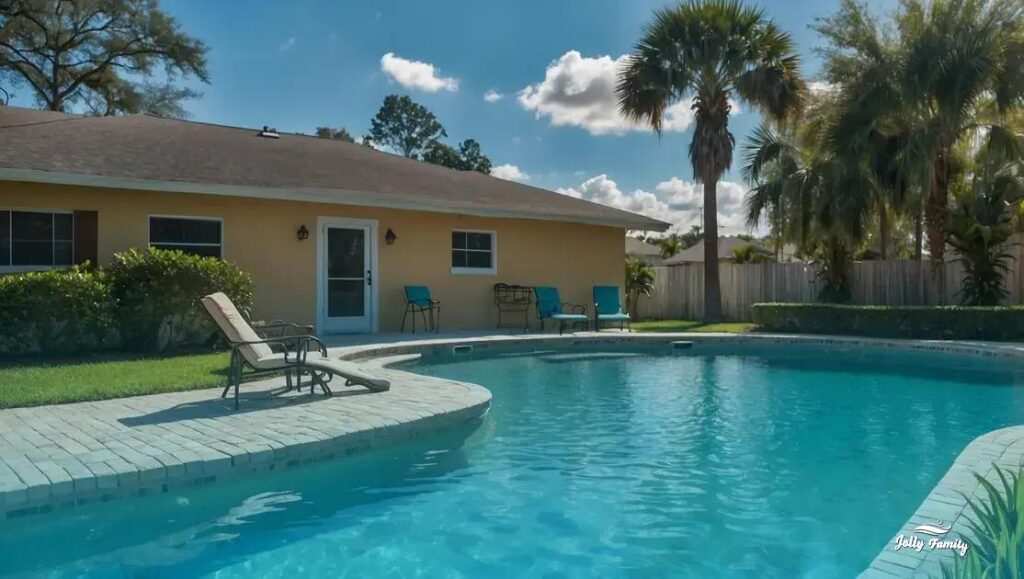
pool maintenance costs per month in Kissimmee typically range from $30 to $300 depending on service level, pool size, equipment age, and seasonal demands; expect DIY ownership costs near $30–$70, basic weekly professional service $80–$150, and higher expenses for repairs, heaters, or salt-system replacements.
pool maintenance costs per month in Kissimmee; curious what local homeowners actually pay? I map out typical fees, seasonal surprises, and practical ways Jolly Family helps you plan and cut costs without guesswork.
Typical monthly cost breakdown for Kissimmee pools
Costs for a Kissimmee pool can change a lot with size, season, and how often you service it. Expect clear ranges rather than one fixed price.
Monthly service tiers and typical ranges
Simple DIY upkeep: $30–$60 — mostly chemicals and extra electricity. Basic professional service: $80–$150 per month for weekly visits. Full service or large pools: $150–$300+ when repairs, equipment care, or frequent cleanings are needed.
What a basic professional service usually includes
- Weekly skimming and vacuuming to remove debris.
- Filter inspection and backwash as needed.
- Chemical testing and dosing to keep pH and chlorine balanced.
- Minor equipment checks and simple adjustments.
Additional monthly costs to expect
Chemicals beyond routine dosing can add $10–$40. Pump and heater electricity often runs $10–$50 monthly depending on use. Salt cell replacement, unexpected repairs, or part replacements can add an amortized $10–$40 each month if averaged over a year.
Key factors that drive monthly price changes
Pool size and surface type affect chemical needs. Older equipment raises repair risk. Heavy landscaping or nearby trees increase cleaning time. Seasonal heat and storms in Kissimmee can spike algae growth and service frequency.
Practical ways to lower your monthly bill
- Use a solar or insulated cover to cut evaporation and chemical loss.
- Upgrade to an energy-efficient variable-speed pump to reduce power use.
- Stick to a simple testing routine so you avoid overuse of chemicals.
- Combine occasional DIY tasks with scheduled pro visits to save labor costs.
- Get a clear, itemized quote to spot hidden fees and negotiate service frequency.
Key factors that drive your monthly bill
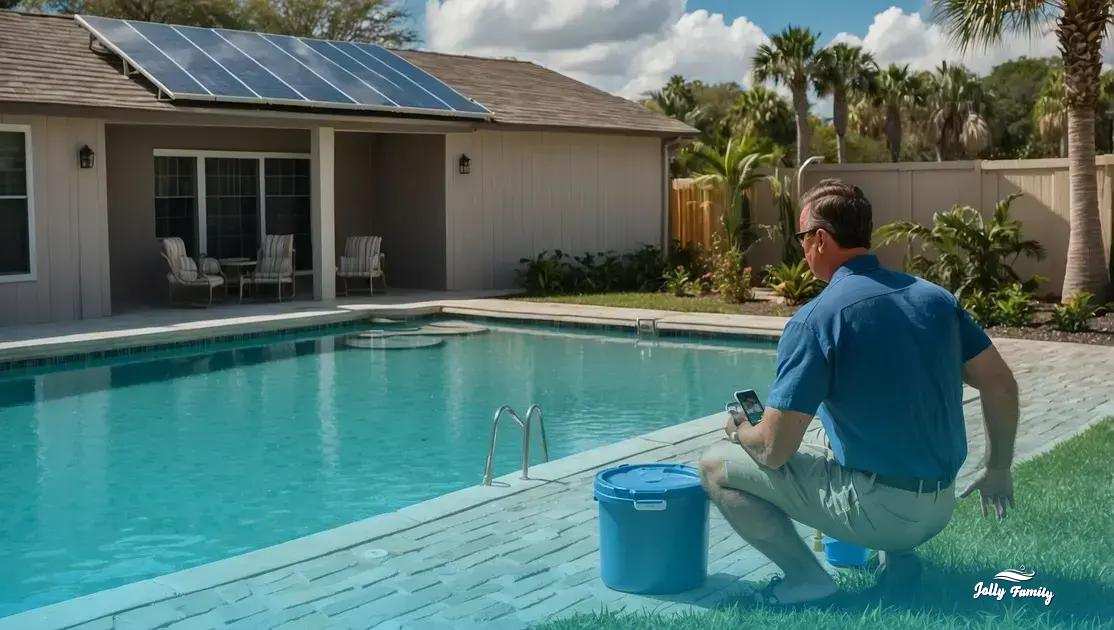
Several clear factors change your monthly pool bill. Each one can raise or lower costs, so it helps to know what to watch.
Pool size and surface
Larger pools need more water, chemicals, and pump time. Rough or porous surfaces absorb chemicals faster. A small plaster pool usually costs less to maintain than a large pebble or tile pool.
Equipment age and efficiency
Older pumps and filters run longer and use more electricity. Variable-speed pumps and modern filters cut energy use and can lower monthly bills. Worn parts also cause poor performance and higher chemical use.
Service frequency and labor
Weekly professional visits cost more than monthly or biweekly checks. More frequent cleanings are needed with heavy debris or many swimmers. Decide which tasks you can do yourself to reduce labor charges.
Chemicals, bather load, and water balance
High bather load and unbalanced water increase chlorine and shock needs. Salt systems, chlorine tabs, or liquid chlorine each have different costs. Testing often helps avoid overuse of chemicals.
Climate, seasonality, and covers
In Kissimmee, heat speeds evaporation and algae growth, raising chemical and refill needs. Storms bring debris and extra cleaning. Using a solar or insulated cover cuts evaporation and chemical loss, especially during hot months.
Hidden issues: leaks, filters, and backwash
Small leaks waste water and raise pump run time. Clogged filters force longer circulation and more chemicals. Regular backwash and timely repairs prevent surprise spikes in your bill.
Ways to control monthly costs
- Upgrade to a variable-speed pump to save energy.
- Use a pool cover to reduce evaporation and chemical use.
- Test water weekly and add chemicals only as needed.
- Combine DIY tasks with scheduled pro visits to cut labor costs.
- Inspect equipment seasonally to catch small repairs early.
Chemicals, equipment and routine supplies explained
Pools need a few core chemicals and reliable gear to stay safe, clear, and cost-effective. Knowing what each item does helps you budget better.
Chemicals and typical monthly costs
Common chemicals include chlorine, pH adjusters, shock, and algaecide. Expect $10–$40 per month for routine dosing on average pools. Specifics:
- Chlorine: tablets, liquid, or salt systems. Tablets are affordable; liquid acts fast. Monthly cost varies by swimmer load.
- pH and alkalinity balancers: small, regular adjustments keep water safe and reduce chlorine waste.
- Shock and algaecide: used after storms or heavy use. These add occasional spikes to your bill.
- Stabilizer and clarifiers: help protect chlorine from sun and clear cloudy water; costs are usually minor but useful.
Essential equipment and upkeep
Equipment affects monthly costs more than chemicals. Better gear runs less power and needs fewer repairs.
- Pumps: variable-speed pumps save energy and cut electric bills compared to single-speed units.
- Filters: cartridge, sand, or DE filters each need different care. Cartridges need replacement less often but must be cleaned.
- Heaters and heat pumps: raise costs when in use; gas heats fast, heat pumps are more efficient over time.
- Salt chlorinators and automation: lower chemical handling but need cell replacements periodically.
- Covers and skimmers: reduce debris and evaporation, which lowers chemical and refill costs.
Routine supplies and small extras
Keep a small stock of testing supplies and tools. These avoid emergency purchases and save money.
- Test strips or liquid test kits for weekly checks.
- Pool brush, leaf net, and vacuum head for basic cleaning.
- Replacement cartridges, o-rings, and hoses as spare parts.
- Gloves and basic dosing containers for safe handling.
How costs add up and practical tips
Some items are monthly, others are occasional but costly. Spread big costs by planning and simple upgrades.
- Buy chemicals in bulk for lower unit price.
- Balance water regularly to avoid overuse of chlorine.
- Install a solar or insulated cover to cut evaporation and chemical loss.
- Choose a variable-speed pump and set proper run times to save energy.
- Keep basic supplies on hand to avoid urgent, expensive purchases.
DIY upkeep vs professional service: cost comparison
Deciding between DIY upkeep and professional service affects both money and time. Know what each option costs and what you get.
DIY upkeep: typical costs and effort
DIY owners buy chemicals, testing kits, basic tools, and pay for extra electricity and water. Monthly supplies often run $30–$70 for an average pool. Time matters: expect 1–3 hours per week for skimming, testing, and basic vacuuming.
Professional service: typical costs and benefits
Professional companies charge for labor, travel, and parts. Standard weekly service often costs $80–$150 per month and includes skimming, filter checks, and chemical balancing. Pros spot issues early and handle repairs, which can prevent bigger bills.
Side-by-side cost factors
- Labor: DIY trades time for lower cash outlay. Professionals bill for skilled labor.
- Equipment and parts: DIY may delay replacements. Pros may include small part swaps or discounted parts.
- Consistency: Pros follow schedules and logs; DIY can be uneven, raising chemical and repair needs.
- Emergency repairs: Professionals often have faster access to parts and technicians.
When DIY makes sense
If you enjoy hands-on work, have a small pool, and can follow a routine, DIY saves money. Keep testing weekly and track chemical use to avoid costly mistakes.
When professional service is better
Choose pros if you have a large or complex pool, frequent guests, or limited time. A professional plan may cost more monthly but reduce surprise repair expenses.
Smart hybrid approach
Combine both: handle weekly skimming and testing yourself, and schedule a pro visit every few weeks for deep clean and equipment checks. This cuts labor costs while keeping expert oversight.
Seasonal spikes, repairs and hidden expenses to expect
In Kissimmee, weather and wear create sudden spikes in pool costs. Storms, heat, and age can turn a small monthly bill into a large one fast.
common seasonal spikes
- Summer algae and heat: Hot months speed algae growth and evaporation, raising chemical and refill needs.
- Storm cleanup: Heavy rains and winds bring debris and can require extra cleanings or a shock treatment.
- Fall leaf influx: Nearby trees add skimming time and filter clogs as leaves fall.
typical repairs and rough cost ranges
Some repairs are common and can be expensive if not planned for:
- Pump motor replacement: $300–$900 depending on model and labor.
- Filter repair or replacement: $150–$800 based on type (cartridge, sand, DE).
- Salt cell replacement: $300–$700 every few years for salt systems.
- Heater fixes: $200–$1,200 depending on gas or electric units.
- Leak detection and repair: $150–$1,000+, as locating and fixing leaks varies widely.
hidden monthly expenses to watch
- Extra water to refill after backwash or leaks can add $10–$50 per month.
- Disposal or recycling fees for old parts and chemical containers may appear occasionally.
- Diagnostic or service call fees for out-of-hours or emergency visits.
- Higher electricity bills from inefficient pumps or extended run times.
practical budgeting tips
- Keep an emergency pool fund equal to at least 2–3 months of your average bill.
- Schedule a seasonal inspection to catch small issues early and avoid big repairs.
- Consider a service plan with clear, itemized fees to reduce surprise charges.
- Use a pool cover and routine testing to limit chemical spikes after storms and during heat.
how to reduce surprise costs
Review invoices and ask for parts lists. Track seasonal trends to predict spikes. Small, regular investments in equipment and inspections often save money over time.
How Jolly Family helps lower your monthly pool costs

Jolly Family helps lower monthly pool costs by combining routine care, smart upgrades, and clear pricing. Their approach focuses on preventing big repairs and cutting energy and chemical waste.
tailored maintenance plans
They offer flexible plans for weekly, biweekly, or monthly visits. Custom schedules match your pool size and use. Fewer unnecessary visits mean lower labor costs without sacrificing water quality.
preventive inspections and small repairs
Regular checks catch worn parts early. Technicians replace small items before they fail. That reduces costly emergency repairs and keeps bills steady.
energy and equipment recommendations
Jolly Family advises on upgrades like variable-speed pumps and efficient filters. They estimate run times and show how a pump change can cut electricity by up to 20–40% for many homes.
bulk chemicals and smart dosing
They source chemicals in bulk and use precise testing to avoid overuse. Smart dosing lowers monthly chemical spend and keeps water balanced longer.
transparent, itemized billing
Invoices list labor, parts, and supplies so you see where money goes. Clear quotes help you compare plans and avoid hidden fees.
hybrid options and homeowner training
For owners who want to save time and money, Jolly Family offers hybrid plans: you handle simple weekly tasks and they provide deeper cleanings and seasonal checks. They also teach basic testing and care to reduce mistakes that raise costs.
- Seasonal tune-ups to prevent spikes.
- Amortized equipment replacement plans to smooth big costs.
- Emergency support with clear call-out fees.
Wrapping up pool maintenance costs in Kissimmee
Typical monthly costs range from about $30 to $300 depending on service level, pool size, and equipment. Regular testing, a good cover, and an energy-efficient pump can cut bills noticeably.
Doing basic tasks yourself saves money if you have the time, while a pro brings consistency and finds small issues before they become costly. Expect seasonal spikes from heat and storms and keep an emergency fund of 2–3 months of average costs.
A hybrid plan or a trusted local provider can lower long-term expenses through preventive care, bulk chemicals, and clear pricing. Small upgrades and steady upkeep usually pay for themselves over time.
Plan ahead, test weekly, and pick the mix of DIY and professional help that fits your schedule and budget to keep your pool healthy and costs steady.
FAQ – Pool maintenance costs per month in Kissimmee
What is the typical monthly cost for pool maintenance in Kissimmee?
Most homeowners pay between $30 and $300 per month depending on DIY vs professional service, pool size, and equipment needs.
Does DIY maintenance really save money?
Yes, DIY can cut monthly cash outlay to about $30–$70, but it requires 1–3 hours weekly and consistent testing to avoid costly mistakes.
What does a basic professional service include and cost?
Basic pro service usually costs $80–$150 per month and covers weekly skimming, chemical balancing, filter checks, and minor adjustments.
How can I lower my monthly pool bill without losing water quality?
Use a solar or insulated cover, install a variable-speed pump, buy chemicals in bulk, test weekly, and combine DIY tasks with occasional pro visits.
What seasonal or hidden expenses should I expect in Kissimmee?
Heat, storms, and leaves can raise chemical and cleaning needs; expect occasional costs for repairs, extra water, and emergency service calls.
How should I budget for repairs and unexpected costs?
Keep an emergency fund equal to 2–3 months of your average bill, schedule seasonal inspections, and consider amortized replacement plans for big equipment.