
residential pool maintenance Kissimmee ensures safe, clear backyard pools with a weekly routine: skim and brush, test pH/chlorine and adjust alkalinity and calcium hardness, clean filters and baskets, run the pump enough hours, and schedule pros after storms or persistent cloudiness.
residential pool maintenance Kissimmee often feels like a mystery for homeowners. At Jolly Family, we share simple routines and quick checks you can do to keep water clear and safe. Ready to see what actually helps?
assessing your pool’s weekly maintenance needs
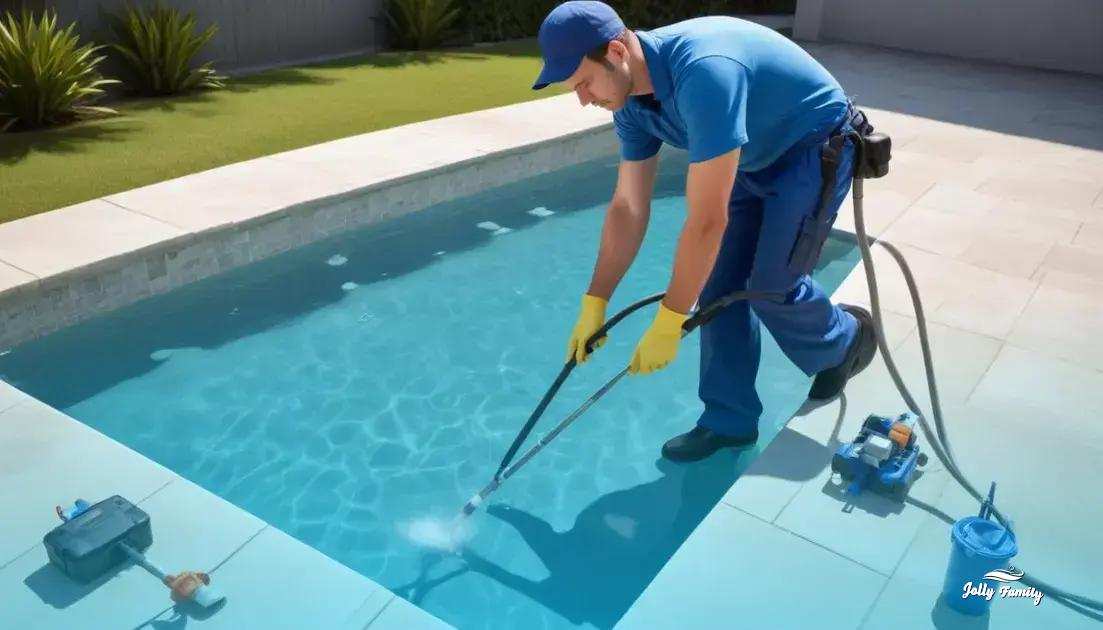
Start each week by removing leaves and bugs from the surface with a skimmer and emptying the skimmer and pump baskets. Clear water and free flow are the first signs of a healthy pool.
Quick physical checks
- Skim the surface and brush walls and steps to prevent stains.
- Vacuum areas with settled debris or after heavy winds.
- Check the water level — it should be near the middle of the skimmer opening.
- Look and listen to the pump and filter for unusual noises or leaks.
- Inspect tile lines and pool fittings for visible damage or loose parts.
Chemical testing and targets
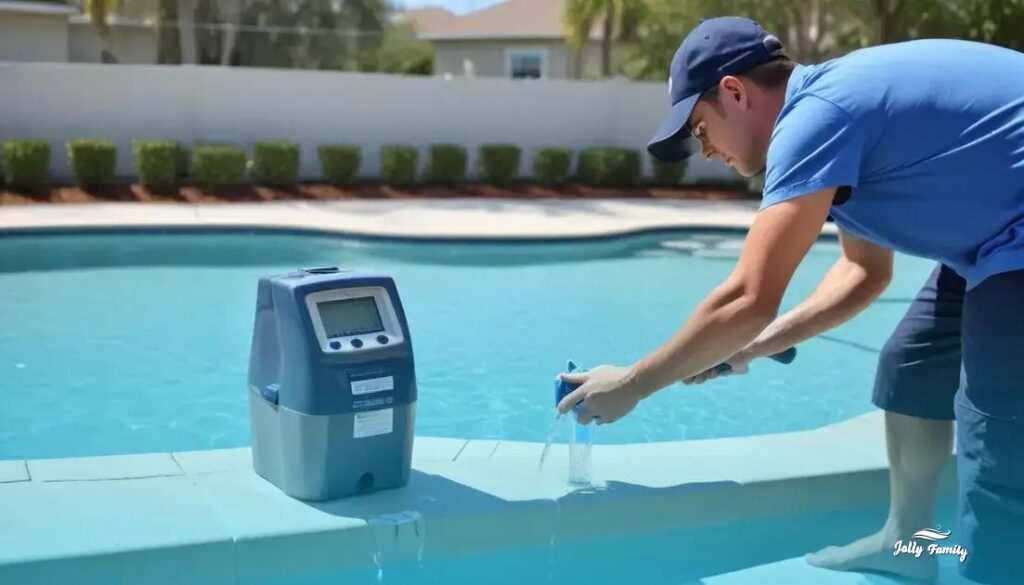
Test water at least once a week using a digital tester or test strips. Aim for pH 7.2–7.6, free chlorine 1–3 ppm, and total alkalinity 80–120 ppm. After heavy rain or many swimmers, test again and adjust chemicals as needed.
Equipment care and quick fixes
- Clean or backwash the filter when pressure rises 8–10 psi above normal.
- Empty the pump strainer basket and clean skimmer baskets to maintain flow.
- Run the pump long enough each day to turnover the pool water (usually 8–12 hours, adjust for temperature).
- Replace worn hoses, O-rings, or torn nets promptly to avoid bigger problems.
Recordkeeping and when to call a pro
Keep a simple log of weekly readings, treatments, and any issues. If you see persistent cloudiness, algae that won’t clear, strong chemical odor, or signs of a leak, contact a licensed pool technician. Quick records help diagnose problems faster.
seasonal care and simple tips for Kissimmee climates
In Kissimmee, seasonal changes affect chlorine demand, algae risk, and run time. Adjust care with simple, short steps to keep pools clear year-round.
summer and rainy season
During hot months check chemistry more often. Heat and high bather load use up sanitizer fast. After storms test water and remove debris right away. Rain tends to lower pH and chlorine, so expect to add sanitizer and a pH increaser. Watch for algae; treat at the first green tint.
- Test frequency: twice a week in summer or after heavy use.
- Target: pH 7.2–7.6, free chlorine 1–3 ppm.
- Run the pump longer on hot days — usually 10–12 hours.
winter and mild months
Winters are mild but cooler nights can slow sanitizer action. Test once a week and keep circulation efficient. You may reduce daily pump hours slightly, but never stop routine checks. Cover the pool on windy cool nights to keep debris out.
hurricane and storm prep
Before predicted storms lower the water level about 4–6 inches to allow for heavy rain. Secure loose furniture and protect the filter and pump by raising them or covering with breathable material. Turn off electrical equipment only if advised by a licensed technician or local authority.
monthly and quick maintenance checklist
- Clean skimmer and pump baskets weekly; deep-clean filter monthly or when pressure rises.
- Inspect seals, hoses, and visible fittings for wear.
- Shock the pool after extended heavy use or a major storm.
- Keep a simple log of readings and actions to spot trends.
Small, regular steps in each season prevent big repairs later. Simple checks and fast action after storms are the most effective habits for Kissimmee homeowners.
chemical balance and water testing: what to check and when
Test water weekly to keep it safe and clear. Focus on a few key readings and correct small problems before they grow.
key parameters to check
- pH: ideal 7.2–7.6. pH affects comfort and how well chlorine works.
- Free chlorine: aim for 1–3 ppm to kill bacteria and prevent algae.
- Total alkalinity: keep 80–120 ppm to stabilize pH and avoid wide swings.
- Calcium hardness: maintain 200–400 ppm to protect surfaces and equipment from corrosion or scale.
- Cyanuric acid (stabilizer): 30–50 ppm for outdoor pools to slow chlorine loss from sun.
- Combined chlorine: should be very low (near 0); high levels mean the pool needs shocking.
when to test and what to do
- Test at least once a week during normal conditions and twice a week in hot weather or with heavy use.
- After storms, heavy rain, or many swimmers, test immediately and adjust chlorine and pH as needed.
- If pH is low, use a pH increaser; if pH is high, use a pH reducer.
- If free chlorine is low, shock the pool or add sanitizer to reach the target range.
- When total alkalinity is off, correct alkalinity first to help pH stay stable.
testing methods and tips
- Use a reliable digital meter or a quality liquid test kit for best accuracy; test strips are OK for quick checks.
- Collect a sample from elbow-deep away from return jets for a true reading.
- Record every reading in a simple log: date, values, and actions taken. Trends help spot slow declines or equipment issues.
safety and common mistakes
Handle chemicals with gloves and eye protection, add chemicals to water (not water to chemicals), and store them dry and cool. Avoid overcorrecting; make changes in small doses and retest after each adjustment.
equipment care: filters, pumps and quick troubleshooting
Keep equipment working to avoid big repairs. Check the pump and filter weekly and after storms. Small fixes now save time and money.
filter care
Know your filter type: sand, cartridge, or diatomaceous earth (DE). For sand and DE filters, backwash when the pressure rises about 8–10 psi above the clean baseline. For cartridge filters, remove the cartridge and hose it off monthly; soak in cleaner every few months if it looks oily or stained.
- Always turn power off at the breaker before opening the filter or pump lid.
- Replace cracked cartridges or torn grids—small damage lowers efficiency.
- After backwashing, reset the pressure gauge and add fresh DE powder if required.
pump checks and maintenance
Empty the pump strainer basket weekly. If the pump is hard to prime, check for low water level, a clogged skimmer, or a loose lid O-ring. Inspect the motor for warm spots and listen for unusual grinding or squealing.
- Priming tip: fill the pump pot with water, secure the lid, then restart to remove air pockets.
- Lubricate O-rings with pool-safe lubricant and replace brittle seals to stop leaks.
- Keep the pump area free of debris and allow airflow around the motor to prevent overheating.
quick troubleshooting steps
If flow is low, follow these checks in order: skimmer and pump baskets, clogged impeller, dirty filter, valve position, and then the pump motor. For noisy operation, look for loose fittings, worn bearings, or debris caught in the impeller.
- Check power: confirm breaker and timer are on.
- Clear baskets and skimmer—often the simplest fix.
- Backwash or clean the filter if pressure is high.
- Inspect and clear the impeller if the pump runs but flow is weak.
when to call a professional
Call a licensed technician if you find a leaking shaft seal with motor damage, repeated air in the system you can’t trace, burnt electrical smells, or if the pump motor fails to start despite power checks. For electrical or major mechanical work, a pro keeps you safe and preserves warranties.
why Jolly Family is trusted for reliable residential pool maintenance

Jolly Family earns trust by showing up on time, explaining work in plain language, and keeping homes and pools clean during service.
experienced, licensed technicians
Technicians are trained, licensed, and insured. They follow standard safety checks and use proven methods to keep water clear and equipment working.
clear pricing and written plans
Customers receive straightforward estimates and a simple maintenance plan. No hidden fees and a predictable schedule make budgeting easy.
consistent maintenance and follow-up
Regular visits include testing, cleaning, and equipment checks. The team records readings and actions so problems are spotted early and fixed fast.
local knowledge and quick response
Being local means understanding Kissimmee weather, storm prep, and common pool issues. Quick response after storms limits damage and reduces cost.
customer support and satisfaction
Friendly communication, clear receipts, and follow-up calls help customers feel confident. If a problem repeats, technicians return to correct it promptly.
- Reliable scheduling that fits your week.
- Documented service with easy-to-read logs.
- Safety-first approach to chemicals and equipment.
Final steps to keep your pool healthy
residential pool maintenance Kissimmee works best with simple, regular habits: weekly testing, skimming, and basic equipment checks. Small actions now prevent bigger repairs later.
Keep a short log of readings and tasks so you can spot trends quickly. If water stays cloudy, algae returns, or equipment acts up, call a licensed technician to avoid damage.
Adjust care for the weather—test more after storms and run the pump longer during hot months. Consistency saves time and keeps your family safe.
Start with one clear weekly routine this week and add one task at a time. Clear water and fewer headaches will follow.
FAQ – residential pool maintenance in Kissimmee
What should I do each week to keep my pool healthy?
Skim the surface, empty skimmer and pump baskets, brush walls, test chemicals, and run the pump long enough to circulate water.
How often should I test my pool water in Kissimmee?
Test at least once a week in normal conditions and twice a week during hot weather, heavy use, or after storms.
What chemical levels should I aim for?
Keep pH 7.2–7.6, free chlorine 1–3 ppm, total alkalinity 80–120 ppm, and calcium hardness about 200–400 ppm.
How many hours per day should the pump run?
Aim for about 8–12 hours daily. Run it longer on very hot days or after heavy use to keep water clear.
What quick checks help when the pool has low flow or noise?
Check skimmer and pump baskets, inspect the filter pressure, verify valve positions, and look for debris in the impeller.
When should I call a professional technician?
Call a pro for persistent cloudiness, algae that won’t clear, leaks, electrical issues, or repeated air problems in the system.