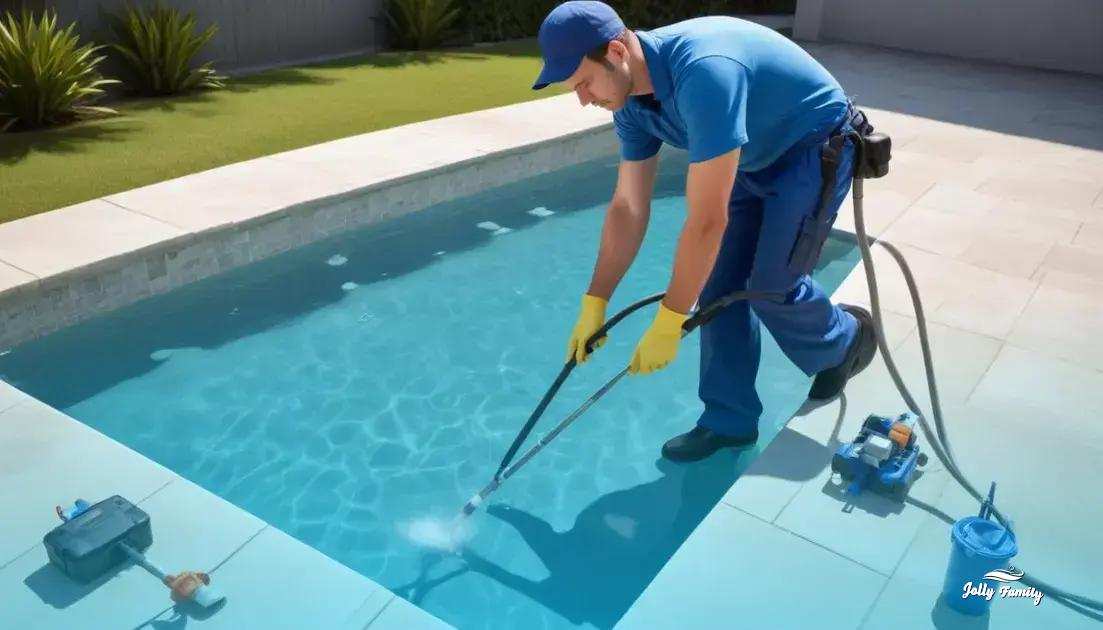


reliable pool cleaning company in Kissimmee provides licensed, insured technicians who perform scheduled water testing, chemical balancing, equipment inspection, deep cleaning, and timely repairs to keep pools safe, clear, and compliant with health standards, while offering transparent pricing, documented service records, and fast response after storms or equipment failure.
reliable pool cleaning company in Kissimmee — at Jolly Family, we focus on steady, on-time care that helps pools stay safe through Florida heat and storms. Curious what a trusted routine looks like and what you can do between visits? Keep reading.
common signs your pool needs professional cleaning
Cloudy or green water is the clearest sign that algae or poor filtration are taking hold. Water that loses sparkle within a day or two after cleaning usually needs professional treatment to restore balance and clarity.
Visible surface and wall issues
Look for slimy films, green spots, or dark streaks on walls and steps. These stains often mean algae or mineral build-up that scrubbing alone won’t fix. A pro can treat hidden colonies and adjust chemicals to prevent quick return.
Debris, skimmer overload, and circulation trouble
If the skimmer fills fast or the pump struggles, you may notice floating leaves, persistent dirt, or slow draining. Poor circulation lets contaminants settle and algae grow. A technician will inspect the pump, pipes, and return jets to restore flow.
Chemical imbalance and health warnings
Frequent red eyes, itchy skin, or a strong chlorine odor often point to chloramine buildup or unstable pH. If you keep adding chemicals but problems return, a professional analysis and shock treatment are usually needed to protect swimmers.
Stains, scaling, and equipment signs
Rust-colored stains, white crusty scaling, or cloudy filters suggest hard water or metal contamination. Unusual filter pressure, noise, or leaking equipment also signals issues beyond routine cleaning and worth scheduling a pro visit.
When to call a professional right away
Contact a trusted company if signs persist after basic care, after heavy storms, or if you see rapid algae spread. Pros provide deep cleaning, proper chemical correction, and equipment checks that reduce long-term costs and keep swimmers safe.
what Jolly Family’s routine maintenance includes
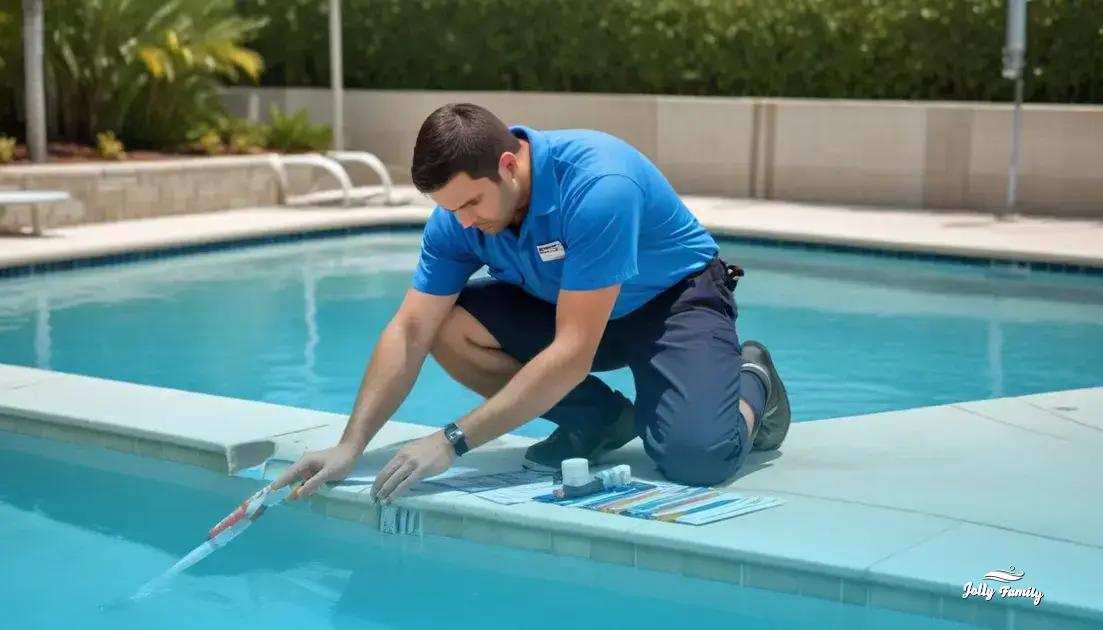
Jolly Family’s routine maintenance visits focus on predictable, thorough care to keep your pool safe and inviting. Technicians follow a checklist that covers water, surfaces, and equipment to prevent small problems from growing.
Chemical testing and balance
Every visit includes a full water test for pH, free chlorine, total alkalinity, and calcium hardness. Techs adjust chemicals to target a stable pH (about 7.2–7.6) and safe chlorine levels (1–3 ppm). When needed, they perform shock treatments to remove contaminants and break down chloramines.
Brushing, vacuuming, and skimming
Technicians brush walls, steps, and tile to remove biofilm and scale. They skim the surface for leaves and debris, then vacuum or run an automatic cleaner to clear settled dirt. Regular brushing prevents stains and keeps filters from clogging quickly.
Filter and pump inspection
Pros inspect filters, check pressure gauges, and backwash or clean cartridges on schedule. They also test pump function, look for leaks, and ensure return jets provide good circulation. Proper flow reduces algae risk and improves chemical distribution.
Equipment checks and minor repairs
Routine service includes checking heaters, timers, chlorinators, and pool lights. Technicians tighten fittings, replace worn O-rings, and report parts that need replacement. Small fixes during a visit can avoid costly failures later.
Recordkeeping and personalized recommendations
After each visit, Jolly Family documents readings and actions, often on a service ticket or app. Records show trends and help plan treatments. Techs may suggest changes like salt system service, stain removal, or seasonal winterization based on those notes.
Scheduling is flexible: weekly or biweekly plans suit most homes, while high-use pools might need more frequent attention. Clear communication and consistent records are key to long-term pool health.
how chemical balance keeps water safe and clear
Balanced chemicals keep pool water clear and safe by controlling bacteria, algae, and scale. When levels are right, water looks bright and swimmers feel comfortable.
Key measurements to watch
pH affects comfort and chemical effectiveness; target about 7.2–7.6. Free chlorine kills germs; aim for 1–3 ppm. Total alkalinity buffers pH and should sit near 80–120 ppm. Calcium hardness prevents corrosion or scaling, usually 200–400 ppm. Cyanuric acid (stabilizer) protects chlorine from sun but should be monitored to avoid over-stabilization.
Common problems and quick fixes
Cloudy or green water often means low chlorine or high phosphates; a shock treatment and proper filtration clear it. High pH causes scale and cloudy water; add a pH reducer. Low alkalinity makes pH jumpy; raise alkalinity slowly. Metal stains or rust need chelating treatment and metal sequestrant. Always follow measured dosing, not guesswork.
Testing and treatment frequency
Test basic levels at least once a week and after heavy rain, pool parties, or hot spells. Use test strips or a digital meter for accuracy. Adjust chemicals right after testing and run the pump for several hours to mix treatments.
Why proper balance matters
Good balance protects swimmers from irritation and infection. It also extends equipment life: correct chemistry reduces filter clogging, pump strain, and surface damage. Regular care saves money and keeps the pool inviting all season.
scheduling and reliable visits: what Kissimmee homeowners should expect

Expect clear, simple scheduling and on-time service. A reliable company gives an arrival window and notifies you if times change. Techs arrive in uniform, carry ID, and use a service truck with tools.
visit frequency and reminders
Most homes choose weekly or biweekly service. High-use pools may need more visits. You should get appointment reminders by text, email, or app. Reminders help you plan and avoid missed visits.
what each visit should include
Technicians follow a checklist: test and balance chemicals, skim and vacuum, brush walls, check filters and pumps, and note any issues. A good company leaves a service ticket or digital record with readings and actions taken.
Look for transparent pricing and clear notes about extra repairs. If a tech finds a problem, they explain the issue and give a cost estimate before doing work beyond the regular visit.
Reliable teams also offer flexible options: rescheduling, emergency calls after storms, and seasonal services like openings or winterization. Ask about cancellation policies and response times for urgent issues.
Good communication matters. Expect photos or brief notes when work is done and follow-up if a problem persists. A trustworthy provider is licensed, insured, and willing to share references.
preventive tips owners can do between Jolly Family visits
Simple, regular actions between professional visits keep your pool healthy and cut costs. Do small checks often so problems stay small.
weekly testing and small adjustments
Use test strips or a handheld meter once a week. Check pH and free chlorine first. If pH is high, add a pH reducer; if chlorine is low, add a measured dose. Record results on a notepad or app to spot trends.
daily skimming and debris control
Skim leaves and bugs every day or after wind. Remove floating debris before it sinks. Empty the skimmer basket to keep flow strong and reduce filter load.
pump run time and circulation
Run the pump the recommended hours each day—often 8–12 hours in warm weather. Good circulation moves chemicals and stops algae. Adjust run time after storms or heavy use.
clean baskets and check water level
Empty the pump and skimmer baskets weekly. Keep the water level near the middle of the skimmer opening; low water can damage the pump, and high water reduces skimming efficiency.
brush tiles and spot-vacuum
Brush walls, steps, and tile weekly to prevent biofilm and stains. Use a handheld vacuum for small piles of settled debris. Brushing makes chemicals and filters work better.
shock after parties or storms
If many people swim, or after heavy rain, perform a shock treatment or ask your technician for advice. A quick shock kills contaminants before algae take hold.
watch equipment and keep a log
Look for odd noises, pressure changes, or leaks. Note any issues and the date you first saw them. A brief log helps your technician fix problems faster.
safe chemical handling
Store chemicals in a cool, dry place out of sunlight and away from children. Always add chemicals to water, not water to chemical, and wear gloves and eye protection when handling strong products.
use a cover when practical
Covering the pool reduces debris, evaporation, and chemical loss. A cover can lower the frequency of cleanings and keep water clearer between professional visits.
Keep your pool safe and sparkling with simple steps
Small weekly actions—testing water, skimming debris, and running the pump—go a long way to prevent problems and save money.
When you see cloudy water, algae, or equipment trouble, a professional service provides deep cleaning, chemical correction, and equipment checks that are hard to do alone.
Mix regular owner care with scheduled visits from a trusted, licensed, insured company to enjoy a clear, safe pool year-round. If in doubt, contact a local technician for a quick inspection and plan.
FAQ – Pool care and Jolly Family services in Kissimmee
How often should I schedule professional pool cleaning?
Most homes benefit from weekly or biweekly visits. High-use pools or after storms may need more frequent service.
What does a routine maintenance visit include?
Technicians test and balance chemicals, skim, brush, vacuum, inspect filters and pumps, and leave a service record with readings.
How will I know when to call for emergency service?
Call if you see rapid algae growth, major equipment leaks, odd noises, or water that turns green despite regular care.
Can I handle chemical balancing myself between visits?
You can test pH and chlorine weekly and make small adjustments, but heavy imbalances or persistent issues need a professional analysis.
Are the technicians licensed and insured?
A reliable company provides licensed, insured technicians who carry ID, use proper safety gear, and document work performed.
What simple tasks can I do to keep costs down?
Skim daily, empty skimmer baskets, brush tiles weekly, run the pump 8–12 hours a day, and test water weekly to catch issues early.