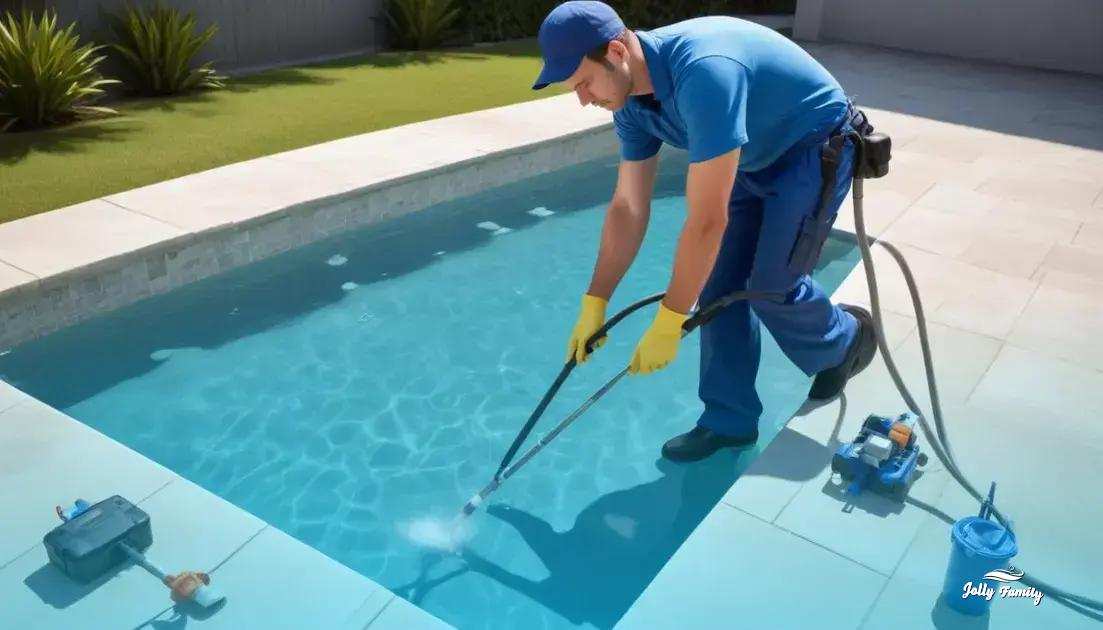

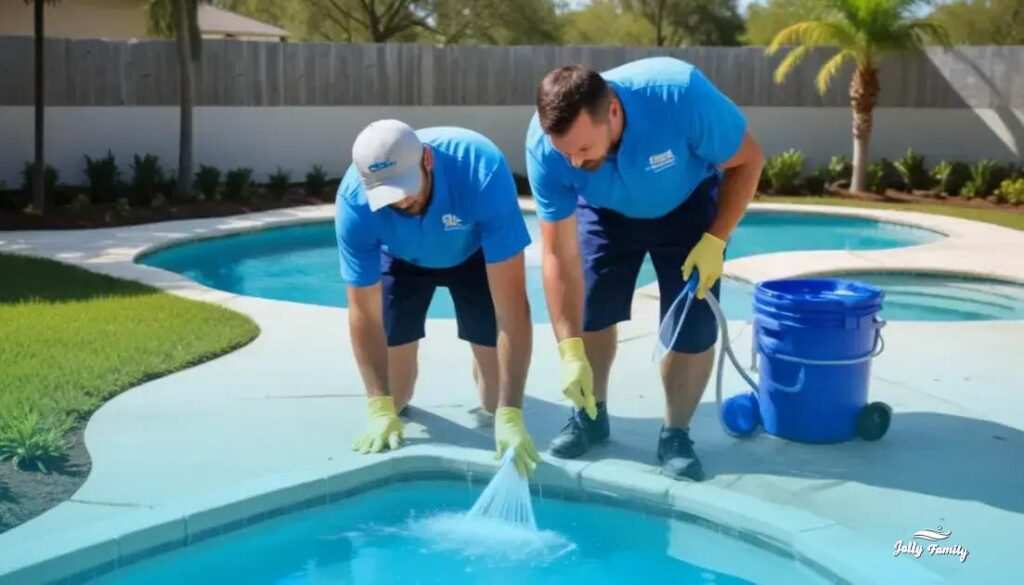
weekly pool cleaning service in Kissimmee provides scheduled inspections, chemical balancing, skimming, brushing, and filter care to prevent algae, protect pumps and heaters, and keep water clear and safe; licensed local technicians document readings and repairs to reduce breakdowns, lower energy costs, and extend equipment life.
weekly pool cleaning service in Kissimmee might be the easiest way to avoid cloudy water and surprise repairs — Jolly Family handles weekly checks so you can relax. Want to know what a typical visit looks like and how it protects your pool and family?
why weekly maintenance matters for Kissimmee pools
Weekly pool maintenance matters in Kissimmee because warm weather and frequent storms speed up problems like algae, cloudy water, and clogged filters. Regular care keeps water clear, swimmers safe, and equipment working longer.
Key reasons weekly service helps
- Prevents algae blooms: Heat and rain create ideal conditions for fast algae growth. Weekly cleaning stops small patches from becoming big problems.
- Keeps chemical balance steady: pH, chlorine, and alkalinity drift quickly in warm climates. Small weekly adjustments avoid irritation and corrosion.
- Protects equipment: Clean filters and pumps last longer when debris and scale are removed regularly.
- Improves safety and appearance: Clear water reduces slip hazards and makes your pool ready for guests any day.
What a typical weekly check includes
- Skimming surface debris and emptying baskets.
- Brushing walls and steps to remove early algae or buildup.
- Testing water and adjusting chlorine, pH, and alkalinity.
- Backwashing or cleaning filters when needed.
- Inspecting pump, heater, and equipment for leaks or odd noises.
Signs your pool needs weekly attention
Watch for cloudy water, green tints, persistent odors, or poor circulation. If you notice these, weekly maintenance can stop a small issue from becoming an expensive repair.
Simple tips homeowners can follow between visits
- Run your pump 8–12 hours daily in hot months to keep water moving.
- Keep leaves and toys out of the pool to reduce strain on filters.
- Cover the pool during storms when possible to limit debris and chemical swings.
- Store chemicals safely and follow label directions if you add them yourself.
When to call a pro
Ask for professional help if algae persists after treatment, equipment makes noises, water level drops quickly, or tests show wide chemical swings. A trained technician can diagnose issues and prevent repeated failures.
Consistent weekly maintenance in Kissimmee saves time and money, keeps water inviting, and extends the life of your pool system.
what a weekly visit includes: a clear checklist
Technicians complete a clear checklist during each weekly visit to keep your pool safe and ready.
Weekly checklist
- Skim and empty baskets: Remove leaves, bugs, and debris from the surface and pump baskets to prevent clogs.
- Brush walls and steps: Light scrubbing prevents algae and scale from building up on tiles and surfaces.
- Vacuum or clean the floor: Remove settled dirt so filters do less work and water stays clear.
- Test and record water: Check chlorine, pH, and alkalinity with a test kit and note results for trend tracking.
- Adjust chemicals: Add small, measured doses of chlorine, pH increaser or reducer, and alkalinity chemicals as needed.
- Backwash or clean filters: Clear trapped debris to maintain flow and protect the pump.
- Inspect equipment: Look for leaks, loose fittings, noisy motors, and worn parts on pumps, heaters, and filter systems.
- Check water level and skimmer: Top off if low and ensure skimmers are working correctly.
- Clean tile and waterline: Remove scum and mineral rings for better circulation and appearance.
- Safety and extras: Verify ladders, covers, and alarms are in place and functioning; advise on any replacement parts.
Documentation and homeowner notes
Technicians leave a short report with test readings, actions taken, and recommended follow-ups. Regular notes help spot trends and avoid repeated issues.
how chemical balance protects swimmers and equipment
Keeping the right chemical balance is the easiest way to protect swimmers and pool gear. Balanced water kills germs, prevents irritation, and stops damage to metal and surfaces.
Core levels to monitor
- pH (7.2–7.6): Controls acidity. Low pH corrodes metal and irritates skin. High pH reduces sanitizer power.
- Free chlorine (1–3 ppm): Kills bacteria and algae. Too little allows germs; too much irritates eyes.
- Total alkalinity (80–120 ppm): Buffers pH. Proper alkalinity keeps pH stable and prevents sudden swings.
- Calcium hardness (200–400 ppm): Prevents scale or corrosion on plaster and equipment.
- Cyanuric acid (30–50 ppm): Protects chlorine from sunlight in outdoor pools.
How imbalance affects swimmers
When chemicals are off, swimmers may get red eyes, itchy skin, or rashes. Low sanitizer levels raise infection risk. Strong chemical spikes can cause breathing or skin problems for sensitive people.
How imbalance damages equipment
Acidic water eats metal parts and seals, leading to leaks and motor failure. Hard water causes scale that clogs filters and reduces heat exchange. Both problems shorten the life of pumps, heaters, and liners.
Simple steps to protect both
- Test water weekly with strips or a digital meter and record results.
- Adjust chemicals in small doses and retest after a few hours.
- Shock the pool when combined chlorine rises or after heavy use or storms.
- Keep stabilizer and calcium in range to protect chlorine and surfaces.
When to call a professional
Contact a pro if you see persistent cloudiness, repeated algae, rapid pH swings, or if equipment shows corrosion or odd noises. A technician can diagnose root causes and suggest a safe treatment plan.
Regular testing and small adjustments keep swimmers safe and extend equipment life. Consistent chemical balance is the best low-cost protection for your pool.
seasonal care: handling heat, storms and algae
Hot months, heavy storms, and algae need clear seasonal steps to protect your pool in Kissimmee.
Heat-related steps
- Run the pump longer: Increase runtime to 10–14 hours per day in peak heat to keep water moving and chemicals active.
- Watch stabilizer and chlorine: Sunlight breaks down chlorine fast. Keep cyanuric acid and free chlorine in range to avoid sudden drops.
- Cover the pool when not in use to cut evaporation and chemical loss.
- Check water level often and top off to protect the pump from running dry.
After storms
- Skim and remove debris immediately to stop filters from clogging.
- Brush walls and steps to dislodge dirt and early algae after heavy rain.
- Test water within 24 hours and shock the pool if combined chlorine rises or water looks cloudy.
- Clean or backwash filters sooner than scheduled if flow drops or pressure rises.
- Inspect equipment for debris, loose fittings, or damage caused by wind and debris.
Algae treatment and prevention
Spot early signs like green tint, slippery walls, or small floating clumps. Treat quickly to avoid full blooms.
- Brush areas with visible growth before adding treatment to expose algae cells.
- Use a pool shock or non-foaming oxidizer to raise sanitizer and clear organic load.
- Apply algaecide when needed, following label directions and retest after 24–48 hours.
- Clean filters after algae treatment to remove trapped spores and prevent recontamination.
Seasonal checklist
- Weekly: test and adjust chemicals, skim, brush, and empty baskets.
- After storms: full test, shock if needed, clean filters, and inspect gear.
- Monthly in hot season: check stabilizer and calcium levels; service equipment if readings vary.
Tips to reduce risks
- Keep a simple log of tests and actions to spot trends early.
- Store chemicals safely and add them in small, measured doses.
- Call a pro for persistent algae, rapid chemical swings, or equipment damage.
how to choose a reliable local team: questions to ask
Choosing the right local pool team helps keep your pool safe, clean, and cost-effective.
Questions to ask
- Are you licensed and insured? Request a license number and proof of insurance to protect yourself from liability.
- Can you provide local references? Ask for recent customers in Kissimmee and check reviews or speak to homeowners directly.
- What exactly is included in weekly service? Confirm skimming, brushing, vacuuming, filter care, chemical testing, and any extra charges.
- How do you handle chemicals? Ask which products they use, dosing methods, and how they store and transport chemicals safely.
- Do you offer guarantees or warranties? Clarify coverage for workmanship, parts, and follow-up visits if issues repeat.
- How do you price work? Get a clear breakdown: service fee, chemical costs, parts, and any one-time charges.
- What is your emergency response? Know how fast they respond to equipment failures or contamination events.
- Are technicians background-checked and trained? Confirm staff qualifications and ongoing training on local conditions and equipment.
Red flags to watch for
- No proof of insurance or license.
- Reluctance to give written estimates or a clear service list.
- Extremely low price with vague scope—may hide extra fees.
- No local references or poor online reviews.
- Poor communication or high-pressure sales tactics.
How to compare quotes
- Match scope first: ensure each quote covers the same tasks.
- Check if chemicals are included or billed separately.
- Compare response time for repairs and emergency calls.
- Ask about parts pricing and labor rates for repairs.
- Prefer companies that provide written agreements and service logs.
Documents to request and keep
- Written contract or service agreement with start date and fees.
- Weekly service reports showing test readings and actions taken.
- Receipts for chemicals, parts, and repair work.
- Warranty paperwork for equipment installed or repaired.
Take notes during calls, compare answers side by side, and choose a local team that is clear about work, costs, and safety to avoid surprises.
how routine service saves money and prevents repairs
Routine service cuts costs by catching small issues before they become large, expensive repairs. A weekly visit finds leaks, worn seals, and filter clogs early so you avoid emergency breakdowns.
Common savings from regular service
- Fix small leaks early: Replacing a seal or tightening a fitting is far cheaper than repairing a corroded pump or replacing a motor.
- Prevent filter failure: Clean filters reduce strain on the pump and avoid costly replacements or reduced circulation problems.
- Catch electrical issues: Technicians spot loose wires or failing capacitors before they damage the motor or control systems.
- Limit chemical damage: Stable chemical balance stops scale and corrosion that can ruin heaters, liners, and metal parts.
How inspections reduce long-term costs
Technicians check pressure gauges, listen for unusual pump noises, and test flow. These quick checks reveal wear patterns. Fixing a worn bearing or adjusting flow can extend a pump’s life by years.
Energy and operational savings
- Properly adjusted pumps and clean filters use less power, lowering energy bills.
- Correct chemical levels reduce the need for frequent shocking or heavy treatments.
- Scheduled maintenance helps avoid emergency service fees and overnight repairs.
Simple homeowner actions that help
- Keep skimmer baskets clear between visits to reduce filter load.
- Run the pump the recommended hours during hot months.
- Report odd sounds or leaks as soon as you notice them.
Documentation and value
Weekly service reports create a maintenance record that can lower insurance issues and boost resale value. Regular logs make it easy to prove consistent care and catch trends before they cost more.
In short, routine service is a low-cost habit that prevents major repairs, saves energy, and keeps your pool system running longer.
Final thoughts
Weekly pool cleaning service in Kissimmee keeps your water clear, protects equipment, and prevents costly repairs. Regular visits stop algae, chemical swings, and small problems from growing.
Do simple checks between visits: skim debris, run the pump as recommended, and keep a short test log. These actions make professional service more effective.
Pick a local, insured team that provides written reports and clear pricing. Consistent care means more safe swim days, lower costs, and less stress for you.
FAQ – Weekly pool cleaning service in Kissimmee
Is weekly pool cleaning necessary in Kissimmee?
Yes. Warm weather and frequent storms speed up algae and chemical drift, so weekly visits help keep water clear and equipment protected.
What does a typical weekly visit include?
A standard visit skims debris, brushes walls, vacuums the floor, tests and adjusts chemicals, cleans baskets or filters, and inspects equipment.
How much does weekly pool cleaning cost in Kissimmee?
Prices vary by pool size and services, but expect a weekly range based on scope; request written quotes that list chemicals, labor, and any extra fees.
Do I need to be home during the weekly service?
Not usually. Many companies work with a gate code or key and leave a service report; be present for the first visit if you prefer an in-person walkthrough.
Are pool chemicals safe for my family and pets?
When handled by trained technicians and used per label directions, chemicals are safe; follow posted wait times after treatment before swimming.
What should I check when choosing a local pool team?
Ask for license and insurance, local references, a clear service list, emergency response time, written contracts, and weekly reports to track maintenance.