
best pool cleaning service in Kissimmee delivers timely inspections, accurate water testing and dosing, routine filter and pump maintenance, prompt repairs after storms, transparent pricing, and clear digital reports; hire a licensed, insured local team offering weekly plans, emergency support, and parts/labor warranties to keep pools safe, clear, and long-lasting.
best pool cleaning service in Kissimmee — want a trouble-free pool that stays clear all year? Jolly Family, a trusted local business, mixes routine care and plain tips so your water stays safe and inviting.
what to expect from a professional pool cleaning visit
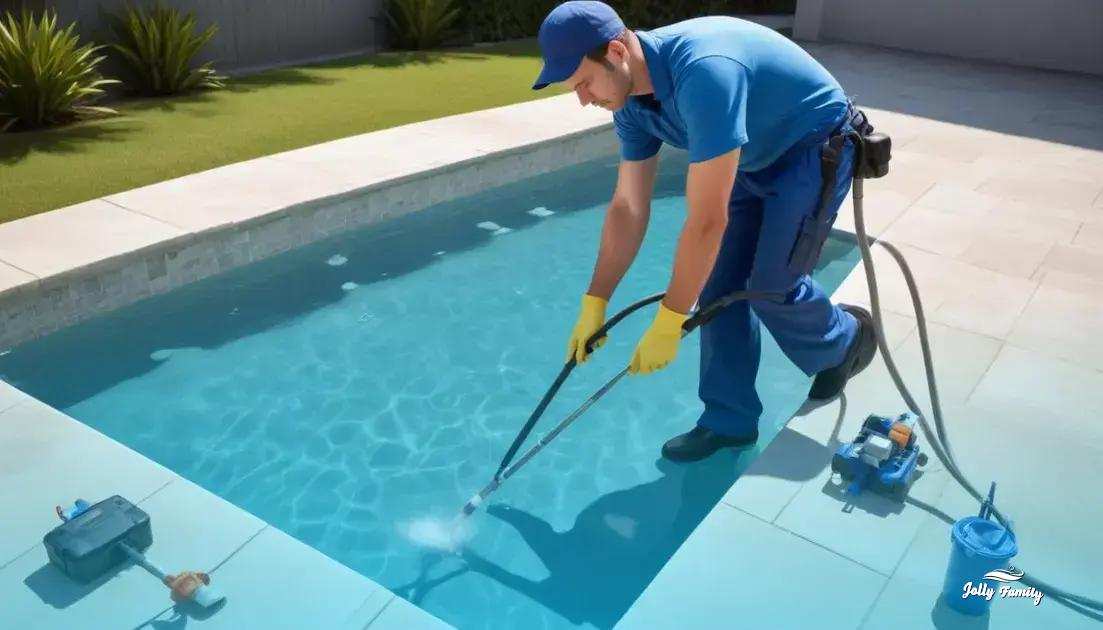
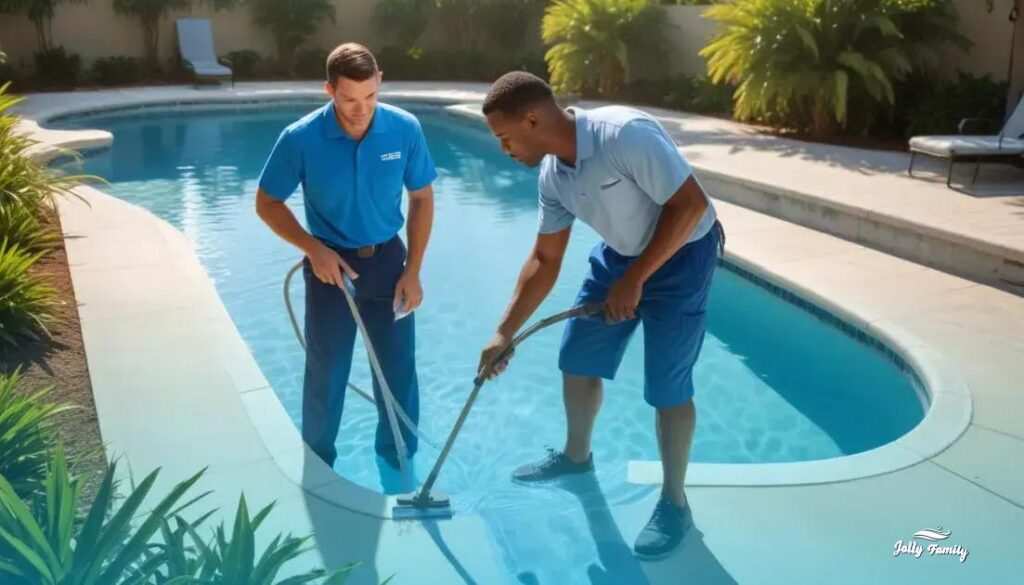
A professional pool cleaning visit follows a clear checklist to restore water quality and prevent problems. Technicians handle physical cleaning, water care, and equipment checks.
Routine tasks performed
- Skimming the surface to remove leaves and debris.
- Brushing walls and steps to dislodge algae and grime.
- Vacuuming the pool floor and hard-to-reach areas.
- Emptying skimmer and pump baskets; cleaning the skimmer throat.
Water testing and chemical care
Technicians test pH, free chlorine, total alkalinity, and calcium hardness. They adjust doses to keep water comfortable and safe, and add shock treatments when needed.
Equipment inspection
Expect a quick check of the pump, filter, heater, automatic cleaner, and visible plumbing. Technicians spot worn seals, air in the system, or unusual noises and note needed repairs.
Time, frequency, and cost expectations
Most routine visits take about 45-90 minutes depending on pool size and condition. Weekly service is common in warm climates. Technicians should give a clear price estimate before extra work.
What homeowners should prepare
Clear toys and floats, unlock gates, and secure pets. Tell the technician about recent chemical additions or filtration issues so they can adjust the service plan.
Report and follow-up
After the visit you should receive a short report with test readings, actions taken, and recommendations. Ask for photos or a digital log to track trends and plan preventive care.
key signs your pool needs immediate attention
Small changes can hide big problems. Watch for obvious signs that your pool needs immediate attention to avoid costly repairs or unsafe water.
- Green or cloudy water: A sudden color change usually means algae or poor filtration. Water that stays cloudy after skimming is a red flag.
- Strong chlorine smell: A harsh chemical odor can mean high combined chlorine or contamination. This often signals the need for shock treatment.
- Visible algae or dark stains: Slime on walls or dark patches on the floor show active algae growth or metal staining.
- Persistent foaming: Sudden foam on the surface often comes from organic build-up or broken equipment like a failing filter.
- Low water level or soggy ground: Rapid drops in water level or wet ground near the pool suggest a leak in plumbing, the liner, or equipment.
- Unusual pump noise or low flow: Grinding sounds, air in the lines, or weak return jets point to pump or circulation issues that harm water quality.
Immediate steps to take
Stop using the pool until water is tested if you see strong contamination signs. Remove visible debris, run the pump, and test pH and chlorine first. If algae is present, brush surfaces and consider a shock dose. Keep records of test results and actions.
Simple checks you can do now
- Check skimmer and pump baskets and clear any blockages.
- Look at the filter pressure gauge; high pressure may mean a dirty filter.
- Scan visible plumbing for leaks or loose fittings.
- Note how long the pump has been running and listen for odd noises.
When to call a professional
Contact a licensed pool technician if you suspect a leak, if water chemistry won’t stabilize after treatment, or if equipment makes unusual noises. Professionals can perform leak detection, filter service, and full chemical restoration safely.
chemical balance and water testing: what professionals check
Pool pros check a set of chemistry numbers to keep water safe, clear, and equipment working well.
Key chemical levels they check
- pH (7.2–7.6): controls swimmer comfort and sanitizer effectiveness.
- Free chlorine (1–3 ppm): the active sanitizer that kills bacteria.
- Combined chlorine: shows if the pool needs shock treatment.
- Total alkalinity (80–120 ppm): buffers pH swings.
- Calcium hardness (200–400 ppm): prevents corrosion or scale depending on surface type.
- Cyanuric acid (stabilizer, 30–50 ppm): protects chlorine from sun but should not be too high.
- Salt level (if applicable): ensures salt chlorinators make enough chlorine.
- Metals and phosphates: checked when staining or algae problems appear.
- Total dissolved solids (TDS): tracked to know when partial water replacement is needed.
How professionals test the water
Technicians use calibrated tools like a photometer or titration kit for accurate results. Test strips may be used for quick checks but are less precise. They collect a sample away from jets, note temperature, and run each test immediately.
Common adjustments they make
- If pH is low, they add a pH increaser; if high, a mild acid is used.
- Low chlorine usually leads to a measured dose or a shock treatment.
- Alkalinity is corrected first to stabilize pH changes.
- High metals get a sequestrant; calcium is raised slowly when needed.
- High cyanuric acid is managed by diluting the pool water or changing treatment strategy.
Safety and timing
After chemical adjustments, technicians follow safe wait times before reuse. They also record readings so trends are easy to spot and future dosing is faster.
What the service report shows
Your technician should give a brief report with test results, chemicals added, and recommended follow-up actions. Keep that log to spot recurring issues early.
preventive maintenance schedule tailored for Kissimmee pools
For Kissimmee pools, a clear preventive schedule reduces algae, stains, and equipment failure. Use a routine that fits warm weather, high sun, and seasonal storms.
Weekly checklist
- Skim and brush: remove leaves, insects, and algae from walls, steps, and corners.
- Vacuum or run automatic cleaner: clear settled debris from the floor.
- Test water: check pH and free chlorine; target pH 7.2–7.6 and free chlorine 1–3 ppm.
- Empty baskets: clean skimmer and pump baskets to keep flow steady.
Biweekly to monthly tasks
- Filter maintenance: backwash or clean cartridge filters depending on type; inspect pressure gauge.
- Balance alkalinity and calcium: adjust total alkalinity (80–120 ppm) and calcium hardness as needed.
- Shock treatment: apply shock after heavy use, rainstorms, or if combined chlorine rises.
- Inspect equipment: check for leaks, loose clamps, and odd pump noises.
Seasonal adjustments
- Wet season (summer): increase monitoring after storms, watch for algae and high cyanuric acid from frequent additions.
- Dry season (winter): reduce run time slightly if temperatures drop, but maintain sanitizer levels to prevent growth.
- Storm prep: trim overhanging branches, cover the pool when heavy rain or winds are forecast, and run extra filtration after storms.
Annual service
- Full equipment inspection: service pump bearings, check heater, replace worn seals, and test automation systems.
- Deep clean: professional tile and grout cleaning, thorough filter overhaul, and full chemical refresh if TDS is high.
- Record review: compare yearly logs to spot trends like rising chemical use or recurring algae.
Practical tips for homeowners
- Keep a short service log with dates and key readings to share with your technician.
- Clear toys and floats before visits and keep gates unlocked for scheduled service.
- Communicate recent issues—cloudy water, odors, or low flow—so the technician can adjust the plan.
- Consider weekly service during hot months and after heavy local events or storms.
Following a simple, consistent schedule helps Kissimmee pools stay clear and safe while extending equipment life.
why Kissimmee homeowners trust Jolly Family for reliable care
Jolly Family stands out because technicians arrive on time, explain the work, and leave pools safe and swim-ready. Clear communication and consistent results build real confidence.
Key reasons homeowners trust them
- Fast response: same-day or next-day appointments for common issues.
- Licensed and insured technicians: background-checked staff and proper coverage protect your home.
- Transparent pricing: written estimates and no-surprise charges for routine visits.
- Consistent maintenance plans: tailored schedules for Kissimmee weather to prevent algae and stains.
Proof they deliver
Technicians provide a short service report after each visit with test readings and actions taken. Many homeowners share before-and-after photos and repeat service, which shows steady performance.
Local knowledge matters
Because they work across Kissimmee, the team understands how heat, sun, and seasonal storms affect chemistry and equipment. That local experience reduces guesswork and speeds problem fixes.
Added value and guarantees
- Emergency support: options for urgent repairs after storms.
- Parts and labor warranty: clear terms on replacements and fixes.
- Eco-aware choices: recommendations for safer chemicals and efficient equipment when possible.
How to choose and verify
Ask for references, check recent reviews, request proof of insurance, and try a single inspection to see the team’s care level. A short trial visit often shows whether communication and results meet expectations.
how to choose a long-term pool maintenance partner
Choose a long-term pool maintenance partner who makes care simple and predictable. Look for clear credentials, steady communication, and local experience in Kissimmee.
credentials and insurance
Verify license and insurance before hiring. Ask for proof of liability coverage and workers’ comp. Certified technicians reduce risk and show professionalism.
services and tailored plans
Confirm the company offers routine cleaning, chemical care, equipment checks, and repairs. A good partner creates a custom plan based on pool size, usage, and local weather.
transparent pricing and contracts
Request a written estimate that lists what is included and any extra fees. Check contract length, cancellation terms, and warranty on parts and labor.
communication and reporting
Expect clear updates after each visit: test readings, actions taken, and recommended follow-ups. Digital reports or photos help you track trends over time.
local reputation and references
Read recent reviews, ask for references, and check how the company handles storm or algae outbreaks common in Kissimmee. Repeat customers and before/after evidence are strong signals.
trial period and warning signs
- Start with a short trial or single inspection to judge service quality.
- Watch for red flags: no proof of insurance, vague answers, pushy sales, or no written records.
- Prefer a partner who offers emergency support and clear response times.
Keep a simple service log with dates and readings, compare two or three quotes, and choose the provider that balances price, trust, and local know-how.
Final thoughts on pool care in Kissimmee
Keeping a pool clear and safe takes regular checks, correct chemistry, and timely repairs. A reliable partner makes this easy so you can enjoy your pool worry-free.
Choose a team with local knowledge, clear pricing, and simple reporting. Weekly care, prompt repairs, and preventive maintenance cut costs over time.
If you want peace of mind, consider a trusted local provider like Jolly Family for routine service and emergency support. Track test readings and keep a short log to spot issues early.
With steady care and the right plan, your pool will stay inviting year-round and your equipment will last longer.
FAQ – Pool cleaning and maintenance in Kissimmee
What services does the best pool cleaning service in Kissimmee provide?
They offer routine cleanings, chemical balancing, filter and pump inspections, minor repairs, shock treatments, and emergency storm response. Plans are often customizable.
How often should my Kissimmee pool be serviced?
Weekly service is common in warm climates like Kissimmee. Frequency may increase after storms, heavy use, or if water chemistry is unstable.
How much does professional pool cleaning usually cost?
Costs vary by pool size, condition, and included services. Ask for a written estimate that lists tasks, frequency, and any extra fees before hiring.
What should I prepare before a scheduled pool visit?
Clear toys and floats, unlock gates, secure pets, and tell the technician about recent chemical additions or any odd noises or leaks you noticed.
Is it safe to swim right after a technician adds chemicals?
Technicians follow safe waiting times. Avoid swimming until test readings show pH and chlorine are within safe ranges; your technician can confirm when it’s okay.
What signs show I should call a professional immediately?
Call a pro for sudden green or cloudy water, rapid water loss, visible algae, persistent foaming, unusual pump noises, or low return flow indicating leaks or equipment failure.