
recurring pool cleaning service Kissimmee provides weekly professional water testing, chemical balancing, filter maintenance and debris removal to prevent algae, stains and equipment failure, offering documented service logs, prompt post-storm response, and transparent pricing so homeowners maintain safe, clear pools and avoid costly repairs.
recurring pool cleaning service Kissimmee helps keep pools swim-ready without the weekend scramble. Ever wondered how a family-owned team balances chemicals, cleans filters and prevents algae in Florida heat? Jolly Family shares straightforward routines and local tips you can rely on.
Why recurring pool cleaning matters in Kissimmee
Florida heat and sudden storms make pool care in Kissimmee a constant task. Regular visits keep water safe to swim by maintaining consistent chemical balance and clear filtration week after week.
Local climate challenges
High temperatures speed up algae growth. Afternoon storms add debris and change pH. Without steady maintenance, cloudy water and algae can appear in days, not weeks.
Health and safety
Recurring cleaning reduces bacteria and irritants. Balanced chlorine and filtration lower the risk of skin and eye irritation and help prevent waterborne illnesses for families and guests.
Protecting equipment and saving money
Routine checks catch small problems early. Cleaning filters, checking pumps, and adjusting chemicals can prevent costly repairs and extend the life of heaters, pumps, and liners.
Convenience and predictable costs
Scheduled service frees homeowners from weekend chores and surprises. Many plans offer predictable monthly fees and quick responses after storms.
Want fewer headaches and a pool that’s always ready to use? Regular professional visits are often the easiest way to stay on top of Kissimmee’s unique pool demands.
What a typical recurring service schedule looks like
Most Kissimmee pools benefit from a weekly service, though biweekly plans work for low-use pools. Technicians follow a steady checklist to keep water clear and equipment running.
Typical weekly checklist
- Test water for chlorine, pH, alkalinity and calcium hardness, then adjust chemicals as needed.
- Skim surface and remove debris to prevent filter clogs.
- Brush walls and steps to stop algae buildup before it spreads.
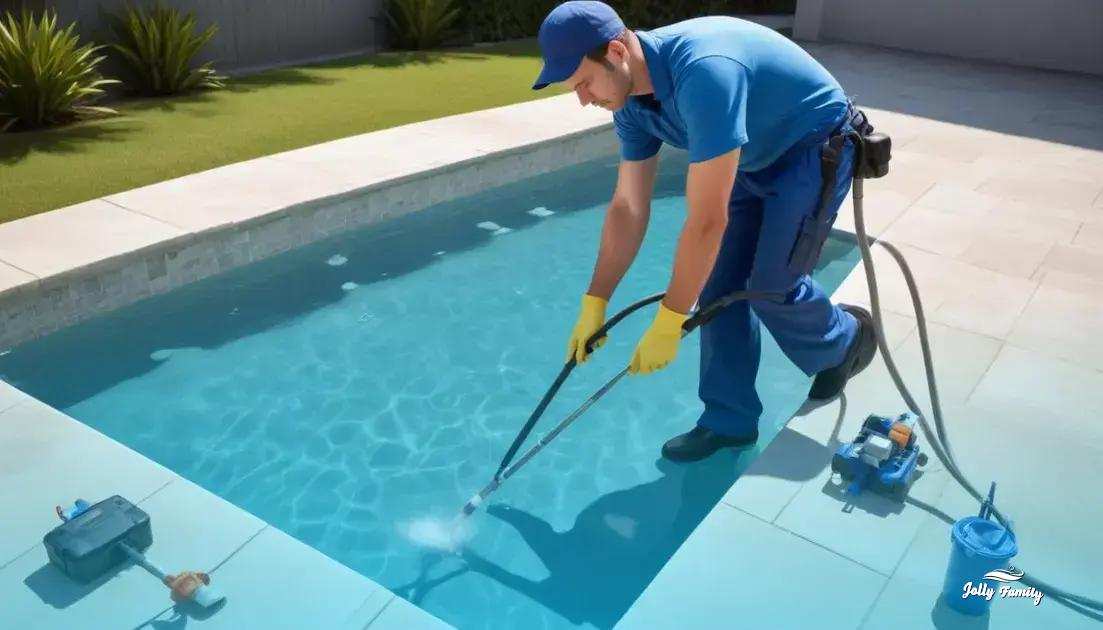
- Vacuum visible dirt or run an automatic cleaner for thorough removal.
- Empty skimmer and pump baskets and check the filter pressure.
- Inspect pump, heater and visible plumbing for leaks or unusual noise.
- Record readings and notes on a service log for consistency.
Monthly and deeper tasks
- Backwash or clean filters when pressure rises and follow manufacturer guidance.
- Perform a shock treatment if combined chlorine or contaminants are high.
- Clean tile lines, inspect lights, and check salt systems or automation settings.
Storms and on-demand visits
After heavy rain or wind, a quick additional visit often prevents algae and staining. Many companies offer fast-response service to restore chemistry and remove extra debris.
Scheduling and transparency
Choose a plan with clear visit frequency, a digital service log or photos, and predictable fees. Flexibility to adjust frequency after seasonal changes helps keep long-term costs lower.
Chemical balance, filtration and preventive water treatment
Keeping the right water chemistry and clean filters is the backbone of pool health. A steady chemical balance prevents algae, protects equipment, and keeps swimmers safe.
Key chemical levels to monitor
Test at least once a week. Aim for free chlorine of 1–3 ppm, pH between 7.2–7.6, total alkalinity around 80–120 ppm, and calcium hardness near 200–400 ppm. Stable levels cut down on eye irritation and scale buildup.
Simple steps to adjust chemistry
- Raise pH with soda ash; lower it with muriatic acid or pH reducer.
- Add chlorine or shock to raise sanitizer level quickly after heavy use or storms.
- Use alkalinity increaser or reducer to stabilize pH swings.
Filtration basics
Filters trap debris and tiny particles that cloud water. Run the filter daily — typically 8–12 hours for most residential pools — and check the pressure gauge. Backwash sand or DE systems when pressure rises 8–10 psi above normal, and clean or replace cartridge elements as recommended.
Preventive water treatments
Regular shock treatments help remove combined chlorine and organics. Consider periodic algaecide in warm months and enzyme products to break down oils and lotions. For persistent phosphates, a phosphate remover can reduce algae food.
Keep records and respond fast
Log test results, chemical doses, and filter maintenance. After heavy rain or a pool party, retest and treat early to avoid algae or staining. A quick corrective step now often prevents bigger fixes later.
What Jolly Family includes in regular maintenance visits
During each regular visit a Jolly Family technician completes a set of standard tasks to keep your pool safe and swim-ready.
Standard visit tasks
- Water testing and balancing: measure chlorine, pH, alkalinity and calcium hardness, then add precise doses to keep levels steady.
- Skimming and debris removal: clear leaves and surface debris to protect the filter and improve clarity.
- Brushing and vacuuming: scrub walls and steps and vacuum visible dirt to stop algae from taking hold.
- Filter and basket care: empty skimmer and pump baskets and check filter pressure; backwash or clean as needed.
- Equipment inspection: check pump, heater, valves and visible plumbing for leaks, noises or wear.
Monthly and seasonal actions
- Shock treatment after heavy use or as a preventive step in warm months.
- Deep clean or cartridge replacement based on manufacturer guidance.
- Algaecide or enzyme treatments when conditions favor growth.
Customer service and documentation
Technicians record readings and actions in a service log and often share photos or notes. Clear communication about costs, recommended repairs, and follow-up visits helps homeowners plan and avoid surprises.
Fast post-storm visits and on-demand support are part of many plans, so issues are fixed before they grow into expensive repairs.
Common problems recurring service prevents and how to spot them
- Algae blooms: recurring cleaning keeps chlorine and circulation steady to stop green or black patches from forming.
- Cloudy water: trapped particles or poor filtration cause dull, hazy water; regular filter care and vacuuming prevent cloudiness.
- Equipment failure: worn seals, clogged impellers or dirty filters lead to noisy pumps or reduced flow; routine inspections catch wear early.
- Stains and scale: high calcium or unbalanced pH leaves whitish scale or dark stains on tile and surfaces; balanced chemistry and periodic cleaning reduce buildup.
- High combined chlorine (chloramines): strong chlorine smell and eye irritation signal the need for shock treatment; scheduled shocks keep combined chlorine low.
- Clogged skimmers and baskets: leaves and debris raise pressure and reduce circulation; emptying baskets weekly protects the pump and filter.
How to spot problems fast
- Look: green tint, slimy walls, or white rings on tile indicate algae, stains, or scale.
- Smell: a strong pool-chemical odor can mean combined chlorine is high.
- Listen: grinding, bubbling, or loud pump noise often precedes mechanical failure.
- Check gauges: filter pressure rising 8–10 psi above normal signals a clogged filter.
- Feel: rough or slimy surfaces when you touch steps or walls point to algae or scale.
Quick actions technicians take
- Adjust sanitizer and pH levels and add shock when needed.
- Backwash or clean filters and empty skimmer/pump baskets.
- Brush surfaces, vacuum debris, and apply algaecide for early algae signs.
- Inspect and tighten equipment, replace worn parts before major failure.
- Log findings so trends are visible and treatment plans adjust over time.
Spotting issues early saves money and keeps pools safe. A recurring plan turns reactive fixes into simple, routine steps that keep your pool ready to use.
How to choose a reliable local partner for long-term care
Choosing the right local partner keeps your pool healthy and lowers long-term costs. Look for clear proof of experience, reliable communication, and a written plan for regular care.
Checklist to evaluate providers
- License and insurance: confirm the company carries liability insurance and bonded technicians.
- Local references and reviews: ask for recent customers in Kissimmee and check online ratings.
- Transparent pricing and contracts: require written service agreements that show visit frequency, included tasks, and any extra fees.
- Service records: choose teams that keep a digital service log or photos after each visit.
- Equipment and training: technicians should use proper tools and know local water challenges like algae from heat and storms.
- Response time: confirm on-demand or post-storm visits and typical arrival windows.
Questions to ask before hiring
- How often will you test and adjust chemistry?
- Do you provide written reports after each visit?
- Who performs repairs and what are labor guarantees?
- Are technicians background-checked and trained on safety?
- What is your cancellation and rescheduling policy?
Red flags to avoid
- No proof of insurance or reluctance to show credentials.
- Vague estimates or verbal-only agreements.
- Poor communication or no local references.
- Pushy sales for unneeded repairs during early visits.
How to compare final offers
Request written quotes for the same scope of work. Compare frequency, included tasks, emergency support, and guarantees. Lower price isn’t always better if visits are sparse or records are missing.
Why local matters in Kissimmee
A local provider knows how heat, storms, and regional water conditions affect pools. That experience leads to faster fixes, smarter chemical plans, and fewer surprise repairs.
Final thoughts on recurring pool cleaning service Kissimmee
Regular, professional care keeps your pool safe, clear, and ready to use. Small, steady steps prevent big, costly problems later.
Weekly or reliable recurring visits balance chemicals, protect equipment, and stop algae before it spreads. This saves time and money and makes your pool more enjoyable.
Choose a local company with clear pricing, references, and a service log. Fast post-storm response and open communication make a big difference in Kissimmee’s climate.
Start with a plan that fits your schedule and needs, and you’ll spend less time worrying and more time swimming.
FAQ – recurring pool cleaning service Kissimmee
How often should I schedule recurring pool cleaning in Kissimmee?
Weekly visits are best for most Kissimmee pools because of heat and storms. Biweekly can work for low-use pools, but frequency may rise after heavy rain or high use.
What tasks are included in a regular maintenance visit?
A standard visit usually includes water testing and chemical adjustments, skimming, brushing, vacuuming, emptying skimmer and pump baskets, checking filter pressure, and a basic equipment inspection with notes.
How much does recurring pool cleaning typically cost?
Costs vary by pool size, frequency, and needed services. Request written quotes that list included tasks and compare plans rather than choosing solely on price.
What should I do after a heavy storm?
Contact your provider for a post-storm check. Technicians will retest chemistry, remove extra debris, and restore filtration to prevent algae and staining.
How can I verify a company is reliable and safe?
Ask for proof of insurance and licensing, check local reviews and references, confirm technicians are trained and background-checked, and prefer companies that provide a service log or photos.
Will recurring service help prevent costly repairs?
Yes. Regular maintenance catches small issues— clogged filters, worn seals, leaks—early, which reduces repair costs and extends the life of pumps, heaters, and liners.