
professional pool care Kissimmee FL delivers scheduled testing, precise chemical balancing, filter and equipment maintenance, storm and seasonal readiness, and emergency repairs to keep pools safe, clear, and code-compliant while documenting service records and offering tailored plans for homeowners and short-term rentals to reduce downtime and liability.
professional pool care Kissimmee FL can save you hours and keep guests safe without surprises. At Jolly Family, we focus on reliable schedules and simple checks — curious which small actions make the biggest difference?
what professional pool care covers in Kissimmee
Professional pool care in Kissimmee covers routine and technical tasks designed to keep water safe, clear, and ready for use.
Water testing and chemical balance
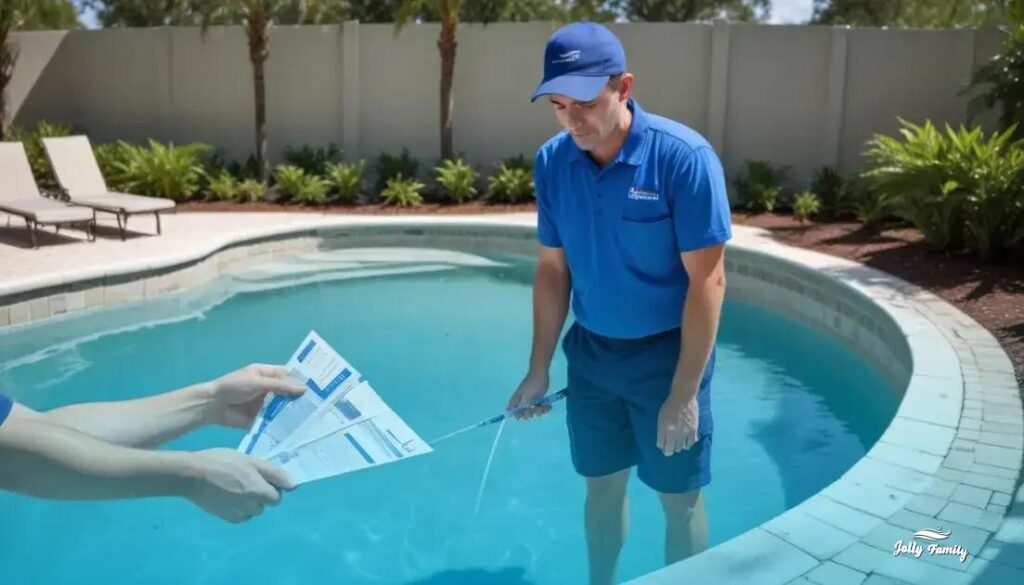
Technicians perform regular tests for pH, free chlorine, total alkalinity and cyanuric acid. They adjust levels to prevent eye irritation, equipment scaling, and algae. Chemical balance is updated after heavy rain, big parties, or heat spells to avoid sudden swings.
Cleaning and debris removal
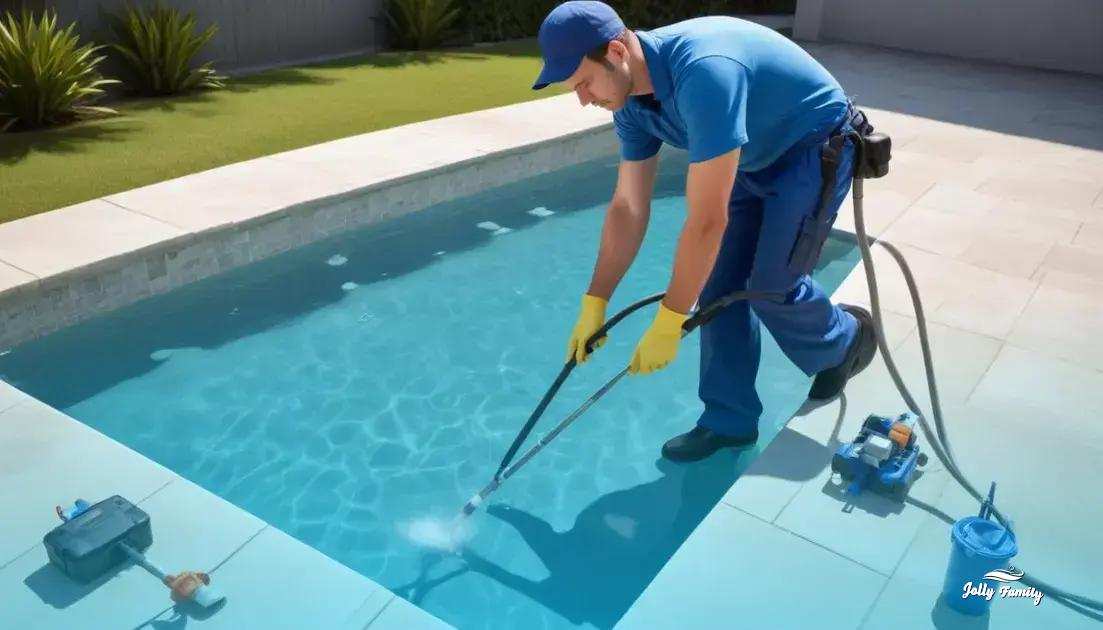
Services include skimming the surface, brushing walls and steps, vacuuming the floor, and emptying skimmer baskets. Filters are backwashed or cleaned on a set schedule to keep circulation strong and water clear.
Equipment inspection and repairs
Technicians inspect pumps, filters, heaters, timers and automation systems. They check for leaks, worn seals, and poor flow, and recommend timely repairs or part replacements to prevent costly failures.
Algae prevention and shock treatments
Routine algaecide use and occasional shock treatments stop stains and cloudy water. Pros treat problem areas quickly and use targeted products so the pool returns to safe levels faster.
Seasonal care, storm readiness and records
Local climate matters: professionals offer storm prep, startup and winter-style checks, and post-storm recovery. They keep simple service logs and photos so homeowners know what was done and when. Many plans include emergency calls and custom schedules to match usage and weather.
chemistry basics: balancing chlorine, pH and alkalinity
Keeping pool water safe starts with the right balance of chlorine, pH and alkalinity. Test often and make small adjustments to avoid big swings.
Target levels to aim for
- Free chlorine: 1–3 ppm for regular use; 3–5 ppm after heavy use or shock treatments.
- pH: 7.4–7.6 keeps water comfortable and chlorine effective.
- Total alkalinity: 80–120 ppm to stabilize pH and reduce rapid changes.
How these three interact
Alkalinity acts as a buffer for pH; if alkalinity is too low, pH will swing easily. pH controls how well chlorine kills germs — high pH lowers chlorine’s strength. Balancing all three together prevents stains, cloudy water, and equipment wear.
Practical steps to adjust levels
- Raise chlorine: add stabilized chlorine tablets or liquid chlorine; use shock for fast correction.
- Lower chlorine: stop dosing, run the pump, or dilute with fresh water for quick drops.
- Raise pH: use soda ash (sodium carbonate) in small doses and retest after circulation.
- Lower pH: add muriatic acid or sodium bisulfate carefully and retest after a few hours.
- Raise alkalinity: add baking soda (sodium bicarbonate) in measured amounts and allow full circulation.
- Lower alkalinity: combine small acid additions with aeration to bring down levels slowly.
Testing and timing tips
Test at least twice a week, and always after storms, heavy bather load, or heat waves. Test in the morning for stable readings. Use a reliable test kit or digital meter and record values so trends are easy to spot.
Safety tips: never mix chemicals directly, add chemicals to water (not water to chemical), wear gloves and goggles, and wait the recommended time before swimming after treatments. Small, frequent fixes beat emergency overcorrections.
routine maintenance plan: weekly checks and seasonal tasks
- Skim and remove debris: skim the surface, empty skimmer and pump baskets, and clear leaves from the deck area to keep flow steady.
- Test water chemistry: check free chlorine, pH and alkalinity with test strips or a digital meter and log results.
- Brush and vacuum: brush walls, steps and tile lines, and vacuum the floor to prevent algae and stains.
- Run and inspect circulation: ensure the pump runs the recommended hours, listen for unusual noises, and check pressure gauges.
- Check water level and equipment: keep water near mid-skimmer level and look for leaks, loose fittings or visible wear.
weekly checklist details
Do quick tests twice a week and a full check once a week. Small fixes now avoid big problems later. For chemistry, adjust one item at a time and retest after circulation.
monthly and quarterly tasks
Backwash or clean filters monthly if needed. Replace or deep-clean cartridges quarterly. Inspect pump seals, O-rings, and the heater or salt cell. Tighten loose clamps and lubricate fittings to prevent failures.
seasonal tasks and storm prep
Before summer, do a full startup: clean the filter, shock the pool, and verify automation settings. For storm season, secure outdoor furniture, run the pump during heavy rain to reduce standing water, and test after the storm for chemistry drift. In milder winter months, focus on algae prevention and occasional shock if the pool sees low use.
record keeping and scheduling
Keep a simple log: record dates, chemical readings, and service actions. Choose a consistent service day each week so issues show clear trends. For rentals or heavy-use pools, increase checks to every other day.
When to call a pro: if you see persistent cloudy water, recurring algae, odd noises, or equipment leaks, schedule professional service before damage spreads. Regular, small maintenance steps save time and money compared with emergency repairs.
preventive tips for homeowners and short-term rentals
Keep pools safe and ready by following simple, regular steps that work for homeowners and short-term rentals alike.
daily and turnover checklist
- Skim and clear debris: remove leaves and toys before guests arrive to keep filters from clogging.
- Test chlorine and pH: use test strips or a digital reader; adjust if levels fall outside safe ranges.
- Check equipment: glance at the pump, filter pressure, and pool lights for warning signs.
- Replace towels and clean areas: provide fresh towels and wipe wet surfaces to reduce slipping and staining.
weekly and after-heavy-use tasks
- Shock the pool after high bather load or a party to control bacteria and organic load.
- Brush walls and vacuum problem spots to prevent algae and stains.
- Backwash or clean filters if flow drops or pressure rises.
rules and guest guidance
Share clear, short rules with renters: no glass, rinse before entering, and limit sunscreens in the water. A quick checklist left for guests reduces misuse and keeps chemistry stable.
safety and liability steps
- Install safety gear: life ring, pool cover, non-slip mats, and a fence with a self-latching gate where required.
- Document maintenance: keep a log of tests, cleanings, and repairs to show you follow care routines.
- Provide emergency contacts and clear instructions for guests on what to do if something goes wrong.
smart tools and professional backup
Consider a remote monitor that reports pH and chlorine in real time for rentals. Schedule a professional check at least monthly, or more often during high season. Small, steady care prevents big problems and keeps guests happy.
how Jolly Family provides reliable, on-time pool care in Kissimmee
Jolly Family builds reliability with clear schedules, trained staff, and fast communication. Techs aim to arrive within the scheduled window and complete a full, consistent checklist each visit.
scheduling and punctuality
Fixed service windows let homeowners know the day and approximate time. Automated reminders by text or email reduce missed visits. If a tech runs late, the office notifies the customer with an updated arrival time.
trained technicians and professional standards
All technicians receive hands-on training for chemistry, equipment checks, and safe handling of chemicals. They wear a neat uniform and carry photo IDs. This creates trust and ensures consistent, quality work.
transparent records and clear communication
Every visit includes a short service log with chemical readings, actions taken, and photos when needed. Customers get easy invoices and a simple summary so they understand what was done and why.
tools, parts inventory and emergency response
Technicians stock common replacement parts and carry calibrated test kits and tools to fix small issues on the spot. For bigger repairs, the team offers quick parts ordering and an emergency contact for after-hours problems.
custom plans and quality follow-up
Plans are tailored to each pool’s use and local weather. For rentals, checks are more frequent and include guest-ready steps. After service, a follow-up note confirms the pool is safe and records next steps. Consistent, small actions prevent costly downtime and keep pools swim-ready.
Keep your pool swim-ready with steady care
Small, regular steps prevent big problems. Test water, clean filters, and skim daily when the pool is used often.
Follow a simple weekly routine: test chemistry twice, brush and vacuum, and check the pump. Log results so patterns are easy to spot.
For rentals or heavy use, increase checks and share clear rules with guests. Keep safety gear ready and post emergency contacts.
If cloudiness, algae, or odd noises persist, call a professional. Fast fixes save money and keep swimmers safe.
FAQ – professional pool care in Kissimmee, FL
What services are included in professional pool care?
Routine water testing, chemical balancing, skimming, brushing, vacuuming, filter maintenance, equipment inspections, and occasional shock or algaecide treatments.
How often should my pool be serviced?
Most pools need weekly service; heavy-use or rental pools may need checks every few days. Test chemistry at least twice a week.
How do professionals balance chlorine, pH, and alkalinity?
Technicians test levels, then adjust one parameter at a time using chlorine, soda ash or acid, and baking soda to bring values into the safe target range.
What should I do after a storm or a big party?
Remove debris, run the pump, test chemicals, and shock the pool if needed. Call a pro if water stays cloudy or algae appears.
What preventive steps help short-term rental owners?
Provide clear guest rules, keep safety gear and fresh towels, use remote monitors if possible, log maintenance, and schedule more frequent professional checks.
When should I call a professional for repairs?
Call if you see leaks, strange pump noises, persistent cloudiness, recurring algae, or if equipment shows high pressure or low flow. Early fixes save money.