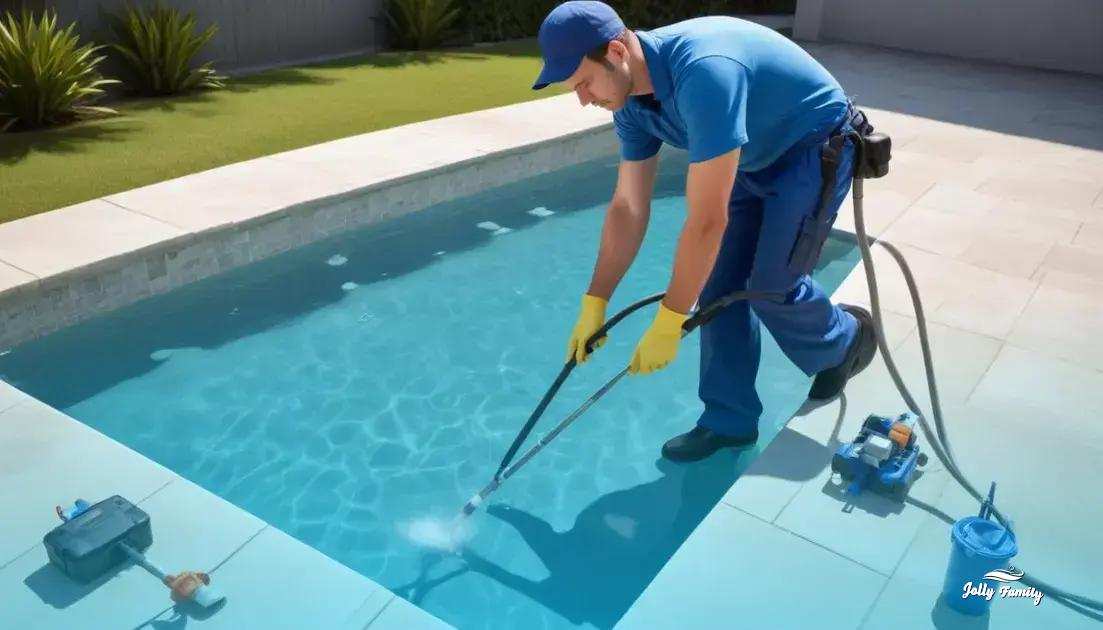

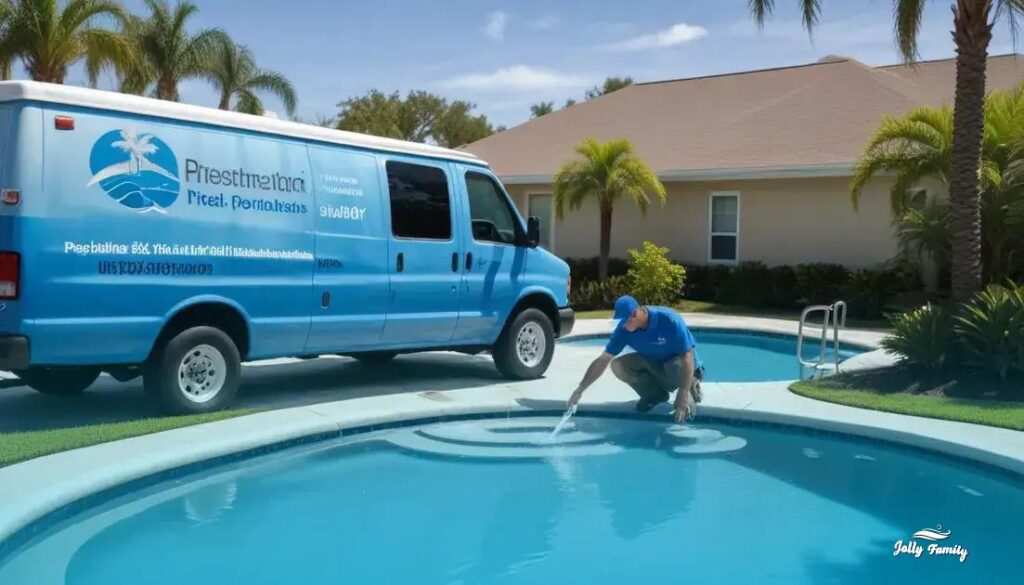
weekly pool service Orlando Kissimmee delivers scheduled visits that include skimming, brushing, vacuuming, accurate chemical testing and balancing, filter and pump checks, and equipment inspections to maintain clear, safe, guest-ready pools; choose plans tailored for homes or rentals with post-storm or same-day touch-up options.
weekly pool service Orlando Kissimmee can save you time and worry — noticed cloudy water after a weekend rental? At Jolly Family, we bring steady, family-owned care to keep pools safe and guest-ready, with clear steps you can trust.
what weekly pool service covers in Orlando and Kissimmee
Weekly pool service in Orlando and Kissimmee focuses on steady care to keep water clean and safe. Technicians handle routine tasks that prevent bigger problems later.
- Skimming and debris removal: surface leaves, bugs, and small debris are skimmed to keep water clear and filters working well.
- Vacuuming and brushing: floors and walls are brushed and vacuumed as needed to stop algae and remove settled dirt.
- Water testing and balancing: pH, chlorine (or salt system levels), total alkalinity, and calcium hardness are measured and adjusted for safe, comfortable water.
- Chemical dosing: chlorine, algaecide, or specialty treatments are added in the right amounts to prevent cloudiness and stains.
- Filter and pump checks: skimmer baskets, pump strainers, and filters are inspected and cleared to keep circulation strong.
- Equipment inspection: heaters, automation controls, lights, and chlorinators are checked for visible issues or leaks.
Local factors and extra services
Warm weather, heavy rain, and high bather loads in this region change needs fast. Many weekly plans include optional or seasonal care:
- Shock treatments after storms or heavy use to clear cloudy water.
- Tile and scum line cleaning to remove buildup from mineral-rich local water.
- Salt cell cleanings for salt systems and routine cell checks.
- Startup and winter prep for pools that see low use or cover periods.
What to expect from each visit
Most weekly visits take 30–60 minutes depending on pool size and condition. A typical checklist you’ll notice:
- Surface skim and debris removal
- Brush and spot vacuum
- Water test and chemical adjustments
- Empty skimmer and pump baskets
- Quick equipment walk-through
Good communication matters: reliable services leave notes or send photos when they find problems, so you know what they did and what to watch for.
how Jolly Family balances chemicals for safe, crystal-clear water
Jolly Family balances pool chemicals with a clear, repeatable routine to keep water safe and clear. Technicians test water, add treatments, and monitor results each visit.
Common steps Jolly Family follows
- Accurate testing: use a digital meter and test strips to measure pH, free chlorine, total alkalinity, and calcium hardness.
- pH control: adjust pH to the ideal range of 7.2–7.6 so chlorine works well and skin/eyes stay comfortable.
- Chlorine management: keep free chlorine around 1–3 ppm for residential pools; use shock when combined chlorine rises or after heavy use.
- Total alkalinity: maintain 80–120 ppm to stabilize pH and reduce swings after rain or additives.
- Calcium hardness: aim for 200–400 ppm to prevent scaling or corrosion on surfaces and equipment.
- Stabilizer (cyanuric acid): monitor levels, often kept between 30–50 ppm for outdoor pools to protect chlorine from sun breakdown.
- Salt systems: clean cells and check output; adjust salt level per manufacturer guidelines when used.
When water is cloudy or the pool sees heavy use, Jolly Family performs a shock treatment (breakpoint chlorination) to remove combined chlorine and organic buildup. They also use algaecides or clarifiers only when needed to avoid unnecessary chemical overuse.
Notes on safety and communication
- Technicians wear gloves and measure chemicals precisely to avoid overdosing.
- Records are kept each visit so trends show if levels drift after storms or rentals.
- Customers get simple notes or photos explaining changes and any recommended follow-up actions.
These steady steps help prevent stains, scale, and equipment issues while keeping swims comfortable and safe for families and guests.
common problems avoided with consistent weekly maintenance
Regular weekly maintenance prevents small issues from turning into costly repairs. Technicians catch problems early and keep the pool safe and swim-ready.
- Algae blooms: caused by low sanitizer or poor circulation. Weekly brushing, proper chlorine levels, and spot treatments stop algae before it spreads.
- Cloudy water: often from imbalanced chemicals or clogged filters. Routine testing and filter cleaning restore clarity quickly.
- Clogged filters and poor flow: leaves and debris reduce circulation and stress the pump. Emptying skimmer baskets and backwashing or cleaning filters prevents flow loss.
- Equipment failures: worn seals, blocked impellers, and loose fittings can lead to breakdowns. Weekly inspections find leaks, odd noises, or pressure changes early.
- Stains and scale: high calcium or wrong pH leaves mineral buildup on tile and surfaces. Keeping calcium and pH in range and occasional tile cleaning avoids permanent marks.
- Salt cell buildup: in salt systems, calcium can coat the cell and lower output. Regular cell checks and cleaning keep salt systems efficient.
- High chemical use and odors: heavy bather loads or organic waste raise chlorine demand. Targeted dosing and shock treatments after events reduce waste and smell.
- Safety hazards: low sanitizer or slippery scum lines increase health and slip risks. Weekly testing and cleaning keep swimmers safe.
Signs technicians catch early
- Small color shifts or cloudy patches in one area of the pool.
- Rising filter pressure or weak return jets.
- Strange noises from the pump or heater during a brief run test.
- Visible scum line, tile discoloration, or hard-water deposits.
- Rapid chemical swings after rain or heavy use.
By addressing these items every week—testing water, adjusting chemicals, clearing baskets, brushing surfaces, and inspecting equipment—services avoid most common failures and keep costs lower over time.
choosing the right weekly plan for your home or rental property
Weekly plans differ by service level and the property’s needs. Picking the right one saves money and avoids last-minute fixes.
Plan options and what they include
- Basic chemical-only: water test, chemical dosing, quick skim. Good for low-use family pools.
- Standard full-service: skimming, brushing, spot vacuuming, testing, chemical balance, and equipment check.
- Rental-ready plan: full-service plus extra cleaning, shock or clarifier after guests, same-day touch-ups when needed.
- Premium or add-ons: filter cleanings, tile scum-line removal, salt cell service, heater checks, and rapid response visits.
How to choose for home vs. rental
Consider use, turnover, and local conditions. A homeowner with light use may need a basic or standard plan. A vacation rental with daily guests usually needs a rental-ready plan with reliable same-day options.
- Bather load: more swimmers mean more chemicals and cleaning.
- Turnover speed: rentals need quick, proven service between guests.
- Pool size and features: larger pools, waterfalls, or hot tubs raise time and cost.
- Equipment type: salt systems, heaters, or automation need specific checks.
- Local debris and weather: palm trees, storms, and high temperatures increase maintenance needs in Orlando/Kissimmee.
Cost drivers and scheduling
Prices reflect visit length, supplies, travel, and extras. Ask how often filters are cleaned and whether shocks or algaecides cost extra. Weekly visits usually take 30–60 minutes, but large or rental-ready jobs may take longer.
Questions to ask a provider
- What exactly is included each visit?
- Do you provide photos or notes after service?
- How fast can you respond to urgent problems?
- Are technicians insured and trained?
- Is there a clear pricing breakdown and contract terms?
Pick a plan that matches how the pool is used, the local climate, and the owner’s tolerance for risk. Clear expectations and communication reduce surprises and keep the pool guest-ready.
what to expect from a visit: checklist and local scheduling tips
Expect a focused, efficient visit that covers cleaning, testing, and a quick equipment check. Most weekly stops last 30–60 minutes depending on pool size and condition.
Typical visit checklist
- Surface skim and debris removal
- Brush tile and walls, spot vacuum where needed
- Test water chemistry and adjust pH, chlorine, and alkalinity
- Empty skimmer and pump baskets
- Check filter pressure and clear visible blockages
- Inspect pump, heater, lights, and automation for leaks or odd sounds
- Apply shock or clarifier only when required
- Leave a short service note or photo documenting actions and follow-ups
Local scheduling tips for Orlando and Kissimmee
- Plan around storms: heavy rain can change chemistry quickly; schedule an extra post-storm visit if needed.
- High season and rentals: vacation properties often need same-day or pre-arrival touch-ups for guest turnovers.
- Best days: midweek visits avoid weekend heavy use and help keep pools ready for weekend guests.
- Time windows: ask for a preferred window (morning or afternoon) and request photo confirmation when access is limited.
- Holiday and event planning: schedule an extra service before large gatherings to avoid last-minute issues.
How to prepare and what owners should do
- Clear pool toys, floats, and covers from the deck before the technician arrives.
- Secure pets and leave gate codes or lockbox info if needed.
- Ensure easy access to the equipment pad; trimming plants or removing obstacles saves time.
- Note special systems (salt, heater, automation) so the tech brings the right tools.
Communication and billing expectations
- Reliable services send notes, photos, or short reports after each visit showing test results and actions taken.
- Ask about emergency response times and extra-visit fees for shocks, tile cleaning, or filter deep cleans.
- Confirm billing cycle, included supplies, and how add-ons are charged to avoid surprises.
Clear expectations and simple prep reduce visit time and keep the pool guest-ready. Good providers make scheduling flexible and communicate issues early.
Keep your pool safe and ready all season
Weekly service keeps water clear, equipment running, and small issues from growing. Regular checks save time and money over the long run.
In Orlando and Kissimmee, weather and guest turnover can change needs fast. Choosing the right weekly plan and clear communication with your provider makes a big difference.
Ask for a checklist, photos, and quick response options so you know what to expect after every visit. Simple prep on your side also speeds service and lowers costs.
Start with one reliable weekly plan and adjust as you learn your pool’s needs. Consistent care keeps swimmers safe and your pool looking its best.
FAQ – Weekly pool service in Orlando & Kissimmee
What does weekly pool service typically include?
A weekly visit usually covers surface skimming, brushing, spot vacuuming, testing and adjusting chemicals, emptying skimmer and pump baskets, and a quick equipment check.
When should I schedule extra visits after storms or heavy guest use?
Schedule an extra visit within 24–48 hours after heavy rain or high bather loads. For rentals, same-day touch-ups before guest arrival are best when possible.
How are prices for weekly pool service determined?
Cost depends on pool size, visit length, travel, supplies, and extras like shocks or tile cleaning. Ask providers for a clear breakdown and any add-on fees.
Can weekly service prevent equipment failures?
Regular inspections catch leaks, rising filter pressure, and worn parts early, reducing breakdown risk. It lowers but does not eliminate the chance of sudden mechanical failure.
Do vacation rentals need a different weekly plan than a home pool?
Yes. Rentals often need a rental-ready plan with extra cleaning, shock or clarifier after guests, and faster response options between turnovers.
How do salt systems change maintenance needs?
Salt systems need cell checks and periodic cleaning to remove calcium buildup. Technicians also monitor and adjust salt levels per manufacturer guidelines.