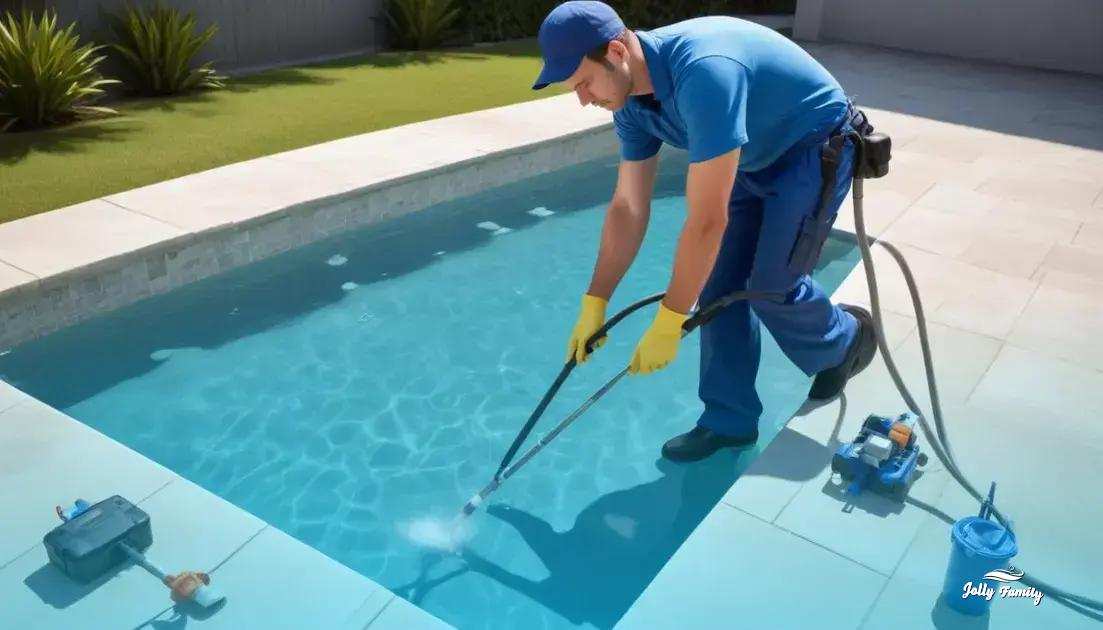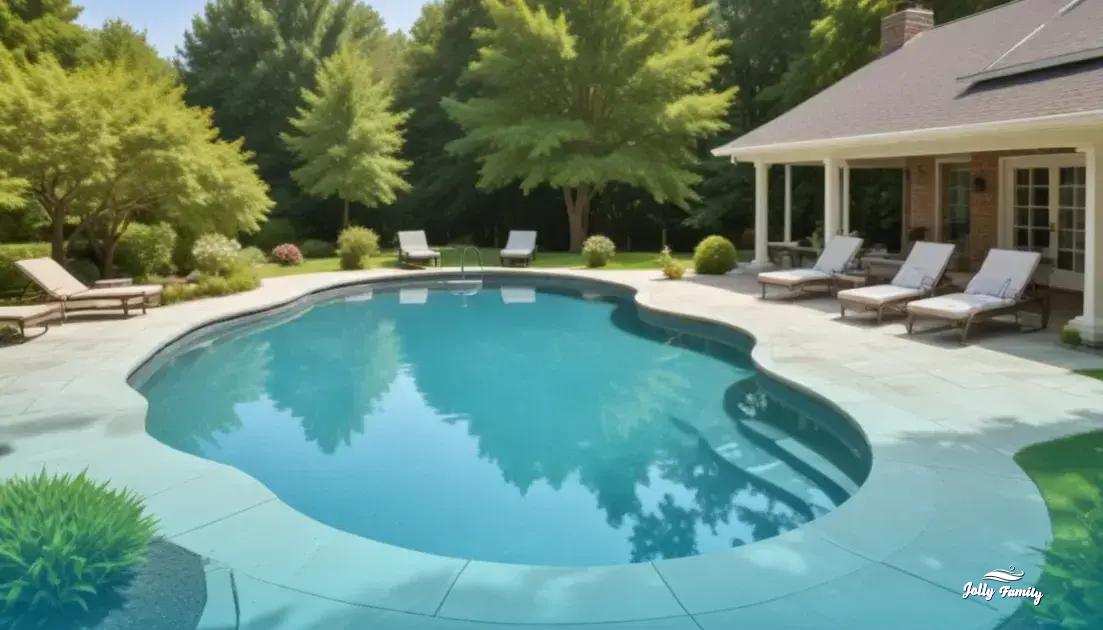


pool cleaning and chemical service Kissimmee delivers weekly expert water testing, precise chemical dosing, filter maintenance, and emergency shock treatments to keep water clear, safe, and equipment protected, offering digital service reports, trained technicians, and rapid response for algae or equipment failures.
pool cleaning and chemical service Kissimmee can save you time and headaches by keeping water balanced and safe. Curious how a trusted, family-owned team like Jolly Family handles weekly checks and chemicals?
why regular pool cleaning matters in Kissimmee
Regular pool cleaning in Kissimmee matters because warm weather, frequent storms, and pollen make pools dirty very quickly. Neglect can cause cloudy water, algae growth, and swimmer irritation.
Health and safety
Bacteria and organic waste build up fast in warm water. Keeping a stable sanitizer level reduces risk of skin and eye irritation and stops harmful microbes. Weekly testing helps protect family and guests.
Chemical balance and equipment longevity
pH, total alkalinity, and sanitizer levels must stay in range to avoid corrosion or scale. Poor balance stresses pumps, heaters, and filters. Regular dosing and filter care extend equipment life and cut repair costs.
Routine tasks and schedule
- Skim surface daily to remove leaves and pollen.
- Brush walls and steps twice a week to prevent algae.
- Vacuum or run automatic cleaner weekly for settled debris.
- Clean or backwash the filter monthly, or as pressure indicates.
- Test water at least once a week and adjust chemicals promptly.
Signs your pool needs attention
Watch for green or cloudy water, visible algae spots, strong chlorine smell, or steadily rising filter pressure. These signs mean you need immediate cleaning or shock treatment.
Quick homeowner tips
Run the pump long enough each day for one full turnover (usually 8–12 hours). Store chemicals in a cool, dry place and follow label directions. When problems persist, call a local pro—small, regular steps prevent big, costly issues.
understanding chemical balance: tests, common problems and quick fixes
Maintaining proper chemical balance keeps pool water clear, safe, and comfortable. Small shifts in pH or sanitizer can quickly cause cloudy water, algae, or irritated eyes. Regular tests help you spot problems before they become costly.
Essential tests to perform
Test at least once a week and after heavy rain or parties. Use simple tools: test strips for quick checks, a liquid DPD kit for accurate chlorine reading, and a digital pH/ORP meter for precision. Also check cyanuric acid (stabilizer) and calcium hardness monthly.
- Free chlorine: aim for 1–3 ppm.
- pH: keep between 7.4 and 7.6 for comfort and sanitizer efficiency.
- Total alkalinity: 80–120 ppm to buffer pH swings.
- Calcium hardness: 200–400 ppm to avoid scaling or corrosion.
- Cyanuric acid: 30–50 ppm for outdoor chlorine pools.
Common problems and why they happen
High pH causes cloudy water and scale on equipment. Low pH can corrode metal parts and irritate skin. Low chlorine lets algae and bacteria take hold. High combined chlorine (chloramines) causes a strong chlorine smell and reduced protection.
Quick fixes you can do today
- If pH is high, add a pH reducer such as sodium bisulfate or muriatic acid in small doses and retest after a few hours.
- If pH is low, raise it with soda ash (sodium carbonate) following package instructions and retest.
- To raise total alkalinity, add baking soda gradually; to lower it, use small amounts of acid while monitoring pH.
- For low chlorine, perform a chlorine shock treatment and run the pump until levels return to the target range.
- If cyanuric acid is too high, dilute the pool water by partial drain and refill; high CYA reduces chlorine effectiveness.
When tests keep failing
If readings swing wildly despite corrections, check filter function and circulation. Persistent algae or cloudy water after proper dosing usually means you should call a professional. A pro can perform a complete water analysis and recommend safe, specific dosages.
Always follow product labels, store chemicals safely, and wear gloves and eye protection when handling pool chemicals. Small, regular tests and adjustments keep your pool inviting all season.
how Jolly Family schedules and performs routine pool maintenance
Jolly Family schedules pool care to fit your routine. Customers choose weekly, biweekly, or custom plans. We provide an arrival window, automated reminders, and try to send the same trained technician for continuity. Weather and season adjust visits automatically.
Typical maintenance visit
- Arrival and inspection: quick walk-around to note debris, leaks, or visible equipment issues.
- Cleaning: skim surface, brush walls and steps, vacuum settled debris, and empty skimmer baskets.
- Water testing: measure pH, free chlorine, total alkalinity, calcium hardness, and stabilizer levels.
- Chemical balancing: dose precise amounts to reach target ranges and allow time for circulation.
- Equipment care: backwash or clean filters, inspect pump and skimmer, and check heater or automation settings.
- Documentation: log test readings, chemicals added, and take photos of any issues for the customer record.
Communication and follow-up
After each visit you get a clear digital report with numbers, what we changed, and photos. If we find a problem that needs more work, we explain options and give a transparent quote before extra services.
Safety and quality control
Technicians use gloves, eye protection, and follow label instructions for all chemicals. Meters and test kits are calibrated regularly. Supervisors run spot checks to keep service consistent.
When urgent issues appear—heavy algae, cloudy water after storms, or equipment failure—Jolly Family offers priority visits and temporary treatments to restore safe swim conditions until repairs are scheduled.
signs your pool needs emergency chemical service or shock treatment
Watch for clear signs that your pool needs emergency chemical service or a shock treatment. Acting fast prevents bigger problems and keeps swimmers safe.
Common visual and sensory signs
- Green or cloudy water: often algae or heavy organic load.
- Musty or strong chlorine smell: indicates chloramines or poor sanitizer action.
- Visible algae patches: fuzzy or slimy growth on walls and steps.
- Persistent eye or skin irritation: can mean unbalanced pH or contaminants.
- Rapidly rising filter pressure: trapped debris or biofilm reducing flow.
Immediate actions you can take
- Test the water right away for pH, free chlorine, total alkalinity, and cyanuric acid.
- Keep swimmers out until levels return to safe ranges.
- Skim leaves and debris, brush affected surfaces, and run the pump to improve circulation.
- Backwash or clean the filter if pressure is high before dosing chemicals.
How to perform a basic shock safely
When shock is needed, choose the correct product and follow label directions. Always wear gloves and eye protection, and never mix chemicals. Common steps include:
- Calculate pool volume to determine dose.
- Dissolve granules if required by the product instructions or use a proper feeder.
- Apply shock in the evening for best effect and run the pump for several hours.
- Retest after treatment and wait until free chlorine returns to safe swim levels before using the pool.
When to call an emergency chemical service
Contact professionals if algae returns after shock, if you cannot stabilize readings, if equipment fails, or if you see unusual color or odors. A pro can perform a full water analysis, deep clean filters, and apply higher-strength treatments safely.
Safety note: store chemicals away from heat and moisture, follow label directions, and call a pro for large-scale problems. Quick, correct action limits damage and restores safe swimming.
choosing the right local service: questions to ask and what to expect
Pick a local pool service that answers your questions clearly and shows safe habits. Good companies explain work, cost, and what you will get.
Questions to ask
- Are you licensed and insured? This protects you if a technician is injured or causes damage.
- What services are included? Ask if visits include skimming, brushing, testing, filter cleaning, and chemical dosing.
- How often will you visit? Confirm weekly, biweekly, or custom schedules and how weather or holidays are handled.
- Which chemicals and brands do you use? Safe, approved products and clear dosing matter for health and pool life.
- Do you provide written reports? A good service gives test numbers, chemicals added, and photos after each visit.
- What are your emergency response options? Learn about priority visits, extra fees, and typical response times.
What to expect from a routine visit
- Technician inspects the pool area and equipment for obvious issues.
- They clean: skim, brush, vacuum, and empty baskets.
- Water is tested for pH, chlorine, alkalinity, and stabilizer; chemicals are added to reach targets.
- Filters are checked and cleaned or backwashed as needed.
- You receive a short digital report with readings and notes.
How to compare quotes
- Compare the exact services listed, not just price. Cheaper plans may skip filter care or full testing.
- Ask about setup fees, hidden charges, and contract length.
- Look for clear pricing on extra services like stain removal, equipment repair, or shock treatments.
- Request references or online reviews from local customers to confirm reliability.
Red flags to watch for
- Vague answers about licensing, chemicals, or insurance.
- No written report or test results after visits.
- Pressure to sign a long contract without a trial period or clear terms.
- Technicians who ignore safety gear or mix chemicals carelessly.
Final tips
Ask for a short trial or a single service visit first. Keep records of visits and readings so you can spot trends. Clear communication and visible safety practices usually mean a reliable local team.
Keep your Kissimmee pool safe and ready
Regular care prevents most pool problems and keeps water clear, safe, and inviting. Small tasks like weekly testing, skimming, and proper dosing stop algae, protect equipment, and save money.
Watch the simple signs: cloudy or green water, strong odors, or rising filter pressure. When you see these, test the water, run circulation, and consider a shock or a professional visit if readings don’t improve.
Choose a reliable local team for routine checks and fast emergency help. With steady maintenance and quick action, your pool stays a safe, low-stress place for family fun all year.
FAQ – pool cleaning and chemical service Kissimmee
How often should I have my pool serviced in Kissimmee?
Weekly service is best in Kissimmee due to heat and pollen. Biweekly can work for low use, but weekly keeps chemistry steady and prevents algae.
What tests should a technician perform each visit?
A good technician tests pH, free chlorine, total alkalinity, calcium hardness, and cyanuric acid. They record readings and adjust chemicals as needed.
When is a shock treatment necessary?
Shock is needed for green or cloudy water, after heavy bather load, or when chlorine is very low. It kills organic contaminants and restores sanitizer power.
Can I handle chemical adjustments myself safely?
Yes for basic dosing if you follow labels, wear gloves and goggles, and know pool volume. For large swings, algae, or equipment issues, call a pro.
What should I ask when choosing a local pool service?
Ask about licensing, insurance, included services, frequency, emergency response, and whether they provide written reports with test results.
What counts as a pool emergency and how fast should I expect help?
Emergencies include heavy algae bloom, bad odors from chloramines, or equipment failure. Ask providers about priority visits; many offer same‑day or next‑day response for urgent problems.