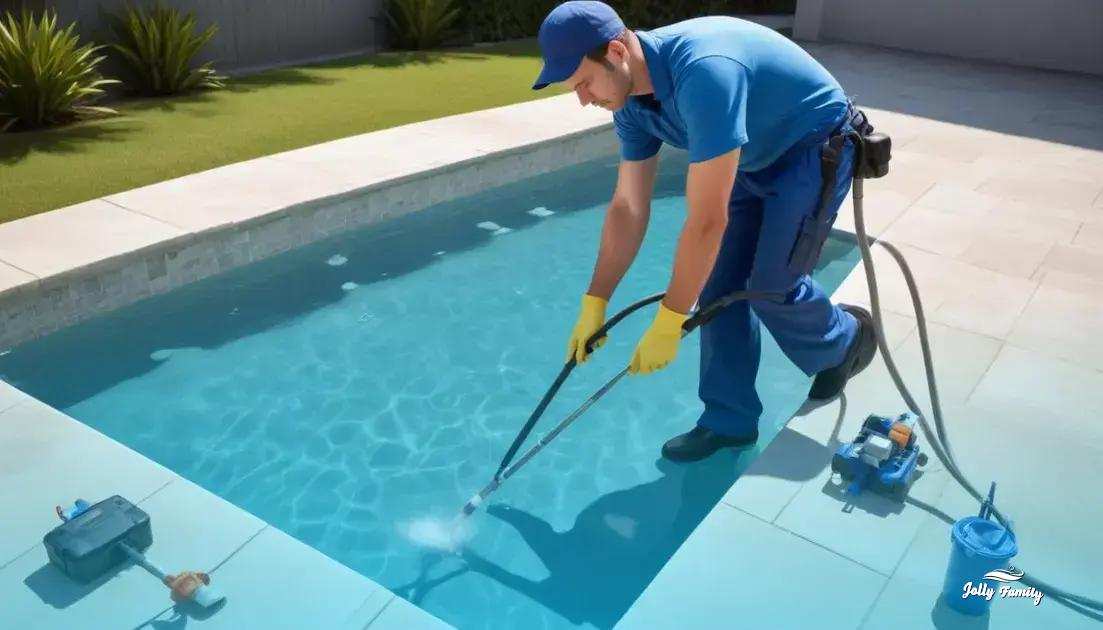


reliable weekly pool service Kissimmee provides scheduled chemical testing, filtration maintenance, debris removal, and equipment inspections to maintain clear, safe water, prevent algae and costly repairs, adapt care after storms or seasonal shifts, and deliver documented reports so homeowners have predictable performance and reduced risk.
reliable weekly pool service Kissimmee can save you time and headaches while keeping water clear and safe. Curious what a weekly visit actually changes? With Jolly Family on schedule, you get steady care, fewer surprises and practical tips to protect your pool and family.
why weekly pool service matters in Kissimmee climate
Kissimmee’s hot, humid weather and frequent afternoon storms make pools prone to rapid algae growth, cloudy water, and fluctuating chemistry. Weekly checks help you stay ahead of changes and protect your investment.
Practical benefits of weekly service
Consistent chemical balance keeps sanitizer levels steady so bacteria and algae don’t take hold. Small adjustments each week prevent big swings that require heavy shock treatments.
- Algae prevention: regular brushing and proper chlorine reduce green or slimy water.
- Clear water: routine filtration checks and vacuuming remove debris after storms.
- Equipment protection: early detection of pump stress, leaks, or filter clogging avoids costly repairs.
- Health and safety: balanced water lowers risks of eye and skin irritation and unsafe bacteria levels.
After heavy rain or heat spikes, a weekend visit can be the difference between a quick fix and a major problem. Technicians can adjust chemicals, clean skimmers, and test for combined chlorine to keep water inviting.
For homeowners who use their pool often, weekly service means fewer surprises and more time enjoying the water. Even if you test occasionally, professional service catches hidden issues and offers simple, actionable tips to maintain a safe pool all year.
what a reliable weekly visit includes: checklist for owners
During a weekly visit a trained technician follows a clear checklist to keep your pool safe and ready to use. The steps focus on water chemistry, equipment function, and visible cleanliness.
Weekly checklist technicians perform
- Test and balance chemicals: measure free chlorine, pH, total alkalinity, and adjust to safe ranges.
- Shock and sanitize when needed: apply shock after heavy use or visible contaminants.
- Clean skimmers and pump baskets: remove leaves and debris to keep circulation efficient.
- Inspect and clean filter: check pressure, backwash or clean cartridges if required.
- Brush and vacuum surfaces: remove algae and settled dirt from walls and floor.
- Check equipment: inspect pump, heater, timers, and visible plumbing for leaks or wear.
- Measure water level and fill if low: maintain proper level for skimmer operation.
- Record readings and recommendations: log chemical values, actions taken, and follow-up suggestions.
What owners should prepare
- Clear the pool area of toys and floats so technicians can work quickly.
- Ensure access to equipment, gate codes, or a safe entry point.
- Tell the technician about recent heavy use, pets, or recent storms.
- Keep a simple list of recurring issues so the tech can prioritize checks.
Questions to ask your service
- Which chemical ranges do you maintain and why?
- How do you treat algae or cloudy water most effectively?
- When will you recommend filter cleaning or part replacement?
- Can you show temperature and chemical readings on the spot?
Knowing this checklist helps you evaluate a provider and spot missed steps. A good weekly visit is efficient, transparent, and leaves clear notes so you can track trends and avoid costly surprises.
chemical balance, water clarity and pool safety practices
Balanced water is the foundation of a safe, clear pool. Regular checks stop problems early and protect equipment from corrosion or scale.
Key chemical targets
- Free chlorine: keep between 1–3 ppm to kill bacteria.
- pH: aim for 7.2–7.6 so chlorine works well and swimmers stay comfortable.
- Total alkalinity: maintain 80–120 ppm to stabilize pH.
- Cyanuric acid (stabilizer): for outdoor pools, 30–50 ppm helps protect chlorine from sunlight.
Test at least once a week and more often after storms or heavy use. Use test strips or a digital meter and record results so you spot trends.
Maintaining clear water
- Filtration: run the pump long enough each day to cycle the pool volume; clean or backwash filters per pressure readings.
- Skimming and vacuuming: remove leaves and debris to prevent cloudiness and algae growth.
- Use clarifiers and enzymes: when particles are fine or oils build up, small doses help the filter capture them.
- Shock treatments: apply shock after heavy use, high combined chlorine, or visible cloudiness to restore clarity quickly.
Pool safety practices
- Keep sanitizer in range: low chlorine raises infection risk; high levels irritate eyes and skin.
- Post simple rules: no running, no diving in shallow areas, and shower before swimming to reduce contaminants.
- Maintain barriers: fences, self-latching gates, and covers reduce accidental access by children or pets.
- Emergency gear: have a life ring, reaching pole, and phone nearby. Check lighting for night swims.
- Equipment checks: ensure pumps, heaters, and drains are in safe working order; cover suction outlets to prevent entrapment.
Small actions each week—testing, skimming, and quick fixes—keep water clear and protect your family and your pool investment.
preventive care and seasonal adjustments for year-round pools
Year-round pools in Kissimmee need small seasonal tweaks to stay healthy. Heat, sudden storms, and occasional cool nights change how often you must clean, test, and run equipment. Weekly preventive care cuts risk of damage and keeps water ready to use.
Adjust service frequency by season
- Summer (wet season): increase checks after heavy rain or high use to control algae and combined chlorine.
- Storms and hurricane season: schedule a post-storm visit to remove debris, rebalance chemicals, and inspect equipment.
- Cooler months: cut back on shock frequency but keep weekly tests to avoid pH drift and scale buildup.
Preventive maintenance tasks technicians handle
- Filter care: clean or backwash before pressure rises; inspect cartridges and seals.
- Equipment inspection: check pumps, timers, salt cells, heaters, and valves for wear or leaks.
- Lubrication and seals: replace O-rings and lubricate fittings to prevent small leaks turning into big repairs.
- Automation and settings: adjust pump run time and chemical feeders seasonally for efficient operation.
Easy owner actions between visits
- Remove leaves and toys after storms to reduce load on the filter.
- Run the pump long enough each day—more hours in hot months, fewer in cool periods.
- Use a cover when possible to cut evaporation and debris, and lower chemical demand.
- Note unusual noises, drops in pressure, or cloudy water and tell your technician at the next visit.
Plan and record seasonal changes
Keep a simple log of readings, service actions, and weather events. A clear record helps your technician spot patterns and recommend timing for filter changes, part replacements, or extra treatments before trouble starts.
how Jolly Family delivers consistent, trustworthy weekly maintenance
Jolly Family delivers steady weekly pool care by following a strict routine and clear communication. Each visit focuses on safety, water clarity, and preventing small issues from growing.
Standardized visit steps
- Consistent checklist: technicians complete the same step-by-step list every week—test chemicals, clean skimmers, inspect equipment, and log results.
- Trained technicians: staff receive hands-on training and continuing education on local climate impacts and modern pool systems.
- Quality tools: technicians use calibrated meters, test strips, and up-to-date cleaning gear to ensure accurate readings and effective treatment.
- Photographic proof: routine photos of equipment and water conditions document the visit and help track changes over time.
Communication and transparency
- Digital reports: after each service, customers get a clear report with chemical levels, actions taken, and recommended next steps.
- Easy scheduling: online slots and reminder messages keep service dates consistent so maintenance never falls behind.
- Clear pricing: straightforward fees and notes on extra repairs help homeowners make fast, informed choices.
Preventive focus and follow-up
- Trend tracking: weekly logs reveal gradual shifts so techs fix small problems before they become costly.
- Seasonal adjustments: technicians tweak run times, chemical dosages, and equipment settings based on weather and pool use.
- Rapid response: if a major issue appears, the team offers prompt repair options and clear timelines.
Trust and peace of mind
- Background-checked staff: vetted technicians arrive in uniform and drive marked vehicles for easy ID.
- Service guarantees: common-sense warranties and redo policies ensure work meets standards.
- Owner tips: technicians leave short, practical advice so homeowners can help maintain results between visits.
These building blocks—routine, training, clear reports, and preventive thinking—define how Jolly Family keeps pools safe and ready each week.
Final thoughts on weekly pool care
Regular weekly pool service keeps water safe, lowers long-term costs, and prevents surprises. Small fixes now avoid big repairs later.
Testing, cleaning, and equipment checks each week maintain clarity and protect your pool in Kissimmee’s hot, storm-prone weather. Seasonal tweaks and quick post-storm visits really help.
Pick a provider that gives clear reports, trains technicians, and answers quickly. Keep a simple log and clear the pool area so each visit works best.
If you want more free time and peace of mind, schedule a reliable weekly service or ask for an inspection to see immediate benefits.
FAQ – reliable weekly pool service Kissimmee
What does a reliable weekly pool service include?
A typical weekly visit tests and balances chemicals, cleans skimmers and filters, brushes and vacuums surfaces, inspects equipment, and records readings.
How often should my pool be serviced in Kissimmee’s climate?
Weekly service is recommended year-round; increase checks after heavy rain, storms, or periods of heavy use to prevent algae and chemistry swings.
How can I prepare my pool before the technician arrives?
Remove toys and floats, clear access to equipment, note recent heavy use or storms, and provide gate codes or a safe entry point if needed.
What should I look for when choosing a weekly service provider?
Choose a company with trained, background-checked technicians, clear digital reports, standardized checklists, transparent pricing, and prompt communication.
Will weekly service prevent costly repairs?
Yes. Weekly checks catch small issues—clogged filters, pump stress, leaks—early, reducing the chance of major repairs and extending equipment life.
What safety measures should a pool service emphasize?
Ensure sanitizer levels are kept in range, maintain proper barriers (fences, gates), keep emergency gear available, and cover suction outlets to prevent entrapment.