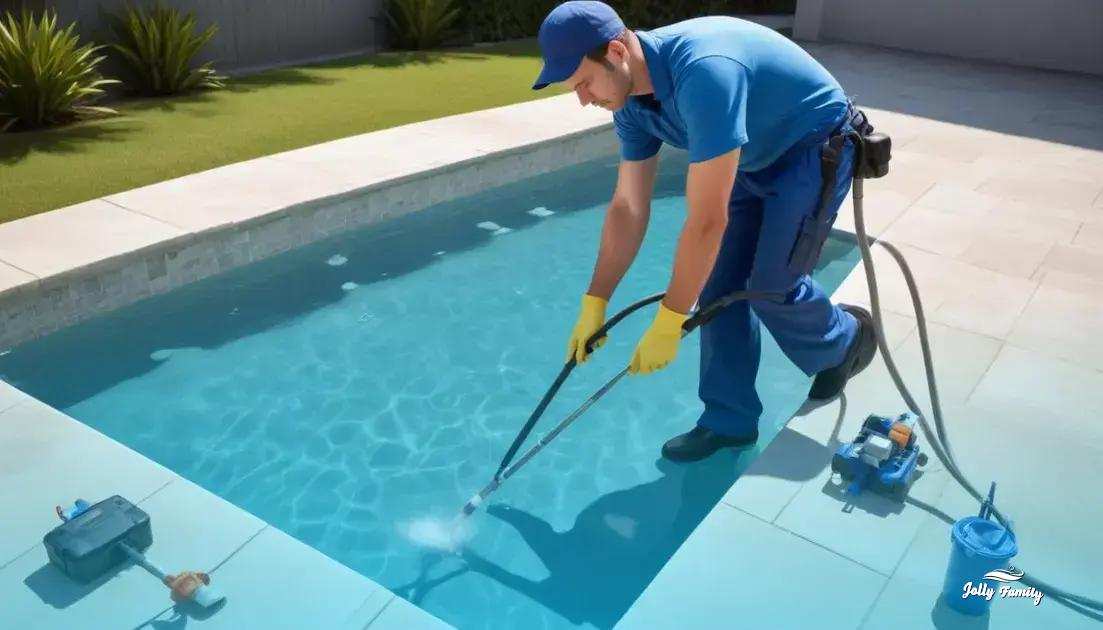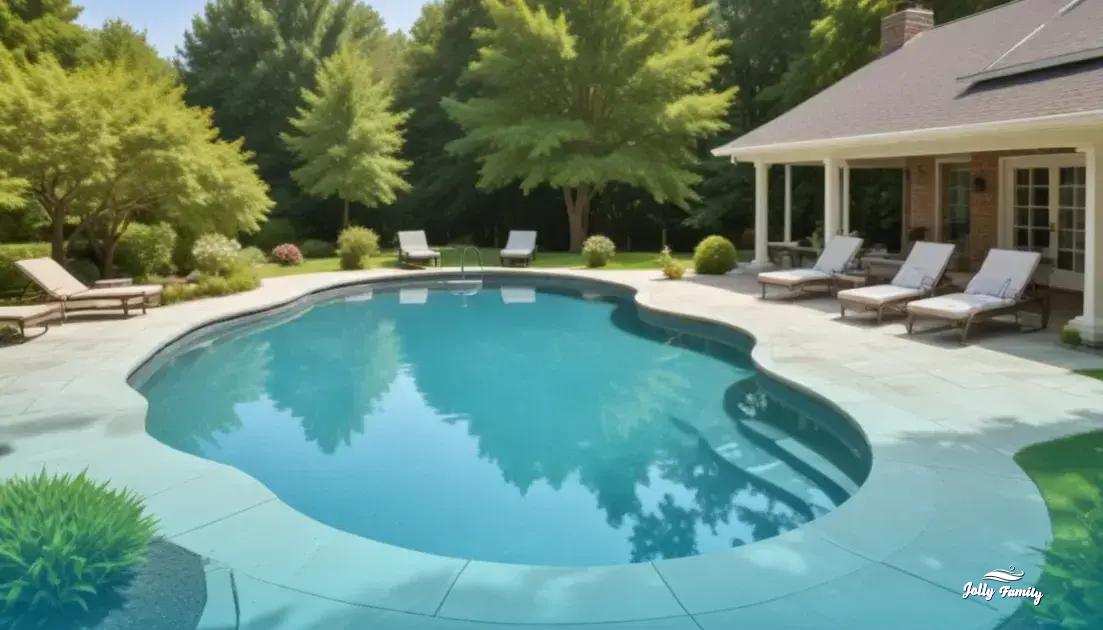


pool cleaning experts Kissimmee Florida provide weekly cleaning, precise chemical balancing, equipment inspections, and storm recovery to keep pools clear and safe; they deliver transparent service records, rapid response for pump or algae issues, and preventive maintenance plans tailored to local heat, humidity, and rain patterns.
pool cleaning experts Kissimmee Florida; Ever noticed how quickly a pool can go from inviting to cloudy after a weekend of guests? I’ve helped Kissimmee families restore clear, safe water fast — here’s what to watch for and how Jolly Family stays on top of routine care.
why routine pool maintenance matters for Kissimmee homeowners
Routine pool care matters in Kissimmee because the hot, humid weather speeds algae growth and raises evaporation. Regular attention keeps water clear, swimmers safe, and bills lower.
Health and safety
Unbalanced water lets bacteria and eye‑irritating chemicals build up. Test chlorine and pH at least twice a week and after heavy use or storms. Shock the pool when readings stray from the safe range to avoid illness.
Keep water clear and prevent algae
Debris, leaves, and warm temperatures feed algae. Skim the surface daily, brush walls weekly, and vacuum as needed. Clean or backwash filters when flow drops or pressure rises.
Protect equipment and cut costs
Clogged filters and running pumps too long cause wear. Simple checks—clean pump baskets, inspect seals, and keep water level steady—extend gear life and prevent costly repairs.
Easy maintenance checklist
- Daily: skim surface, check water level.
- Weekly: test chemicals, brush walls, vacuum, clean skimmer.
- Monthly: inspect pump and filter, check for leaks, clean filter cartridges.
- Seasonal: deep clean, service heater or pump, adjust care for heavy rain or cold snaps.
Spot common signs early: cloudy water, green tints, strong chlorine smell, or reduced filter flow. When problems persist, call a local professional to avoid bigger issues.
how Jolly Family handles weekly cleaning and chemical balance
Each weekly visit follows a clear routine so pools stay safe and balanced. The Jolly Family team moves fast and checks everything that matters.
arrival and quick inspection
Technician checks water level, looks for debris, and inspects pump and filter for obvious issues. Quick fixes like refilling the water or clearing a skimmer happen first to keep equipment running.
cleaning steps
- Skim and remove debris: surface leaves and bugs are cleared every visit.
- Brush walls and steps: prevents algae from settling on surfaces.
- Vacuum or automated sweep: removes settled dirt so filters work efficiently.
- Clean skimmer and pump baskets: keeps water flowing and reduces strain on the system.
testing and chemical balance
Technicians use a digital meter and test strips to measure free chlorine, pH, total alkalinity, and stabilizer. Target ranges guide adjustments: chlorine 1–3 ppm, pH 7.2–7.6, alkalinity 80–120 ppm, stabilizer 30–50 ppm.
When values are off, Jolly Family doses measured chemicals—chlorine, pH up or down, and alkalinity adjusters—following safe, standard doses. If chlorine is low after heavy use or rain, they shock the pool to restore clear water quickly.
filter care and equipment checks
Filters are inspected weekly for pressure changes. If pressure is high or flow is low, the tech will backwash or clean cartridges. Pumps, seals, and visible plumbing are checked for leaks or unusual noise.
record keeping and homeowner notes
Every visit includes a short report with readings and actions taken. Technicians note upcoming needs like filter replacement or suspected leaks and suggest follow-up when necessary. Clear records help avoid recurring problems and keep the service predictable.
when to schedule extra service
- Cloudy water after routine treatment
- Visible algae or persistent green tint
- Low flow, frequent filter clogs, or strange pump noises
If any of these appear, Jolly Family recommends a deeper service call to correct the issue before it gets worse.
common pool problems in Florida and simple fixes you can try
Florida pools face warm temperatures, heavy rain, and lots of organic debris that cause common issues. Knowing quick fixes saves time and keeps swimmers safe.
algae blooms: easy response
If water turns green or slimy, brush surfaces and remove debris. Test chlorine; if low, shock the pool with a high-dose chlorine treatment and run the filter continuously until clear. For spotty or mustard algae, scrub firmly and repeat shock treatments as needed.
cloudy water and poor clarity
Cloudy water often means tiny particles are suspended or the filter is clogged. Check filter pressure and clean or backwash when pressure is high. Add a clarifier to help particles clump so the filter can remove them, or use a flocculant for fast clearing and vacuum to waste.
strong chlorine smell or eye irritation
A strong chlorine odor usually signals combined chlorine (chloramines), not too much free chlorine. Superchlorinate (shock) the pool to break down chloramines, and maintain proper circulation. Test and adjust free chlorine until levels stay in the safe 1–3 ppm range.
low flow, noisy pump, or frequent filter clogs
Low flow often comes from clogged skimmer baskets, full pump baskets, dirty filters, or an air leak in the suction line. Start by cleaning skimmer and pump baskets, then inspect the filter and backwash or clean cartridges. If the pump sounds off, check seals and plumbing; call a technician for persistent noise.
pH and alkalinity swings
Florida rain and pool use can shift pH and alkalinity. Test weekly and adjust slowly: pH up or down to reach 7.2–7.6, and alkalinity 80–120 ppm. Sudden large adjustments can cause more instability, so correct levels in small steps and retest.
calcium scaling and cloudy deposits
Hard water and high calcium cause white cloudy patches or scaling on tiles. Lower total hardness if needed and use a scale remover safely. Regular brushing and balanced chemistry prevent buildup.
debris, leaves, and storm cleanup
After storms or heavy winds, remove large debris with a net, vacuum settled material, and run the pump longer to clear dirt. Check the stabilizer level (cyanuric acid) and shock if the pool had heavy contamination.
quick DIY checklist
- Test water: chlorine, pH, alkalinity weekly and after storms.
- Clean: skim daily, brush weekly, vacuum as needed.
- Maintain equipment: clean skimmer and pump baskets, backwash filters when pressure rises.
- Shock: after high bather loads, rain, or when chloramines form.
- Record: keep notes of readings and actions to spot trends.
Always follow product instructions and wear gloves and eye protection when handling chemicals. If a problem returns after DIY fixes—like persistent algae, leaks, or pump failure—contact a local pool professional for a deeper service.
what to expect from a professional maintenance plan and checklist
A professional maintenance plan gives a clear schedule and checklist so your pool stays clean and safe. You should see routine tasks, communication, and clear pricing.
service checklist and frequency
- Weekly: skim surface, brush walls, vacuum, test and adjust chemicals, clean skimmer and pump baskets.
- Biweekly or monthly: inspect filter pressure, backwash or clean cartridges, check pump seals and timers.
- Seasonal: deep clean, inspect heater and automation, winterize or open pool as needed, service major equipment.
- As needed: shock after heavy use or storms, algae treatment, leak diagnosis, and repairs.
service levels and response times
Plans often vary by visit frequency and included tasks. Expect clear tiers: basic cleaning, full maintenance with chemical care, and premium plans that include repairs. Ask about response time for emergencies—good companies offer same‑day or next‑day help for urgent problems.
transparency and record keeping
Every visit should include a short report with readings and actions. Look for digital logs or photos showing chemical levels, filter pressure, and replaced parts. Transparent billing lists labor, parts, and any extras so you know what you pay for.
guarantees, repairs, and extra services
Find out what the plan covers: routine fixes, part replacement, or just labor. A reliable provider offers a satisfaction or service guarantee and clear policies for repairs. Ask about warranties on parts and whether the company schedules preventive service to avoid breakdowns.
how to choose the right plan
Check licenses, insurance, and local reviews. Compare included tasks, frequency, and total monthly cost rather than just the visit price. Good communication, clear reports, and timely service are worth a bit more when they prevent costly issues later.
safety, testing schedules and seasonal care tailored to Kissimmee
Kissimmee pools need regular checks because heat and sudden storms change water fast. Simple routines keep swimmers safe and chemistry stable.
testing schedule
Use a reliable test kit or digital meter. Weekly checks are the minimum: free chlorine, pH, and alkalinity. Increase to twice a week during heavy use or hot spells. Test immediately after heavy rain or a large pool party.
- Free chlorine: aim 1–3 ppm.
- pH: keep 7.2–7.6.
- Total alkalinity: 80–120 ppm.
- Cyanuric acid (stabilizer): 30–50 ppm for outdoor pools.
- Calcium hardness: 200–400 ppm to avoid scaling.
basic safety practices
Install a fence with a self‑latching gate and keep rescue gear nearby. Store chemicals locked and dry, away from children and pets. Never mix chemicals and always add chemicals to water, not the other way around.
seasonal care for Kissimmee
Rainy season (late spring to fall) brings runoff and low chlorine. After storms: skim debris, test, and shock if chlorine is low. During hot months, run the pump longer to improve circulation. For storm warnings, secure loose items and follow local guidance; professional help is wise before and after major weather events.
records and quick emergency steps
Keep a simple log of dates, readings, and actions. If you see persistent algae, sudden pH swings, cloudy water after treatment, or pump failure, call a service pro. For chemical exposure or injury, follow first aid guidelines and seek medical help.
Keep your Kissimmee pool safe and worry-free
Regular care prevents health risks, costly repairs, and cloudy water. Small weekly tasks and the right chemicals keep water clear and swimmers happy.
Test water weekly, follow a simple checklist, and call a professional when issues persist. A trusted service saves time and protects equipment.
Schedule a maintenance check after heavy storms or when you spot cloudy water or algae. Act early to avoid bigger problems and enjoy your pool all year.
FAQ – Pool care and maintenance for Kissimmee homeowners
What does a weekly pool cleaning typically include?
A weekly visit usually covers skimming, brushing, vacuuming, testing and adjusting chemicals, and cleaning skimmer and pump baskets.
How often should I test my pool water in Kissimmee?
Test at least once a week, and increase to twice weekly after heavy use, heat waves, or storms.
What are the ideal chemical ranges to maintain?
Aim for free chlorine 1–3 ppm, pH 7.2–7.6, and total alkalinity 80–120 ppm; stabilizer 30–50 ppm for outdoor pools.
How can I treat algae quickly on my own?
Brush the surfaces, remove debris, shock the pool with a high-dose chlorine treatment, and run the filter continuously until clear.
When should I call a professional instead of DIY fixes?
Call a pro for persistent algae, leaks, low flow or pump noise, repeated cloudy water, or if chemical adjustments don’t hold.
What should I look for when choosing a maintenance plan?
Compare visit frequency, included tasks, response times, transparent reports, guarantees, and total monthly cost rather than just the per-visit price.