
professional pool service Kissimmee área provides scheduled weekly maintenance, precise chemical balancing, equipment inspections, documented service reports, and emergency response to keep pools safe, clear, and compliant with local rules, ideal for homeowners and short-term rental hosts seeking reliable, cost-saving pool care.
professional pool service Kissimmee área; thinking about hiring help for your pool? With Jolly Family, you get weekly, family-owned care that keeps water clear and guests safe — here’s what to look for and how to pick the right plan.
What professional pool service covers: cleaning, chemical balance and equipment checks
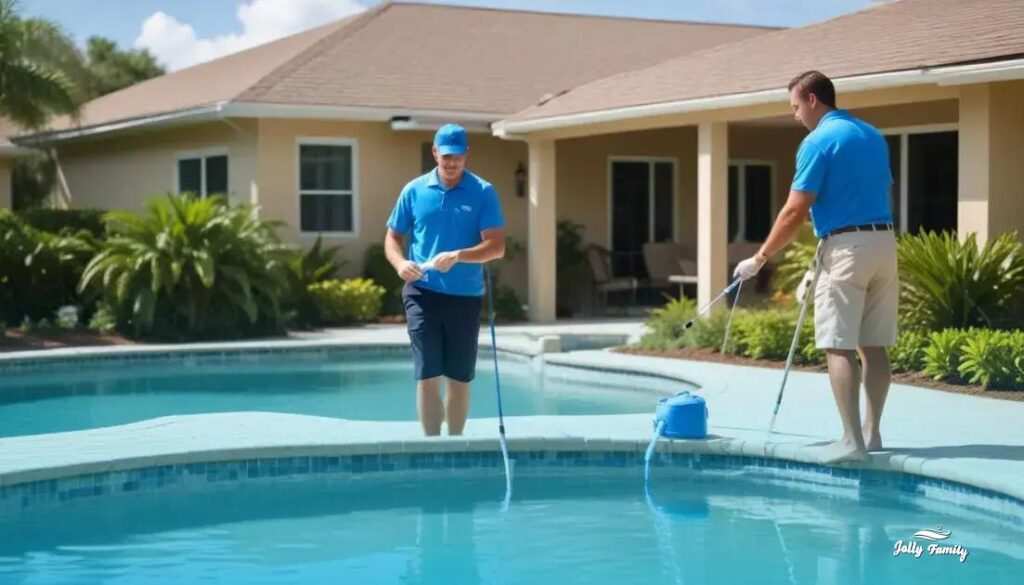
A professional pool service handles the regular tasks that keep a pool safe, clean, and ready to use. Technicians follow a repeatable routine so owners do not worry about water quality or broken equipment.
Routine cleaning
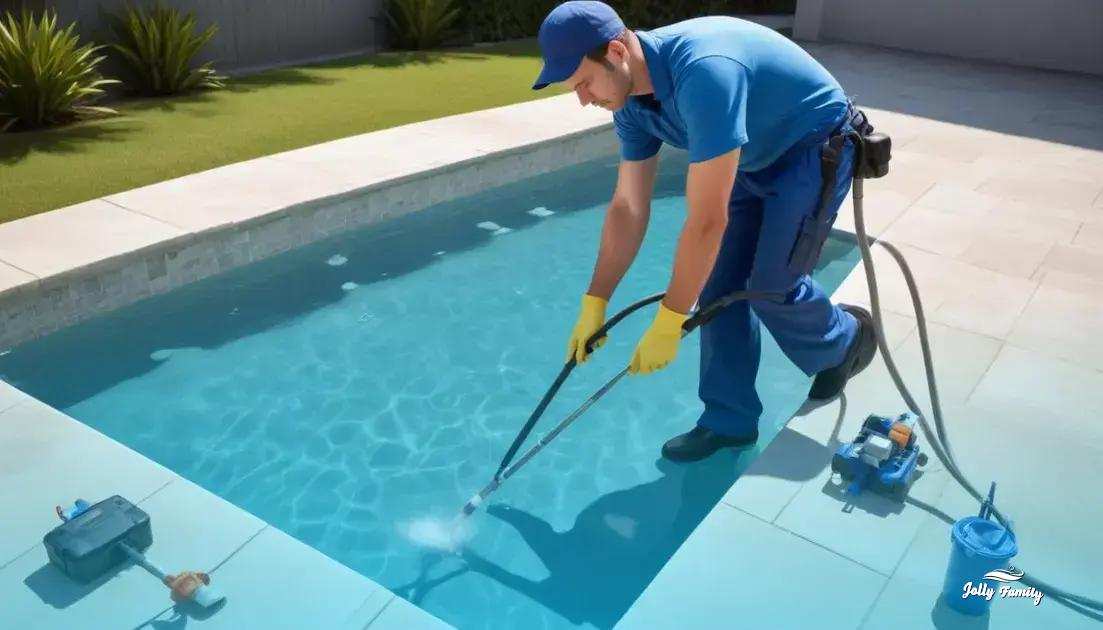
Technicians remove debris, brush walls and tile, and vacuum the pool. They empty skimmer and pump baskets and clean filters when needed. Regular cleaning prevents algae, staining, and clogged lines.
- Skimming surface leaves and bugs
- Brushing walls, steps, and tile
- Vacuuming the floor and hard-to-reach spots
- Emptying baskets and backwashing filters as required
Chemical balance and testing
Keeping water chemistry balanced protects swimmers and equipment. A pro tests levels with reliable kits and adjusts chemicals to target ranges. Expect checks for free chlorine, pH, total alkalinity, and stabilizer (cyanuric acid).
Technicians add chlorine or shock, pH increaser or reducer, and alkalinity buffers in safe doses. They explain what was changed and why, and note when follow-up is needed.
Equipment inspection and maintenance
Pros inspect pumps, filters, heaters, timers, and automation systems. They look for leaks, unusual noise, worn seals, and electrical issues. Early fixes stop small problems from becoming expensive repairs.
- Check pump strainer and motor operation
- Inspect filter pressure and clean or replace cartridges/sand
- Verify heater and automation functions
- Test lights, returns, and safety equipment
Visit frequency and special services
Most homes need weekly service; some require biweekly or more after heavy use or storms. Seasonal tasks include opening and closing procedures, stain treatment, and deep cleans. Ask about emergency calls for cloudy water or equipment failure.
What a good service visit includes
A reliable visit leaves a clear, balanced pool and a short report. Typical checklist items: water test results, chemicals added, cleaned areas, and any repairs recommended. Clear communication and consistency are signs of a trustworthy company.
How regular maintenance saves money and prevents downtime
Regular pool maintenance cuts costs and keeps your pool ready to use. Small fixes now stop big repairs later, and clear records help spot trends.
How routine service saves money
Frequent visits catch issues early. Cleaning and chemical adjustments prevent algae and corrosion, which damage surfaces and equipment. Replacing a worn seal or cleaning a filter is far cheaper than a full pump or heater replacement.
- Lower chemical use by keeping chemistry balanced
- Reduce energy bills with well-tuned pumps and timers
- Extend equipment life through basic wear checks
Problems prevented by regular checks
Technicians find common faults before they fail. This includes clogged filters, motor strain, heater issues, and slow leaks. Stopping these problems early avoids emergency calls and pool downtime.
- Algae blooms from unstable chlorine levels
- Pump burnout from blocked strainers or low water
- Costly heater repairs from undetected faults
Seeing the return on investment (ROI)
Compare a single repair to ongoing care. For example, a new pump can cost $500–$1,200, while routine service often costs far less per month. Regular visits also keep your pool usable, protecting rental income or family time.
Practical tips to maximize savings
Ask for a service checklist and short reports after each visit. Schedule weekly or biweekly service depending on use and weather. Keep a log of repairs and chemical readings to track recurring issues and avoid repeat costs.
Consistent maintenance, clear communication with your provider, and timely small repairs together cut long-term expenses and reduce unexpected downtime.
Choosing the right service plan for homes and short-term rentals
Choose a plan that matches how you use the pool and who manages the property. Plans vary by visit frequency, included tasks, and add-on services for short-term rental needs.
Compare plan frequency and core tasks
Look for clear visit schedules: weekly, biweekly, or per-stay. Core tasks should include skimming, vacuuming, chemical testing, and filter checks. Ask what triggers extra visits after storms or heavy use.
- Weekly — best for regular home use and busy rental calendars.
- Biweekly — may work for low-use homes but risks chemistry swings.
- On-demand — pay per visit for occasional needs or repairs.
Short-term rental requirements
Rentals need reliable turnaround after guest stays. Ask about a post-stay clean, same-day service options, and documented water tests to reassure guests. Check how the company handles guest access and key management.
- Fast post-stay visits to ensure clear water for incoming guests
- Written reports or photos after each service for your listing
- Lockbox or secure access procedures to protect guest privacy
Extras, upgrades and emergency support
Confirm which services cost extra: stain removal, deep cleans, opening/closing, equipment repairs, and chemical shock treatments. Prioritize a provider that offers emergency response for cloudy water or pump failure.
Cost, contracts and what to ask
Compare total value, not just price. A low monthly fee may omit key tasks. Ask for a clear checklist, cancellation terms, and proof of insurance. A written contract with response times and a scope of work protects you and your guests.
- Request sample reports and references from other hosts
- Confirm liability coverage and worker credentials
- Negotiate trial periods or seasonal plans to match demand
Pick a plan that fits your calendar, gives fast fixes for rentals, and provides clear records so you and your guests feel safe.
Pool safety, water clarity and local compliance in Kissimmee
Keeping a pool safe in Kissimmee means clear water, working equipment, and following local rules to protect swimmers.
Essential safety features
Install and maintain barriers like fences and self-closing gates to limit unsupervised access. Keep a life ring, reaching pole, and nonslip surfaces near the pool. Make sure drain covers meet anti-entrapment standards and replace worn parts quickly.
- Fencing and gates that close and latch automatically
- Visible safety gear stored near the deck
- Proper drain covers and anti-entrapment devices
Water clarity and chemical targets
Clear water is the fastest sign a pool is healthy. A simple check: you should be able to see the main drain or the bottom from the pool edge. Test chemistry regularly and keep records. Typical targets are free chlorine 1–3 ppm and pH 7.2–7.8, but follow your technician’s guidance for your pool.
Adjust chemicals after heavy use, rain, or heat. Use shock treatments for cloudy water and run filtration longer when needed.
Inspections and documentation
Keep a service log with water test results, equipment checks, and repair notes. This helps with troubleshooting and shows compliance for rental guests or local inspectors. Hire certified technicians for complex repairs and annual safety checks.
Local rules and rental considerations
City and county codes may require specific barriers or disclosures for short-term rentals. If you host guests, confirm any extra inspections, posted safety information, or insurance needs. When in doubt, contact Kissimmee or Osceola County offices for current requirements.
Practical checks owners can do
- Look for clear water and visible pool bottom weekly
- Test free chlorine and pH at least weekly, more often after events
- Listen for unusual pump noise and check for leaks
- Verify gates latch and safety gear is accessible
Regular care, clear records, and following local guidance keep pools safe, protect swimmers, and reduce the risk of fines or guest complaints.
How Jolly Family delivers reliable, on-time care and what to expect
Jolly Family aims to be on-time and consistent on every visit, so your pool stays ready without surprise trips or missed appointments. Technicians follow a clear routine and carry common parts to handle minor fixes immediately.
Scheduling and arrival
Expect a set service day and a time window. Staff confirm visits by text or call and arrive with the tools listed in your plan. If a delay happens, you receive an update and a new arrival estimate.
What a standard visit includes
Each visit follows a checklist to keep work consistent. Typical tasks: skimming, brushing, vacuuming, water testing, filter checks, and noting any issues. Technicians leave the pool clear and balanced.
- Quick water test with recorded readings
- Cleaning skimmers, baskets, and visible debris
- Filter and pump visual check
Communication and reports
After service you get a short report showing test results, chemicals added, and recommended repairs. Reports may be emailed or shown on a tablet at the visit. Clear notes help you track recurring issues.
Training, safety and accountability
Technicians receive regular safety and equipment training and use proper protective gear. The company carries insurance and documents work to protect both owners and staff.
Handling repairs and emergencies
For small repairs, technicians often fix the issue during the visit. Bigger problems get a written estimate and timeline. Emergency support is available for pump failures or cloudy water that makes the pool unsafe.
What you should expect as an owner
Choose a plan with a clear checklist and response times. Keep contact and access info current, and ask for references if you want extra confidence. Regular, on-time service plus clear reports keeps pools healthy and avoids surprises.
Get peace of mind with professional pool care
Regular service keeps your pool clean, safe, and ready to use. Small fixes now stop big repairs later and save money.
Choose a plan that fits your use—home or short-term rental—and ask for clear reports and fast response for emergencies. Follow local rules and simple safety checks to protect swimmers and guests.
Consistent maintenance and a reliable team mean clearer water, longer equipment life, and fewer surprises. Reach out to a trusted local pool service to set a schedule and protect your investment.
FAQ – Professional pool service Kissimmee area
What does a standard pool service visit include?
A typical visit covers skimming, brushing, vacuuming, water testing, skimmer and pump basket cleaning, a filter check, and a short service report.
How often should I schedule service for my home?
Weekly service is best for regular use; biweekly may work for low-use pools, but rentals and busy calendars usually need weekly or per-stay care.
How does regular maintenance save me money?
Routine checks catch small problems early, reduce chemical waste, improve energy use, and extend equipment life to avoid costly replacements.
Can the service handle short-term rental turnovers?
Yes. Many providers offer post-stay cleans, fast turnaround, documented water tests or photos, and secure access procedures for hosts.
What should I do between service visits?
Do quick weekly checks: ensure water is clear, test free chlorine and pH if possible, remove obvious debris, and verify gates and safety gear work.
What happens in an emergency like cloudy water or pump failure?
Contact your provider for emergency response; technicians can perform temporary fixes, advise safety steps, and provide estimates for needed repairs.