
common pool maintenance mistakes homeowners make include neglecting weekly chemical tests, skipping skimming and brushing, over-shocking, ignoring filter issues, and lax seasonal safety; these lead to cloudy water, equipment damage, higher costs, and hazards — test, clean, dose accurately, and maintain barriers.
common pool maintenance mistakes homeowners make often start small—a missed skimming session, an ignored pH test. Ever wondered why your pool turns cloudy or your bills spike? With Jolly Family, trusted in Kissimmee, we walk you through simple checks and practical fixes to keep your backyard safe and clear.
poor chemical balance: signs, causes and quick corrections
Spotting poor chemical balance is easy: water looks cloudy, feels slimy, or irritates eyes and skin. Test strips or a digital tester will show low or high pH, low free chlorine, or abnormal total alkalinity.
- Cloudy water — often low chlorine or high calcium hardness.
- Red or irritated eyes — low free chlorine or high combined chlorine (chloramines).
- Scaling or cloudy film — high pH or high calcium hardness.
- Corroded metal or faded liners — persistently low pH or low alkalinity.
Common causes are simple. Rain or swimmers add contaminants. Incorrect dosing or skipping tests lets levels drift. Old stabilizer (cyanuric acid) or a dirty filter can hide problems.
Quick corrections
- Test first: use test strips or a digital meter for pH, free chlorine, alkalinity, and stabilizer. Repeat after adjustments.
- Adjust pH: if pH >7.8, add a pH reducer (follow the product label). If pH <7.2, add a pH increaser (soda ash) gradually and retest.
- Set total alkalinity: keep alkalinity in the recommended range to stabilize pH swings; raise with baking soda, lower with pH reducer per instructions.
- Raise free chlorine: shock the pool when free chlorine is low or combined chlorine is high; use a pool shock product and wait the listed time before swimming.
- Check stabilizer (CYA): very high levels reduce chlorine effectiveness; partial drain-and-refill may be needed if CYA is excessive.
- Clean the filter: a clogged or dirty filter prevents proper circulation and can mask chemical issues. Backwash or clean cartridges as recommended.
Make adjustments one at a time and retest after each change. Wear gloves and store chemicals safely. If levels keep bouncing back, consider a partial drain-and-refill and consult a local pool professional for persistent hardness or stabilizer problems.
Routine quick checks: test weekly, shock after heavy use or storms, and run the filter daily. Small habits prevent the big mistakes.
skipping routine cleaning: tools, frequency and a simple checklist
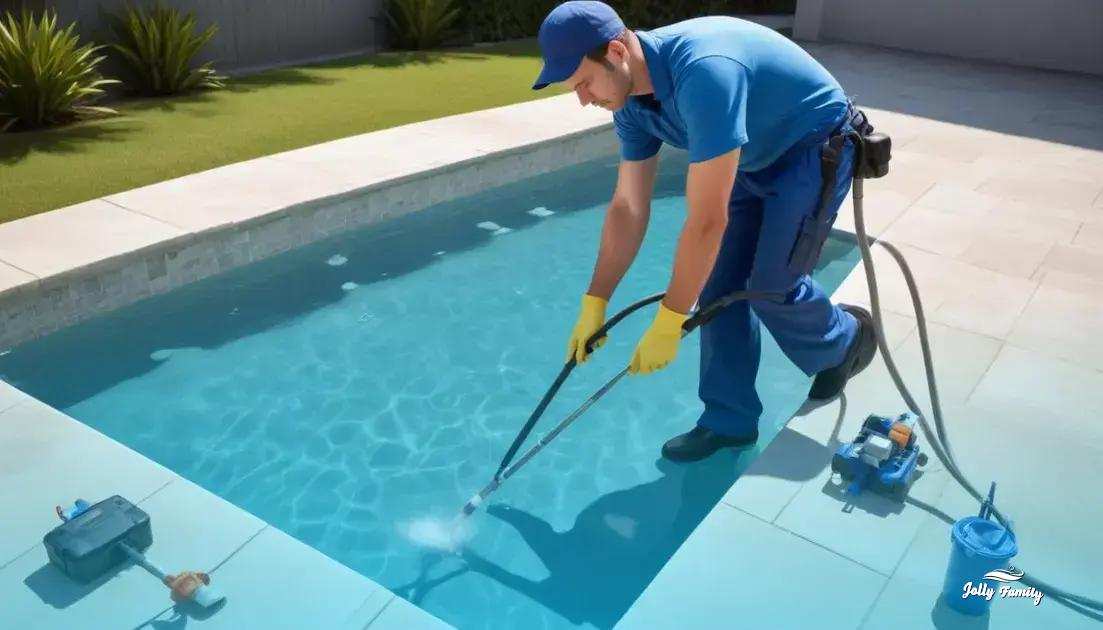
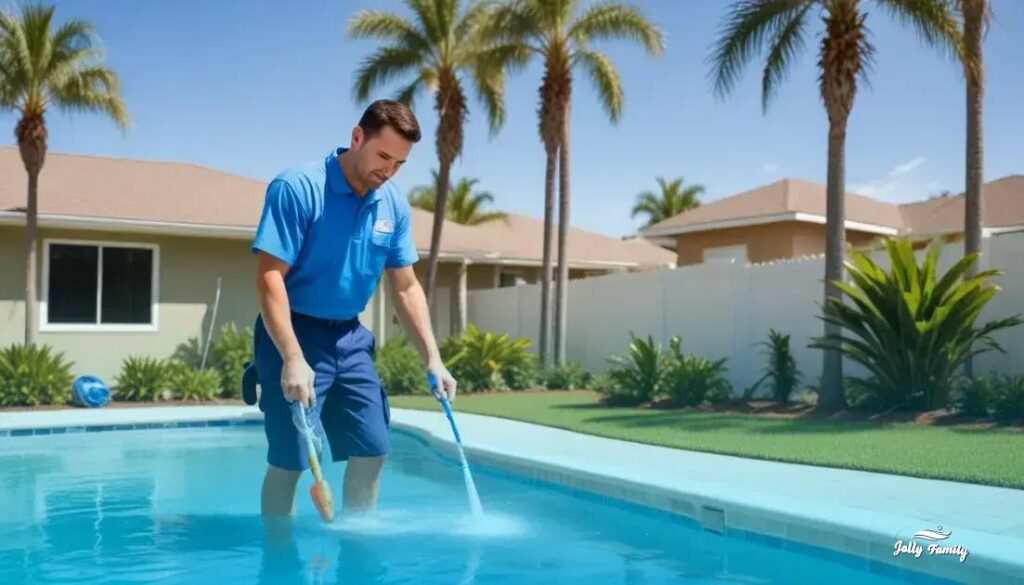
Skipping routine cleaning lets leaves and dirt sink, clogs skimmer baskets, and invites algae. Regular care keeps water clear and equipment working well.
- Skimmer net: remove surface debris daily to prevent clogging.
- Pool brush: scrub walls, steps, and corners weekly to stop algae buildup.
- Vacuum (manual or automatic): clean the floor weekly or after heavy use.
- Leaf trap or basket: catch large debris before it reaches the pump and filter.
- Test kit or strips: check pH and chlorine while cleaning to catch chemical drift.
- Filter tools: have a backwash hose or cartridge cleaner ready for filter maintenance.
Recommended frequency
Daily: skim the surface and empty skimmer baskets. Quick checks stop small problems from growing.
Weekly: brush surfaces, vacuum, test water, and clean the pump strainer.
Monthly: deep-clean or backwash the filter, inspect hoses, and check equipment seals.
Seasonal: inspect for wear, service the heater, and prepare the pool for opening or closing.
Simple checklist
- Skim surface for leaves and bugs
- Empty skimmer and pump baskets
- Brush walls, steps, and ladders
- Vacuum the entire pool
- Test pH and free chlorine; adjust if needed
- Backwash or clean filter when pressure rises
- Log maintenance actions and dates
Quick tips: tackle one task at a time, keep a small toolkit by the pool, and set a weekly reminder. Wear gloves, keep chemicals sealed, and store them safely away from children and pets.
ignoring filtration problems: diagnosing, cleaning and when to replace
Ignoring filtration problems forces the pump to work harder, raises chemical costs, and leaves water cloudy. A quick check each week prevents big repairs.
Diagnosing filtration issues
- High filter pressure: pressure above the normal operating mark usually means the filter is dirty and needs cleaning.
- Low flow or weak return jets: could be a clogged pump basket, blocked skimmer, or collapsed suction line.
- Cloudy water despite correct chemistry: poor filtration or a worn filter medium is often the cause.
- Frequent need to backwash: constant pressure spikes after backwashing suggest worn media or internal damage.
- Unusual noises or leaks: cracks, bad seals, or failing valves reduce efficiency and need prompt attention.
Always check and empty the pump and skimmer baskets before blaming the filter. Record the clean-filter pressure so you can spot pressure rises quickly.
Cleaning by filter type
- Sand filters: backwash until the water runs clear, then set the valve to rinse for 30–60 seconds. Replace sand every 5–7 years or if water stays cloudy after cleaning.
- Cartridge filters: remove cartridges, rinse with a hose, and soak in a cartridge cleaner if oily. Inspect for tears and replace cartridges every 2–5 years depending on use.
- DE filters: backwash to remove loose DE, open the tank, remove and rinse grids, and recoat with fresh DE powder. Replace grids if fabric is torn or flow remains poor.
Safety first: always turn off power and relieve pressure before opening any filter. Wear gloves and follow the manufacturer’s steps to avoid damage.
When to replace parts or the whole filter
- Persistent low flow or high pressure after proper cleaning.
- Visible cracks, warped tanks, or leaking seals that repair won’t fix.
- Frequent repairs that cost more than half the price of a new unit.
- Age: many filters reach the end of useful life at 7–10 years, cartridges sooner with heavy use.
- Upgrading for larger pumps or modern systems can improve efficiency and lower energy bills.
Practical maintenance tips
- Log weekly pressure readings and cleaning dates to spot trends.
- Run the filter long enough each day for full turnover—typically 8–12 hours in summer.
- Keep a basic toolkit and spare O-rings on hand for quick fixes.
- Schedule a pro inspection if you see repeated pressure swings, leaks, or poor water clarity after cleaning.
overusing shock and chemicals: risks, safer dosing and testing tips
Overusing shock and other pool chemicals can cause skin and eye irritation, fade liners, corrode metal parts, and make water cloudy. A strong chlorine smell may mean chloramines, but dumping extra shock without testing can make things worse.
Risks of too much chemical
- Health: high chlorine or low pH irritates eyes, skin, and lungs.
- Equipment damage: excess chemicals can corrode motors, ladders, and heaters.
- Water issues: cloudiness, bleaching of swimsuits, and scale or stains from imbalanced chemistry.
- Wasted money: repeating large doses because you didn’t test first.
Safer dosing steps
- Test first: always measure free chlorine, pH, alkalinity, and stabilizer before adding anything.
- Calculate pool volume: know gallons or liters so you can follow product dosing per volume.
- Follow the label: add the exact dose recommended and wait the listed time before retesting or swimming.
- Add chemicals safely: wear gloves and eye protection, add chemicals one at a time, and pour into water—do not mix powders together.
- Use small steps: if unsure, add half the recommended dose, run the pump, then retest after an hour.
- Choose the right shock: non-chlorine shock (potassium monopersulfate) clears organic contaminants without raising chlorine; chlorine shocks raise free chlorine to break chloramines.
Testing tips
- Use a reliable test kit or digital meter: strips are quick but meters read more accurately for ppm and pH.
- When to test: before dosing, 1–4 hours after shocking, and again the next day until levels return to normal.
- Target levels: normal free chlorine is about 1–3 ppm for most pools; follow product instructions for safe return-to-swim levels after shock.
- Watch pH and alkalinity: proper pH (7.2–7.8) and alkalinity help chlorine work efficiently; adjust these first if they are off.
Quick habits: log tests and treatments, store chemicals sealed and dry, and call a professional if levels keep bouncing or if you see persistent cloudiness or corrosion.
seasonal neglect and safety lapses: year-round preventive steps for owners
Neglecting seasonal care and safety lapses can lead to costly repairs and accidents. Small checks all year stop big problems later.
Year-round preventive steps
- Weekly: test water, skim debris, and run the filter long enough for a full turnover.
- Monthly: inspect pump baskets, clean skimmer, and check for leaks or odd noises.
- Keep a log: note dates for testing, chemical doses, and any repairs to spot trends quickly.
- Store chemicals safely: keep them sealed, dry, locked away and away from heat or children.
Seasonal actions
- Spring opening: remove cover, inspect equipment, balance chemicals, and shock if needed before use.
- Summer care: test more often after heavy use or storms; increase filtration time on hot days.
- Fall prep: use a leaf net, lower water slightly if needed by your region, and service the heater before cold weather.
- Winterizing (if required): follow local guidance—protect pipes, add antifreeze where needed, and use a safe winter cover; avoid draining below structural limits.
Safety essentials to avoid lapses
- Barriers: install a fence with a self-closing, self-latching gate.
- Alarms and covers: use door alarms, pool alarms, and a certified safety cover when pool is not in use.
- Rescue gear: keep a life ring, reaching pole, and a charged phone near the pool.
- Lighting and slip prevention: maintain good pool and deck lighting and use non-slip surfaces on walking areas.
- Supervision and rules: set clear swim rules and never leave children unattended.
When to call a professional
- Persistent leaks, heater or electrical issues, or repeated cloudy water after proper maintenance.
- Major equipment replacement, cracked pool shell, or complex winterizing in cold climates.
- If you’re unsure about chemical balancing after testing, call a certified pool technician.
Small habits—weekly tests, seasonal tune-ups, and clear safety measures—make pools safer and reduce repair costs over time.
Keep your pool safe and problem-free
Small habits stop big problems. Test water weekly, skim and brush, and keep the filter clean. Fix chemical imbalances one step at a time and follow product labels.
If equipment shows leaks, strange noises, or pressure swings, call a pro. Replace filters or parts when cleaning does not help.
Keep safety gear, barriers, and clear rules. Store chemicals locked and dry. A simple checklist saves time and money and keeps swimmers safe.
Start today: test your pool and mark maintenance tasks on a calendar. Regular care prevents costly repairs and keeps your pool ready to enjoy.
FAQ – Common pool maintenance mistakes homeowners make
How often should I test my pool water?
Test at least once a week and after heavy use or storms. Check pH, free chlorine, and alkalinity each time.
What usually causes cloudy pool water and how do I fix it?
Cloudiness comes from poor chemical balance, bad filtration, or algae. Test water, clean the filter, adjust chemicals, and shock if needed.
How do I know when the filter needs cleaning or replacing?
Look for high pressure on the gauge, low flow from return jets, or cloudy water after cleaning. Replace parts or the filter if problems persist after proper cleaning.
Is it safe to shock the pool after heavy use?
Yes if you test first. Follow product dosing, add chemicals one at a time, and wait until levels return to safe ranges before swimming.
How can I avoid damage from overusing chemicals?
Measure pool volume, follow label instructions, add small doses, and retest. Keep pH and alkalinity in range to prevent corrosion and fading.
What safety steps should I take year-round around my pool?
Install a secure fence and gate, use alarms and a safety cover, keep rescue gear and lighting handy, and never leave children unattended.