
how to keep pool water clear year round: follow a weekly routine—test and balance free chlorine, pH, alkalinity and cyanuric acid; run filtration 8–14 hours daily, skim, brush and clean baskets/filters, shock after heavy use or storms, and contact a professional for persistent cloudiness or equipment issues.
how to keep pool water clear year round — curious how a few minutes a week change everything? At Jolly Family, we walk Kissimmee homeowners through easy checks, real examples and when calling a pro makes sense.
weekly maintenance checklist: testing, skimming and simple tasks
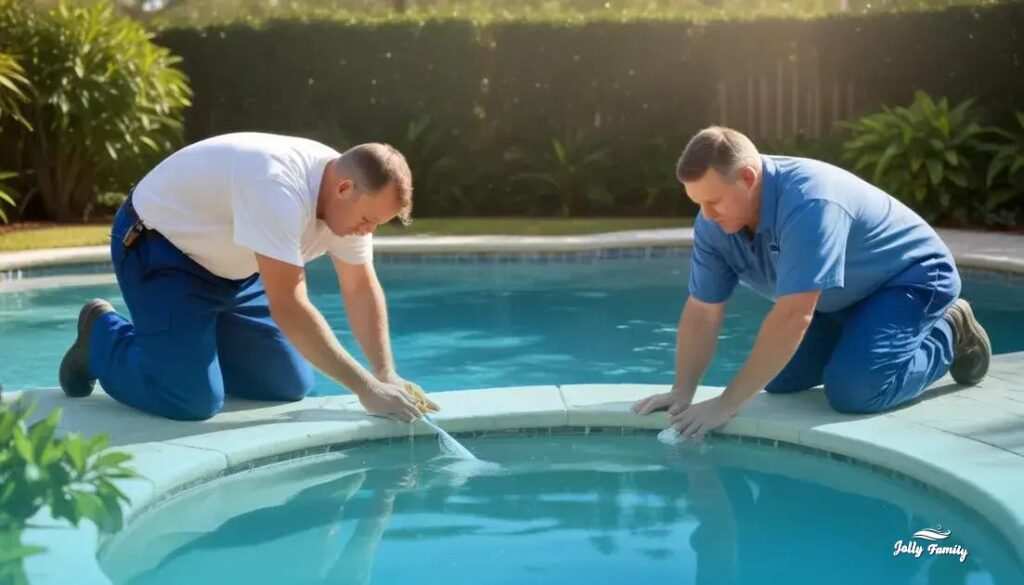
Test your pool at least once a week with a reliable kit. Focus on free chlorine, pH, and total alkalinity.
Weekly checklist
- Test and record: free chlorine 1–3 ppm, pH 7.2–7.6, alkalinity 80–120 ppm. Adjust chemicals as needed based on results.
- Skim and clear: use a leaf skimmer to remove floating debris and empty the skimmer basket each time you clean.
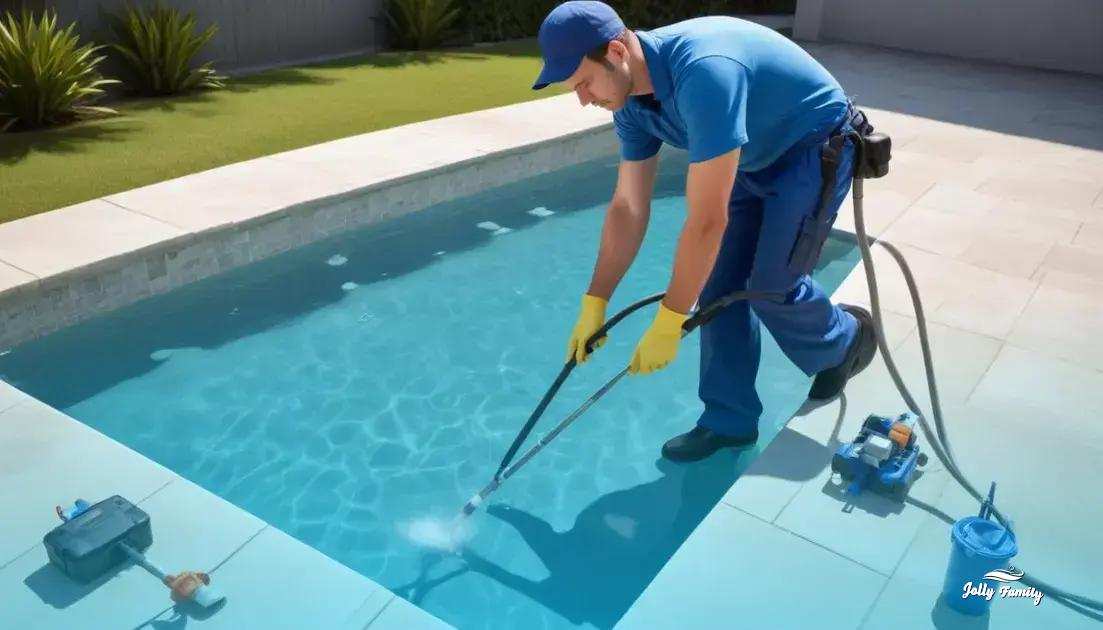
- Brush and vacuum: brush pool walls, stairs, and corners to dislodge buildup, then vacuum loose debris weekly or after storms.
- Check pump and filter: run the pump 8–12 hours daily, note the normal pressure, and backwash or clean the filter when pressure rises about 8–10 psi above that baseline.
- Clean strainers: clear the pump and skimmer strainers to keep water flow strong and protect the motor.
- Shock when needed: apply a shock treatment after heavy use, rainouts, or if water appears cloudy; follow the product label for proper dosage.
- Quick tips: test in the morning when water is calm, keep a simple log of readings, and store chemicals safely away from children and pets.
balancing chemicals: chlorine, pH and when to adjust levels
Keep chemical balance simple and regular. Test water before adjusting. Focus on free chlorine, pH, total alkalinity, and cyanuric acid (stabilizer).
Key levels to watch
- Free chlorine: 1–3 ppm for routine use.
- pH: 7.2–7.6 for comfort and sanitizer efficiency.
- Total alkalinity: 80–120 ppm to buffer pH swings.
- Cyanuric acid: 30–50 ppm in outdoor pools to protect chlorine from UV.
- Combined chlorine: keep under 0.5 ppm; higher means chloramines and need to shock.
How to raise or lower common levels
- Raise chlorine: add liquid chlorine (sodium hypochlorite) or granular chlorine (calcium hypochlorite). Follow package dose for pool volume.
- Lower chlorine: stop adding for a day and run the pump; use a chlorine neutralizer only when you must lower levels quickly.
- Raise pH: add soda ash (sodium carbonate) in small doses, dissolve if granular, then circulate and retest.
- Lower pH: add muriatic acid or sodium bisulfate slowly to deep water with the pump running; never pour acid on the deck.
- Raise alkalinity: add baking soda (sodium bicarbonate) in measured amounts and mix well before retesting.
- Lower alkalinity: use acid additions in controlled steps; lower alkalinity slowly to avoid pH spikes.
Timing and procedures
- Add chemicals one at a time and wait at least 4–6 hours or until levels stabilize before the next dose.
- Test in the morning when water is calm and temperature is near daily average.
- Record readings in a simple log to spot trends and reduce guesswork.
When to shock and safety tips
- Shock: shock the pool if combined chlorine >0.5 ppm, after heavy use, or after storms. Use non-stabilized shock for faster results.
- Safety: wear gloves and goggles, add chemicals to water (not water to chemicals), store products in a cool dry place, and never mix different chemicals together.
- If readings swing wildly or algae appears despite correct chemicals, consult a professional to test for hidden issues like metal contamination or failing equipment.
filtration and equipment care: pumps, filters and basic troubleshooting
Check the equipment pad weekly to spot leaks, strange noises, or low flow that can harm water clarity.
Pump care
- Clean the strainer basket: turn power off, open the lid, remove debris, and reseal the lid with a good O-ring. Do this weekly.
- Run time: operate the pump about 8–12 hours daily for most climates; longer in hot weather or with heavy use.
- Listen for grinding or whining — these can mean worn bearings or a failing motor. Replace parts early to avoid bigger failures.
- Prime the pump if it loses suction. Check suction lines and skimmer weir for clogs or air leaks.
Filters and care
- Know your filter type: sand (backwash), DE (backwash + add DE), cartridge (remove and rinse).
- Clean schedule: cartridge filters: rinse every 1–2 months and deep clean every 3–6 months; sand and DE: backwash when pressure rises.
- Watch the pressure gauge: note the normal operating pressure. Backwash or clean when pressure is about 8–10 psi above that baseline.
- For backwashing: set valve to backwash, run until water is clear, rinse, then return to filter. Follow the manufacturer steps.
Basic troubleshooting
- Low flow: check skimmer and pump baskets, clean the filter, and verify valves are open. Inspect for air leaks at fittings and pump lid.
- High pressure: likely a dirty filter; backwash or clean cartridges. If pressure stays high, inspect for collapsed laterals or clogged DE grids.
- Noisy pump: check for trapped air, loose fittings, or worn bearings. Tighten connections and replace bearings if needed.
- Cloudy water despite equipment running: test chemistry first, then verify filter function. Fine particles may need a floc or clarifier and extra filtration time.
Parts, replacements and tips
- Keep spare O-rings, a pump lid clamp, and a basic tool kit on hand.
- Replace cartridges every 3–5 years depending on wear. Motors often last 7–10 years with good care.
- Always turn off electrical power and relieve pressure before servicing equipment. Wear gloves and eye protection when handling parts or chemicals.
seasonal strategies for Kissimmee: storms, heat and preventive checks
In Kissimmee, sudden storms and strong sun change pool needs quickly. Plan simple, repeatable steps to protect water clarity all year.
pre-storm actions
- Secure loose items: remove pool toys, cushions, and light objects that wind can blow into the pool.
- Move chemicals: store chlorine and other chemicals in a dry, covered place away from rain and direct sun.
- Check skimmers and drains: clear leaves and debris so heavy rain can flow without clogging equipment.
- Cover or reel: if you have a solid cover that can be safely anchored, use it; otherwise keep a reel-ready solar blanket handy but don’t leave a loose cover that will trap water.
post-storm recovery
- Run the pump and filter as soon as it’s safe to clear suspended debris.
- Test and rebalance: check free chlorine, pH, and alkalinity; heavy rain often lowers chlorine and shifts pH.
- Clean skimmer and pump baskets: remove organic matter to protect the pump and reduce algae risk.
- If water is cloudy or chloramines are high, shock the pool according to product directions.
managing extreme heat and UV
- Increase circulation: run the pump longer during hot spells, often 10–14 hours a day in peak heat.
- Check sanitizer more often: test chlorine every 2–3 days when temperatures rise.
- Use stabilizer carefully: keep cyanuric acid around 30–50 ppm to protect chlorine from sunlight without reducing effectiveness too much.
- Shade and covers: use a solar blanket at night to reduce evaporation and chemical loss.
off-season and mild weather tips
- Reduce run time modestly when use drops, but keep sanitizer levels steady to prevent algae.
- Perform deeper cleanings less often but keep a consistent testing schedule to catch slow changes.
- Inspect waterline and surfaces for scaling or staining and treat early to avoid bigger jobs later.
preventive checks and simple maintenance
- Weekly: test chemistry, skim, empty baskets, and note any odd sounds or leaks at the equipment pad.
- Monthly: inspect pump lid O-ring, pressure gauge baseline, and perform a filter clean or backwash as needed.
- Keep a log: record readings and actions to spot trends fast.
- When in doubt, call a pro for persistent cloudiness, recurring algae, or equipment failure rather than guessing with chemicals.
when to call professionals: Jolly Family’s routine plans and reliable service
Call a professional when small fixes don’t solve the problem or when safety and equipment are at risk. Timely service prevents bigger repairs and keeps water clear.
signs you need a pro
- Persistent cloudiness after balancing chemicals and filtering.
- Recurring algae that returns despite proper chlorine and brushing.
- Equipment failures — strange pump noises, leaks, or loss of suction.
- Rapid chemical swings that you can’t stabilize with normal dosing.
- Visible stains, metal discoloration, or unexplained odors.
- After major storms or flooding, when contaminants or large debris enter the pool.
what a routine plan typically includes
- Regular water testing and adjustments to keep chlorine, pH, and alkalinity in range.
- Weekly skimming, basket cleaning, and equipment inspections.
- Scheduled filter cleanings, backwashes, and minor repairs.
- Recordkeeping of readings and service actions so trends are easy to spot.
- Priority response for urgent issues and seasonal preparation services.
benefits of professional routine care
- Less guesswork: pros catch problems early and reduce costly downtime.
- Better equipment life: timely maintenance prevents premature replacements.
- Time savings: you avoid frequent testing and hands-on work.
- Consistent water safety and comfort for swimmers.
how to pick the right service
- Ask for clear plans and what each visit covers. A good provider offers options for frequency and services.
- Request references or local reviews and proof of insurance.
- Compare written estimates and ask about emergency response times.
- Choose a provider who explains actions and leaves simple notes you can follow.
what to expect during a pro visit
- Thorough testing and a quick visual inspection of the equipment pad and plumbing.
- Routine cleaning tasks like skimming, brushing, and emptying baskets.
- Minor repairs or part replacements if needed, with your approval.
- A short report or log entry with readings and recommended next steps.
Final takeaways
Keeping your pool clear year round is doable with a few steady habits. Test water weekly, skim debris, and record readings.
Balance chemicals carefully—watch free chlorine, pH, alkalinity, and stabilizer—and wait between additions so levels settle.
Keep pumps and filters clean, run circulation long enough, and inspect equipment regularly. Adjust routines for storms and hot weather.
If cloudiness, algae, or strange equipment issues persist, call a professional. Regular care saves time, money, and keeps swimmers safe.
FAQ – Keeping your pool water clear year round
How often should I test my pool water?
Test at least once a week. Test more often during hot weather, heavy use, or after storms. Check free chlorine, pH, and alkalinity each time.
What are the ideal chemical levels to aim for?
Aim for free chlorine 1–3 ppm, pH 7.2–7.6, total alkalinity 80–120 ppm, and cyanuric acid 30–50 ppm for outdoor pools.
When should I shock the pool?
Shock after heavy use, storms, or if combined chlorine exceeds 0.5 ppm. Also shock if water stays cloudy or has a strong chlorine smell.
How long should I run my pump and filter each day?
Run the pump about 8–12 hours daily under normal conditions. Increase to 10–14 hours during hot spells or heavy bather load.
Why is my pool cloudy even though chemicals look right?
Cloudiness can mean a filter or circulation problem, fine particles, or organics. Clean baskets and filters, run extra filtration, and consider a clarifier or professional check.
When is it time to call a professional?
Call a pro for persistent cloudiness, recurring algae, strange pump noises, leaks, or when chemical levels swing wildly despite proper dosing.