
signs you need professional pool service: persistent cloudy water, recurring algae, strong chloramine odor, noisy or leaking pumps, repeated chemical swings, unexplained water loss, or high filter pressure indicate issues that require professional diagnosis, leak detection, and repair to protect swimmer health and avoid costly structural damage.
signs you need professional pool service often show up as cloudy water, odd smells, or noisy equipment. Ever wonder when DIY stops working? I’ve seen Kissimmee families wait and end up paying more — here’s how Jolly Family helps you spot issues early.
Identifying chemical imbalance and cloudy water
Watch for cloudy or milky water, a strong chlorine smell, or a sudden color change. These clues often mean the pool chemistry is out of balance and may be unsafe to swim in.
Common causes
Rain, heavy bather load, sunscreen and organic debris can spike contaminants. Poor circulation or a dirty filter prevents chemicals from spreading evenly, so problems build up fast.
How to test and what to look for
Use test strips or a digital meter. Check pH (ideal 7.2–7.6), free chlorine (1–3 ppm), total alkalinity (80–120 ppm) and cyanuric acid (30–50 ppm). If combined chlorine is above 0.5 ppm, it signals contamination that needs attention.
Simple fixes to try
If pH is high, add muriatic acid or sodium bisulfate; if low, add soda ash. Raise chlorine with a shock treatment and run the filter continuously until the water clears. Backwash or clean the filter medium after heavy treatment.
When to call a professional
If cloudiness persists after 24–48 hours, algae returns quickly, or equipment is noisy, leaking, or not circulating water well, seek professional help. Persistent cloudiness can hide filter media failure, pump issues, or stubborn contaminants that need expert care.
Prevent problems by testing at least twice a week, keeping the pump running the recommended hours, and removing debris daily. Small, regular steps keep chemistry steady and water clear.
Equipment problems: pumps, filters and circulation issues
Noisy motors, weak returns, air bubbles at the skimmer, or steady pressure swings are common signs of equipment trouble. These issues hurt circulation and water clarity fast.
Troubleshooting pumps
Check the pump strainer basket and lid first. A clogged basket or faulty lid o-ring can let air in and stop priming. Shut off power before removing the lid. If the motor hums but won’t start, the shaft seal or capacitor may be failing — avoid running the pump long in this state.
Filters and pressure problems
A rising filter pressure usually means the filter media is dirty. Backwash sand or DE filters, or clean cartridge filters when pressure climbs 8–10 psi above normal. Low pressure often means a blocked skimmer, closed valve, or a clogged impeller.
Circulation and valve checks
Inspect return jets, skimmer baskets, and valves. Partially closed valves, blocked lines, or a worn impeller reduce flow and cause cloudy water. Make sure return jets point slightly downward to aid circulation.
Quick fixes you can try
Clear skimmer and pump baskets, run the pump longer, backwash or clean the filter, and tighten any loose hose clamps. Replace cracked lids or old o-rings. Test after each step to see if flow or pressure improves.
When to call a professional
Contact a pro if you find leaks at the motor seal, persistent air in the system, burnt electrical smells, or if the pump fails to prime after simple fixes. Do not attempt complex motor or electrical repairs yourself.
Regular checks—weekly basket cleaning, monthly pressure readings, and annual equipment inspection—catch faults early and save on costly repairs.
Safety and health signs: algae, odors and skin irritation
Green, black, or slimy patches on the pool surface or walls are clear signs of algae. Sudden cloudiness with a green tint or floating clumps means you may have a bloom that affects safety.
What odors indicate
A strong chemical smell does not always mean too much chlorine. Chloramines—formed when chlorine binds with sweat, urine, or other contaminants—cause that sharp, unpleasant odor and reduce disinfection. If the water smells strong and swimmers complain of eye or nose irritation, the pool likely needs treatment.
Skin and eye irritation explained
Itchy skin, red eyes, or rashes after swimming often come from imbalanced pH, high combined chlorine, or contaminants. Low pH (below 7.2) stings eyes; high pH (above 7.6) can cause cloudy water and reduce sanitizer effectiveness. Persistent irritation may signal bacteria or protozoa presence.
Health risks to consider
Algae itself can host bacteria. Pathogens like E. coli or Cryptosporidium can survive in poorly maintained pools and cause stomach or skin infections. Children, older adults, and people with weak immune systems are more at risk.
Immediate steps to take
If you see algae, smell strong chemicals, or experience irritation, do not swim until the water is tested and cleared. Remove swimmers, test free and combined chlorine, pH, and total alkalinity, then shock the pool or call a pro if needed. Rinse off after any accidental exposure.
Prevention tips
Keep free chlorine at 1–3 ppm and pH between 7.2–7.6. Run the filtration system daily, brush pool walls, and clean skimmer baskets. Encourage showers before swimming and limit food or drink near the pool to cut contamination.
When to call a professional
Call a trained technician if algae returns after treatment, irritation persists among swimmers, or if testing shows high combined chlorine or unusual bacterial results. Professionals can perform thorough cleaning, proper shock dosing, and system checks to restore safe water.
Costly repairs and hidden damage you might miss
Hidden pool damage can start small and become very expensive fast. Look for subtle signs before they grow into major repairs.
Structural cracks and plaster issues
Hairline cracks, peeling plaster, or flaking surfaces may mean the shell is failing. Look for thin lines on the pool floor or walls, areas where plaster pits out, or sudden tile gaps. These problems let water reach rebar and concrete, causing bigger structural work later.
Underground plumbing and slow leaks
Persistent low water level, wet spots in the yard, or unusually high water bills can point to underground leaks. Sounding like normal evaporation? Test by marking water level for 24 hours. If the level drops more than expected, you may have a buried pipe leak that needs specialist detection.
Equipment corrosion and seal failures
Rust stains, oil slicks near the pump, or frequent loss of prime suggest failing seals or corroded parts. Check for drips, moisture under the pump, and metal flaking. Ignoring seals leads to pump damage and costly replacements.
Tile, coping and deck settlement
Loose tiles, cracked coping, or uneven deck edges can hide water infiltration and soil movement. Small shifts can expose pool walls to pressure and lead to cracks. Inspect decking and tile edges for gaps and soft spots.
Liner, vinyl and salt system wear
Rips, wrinkles, or fast fading in liners hint at deterioration. Salt systems often corrode heaters and cell components slowly; look for white buildup or electrical faults. These issues reduce lifespan and require specialized replacement.
Heater, automation and electrical faults
Intermittent heater failures, tripped breakers, or inconsistent automation signals may indicate wiring issues or component wear. Sparks, burnt smells, or frequent resets are red flags—avoid DIY electrical fixes.
How to spot problems early
Test water level weekly, watch for new stains, listen for odd equipment noises, and inspect visible plumbing and deck edges monthly. Keep simple records to spot slow changes that point to hidden damage.
When to call a professional
Call a pro if you find dry spots in the yard, persistent pressure swings, unexplained water loss, structural cracks, or electrical smells. Early professional inspection can often limit repair scope and cost.
When to call Jolly Family: what to expect from professional service
If you spot persistent cloudiness, recurring algae, strange noises, leaks, or repeated chemical swings, it may be time to call a professional. Jolly Family can diagnose issues that DIY fixes miss and prevent small problems from becoming expensive repairs.
What the technician checks first
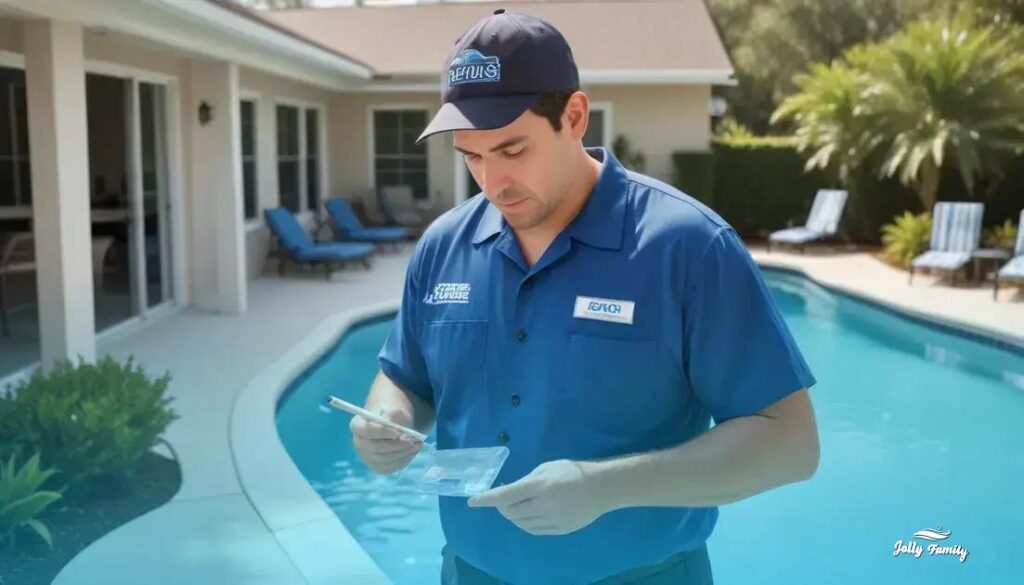
A tech will test water chemistry, inspect pump and filter operation, and examine visible plumbing and electrical connections. They often run the system while listening for air, vibration, or abnormal sounds to find circulation problems.
Diagnostics and tools used
Expect water test strips and digital meters for pH, free chlorine, cyanuric acid, and alkalinity. For leaks, technicians may use acoustic leak detectors, pressure tests, or dye tests. Equipment checks include pressure gauges, multimeters, and pump inspection.
Typical on-site steps
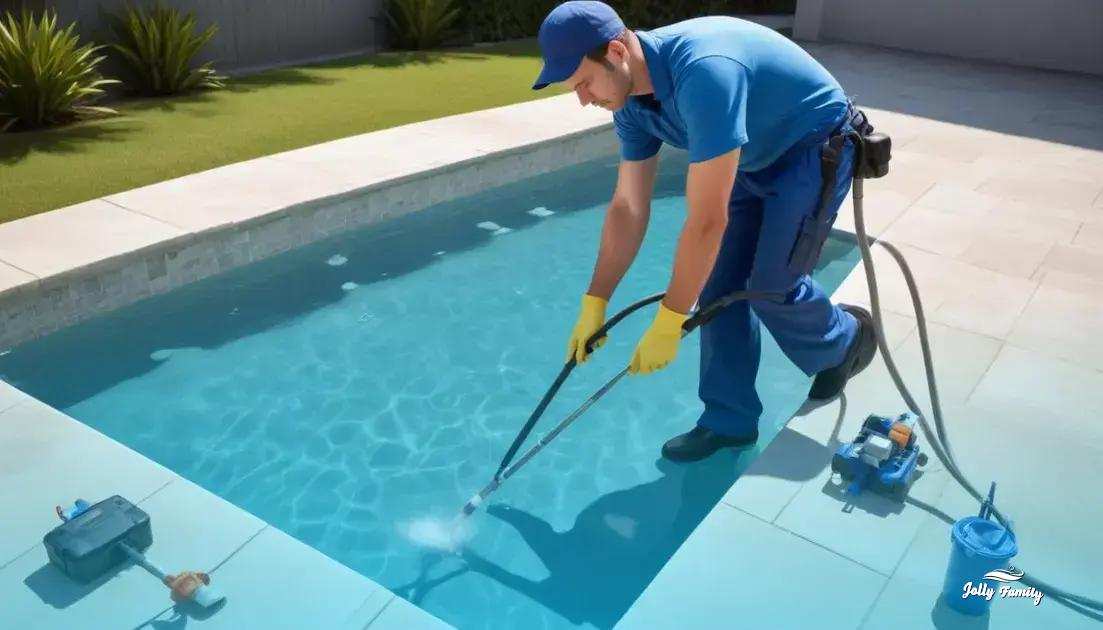
After testing, the pro may backwash or clean filters, adjust chemical levels, shock the pool, and tighten or replace worn o-rings and lids. They can also recommend or perform repairs for pumps, heaters, valves, and automation systems.
Timing and service window
Minor fixes and chemical balancing often take a few hours. Complex repairs, leak locating, or part replacements can require follow-up visits. The technician should give a clear timeline and an estimate before work begins.
What you should expect in the report
A good service visit includes a simple report: current chemical readings, actions taken, recommended fixes, and cost estimates. Ask for maintenance tips and any warranty details on parts or labor.
Safety and communication
Professionals follow safety protocols: turning off power when needed, using proper PPE, and keeping children away from the work area. They should explain risks and next steps in plain language you can understand.
If issues persist after service, ask for a follow-up inspection. Early, professional care often saves money and keeps your pool safe to use.
Take action before small problems become big ones
Watch for common signs—cloudy water, strange odors, noisy equipment, leaks, or recurring algae—and test the water often to catch issues early.
Try simple fixes like cleaning filters and balancing chemicals, but don’t wait if problems persist. Calling a professional can prevent costly repairs and protect swimmers’ health.
Regular checks, a basic maintenance schedule, and quick response to warning signs keep your pool clear and safe all season long.
FAQ – Common questions about professional pool service
When should I call a professional pool service?
Call a pro if cloudiness, recurring algae, strange odors, persistent leaks, noisy equipment, or repeated chemical swings don’t improve after basic fixes.
How often should I test my pool water?
Test at least twice a week, and always after heavy use, rain, or a refill. More frequent checks help avoid major problems.
Can I clear cloudy water on my own?
You can try cleaning skimmer baskets, running the filter longer, backwashing, and shocking the pool. If cloudiness remains after 24–48 hours, call a professional.
What causes recurring algae and how do I prevent it?
Recurring algae often comes from low sanitizer, poor circulation, or dirty filters. Prevent it by keeping chlorine in range, brushing walls, and running the pump daily.
How can I tell if my pool has a hidden leak?
Watch for steady water loss beyond normal evaporation, wet patches in the yard, or higher water bills. Do a 24-hour marked water test and contact a leak detection pro if loss continues.
What should I expect during a professional service visit?
Expect water chemistry tests, equipment inspection, filter cleaning, possible shock treatment, a simple service report with readings and recommendations, and safety measures while working.