
what makes a good pool cleaning company: licensed, insured teams with trained technicians who perform on-site chemical testing, use proper equipment, keep consistent schedules, provide transparent pricing and written reports, offer planned maintenance and quick responses to issues to protect water quality, equipment longevity and predictable costs.
what makes a good pool cleaning company; is it spotless water or dependable care? Ask yourself: do they test chemistry, show up on time and explain results? In Kissimmee, Jolly Family blends routine checks, clear communication and family-owned reliability to keep pools safe and ready to swim.
Key signs of a dependable pool cleaning company
Dependable pool cleaning companies show a few clear signs you can check. Look for licensing, insurance, regular testing, clear pricing, trained techs, steady schedules and quick responses.
Licensing and insurance
A trustworthy company is licensed and insured. Licensing shows they follow local rules. Insurance protects you if a worker is injured or property is damaged.
Consistent water testing and clear records
Good teams test water at every visit and keep simple logs. They explain chlorine, pH and alkalinity in plain language and provide records you can review.
Transparent pricing and written estimates
Expect clear, written estimates and a service agreement. A reliable company lists costs for routine cleanings, repairs and chemicals so there are no surprise charges.
Trained technicians and proper equipment
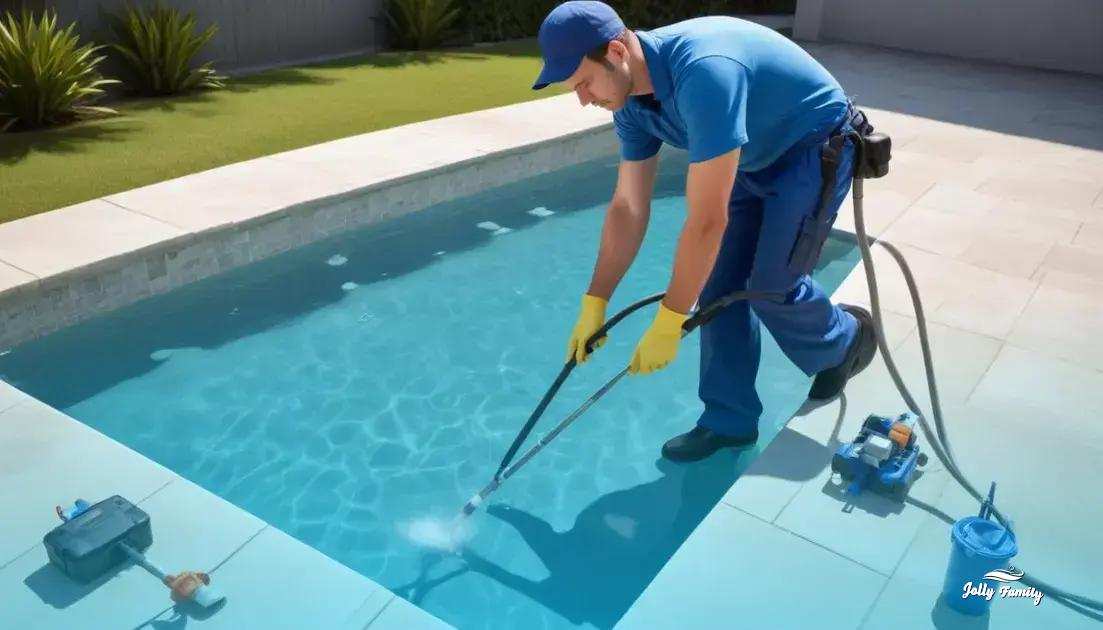
Technicians should be trained, background-checked and courteous. They use calibrated test kits, skimmers, vacuums and functioning filters. Modern tools and proper PPE matter for consistent results.
Reliable scheduling and communication
Dependable services arrive on schedule, provide reminders and respond quickly to issues. Look for companies that offer digital notes, photo reports or a satisfaction guarantee.
Essential services a Kissimmee team should provide
Routine cleaning and debris removal
Regular visits should include skimming, brushing and vacuuming. A Kissimmee team cleans surfaces, removes leaves and checks water level. Expect weekly or biweekly options with clear task lists.
Chemical testing and balance
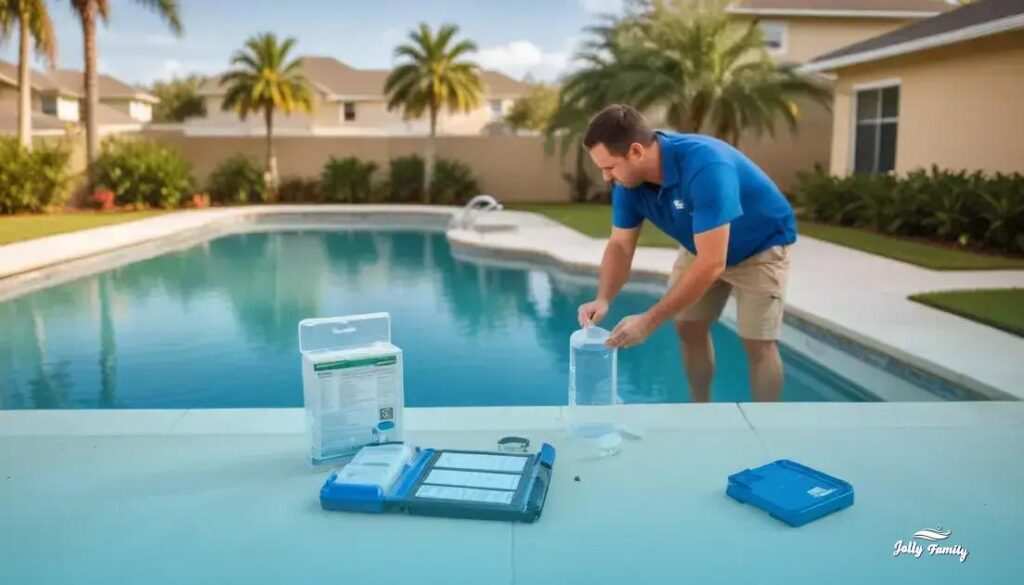
Technicians must test chlorine, pH, alkalinity and calcium hardness at each visit. Look for on-site testing and short explanations of results. Proper balance keeps water safe and protects equipment.
Filter and equipment maintenance
Cleaning and backwashing filters, inspecting pumps and checking filter pressure are basic services. A good crew services heaters, timers and automatic cleaners and notes any parts that need replacement.
Repairs, parts and upgrades
Minor repairs like replacing seals or motors should be handled quickly. Providers often offer parts sourcing and upgrade options such as energy-efficient pumps or improved automation.
Opening, closing and seasonal care
Seasonal services include opening the pool with a full start-up and winterizing or closing procedures. Proper opening and closing prevent corrosion, stains and winter algae growth.
Algae, stain removal and deep cleaning
Effective teams treat algae with targeted chemicals and use tile scrubbing, acid washing or stain removers when needed. Ask for a clear plan and timeline for deep-clean jobs.
Safety checks and compliance
Technicians should inspect fences, gates, drains and covers and advise on local safety rules. Expect documentation for repairs that affect safety compliance.
Clear communication and reporting
Look for written estimates, digital service notes or photo reports after each visit. Transparent pricing and easy scheduling build trust and reduce surprises.
How technicians manage chemical balance and water quality
Technicians manage pool chemistry by testing water at each visit and after heavy use. They act quickly to keep levels safe and water clear.
Testing and tools
Pros use a mix of tools: digital photometers, titration kits, pH meters and calibrated test strips. A proper sample is taken from elbow-deep in the pool, away from returns. Tests are done on-site so technicians can correct problems the same day.
Key chemical levels
Technicians target simple ranges: free chlorine about 1–3 ppm, pH 7.2–7.6, total alkalinity 80–120 ppm, and calcium hardness roughly 200–400 ppm. For outdoor chlorine pools, cyanuric acid is checked and kept in a safe range. Salt systems and bromine pools have their own target ranges that techs monitor.
How they adjust balance
Adjustments are done step by step. To raise chlorine they may add liquid chlorine or shock the pool. To lower pH they add muriatic acid or sodium bisulfate; to raise pH they use soda ash. Alkalinity and hardness are adjusted with specific chemicals and measured again after circulation. Many teams use feeders or timed dosing for steady results.
Common water issues and fixes
Cloudy water often means filter or circulation problems; techs backwash, clean cartridges or add clarifier. Algae is treated with brushing, shock and an algaecide if needed. Scaling or stains lead to sequestering agents or targeted cleaning. Techs explain a clear timeline so homeowners know when the water will return to normal.
Safety, documentation and follow-up
Technicians wear gloves and eye protection and store chemicals safely. Good companies keep digital logs, photo reports and written notes of every test and treatment. Clear records help track trends and prevent repeat problems.
Scheduling, transparency and long-term maintenance plans
Reliable scheduling means the company arrives when promised and keeps a predictable cadence for cleanings. Ask if they offer weekly, biweekly or custom plans and whether they provide a firm time window or same-day updates.
Scheduling and reliability
Good teams use digital calendars and send reminders by text or email. They offer easy online booking, clear arrival windows and options for emergency visits. Consistent visits prevent buildup and reduce the need for costly deep cleans.
Transparency in pricing and reporting
Expect written estimates and itemized invoices that list labor, parts and chemicals. Reliable companies keep service logs and supply photo reports or digital test records after each visit. Clear policies on cancellations, repairs and extra charges avoid surprises.
Long-term maintenance plans
A solid maintenance plan includes regular inspections, scheduled filter and pump checks, seasonal opening/closing and a timeline for common replacements. Look for options that bundle routine work, emergency response and discounted parts to help you budget annually.
Ask for a sample report and a simple contract that spells out frequency, scope and guarantees. A company that documents tests, notes trends and recommends timelines shows it cares about your pool’s long-term health.
When scheduling is dependable and reporting is clear, homeowners get predictable costs, fewer breakdowns and longer equipment life. These practical benefits separate a good company from the rest.
Why choosing a family-owned team like Jolly Family matters
Choosing a family-owned pool team often brings more care, clear communication and faster follow-up. Small crews depend on reputation, so they focus on doing the job right.
Personalized care and accountability
Owners and techs often know each customer. You get personalized service, direct contact with decision makers and faster fixes when problems arise. That accountability reduces repeat issues.
Consistent technicians and long-term relationships
The same techs visit your pool regularly. They learn the quirks of your equipment and spot trends early. This continuity means fewer surprises and smarter maintenance plans.
Local knowledge and community trust
Family teams know local conditions like water source, weather and common debris. They rely on local referrals and often offer recommendations from neighbors you can trust.
Transparent pricing and flexible plans
Small owners tend to offer clear estimates and simple contracts. Expect plain-language invoices, bundled maintenance options and flexibility for seasonal needs.
Fast response and stronger guarantees
Family businesses usually respond quickly to calls and stand behind their work. They give straightforward guarantees and treat customers like neighbors, which builds long-term trust.
Conclusion
Choosing a good pool cleaning company keeps your water safe, your equipment working longer, and your costs steady.
Look for license and insurance, on-site testing, clear pricing, trained technicians, and reliable scheduling before you hire.
Ask for service logs, photo reports, and a written maintenance plan that fits your pool. Regular care prevents big repairs and saves money.
A team that communicates clearly and shows real care gives you a safer pool and more time to enjoy it.
FAQ – Choosing a good pool cleaning company
What certifications or insurance should I ask for?
Ask for a valid business license, general liability insurance and workers’ compensation. These protect you if damage or injuries occur and show the company follows local rules.
How often should my pool be serviced?
Most pools need weekly or biweekly visits depending on use and weather. High use, heavy debris or hot climates usually require more frequent care.
How do technicians keep water chemistry safe?
Technicians test water on-site using calibrated kits and target standard ranges for chlorine, pH and alkalinity. They add chemicals in measured steps and re-test to ensure safe, clear water.
Which services are commonly included in routine plans?
Routine plans usually cover skimming, brushing, vacuuming, filter checks, chemical testing and minor adjustments. Many companies also offer repairs, seasonal opening/closing and deep clean options.
How can I tell if pricing and reporting are transparent?
Look for written estimates, itemized invoices and digital service logs or photo reports after each visit. Clear contracts on frequency and extra fees reduce surprises.
What are the advantages of hiring a local family-owned team?
Family-owned teams often provide personalized service, consistent technicians and faster response times. They rely on local reputation and tend to offer straightforward communication and accountability.