
How pool service saves time and money: consistent professional maintenance reduces owner hours by handling cleaning, testing, and minor repairs, prevents costly equipment failures through early detection, optimizes chemical use to cut waste, and improves pump efficiency to lower energy bills, delivering predictable costs and more free weekends.
how pool service saves time and money; curious? In Kissimmee, homeowners I work with say a steady, professional routine from Jolly Family frees hours, cuts surprise repairs and keeps water inviting — want a quick real-world example?
how professional pool service reduces hands-on time
Professional pool service lets you reclaim hours every week by handling routine tasks quickly and reliably.
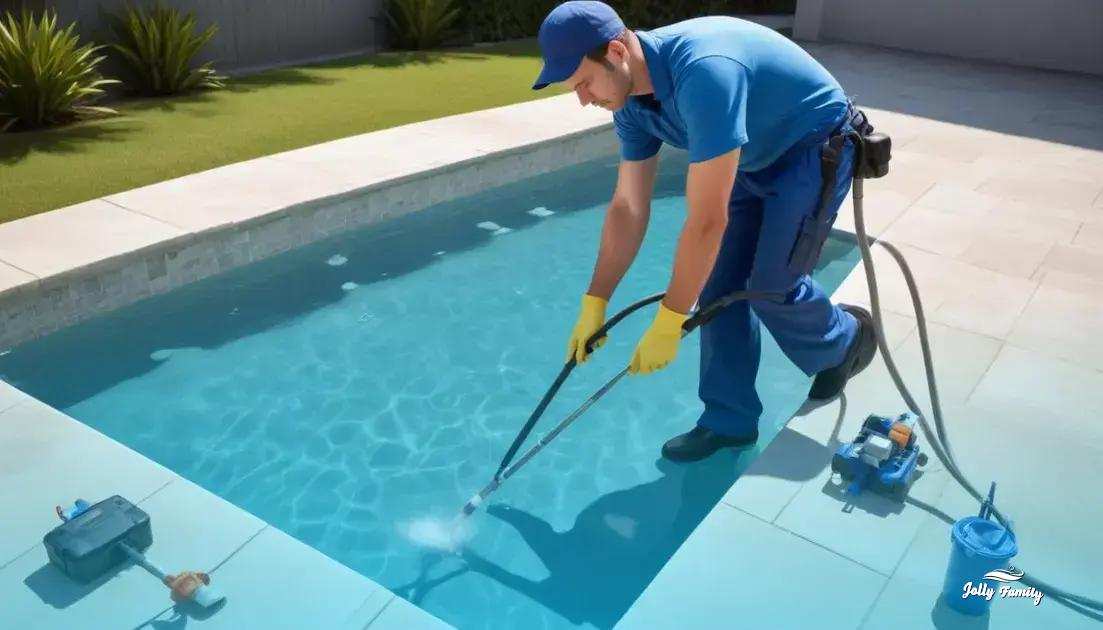
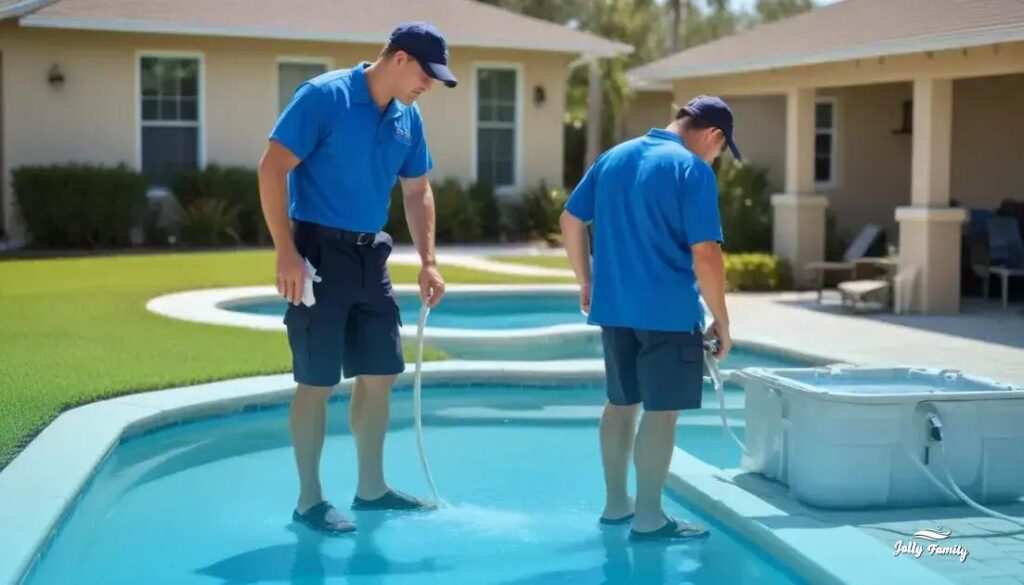
Technicians use proven workflows and efficient tools to finish cleaning, testing, and adjustments in a fraction of the time most homeowners spend.
What a pro handles for you
- Regular skimming, vacuuming, and debris removal to keep water clear.
- Accurate water testing and chemical balancing to avoid repeat treatments.
- Filter cleaning and backwash to maintain circulation without guesswork.
- Equipment checks and minor repairs that stop small problems from growing.
Using standardized checklists and calibrated kits means fewer visits and fewer surprises. That consistency directly reduces the hours you would otherwise spend troubleshooting.
Automation makes a big difference: automatic chemical feeders, smart pool controllers, and timed pumps cut down manual checks and trips to the store.
Clear communication also saves time. Many services provide digital reports and reminders so you don’t need to log details or keep schedules in your head.
Finally, early detection of issues prevents long, time-consuming repairs. A quick inspection today often avoids a full-day emergency fix later.
chemical management: lower costs by preventing damage
Proper chemical management keeps your pool safe and cuts long-term costs by preventing damage to surfaces and equipment.
Key chemical checks
- pH: keep between 7.4 and 7.6 to protect equipment and swimmers.
- Free chlorine: maintain 1–3 ppm to control bacteria without wasting chemicals.
- Total alkalinity: aim for 80–120 ppm to stabilize pH and reduce fluctuations.
- Cyanuric acid (stabilizer): keep 30–50 ppm for outdoor pools to prevent chlorine loss from sun.
- Calcium hardness: maintain 200–400 ppm to avoid scaling or etching plaster and metal parts.
- Salt cell and metal checks: clean and monitor to prevent corrosion and poor performance.
Use a reliable test kit and record readings. Small, regular adjustments cost less than emergency treatments. Follow product labels and avoid overdosing.
Practical routine steps
- Test water at least twice a week and after heavy use or rain.
- Shock the pool weekly or as needed to remove combined chlorine.
- Backwash or clean filters on a schedule to keep chemicals working efficiently.
- Store chemicals properly and buy only what you need to prevent waste.
- Keep a simple log with dates and numbers to spot trends early.
Consistent care reduces repeated treatments and prevents costly repairs like corroded heaters, stained finishes, or failed pumps. That steady approach saves money and keeps the pool ready to use.
early detection: inspections that avoid expensive repairs
Early detection through regular inspections stops small problems from turning into expensive repairs. Spotting a minor leak or worn seal early can save hundreds or more.
Inspection checklist
- Check the pump and motor for unusual noise or vibration.
- Monitor filter pressure and clean when numbers rise.
- Inspect visible plumbing and fittings for damp spots or corrosion.
- Examine skimmer baskets, return jets, and seals for cracks or wear.
- Look for surface stains, plaster cracks, or tile gaps that indicate water loss.
- Test lights, heaters, and automation controls for proper operation.
- Verify chemical balance to prevent corrosion and scaling that damage equipment.
Watch for simple signs: steady pressure increases, air in lines, sudden water level drops, or odd smells. These clues let you act before a failure grows worse.
When to schedule inspections
- Monthly basic checks for pools in regular use.
- Seasonal full inspections before heavy use and before winter.
- After storms or freeze events to catch hidden damage.
- Any time you notice performance changes or higher energy bills.
How inspections save money
- Early fixes prevent corrosion and pump burnout, which cut replacement costs.
- Keeping filters and seals healthy improves efficiency and lowers energy bills.
- Spotting small leaks avoids structural repairs or replastering later.
- A documented maintenance history can lower insurance claims and resale issues.
Professionals bring tools like pressure gauges, leak-detection dyes, and thermal cameras to locate problems fast. Even a short, skilled inspection often prevents the long, costly repairs that disrupt use and cost far more.
smart scheduling and maintenance plans that protect your weekends
Smart scheduling and maintenance plans move routine pool work off your to-do list and into a predictable, pro-managed routine. This lets you keep the pool ready while you protect your weekends for rest and family time.
How these plans work
Technicians visit on a set schedule—weekly, biweekly, or monthly—performing cleaning, testing, and small adjustments. Many plans include a checklist, digital reports, and automatic supply deliveries to avoid last-minute runs to the store.
- Automatic visits: fixed days that match your usage patterns.
- Bundled services: cleaning, chemical balance, and basic repairs in one price.
- Digital reminders: email or app alerts so you know when work is done.
- Priority response: faster service for members when problems arise.
Choosing the right plan
- Match visit frequency to pool use—more swim days usually need weekly care.
- Compare what each plan covers: returns, filter service, parts, and emergency calls.
- Look for clear pricing and any limits on labor or parts to avoid surprise costs.
- Ask about seasonal adjustments, like extra service in summer or winter opening/closing.
Tips to save time and money
- Pick a plan with preventive checks to catch issues before they become repairs.
- Combine visits for chemical supply deliveries and filter service to lower per-visit cost.
- Use simple automation—timers and smart controllers—to reduce manual runs.
- Keep a short shared log with your provider so both sides track changes and avoid repeat visits.
Consistent scheduling reduces emergency calls and keeps expenses predictable, so you enjoy the pool without chore-day trade-offs.
why local experts like Jolly Family deliver steady savings in Kissimmee
Jolly Family knows Kissimmee pools well: heat, pollen, and storms change chemical needs and wear equipment faster than in other areas.
local advantages
- Faster response times stop small issues from becoming costly repairs.
- Customized chemical schedules based on local sun and rainfall save on wasted products.
- Experience with common local problems—hard water, algae, and debris—lets techs prevent trouble early.
- Local supplier ties often lower parts costs and speed replacements.
how savings add up
- Fewer emergency calls reduce expensive after-hours labor.
- Accurate dosing and routine testing cut chemical waste and repeat treatments.
- Well-tuned pumps and filters run more efficiently, lowering energy bills.
- Regular care preserves plaster and finish, avoiding big resurfacing costs.
what to expect from a local expert
- Transparent pricing and scheduled visits so you can budget ahead.
- Digital reports and logs that track trends and prevent repeat work.
- Seasonal adjustments tailored to Kissimmee weather patterns.
- Priority service options that reduce downtime and repair costs.
Local trust reduces risk and long-term expense because a nearby team spots early signs and acts quickly, keeping your pool ready and costs steady.
Ready to save time and money?
Professional pool service handles cleaning, chemical balance, and inspections so you spend less time on chores. Small issues get fixed early, preventing big repairs and high bills.
Choose a plan with regular visits, clear pricing, and preventive checks. Local experts respond faster after storms and know how to tune equipment for lower energy use.
Start with a service check or short trial visit. Protect your weekends, avoid surprise costs, and enjoy a pool that is ready when you are.
FAQ – Pool service: save time and money
How does a professional pool service save me time?
Technicians handle cleaning, testing, and minor repairs on a set schedule, so you don’t need to spend hours each week on chores or troubleshooting.
Can hiring a pool service really save money compared to DIY?
Yes. Regular care prevents costly repairs, reduces chemical waste with accurate dosing, and improves equipment efficiency to lower energy bills.
How often should my pool be serviced?
It depends on use: weekly for heavy swim schedules, biweekly for moderate use, and monthly for low use, plus seasonal full inspections.
What does good chemical management include?
Regular testing and balancing of pH, chlorine, alkalinity, stabilizer, and calcium hardness to prevent corrosion, scaling, and repeated treatments.
How do inspections help avoid expensive repairs?
Inspections spot leaks, worn seals, pressure issues, and corrosion early so techs can fix small problems before they become major, costly repairs.
What should I look for when choosing a local pool service like Jolly Family?
Look for local experience, clear pricing, included services, digital reports, fast response times, and customer references to ensure steady savings and trust.