
how to prevent green pool water: maintain free chlorine 1 to 3 ppm, keep pH between 7.2 and 7.6, run the pump daily for a full turnover, skim and brush surfaces, clean filters regularly, use preventative algaecide when needed, and eliminate nutrient sources such as fertilizer runoff.
how to prevent green pool water starts with a few simple checks: testing levels, skimming debris, and running the filter. Green water can appear in days when algae get the upper hand — imagine a garden left unwatered, but for floating plants. Try testing once a week, backwashing or cleaning the filter, and keeping a small log; Jolly Family often recommends these small habits to avoid big cleanups.
why pools turn green: common causes and early signs
Algae are the main reason pools turn green. They multiply quickly when water chemistry and circulation are off. Small problems like low sanitizer or debris can let algae take over in days.
Common causes
Low free chlorine — Chlorine kills algae. When levels drop below the recommended range, algae can bloom. Test chlorine with strips or a kit before swimming.
Imbalanced pH or alkalinity — High pH reduces chlorine effectiveness. Keep pH between 7.2 and 7.6 so sanitizer works well.
Poor circulation and filtration — Dead spots let algae settle. Run the pump enough hours each day and clean or backwash the filter regularly.
Organic debris and sunlight — Leaves, grass, and warm sun create a food source and ideal growth conditions for algae.
High phosphate or nitrate levels — These nutrients feed algae. They can come from fertilizers, runoff, or some pool chemicals.
Early signs to watch for
Green tint or cloudy water — A light green color or loss of clarity is an early alarm. Check sanitizer and filter first.
Slippery walls and surfaces — A slimy feel on steps or walls often means algae are present even if water still looks okay.
Increased chlorine demand — If you must add chlorine frequently to reach target levels, algae or contaminants may be consuming it.
Visible patches — Small green specks or streaks near the skimmer, steps, or corners indicate localized growth that can spread.
Quick checks: use a test strip, look for debris in the skimmer basket, and run the filter while observing water flow. Early action stops a small bloom from becoming a major cleanup.
daily and weekly routines to prevent algae growth
Do a few quick checks every day to stop algae before it starts. Skim the surface for leaves and debris, empty the skimmer basket, and glance at water clarity. A fast test strip check for free chlorine helps you know if sanitizer is holding.
Daily routine
Run the filter at least 8–12 hours depending on pool size and weather. Check that return jets are flowing and remove visible debris from the pump strainer. Keep water level steady near the mid-skimmer opening so circulation works well.
Wipe or brush steps and tile where film can form. If chlorine reads low, add a small dose of sanitizer rather than large amounts at once. Record any unusual changes so you spot trends early.
Weekly routine
Test a full chemical panel: free chlorine, pH, total alkalinity, and stabilizer (cyanuric acid). Adjust pH to 7.2–7.6 and alkalinity to the recommended range to make chlorine effective. Shock the pool after heavy use, rain, or if chlorine is hard to hold.
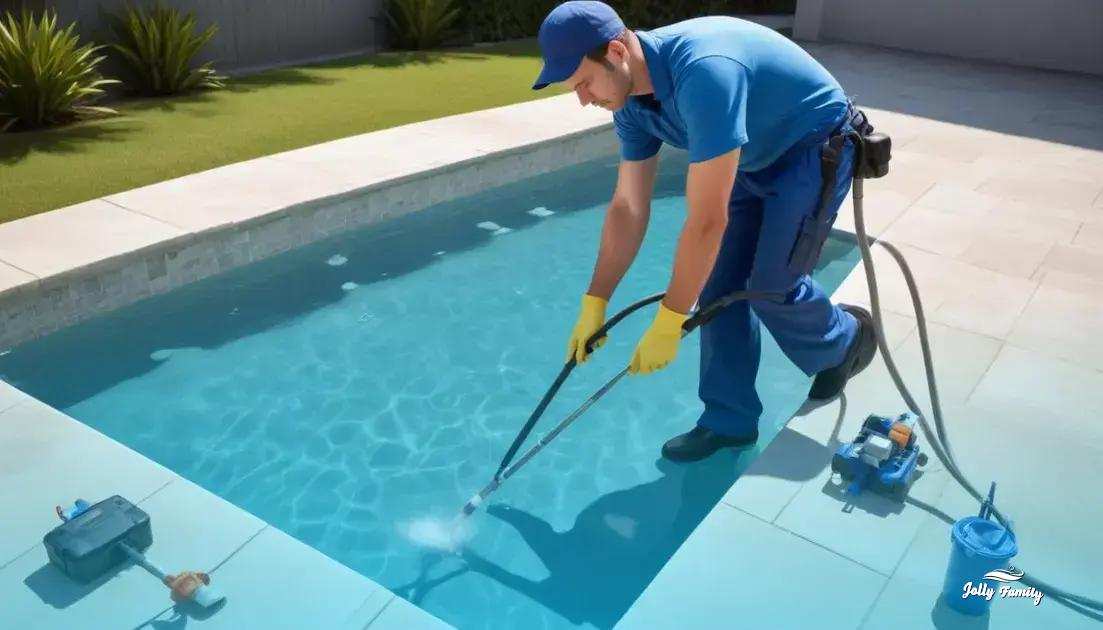
Brush and vacuum the entire pool to remove algae spores from walls and floor. Backwash or clean the filter cartridge and check pressure gauges. Empty and rinse skimmer and pump baskets, and inspect the pump, heater, and chlorinator for leaks or blockages.
Consider a monthly maintenance step: add a preventative algaecide if you often see algae, and test for phosphates after fertilizer runoff or storms. Keep a simple log of test results and actions taken — small, regular steps prevent large cleanups.
chemical balance explained: testing, chlorine, and pH
Test your pool water regularly to keep chemistry steady. Use a reliable method and record results so small issues are fixed fast.
Testing methods
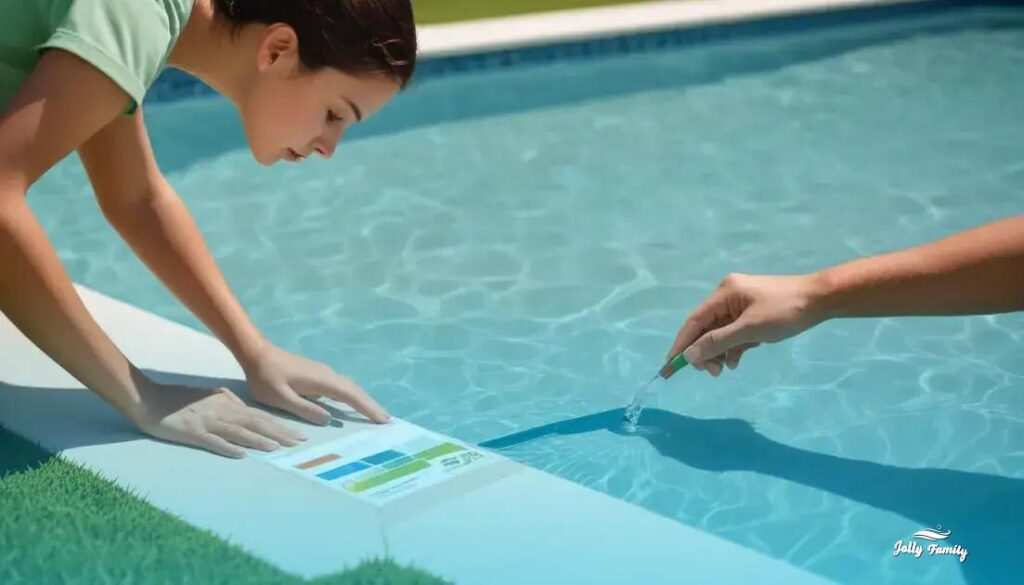
Use test strips for quick checks of free chlorine and pH. For more exact results, use a liquid titration kit to measure free chlorine, total chlorine, and alkalinity. Digital meters give fast, clear numbers for pH and ORP. Always collect water from elbow depth away from returns for accurate samples.
Understanding chlorine
Focus on free chlorine (FC) — this is the sanitizer that kills germs and algae. Keep FC around 1–3 ppm for normal pools. Combined chlorine (chloramines) forms when FC binds with contaminants; levels above 0.5 ppm mean you should shock the pool. Shocking raises FC quickly to break chloramines and kill algae.
pH and alkalinity
Keep pH between 7.2 and 7.6. If pH rises, chlorine works less effectively and water gets cloudy. Total alkalinity (TA) acts as a buffer; aim for 80–120 ppm. Proper alkalinity helps pH stay steady so you don’t chase numbers every day.
How to adjust levels
To raise chlorine, add stabilized chlorine tablets or liquid chlorine as directed. To shock, use a non-stabilized chlorine shock at the label dose and run the pump. To raise pH, use soda ash (sodium carbonate); to lower pH, use muriatic acid or sodium bisulfate slowly and carefully. Raise alkalinity with baking soda; lower it with small acid doses while watching pH.
Testing schedule and safety
Test at least twice a week, and after heavy rain, high bather load, or long hot spells. Wait recommended times before swimming after adding chemicals. Store chemicals in a cool, dry place, keep them sealed, and follow label safety: wear gloves and never mix acids with chlorine directly.
Simple habits — regular tests, small adjustments, and safe handling — keep your pool clear and reduce the chance of a green bloom.
equipment and filtration tips from Jolly Family professionals
Well-maintained equipment keeps water clear and stops algae before it starts. Small checks each week save time and money later. Jolly Family professionals stress that routine care is often the difference between a quick fix and a costly rebuild.
pump and circulation
Run the pump long enough to turn over the pool water daily. Most pools need 8–12 hours; warmer weather or heavy use may need more. A variable-speed pump can cut energy use and let you run longer without a big bill.
Check the pump strainer basket weekly. Turn off power, open the lid, remove debris, and reseal the O-ring. If you see air in the return lines or weak flow, inspect suction lines and skimmer baskets for clogs.
filter types and maintenance
Know your filter: sand filters need backwashing when pressure rises 8–10 psi over normal. Cartridge filters should be rinsed every 1–3 months and deep-cleaned with a cartridge cleaner seasonally. DE filters require backwash and recoat of DE powder after cleaning. Always follow the manufacturer’s steps.
Record the clean pressure for reference. Clean or replace elements before flow drops enough to harm circulation. Replacing worn media or cartridges on schedule keeps filtration efficient.
skimmer, baskets and returns
Empty skimmer and pump baskets often, especially after storms or heavy leaf fall. Debris left in baskets reduces flow and strains the pump. Check return jets and point them to create a circular flow to reduce dead spots where algae form.
Brush walls and tile to dislodge spores so the filter can trap them. For pools with vinyl liners, use a soft brush to avoid damage.
automation, cleaners and accessories
Automatic cleaners help but do not replace good circulation and chemical balance. Use a booster pump for suction cleaners if needed, and clean cleaner bags or filters regularly. Inline chlorinators and salt systems need periodic inspection and salt level checks.
Timers or smart controllers let you set pump cycles for off-peak hours and vary speeds. Jolly Family pros recommend pairing a variable-speed pump with a controller for best performance and cost savings.
common troubleshooting checks
If pressure climbs, check for a clogged filter, blocked impeller, or closed valves. Low pressure often points to air leaks in suction lines or empty skimmer basket. Unusual noise can mean worn bearings or cavitation; shut equipment down and inspect.
Keep a simple log of pressure readings, run times, and maintenance dates. Regular notes make it easier to spot gradual changes before they become green-water emergencies.
troubleshooting green water: quick fixes and when to call pros
If your pool turns green, start with fast checks: test free chlorine and pH, look at filter pressure, and skim visible debris. These simple steps tell you if the issue is chemical or equipment-related.
quick fixes to try now
Shock and run the pump — apply pool shock per the product label and run the pump continuously until water clears. Brushing walls and floor right after shocking helps release algae spores so the filter can trap them.
Vacuum and backwash — vacuum to waste for heavy debris or after a big bloom. If pressure rises about 8–10 psi over normal, backwash or clean the filter to restore flow.
Clear skimmers and baskets — remove leaves and organic matter from skimmer and pump baskets. Organic load feeds algae, so emptying these keeps sanitizer from being used up quickly.
when quick fixes may fail
If the water stays green after 24–48 hours of proper shocking, brushing, and continuous filtration, the problem may be a stubborn algae strain, high nutrient levels, or failing filtration.
Check circulation — weak returns, air in lines, or uneven flow create dead spots where algae hide. Adjust return jets toward surface circulation and ensure the pump runs long enough for full turnover.
when to call a professional
Contact a pro if you have persistent green water despite correct chemistry and filter cleaning, strange equipment noises, leaks, or if you’re uncomfortable handling large chemical doses. Pros can test for phosphates, replace filter media, or perform deep cleaning safely.
Also call a technician for recurring algae blooms, suspected liner or plumbing damage, or when a partial drain or acid wash may be needed. Expert inspection often prevents repeat problems.
safety and follow-up
Always follow chemical labels, wear gloves and eye protection, and keep people and pets away until chlorine returns to safe levels. Keep a short log of test results and actions taken to spot patterns and help a technician if you call one.
Keeping your pool clear
Regular checks stop green water: test chlorine and pH, skim debris, and run the filter daily. Small fixes now save hours later.
Maintain equipment by cleaning skimmer and pump baskets, backwashing or rinsing filters as needed, and pointing return jets to boost circulation. Keep a short log of tests and actions to spot trends early.
If a green bloom persists after 24–48 hours of proper treatment, call a professional. Always follow chemical safety instructions and wait until levels are safe before swimming.
FAQ – Preventing and Fixing Green Pool Water
How often should I test my pool water?
Test at least twice a week and after heavy rain or many swimmers. Check free chlorine and pH to keep levels in range.
What is the quickest way to clear slightly green water?
Shock the pool, brush walls and floor, run the pump continuously, and clean or backwash the filter. Water often clears in 24–48 hours.
Can I prevent algae without using chemicals?
You can reduce risk with good circulation, skimming debris, brushing, and covering the pool, but sanitizer and proper chemistry are still needed.
When should I call a professional?
Call a pro if green water persists after 48 hours, if equipment is noisy or leaking, or if you’re unsure about handling large chemical doses.
Does algaecide help prevent green water?
Yes. Use algaecide as a preventative in problem areas or seasonally, but it should supplement—not replace—regular chlorine and balance.
How do I maintain equipment to avoid green water?
Run the pump 8–12 hours daily, empty skimmer and pump baskets, clean filters as recommended, check pressure readings, and keep a maintenance log.