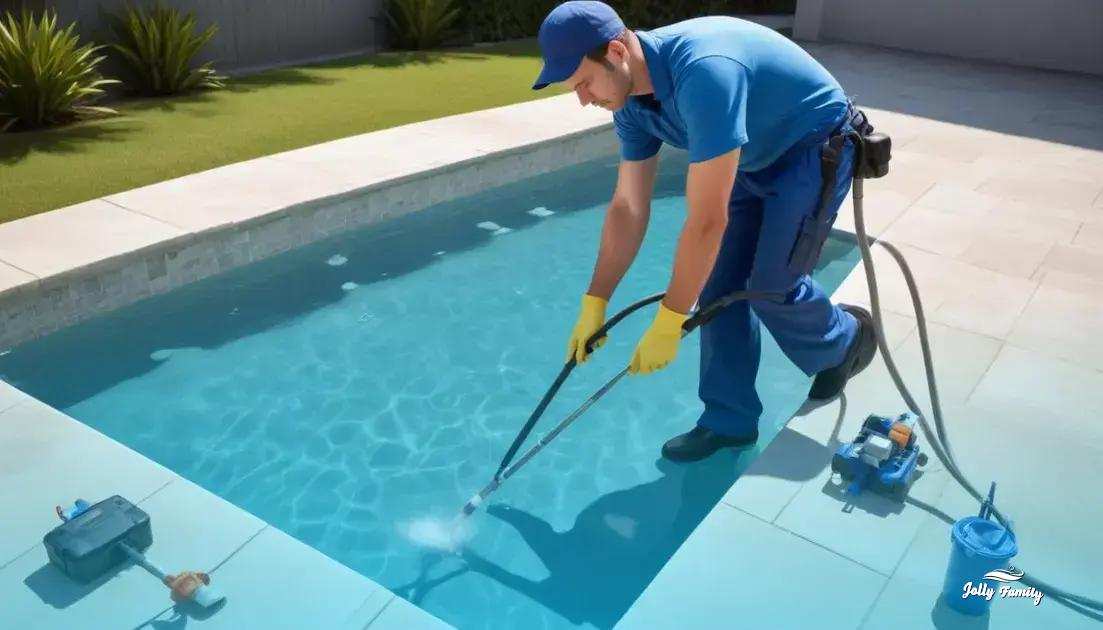

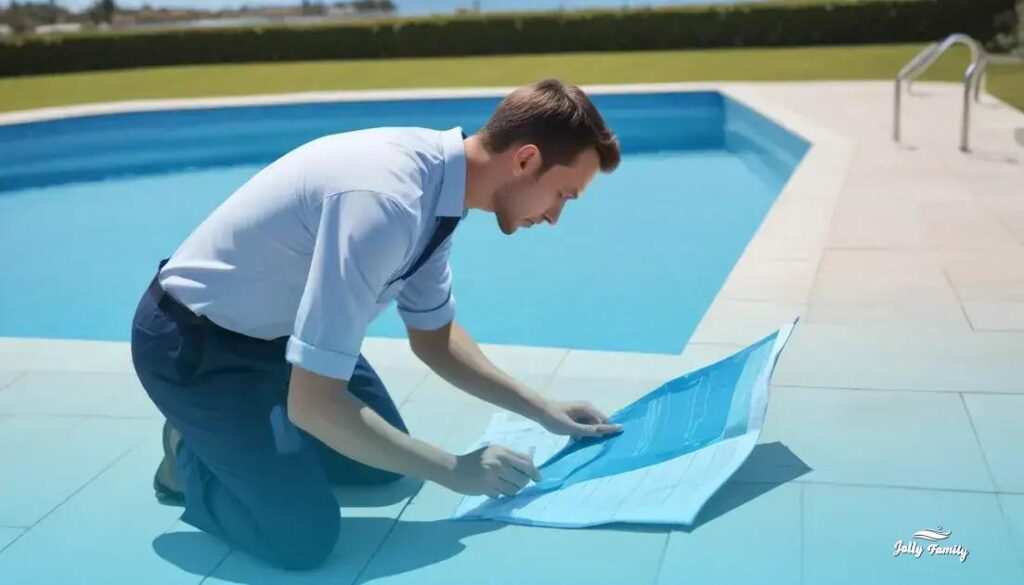
Professional pool inspection basics involve regularly checking water quality, equipment, and safety features, which prevent costly repairs and ensure a safe swimming environment.
Professional pool inspection basics are crucial for any pool owner looking to ensure safety and extend the lifespan of their investment. Have you ever wondered what a thorough inspection entails? Let’s dive into the essentials.
Understanding the importance of regular pool inspections
Understanding the importance of regular pool inspections is key to maintaining a safe and enjoyable swimming environment. Regular inspections help identify potential issues before they become serious problems, ensuring that your pool is always in excellent condition.
One major benefit of regular inspections is that they can prevent costly repairs down the line. By catching issues early, you may avoid significant expenses that arise from neglecting minor problems. For instance, small leaks can be fixed easily, but if left unattended, they can lead to more extensive damage and expensive repairs.
Additionally, regular inspections contribute to the safety of swimmers. Pool inspectors assess various components, such as the filtration system, pool surfaces, and safety features. Ensuring these elements are functioning properly can prevent accidents and injuries, which are crucial for a fun pool experience.
Moreover, having a properly maintained pool can improve its lifespan. Regular checks of the pool’s structure, tiles, and equipment ensure everything is in top shape. This longevity adds significant value to your property and enhances your enjoyment for years to come.
Lastly, regular inspections can help you comply with local regulations and safety standards. Many areas require pools to meet specific safety codes, and inspections ensure that you stay compliant, avoiding potential fines or legal issues.
Key components of a thorough pool inspection
When conducting a thorough pool inspection, several key components must be evaluated to ensure safety and efficacy. These components will help maintain your pool in optimal condition.
First, the pool itself should be carefully examined. Inspect the pool surface for cracks, chips, or discoloration, which can indicate underlying issues. Pay attention to the tiles and coping around the edge, as these areas can often suffer wear over time.
Next, the water quality cannot be overlooked. Testing the chemical levels, such as pH, chlorine, and alkalinity, is essential. Imbalanced chemicals can lead to algae growth or health risks for swimmers.
The filtration system is another critical element. Ensure that the pump and filter are functioning correctly. Check for any clogs or leaks that might compromise the system’s efficiency. Additionally, inspect the skimmer and main drain for any obstructions.
Safety features also need careful consideration. Check the pool barriers, such as fences and gates, to ensure they meet safety regulations. Make sure that pool alarms and safety covers are in proper working condition, as these are essential for preventing accidents.
Lastly, inspect the pool equipment, such as ladders, diving boards, and slides. Ensure they are securely attached and free from rust or deterioration. Regular maintenance of these components is vital for a safe swimming environment.
Signs that your pool needs attention
It’s important to recognize the signs that your pool needs attention to maintain its condition and safety. These indicators can help you avoid larger issues that may arise if problems are left unaddressed.
One major sign is cloudy or discolored water. Clear water should be the standard; if your pool looks murky or green, it may suggest problems with the filtration system or chemical imbalances. This can pose health risks for swimmers.
Another warning sign is the presence of algae. If you notice green, brown, or black spots along the walls or floor, it indicates algae growth. This often happens when the chlorine levels are too low or if the pool hasn’t been maintained properly.
Additionally, watch for leaks. If you find that the water level is dropping unexpectedly, it may indicate a leak. This could lead to structural damage or increased water bills if left unchecked.
Check the tiles and coping around the pool. Cracked or loose tiles can not only affect the appearance of your pool but can also be dangerous for swimmers. If tiles are falling off or loose, it’s time to arrange repairs.
Lastly, listen for unusual sounds coming from your pool equipment, such as pumps or filters. If these devices make strange noises, it could indicate a malfunction. Regular maintenance can help keep them in good working order.
How to choose a professional pool inspector
Choosing a professional pool inspector is crucial for ensuring the safety and quality of your swimming pool. There are several factors to consider when making your selection.
First, look for inspectors with credentials and experience. Make sure they are certified and have a good amount of experience in the field. This can include certifications from recognized organizations and a history of successful inspections.
Next, check for reviews and references. Online reviews can give you an idea of the inspector’s reputation. Additionally, ask for references from previous clients to gauge their satisfaction and the quality of service provided.
It’s also important to consider the services offered. Not all inspectors provide the same level of service; some may cover specific areas like safety features and water quality, while others might offer a broader range of inspections. Ensure that their services meet your specific needs.
Inquire about the inspection process itself. A thorough inspector should provide a detailed checklist of what will be evaluated during the inspection. This will give you insight into their thoroughness and attention to detail.
Lastly, discuss the cost and timelines involved. Get quotes from different inspectors and understand what is included in the price. Knowing how long the inspection will take and when you can expect the report is also important for planning your maintenance strategy.
Benefits of routine pool maintenance
Routine pool maintenance offers numerous benefits that are vital for the longevity and safety of your swimming pool. Regular upkeep ensures that your pool remains in top condition.
First and foremost, consistent maintenance helps maintain water quality. Regularly checking and adjusting pH, chlorine levels, and other chemicals prevents algae growth and ensures a safe swimming environment for everyone.
Another significant benefit is the prevention of costly repairs. By identifying and addressing small issues during routine maintenance, you can avoid larger problems that could require expensive repairs. For example, minor leaks can be detected and fixed quickly, preventing extensive damage.
Safety is another critical aspect of routine maintenance. Regular inspections can help identify potential safety hazards, such as broken ladders, worn-out tiles, or malfunctioning drains. Keeping your pool safe reduces the risk of accidents and liabilities.
Moreover, routine maintenance can extend the lifespan of your pool. Regular cleaning and care for the pool structure, filters, and other equipment ensure they function properly and last longer. This can save you money on replacements or extensive repairs over time.
Lastly, a well-maintained pool adds to the overall aesthetic appeal of your property. Clear, sparkling water and clean surroundings enhance the look of your outdoor space, making it more enjoyable for you and your guests.
In conclusion: the essential role of pool maintenance
Routine pool maintenance is crucial for ensuring a safe and enjoyable swimming experience. By regularly checking water quality, detecting potential issues, and maintaining equipment, pool owners can save money and enhance the beauty of their outdoor spaces.
With proper upkeep, your pool remains a safe haven for family and friends to enjoy during warm weather. Remember, investing time and effort into regular maintenance not only prolongs the life of your pool but also creates a welcoming environment for everyone.
Embrace the importance of routine pool maintenance and enjoy your pool to the fullest.
FAQ – Frequently Asked Questions about Pool Maintenance
Why is routine pool maintenance important?
Routine pool maintenance is important because it ensures water quality, prevents costly repairs, enhances safety, and extends the lifespan of your pool.
How often should I inspect my pool?
You should inspect your pool at least once a month, and more frequently during the swimming season, to ensure everything is in good condition.
What are common signs that my pool needs maintenance?
Common signs include cloudy water, algae growth, unusual sounds from equipment, and visible cracks or chips in the pool surface.
Can I perform pool maintenance myself?
Yes, many routine maintenance tasks can be done by pool owners, such as cleaning, checking chemical levels, and inspecting equipment. However, it’s wise to hire a professional for thorough inspections.
What should I look for when choosing a pool inspector?
Look for credentials, experience, reviews from past clients, and a detailed outline of the services they offer before choosing a pool inspector.
What are the benefits of hiring a professional for pool maintenance?
Hiring a professional ensures that all aspects of pool maintenance are handled correctly, saving you time and helping prevent costly issues in the future.