
Pool sanitation problems in residential pools, such as algae growth and cloudy water, can lead to health risks; maintaining proper chemical levels, regular cleaning, and effective filtration are essential for ensuring safe swimming conditions.
Pool sanitation problems in residential pools can be frustrating for homeowners. Have you ever faced murky water or unpleasant odors? In this article, we’ll explore how to tackle these challenges effectively.
Understanding common pool sanitation issues
Understanding common pool sanitation issues is crucial for every pool owner. Regular maintenance is key to preventing problems like algae growth and cloudy water. Here are some of the most common issues:
Algae Growth
Algae can turn your pool water green and make it unsafe for swimming. This growth usually occurs when the sanitizer levels are low. Regularly checking and adjusting chlorine levels can help to keep algae at bay.
Cloudy Water
If your pool water appears cloudy, it may indicate a filtration issue or improper chemical balance. Ensure your filter is working effectively and that the water chemistry is regularly tested.
Unpleasant Odors
Foul smells are often a sign of bacteria and other contaminants. To avoid this, maintain proper chlorine levels and regularly eliminate debris from the water surface and pool bottom.
Poor Water Circulation
Water that does not circulate properly can lead to stagnant areas, creating a breeding ground for bacteria. Check your pump and filter systems regularly to ensure efficient circulation.
Scaling and Staining
Minerals and metals in the water can lead to scaling on the walls and surfaces of your pool. Using a regular cleaning schedule and appropriate chemicals can prevent these issues.
By recognizing these common pool sanitation problems, you can take proactive steps to ensure your pool remains a safe and enjoyable place for family and friends.
Signs of poor pool sanitation
Recognizing the signs of poor pool sanitation is essential to maintaining a safe swimming environment. There are specific indicators that can alert you to sanitation issues which can impact the quality of your pool water:
Unclear Water
If the water appears murky or cloudy, it could signify insufficient filtration or low sanitizer levels. Regular testing can help identify chemical imbalances.
Algae Growth
Finding green, black, or yellow spots on the pool walls or bottom is a clear sign of algae growth. This occurs when there isn’t enough chlorine or sanitizer in the water.
Strange Odors
If you notice unusual or strong odors, it may indicate contamination. Foul smells typically arise from bacteria or an overuse of chlorine, which means it’s time for a thorough cleaning.
Skin Irritation
Persistent rashes or skin irritations after swimming can be a sign of poor water quality. This can happen due to high levels of bacteria or inadequate pH levels.
Debris Accumulation
Visible debris like leaves or dirt settling in the pool can affect sanitation. It’s essential to remove debris promptly and maintain regular cleaning schedules.
Paying attention to these signs can help you address sanitation problems quickly and keep your pool enjoyable and safe for everyone.
Impact of poor sanitation on health
The impact of poor sanitation on health cannot be underestimated, especially in residential pools. When pool water is not adequately sanitized, it can lead to various health issues. Here are some key points to consider:
Waterborne Diseases
Inadequately treated pool water can harbor harmful bacteria and viruses that cause illnesses such as gastroenteritis. Swimmers can contract these infections through skin contact or inadvertent swallowing of contaminated water.
Skin Infections
Dirty pool water can lead to skin infections and irritations. Swimmers may experience rashes, blisters, or allergic reactions as a result of exposure to unclean water.
Respiratory Problems
Chloramines, which form when chlorine interacts with sweat and urine in the water, can create strong odors and irritate the respiratory system. This can lead to issues such as asthma, especially in children.
Eye Irritation
Swimming in poorly sanitized pools can cause redness, itching, and irritation in the eyes. This happens due to contaminants and an imbalance of chemicals in the water.
Long-term Health Risks
Continuous exposure to unsanitized pool water can result in long-term health problems. Chronic respiratory conditions and skin diseases may develop from repeated contact with contaminated water.
Maintaining proper pool sanitation is critical to ensuring the health and safety of all swimmers. By being aware of the risks associated with poor sanitation, pool owners can take necessary measures to protect their families and guests.
Effective solutions for pool sanitation
Implementing effective solutions for pool sanitation is essential to maintain clean and safe swimming conditions. Here are some strategies you can use to keep your pool in excellent shape:
Regular Chemical Testing
Testing the water for pH, chlorine, and alkalinity levels should be done regularly. This ensures the water remains balanced and safe. Aim for a pH between 7.2 and 7.8.
Use of Chlorine
Chlorine is a principal element in pool sanitation, effectively killing bacteria and preventing algae growth. Ensure you maintain appropriate chlorine levels to keep the water sanitized.
Filtration System Maintenance
Regularly clean and maintain your filtration system to ensure optimal performance. A well-functioning filter removes debris and impurities that can compromise water quality.
Shock Treatment
Periodically applying shock treatment can help eliminate contaminants and bacteria that routine sanitization may miss. This is especially important after heavy pool use or during high temperatures.
Routine Cleaning
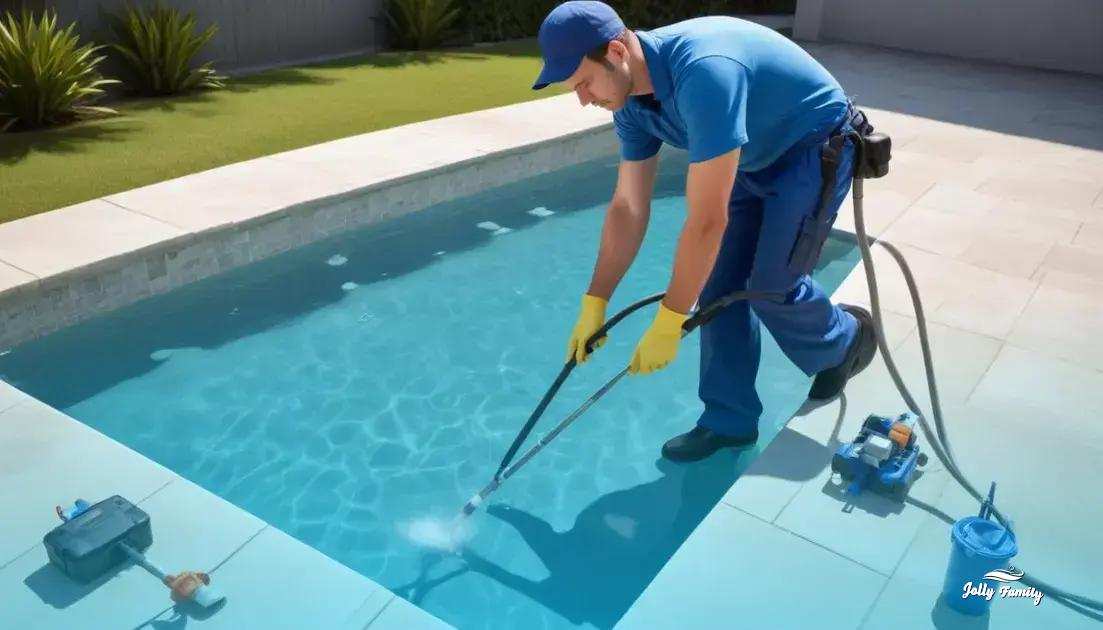
Regularly skim the surface for debris, vacuum the bottom, and scrub the walls to keep your pool clean. This proactive approach prevents dirt and grime buildup, which can encourage bacteria growth.
By adopting these effective solutions, pool owners can ensure their pools are not only clean but also safe and enjoyable for everyone.
Maintaining optimal water quality
Maintaining optimal water quality in your pool is essential for safe swimming and overall enjoyment. Here are some key practices to ensure your pool water remains clean and clear:
Regular Water Testing
Test your pool water at least once a week for key parameters such as pH, chlorine levels, and alkalinity. Keeping these levels within the recommended range helps prevent harmful bacteria from thriving.
Balanced Chemical Levels
Ensure that the chemical levels in your pool are balanced. The pH should typically be between 7.2 and 7.8, while free chlorine concentrations should generally be 1 to 3 parts per million (ppm).
Filtration System Usage
Run your filtration system for at least 8 to 12 hours a day during peak swimming season. This helps in continuously circulating and filtering the water, removing dirt and debris effectively.
Consistent Cleaning Schedule
Adhere to a regular cleaning schedule that includes skimming, vacuuming, and brushing the pool walls and floor. This prevents algae and other contaminants from building up and affecting water quality.
Shock Treatment
Apply shock treatments as needed, especially after heavy pool use or rain. Shocking the water helps to eliminate chloramines and other impurities, keeping the water clear and disinfected.
By staying proactive about maintaining optimal water quality, pool owners can ensure their swimming environments are safe and enjoyable for everyone.
In summary, keeping your pool safe and clean
Maintaining proper pool sanitation is vital for the health and enjoyment of all swimmers. By recognizing common sanitation problems, identifying signs of poor water quality, and implementing effective solutions, pool owners can create a safe swimming environment.
Regular water testing, balanced chemical levels, and routine cleaning help in preserving optimal water quality. These practices not only prevent health issues but also ensure that your pool remains a place of fun and relaxation.
Ultimately, being proactive about pool maintenance pays off in the long run. A well-kept pool is a source of joy for families and friends alike.
FAQ – Frequently Asked Questions about Pool Sanitation and Maintenance
What are the signs of poor pool sanitation?
Signs include cloudy water, algae growth, strange odors, skin irritation, and debris accumulation.
How often should I test my pool water?
You should test your pool water at least once a week to ensure proper chemical levels.
What should the pH level of my pool water be?
The pH level should be maintained between 7.2 and 7.8 for optimal swimming conditions.
Why is regular cleaning important for pool maintenance?
Regular cleaning prevents debris and algae buildup, helping to keep the water safe and clear.
What is shock treatment, and when should I use it?
Shock treatment involves adding a high dose of chlorine to eliminate contaminants, and it should be done after heavy pool use or rain.
How can I maintain optimal water quality in my pool?
Maintain optimal water quality by regularly testing water, balancing chemicals, using a filtration system, and performing consistent cleaning.