
Pool chemical safety concerns for homeowners include understanding hazards, recognizing signs of chemical imbalance, following best handling practices, and ensuring regular maintenance to create a safe and enjoyable swimming environment.
If you’re a homeowner, pool chemical safety concerns might not be at the forefront of your mind, but they should be. Do you know how these substances can impact your family’s health? In this article, we’ll dive into essential safety tips you can’t afford to ignore.
Understanding pool chemical safety
Understanding pool chemical safety is essential for every homeowner. Pools require various chemicals to keep the water clean and safe for swimming.
Types of Pool Chemicals
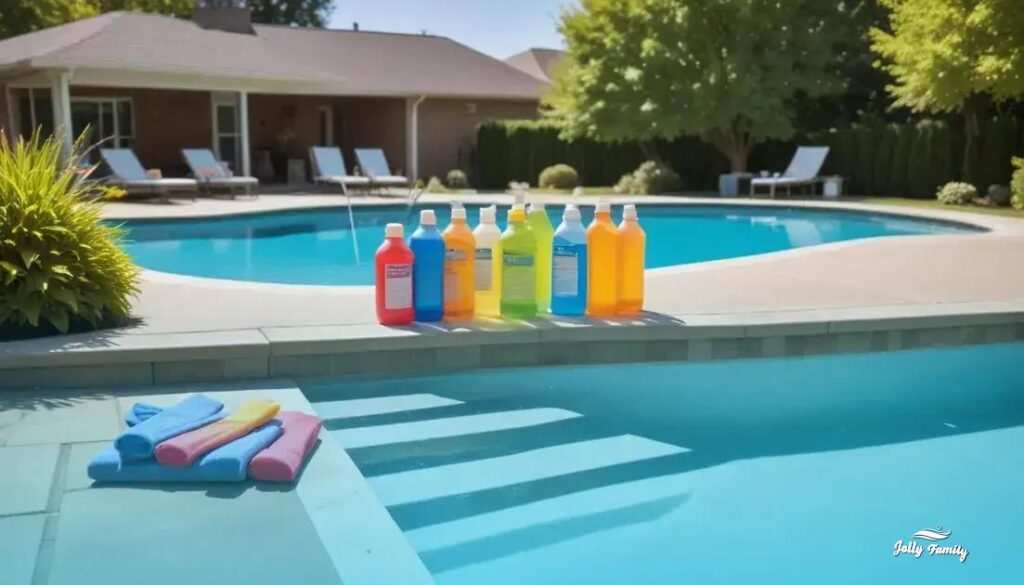
Common pool chemicals include chlorine, pH balancers, and algaecides. Chlorine is the most widely used sanitizer that helps eliminate harmful bacteria and viruses. Proper handling is crucial; always wear gloves and avoid direct contact with skin.
Safety Precautions
Always read labels before using any pool chemicals. Store all chemicals in a cool, dry place away from direct sunlight and out of reach of children and pets. Mixing chemicals can be dangerous; never combine chlorine with acids.
Signs of Chemical Imbalance
Regularly check for signs of chemical imbalance, such as cloudy water or skin irritation after swimming. Testing kits are available to help homeowners monitor chemical levels effectively.
Emergency Procedures
In case of accidental spills or exposure, follow the manufacturer’s instructions for cleanup and first aid. Knowing how to handle emergencies can prevent serious health risks.
By understanding pool chemical safety, homeowners can ensure a safe swimming environment for themselves and their families.
Common hazards of pool chemicals
Pool chemicals are essential for keeping water safe, but they come with common hazards that homeowners should be aware of. Understanding these risks can help prevent accidents and injuries.
Chlorine Hazards
Chlorine is widely used but can produce harmful fumes. Inhaling chlorine gas can irritate the lungs and cause respiratory issues. Always ensure proper ventilation when handling chlorine, and wear a mask if needed.
Skin and Eye Irritation
Direct contact with pool chemicals can lead to skin burns and eye irritation. It’s important to wear protective gloves and eyewear when measuring or pouring chemicals. Rinse thoroughly with water if exposure occurs.
Environmental Risks
Improper disposal of pool chemicals can harm the environment. Never pour chemicals down the drain or dump them in the yard. Store chemicals properly to avoid leaks and spills, and always follow local regulations for hazardous waste disposal.
Combustibility
Some pool chemicals are highly combustible, especially if mixed incorrectly. Never mix different types of chemicals, as this can cause dangerous reactions and even explosions. Always read the labels to understand proper use and limitations.
By being aware of these common hazards, homeowners can safely manage pool chemicals and ensure their swimming areas remain enjoyable and secure for everyone.
Best practices for handling pool chemicals
Handling pool chemicals safely is vital for every homeowner. Following best practices can significantly reduce risks and ensure a clean pool environment.
Read Labels Carefully
Always read the labels on pool chemical containers before use. Understanding the instructions helps avoid mistakes and ensures you know the correct dosage and safety precautions required.
Use Protective Gear
When handling pool chemicals, wear protective gear like gloves, goggles, and a mask. This minimizes exposure to harmful substances and prevents skin or eye irritation.
Store Chemicals Safely
Store all pool chemicals in a cool, dry place, away from direct sunlight and out of reach of children. Using a locked cabinet is a good practice to improve safety. Ensure that chemicals are in their original containers to prevent confusion.
Maintain Proper Ventilation
Whenever using pool chemicals, ensure the area is well-ventilated to avoid inhaling harmful fumes. If you’re indoors, open windows or use fans to improve air circulation.
Know Emergency Procedures
Have a plan for handling accidental spills or exposure. Know the first aid steps to take and have contact information for poison control readily available. Being prepared can help reduce panic in an emergency situation.
Signs of chemical imbalance in your pool
Recognizing the signs of chemical imbalance in your pool is crucial for maintaining a safe and enjoyable swimming environment. Here are some key indicators to watch for.
Cloudy Water
If your pool water appears cloudy, it may indicate an imbalance in the chemicals. This can occur when chlorine levels are low or pH levels are not optimal. Regular testing can help identify the issue.
Unpleasant Odors
Strong or unpleasant smells coming from your pool might suggest a chemical imbalance. For instance, a strong chlorine smell could mean that the chlorine is not effectively killing off bacteria and needs to be adjusted.
Skin and Eye Irritation
Experiencing skin rashes or eye irritation after swimming can signal that the pool water is chemically unbalanced. An improper pH level or high chlorine concentration can cause these uncomfortable reactions.
Algae Growth
If you notice green or slimy substances forming on the pool walls or floor, this is a clear sign of algae growth, often a result of low chlorine levels. It’s essential to address this quickly to restore safe swimming conditions.
Frequent Filter Issues
If your pool filter is getting clogged frequently, it might indicate that the water quality is poor due to an imbalance in chemicals. Keeping an eye on filter performance can provide insights into your pool’s overall health.
How Jolly Family ensures pool safety
Ensuring pool safety is a top priority for Jolly Family. They employ multiple strategies to make sure their pool environment is safe and enjoyable for everyone.
Regular Chemical Testing
Jolly Family conducts regular chemical testing to maintain balanced water conditions. They use testing kits to check pH levels, chlorine content, and other crucial indicators that affect pool safety.
Routine Maintenance
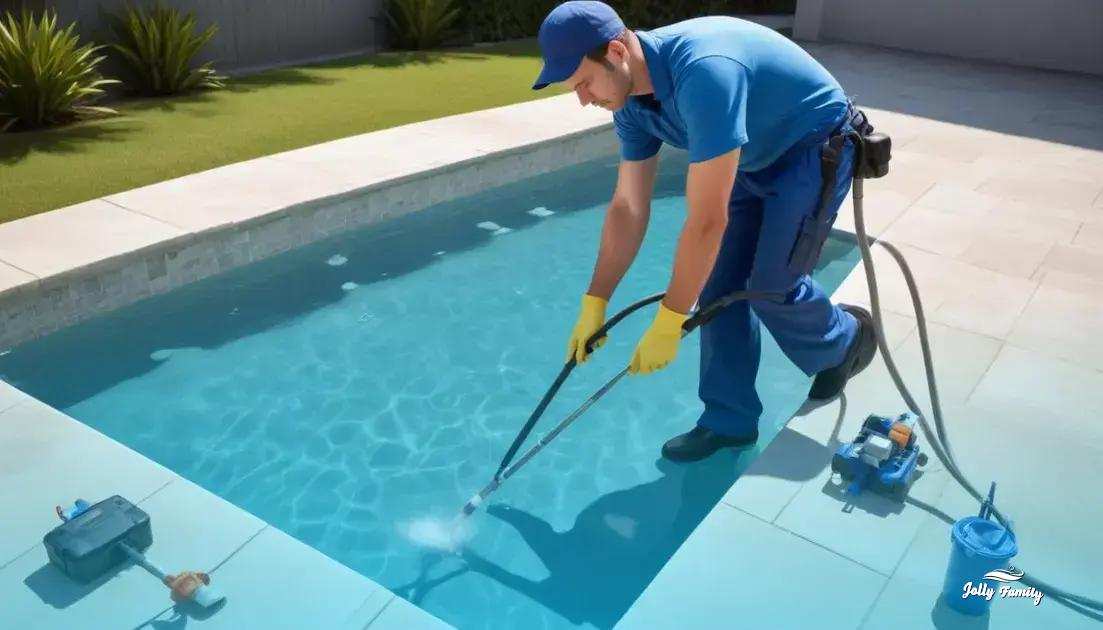
Consistent pool maintenance is vital. Jolly Family schedules routine cleaning, filtering, and inspections. This ensures that the pool remains clean and free from debris, preventing potential hazards.
Education on Pool Safety
The family emphasizes the importance of education regarding pool safety. They teach their children and guests about safe swimming practices and the proper way to interact with pool chemicals.
Proper Chemical Storage
For safety, all pool chemicals are stored in a locked cabinet away from sunlight and out of reach of children. This secure storage prevents accidental exposure and ensures that all necessary precautions are taken.
Emergency Preparedness
Jolly Family prepares for emergencies by having a first aid kit and rescue equipment, such as a life preserver, available near the pool. They also have a plan in place for responding to accidental incidents.
In conclusion, ensuring pool chemical safety is crucial for every homeowner
From understanding the hazards associated with pool chemicals to employing best practices for handling and storage, being informed can significantly reduce risks.
Recognizing signs of chemical imbalance and maintaining regular testing will help keep the pool water safe and enjoyable for everyone. Families like the Jolly Family show how diligence and proper care can create a safe swimming environment.
By prioritizing pool safety, homeowners can ensure a fun and healthy experience for their families and friends all summer long.
FAQ – Frequently Asked Questions about Pool Chemical Safety
What are the main hazards of pool chemicals?
The main hazards include respiratory issues from chlorine fumes, skin and eye irritation from direct contact, and environmental risks associated with improper disposal.
How can I tell if my pool has a chemical imbalance?
Signs of chemical imbalance include cloudy water, unpleasant odors, skin irritation, algae growth, and frequent filter issues.
What are best practices for handling pool chemicals?
Best practices include reading labels carefully, using protective gear, storing chemicals safely, ensuring proper ventilation, and knowing emergency procedures.
How often should I test my pool water?
It is recommended to test your pool water at least once a week during the swimming season to ensure safe and balanced chemical levels.
What can I do if my pool water is cloudy?
Address the issue by testing the chemical levels, adjusting pH and chlorine as necessary, and ensuring proper filtration and cleaning of the pool.
How does Jolly Family ensure pool safety?
Jolly Family ensures safety through regular chemical testing, routine maintenance, education on pool safety, secure chemical storage, and emergency preparedness.