
Pool maintenance often overwhelms homeowners due to challenges like chemical balance, equipment upkeep, and algae growth; implementing a structured schedule and using essential tools can significantly simplify the process.
Pool maintenance overwhelm homeowners is a common scenario, especially for those new to pool ownership. Ever felt lost in the myriad of cleaning tasks? Let’s dive into practical solutions that can ease your burden.
Understanding common pool maintenance challenges
Owning a pool can be a dream come true, but it often comes with its share of challenges. Understanding common pool maintenance challenges is the first step to overcoming them.
Water Clarity Issues
One of the most common issues pool owners face is maintaining clear water. Factors like debris, algae, and chemical imbalances can cloud your pool. Regular skimming, using a good filter, and keeping an eye on chemical levels are essential to solve this problem.
Algae Growth
Algae thrives in warm water and can turn your beautiful pool into a green nightmare. To prevent algae, ensure that you regularly brush the walls and floor of your pool and maintain proper chlorine levels. If algae does form, you may need to shock your pool with a higher dose of chlorine.
Equipment Maintenance
Pool equipment such as filters, pumps, and heaters require regular upkeep. Always check your filter for clogs and clean it as needed to keep everything running smoothly. A well-maintained pump ensures proper circulation, which is vital for water chemistry.
Chemical Balancing
Keeping the right balance of chemicals in your pool prevents many issues. Test the water regularly for pH, alkalinity, and chlorine levels. Remember, the ideal pH for pool water is between 7.2 and 7.8. Proper chemical balance not only keeps the water clear but also protects your skin and eyes.
Seasonal Challenges
Different seasons can bring specific pool maintenance challenges. In fall, leaves can clog filters, while in winter, freezing temperatures can damage your pool. Investing in a good cover can help protect your pool during the off-season.
Essential tools for effective pool cleaning
To keep your pool sparkling clean, it’s important to have the right tools at your disposal. Essential tools for effective pool cleaning can make all the difference in maintaining a safe and enjoyable swimming environment.
Skimmer Net
A skimmer net is a must-have tool for removing leaves, bugs, and debris from the surface of your pool. Using one regularly helps prevent organic material from sinking and causing algae growth. Just skim the surface every few days to keep the water clean.
Pool Brush
A pool brush is essential for scrubbing the walls and floor of your pool. Choose a brush with sturdy bristles that can effectively remove grime and algae. It’s recommended to brush your pool at least once a week to help keep surfaces clean.
Vacuum Cleaner
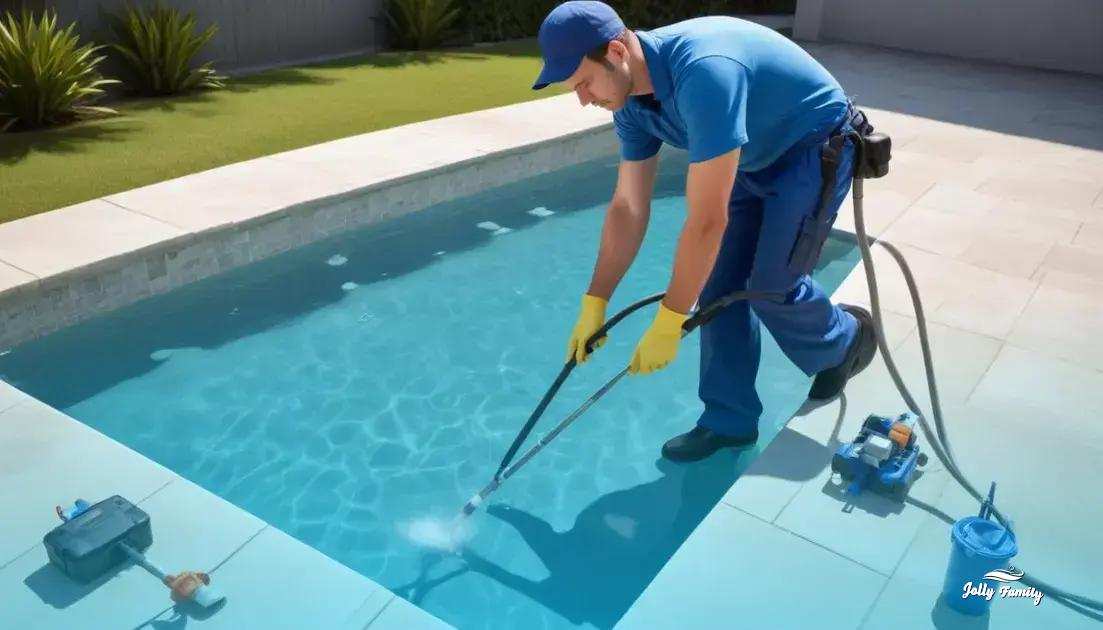
Investing in a pool vacuum cleaner can save you time and effort. Automatic vacuums can efficiently clean the pool floor and walls, reaching areas that are hard to access. Manual vacuums allow you to target specific spots, giving you more control over the cleaning process.
Water Testing Kit
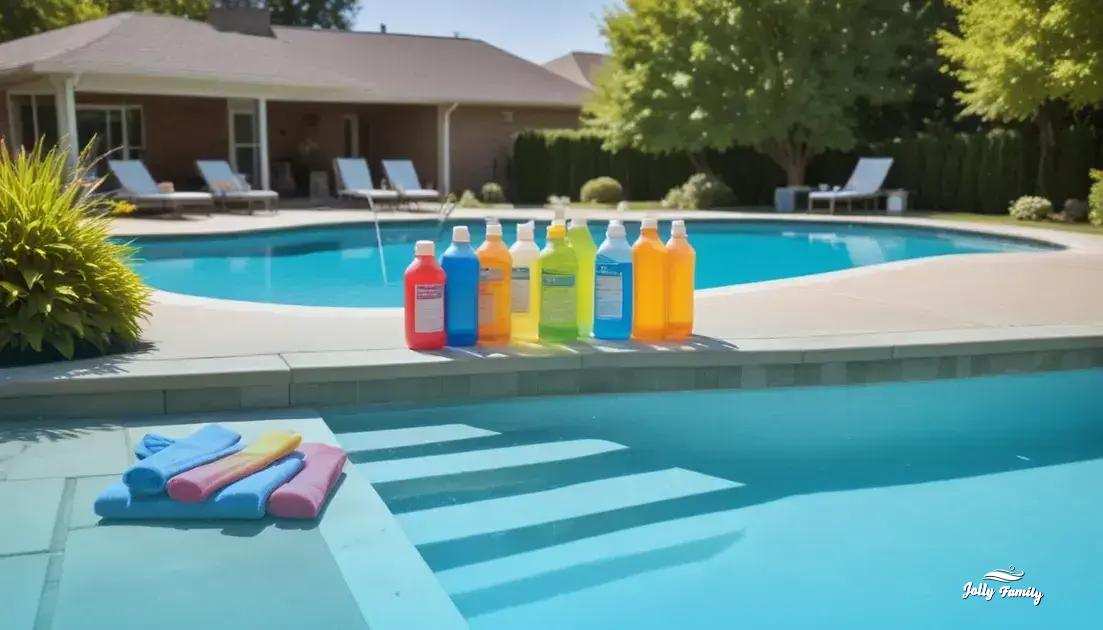
Maintaining the right chemical balance in your pool is vital for safety and clarity. A water testing kit allows you to regularly check pH, chlorine, and alkalinity levels. This information helps you make informed decisions about adding the right chemicals.
Telescopic Pole
A telescopic pole is extremely useful for attaching various cleaning tools like skimmers, brushes, and vacuums. It allows you to reach different areas of your pool without having to lean over the edge. Make sure to have a sturdy pole that can extend to the necessary length.
Best practices for water treatment and chemical balance
Maintaining clean and safe pool water involves adhering to best practices for water treatment and chemical balance. These steps are crucial for a healthy swimming environment.
Regular Water Testing
Testing the pool water regularly is essential. Use a water testing kit to check the levels of pH, chlorine, and alkalinity at least once a week. This helps you identify any imbalances and address them quickly to prevent issues.
pH Levels
The ideal pH level for pool water should be between 7.2 and 7.8. If the pH is too low, it can cause skin irritation and corrode pool equipment. If too high, it can lead to cloudy water and decreased chlorine effectiveness. Adjust pH by adding pH increaser or decreaser as needed.
Chlorine Maintenance
Chlorine is vital for killing bacteria and keeping the water safe. Aim to maintain a chlorine level between 1 and 3 parts per million (ppm). You can add chlorine tablets or liquid shock treatments to achieve these levels. Remember to add chlorine in the evening for maximum effectiveness.
Alkalinity Control
Maintaining proper alkalinity is also important as it helps stabilize pH levels. The ideal total alkalinity should be between 80 and 120 ppm. If the levels are too low, add an alkalinity increaser, and if they are too high, you can lower them with muriatic acid.
Shock Treatments
Applying a shock treatment to your pool is key for oxidizing contaminants and maintaining clear water. Shocking the pool weekly or after heavy use helps eliminate chloramines that can cause unpleasant odors and irritation. Always follow the manufacturer’s instructions when performing this task.
How to create a manageable maintenance schedule
Creating a manageable maintenance schedule for your pool is essential to ensure cleanliness and safety. Here are crucial steps on how to create a manageable maintenance schedule.
Identify Daily Tasks
Start by listing daily maintenance tasks. This includes skimming the surface for leaves and debris, checking the water level, and making sure the pump is functioning. Completing these tasks daily can prevent bigger issues in the future.
Establish Weekly Routine
Your weekly routine should include more thorough cleaning tasks such as brushing the walls and floor of the pool, vacuuming, and testing water chemistry. Set specific days for these tasks to ensure they aren’t overlooked. For example, you might choose to vacuum on Saturdays and test the water on Sundays.
Monthly Checks
Monthly maintenance tasks should be scheduled as well. This could involve checking and cleaning the filter, inspecting pool equipment, and adding any necessary chemicals or treatments. Note these tasks in your schedule to keep things organized.
Seasonal Maintenance
Don’t forget about seasonal tasks. During the opening and closing of the pool season, you will need to pay extra attention to specific procedures like adding winterizing chemicals or properly covering the pool. Make an outline for these seasonal tasks to streamline the process.
Utilize a Calendar or App
Utilizing a digital calendar or a maintenance tracking app can be helpful for reminders. Input all your tasks along with the frequency for each. Digital reminders help you stay consistent and can simplify your maintenance process.
Tips for finding reliable pool maintenance services
Finding reliable pool maintenance services is crucial for keeping your pool in top condition without the hassle of doing it all yourself. Here are some valuable tips for finding reliable pool maintenance services.
Research Local Companies
Start by researching local pool maintenance companies. Use online search engines and ask friends or family for recommendations. Websites like Yelp or Google Reviews can provide useful insights about the service quality and reliability of various companies.
Check Credentials and Experience
Verify the credentials of the companies you are considering. Look for licenses and insurance to ensure they meet local regulations. Experienced professionals are often more adept at identifying issues and providing effective solutions.
Read Reviews and Testimonials
Reading customer reviews and testimonials can give you a clearer picture of the company’s reputation. Pay attention to feedback regarding their punctuality, professionalism, and quality of service. High ratings and positive comments are good indicators of reliability.
Get Multiple Quotes
Don’t settle for the first quote you receive. Contact several companies and request quotes for their services. This will help you compare prices and understand what each service includes. Be wary of prices that seem too low, as they may reflect a lack of quality.
Ask About Service Plans
Inquire about service plans that the company offers. Many providers have regular maintenance packages, which can save you money in the long run. Understanding what’s included in each plan can help you choose the one that best fits your needs.
Schedule an Interview
If possible, meet with potential service providers before making a decision. This gives you a chance to ask questions and gauge their level of knowledge and customer service. A reliable company should be open to addressing your concerns.
In conclusion, mastering pool maintenance
Maintaining a clean and safe pool can seem overwhelming, but with the right tools and practices, it becomes manageable. Understanding common challenges, employing essential maintenance tools, and establishing a solid routine are crucial steps.
Additionally, knowing how to create a maintenance schedule and finding reliable pool services can save time and stress. By following these tips, you can enjoy your pool all season long without the worry of overwhelming tasks.
Cleaning and caring for your pool shouldn’t be a chore—it can be a simple process that keeps your enjoyment at the forefront.
FAQ – Frequently Asked Questions about Pool Maintenance
How often should I test my pool water?
You should test your pool water at least once a week to ensure proper chemical balance and safety.
What tools do I need for basic pool maintenance?
Essential tools include a skimmer net, pool brush, vacuum cleaner, water testing kit, and a telescopic pole.
How can I prevent algae growth in my pool?
Regularly check chemical levels, especially chlorine, and brush the pool walls to prevent algae buildup.
What are the signs that my pool needs professional help?
If you notice persistent cloudiness, unusual odors, or equipment malfunctions, it’s time to contact a professional.
How can I find a reliable pool maintenance service?
Research local companies, check reviews, and get multiple quotes to ensure you choose a reputable service provider.
What should be included in a pool maintenance schedule?
A good schedule includes daily skimming, weekly brushing and vacuuming, monthly filter checks, and seasonal opening and closing tasks.