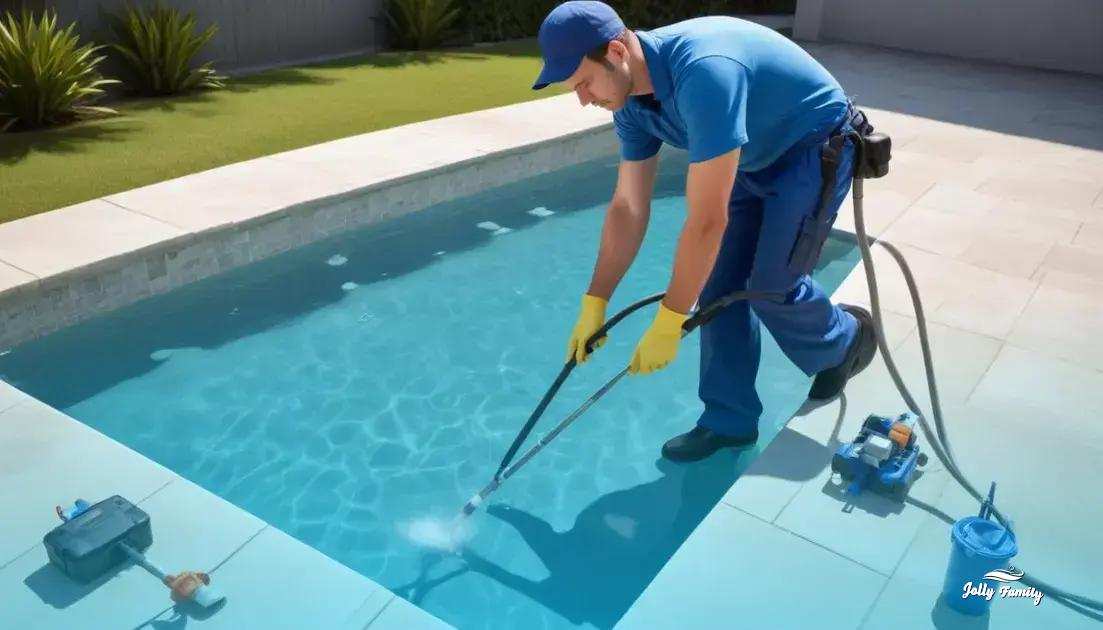

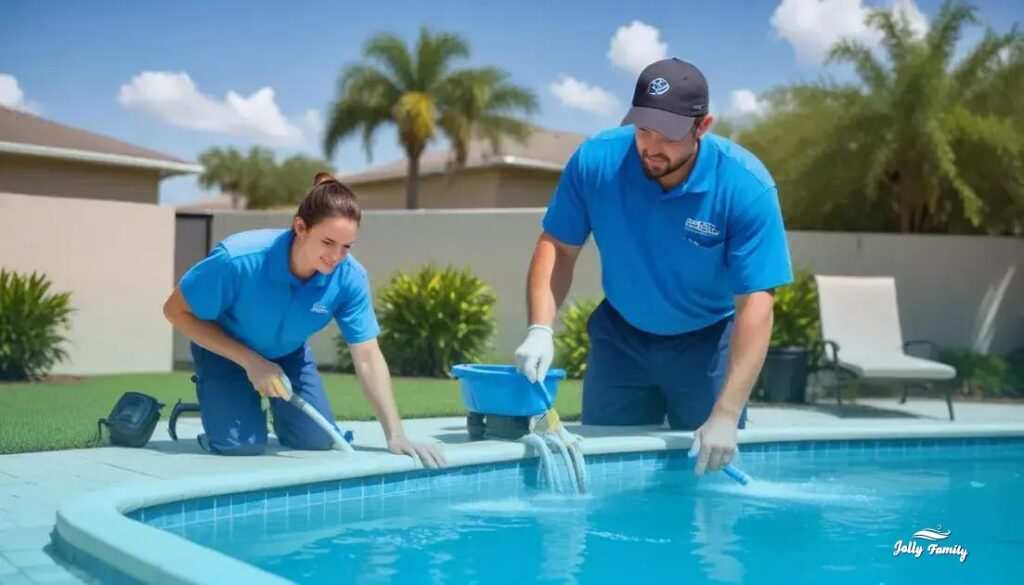
benefits of professional pool cleaning service include consistently balanced water that reduces illness and irritation, extended equipment lifespan through preventive maintenance, lower long‑term repair costs, reliable safety checks for drains and barriers, and documented service reports that simplify warranty claims and emergency responses.
benefits of professional pool cleaning service can include clearer water, fewer repairs and safer swims for families in Kissimmee. Curious how pros make that difference? At Jolly Family we’ve seen routine care stop small issues from growing—results depend on pool size and use.
why professional pool cleaning matters for safety and hygiene
Professional pool cleaning reduces illness by keeping water clear and chemically balanced. Unchecked pools let bacteria and algae grow, which can cause ear, skin, and stomach infections. Clean water helps families swim with less risk.
what technicians inspect and fix
Technicians test and adjust chemical balance (pH, free chlorine, total alkalinity) and measure stabilizer and calcium hardness. They apply shock treatments when needed, clean or backwash filters, inspect pumps, and vacuum or skim debris. Fast fixes stop contamination from spreading.
- Consistent sanitizer levels reduce pathogens and eye or skin irritation.
- Clear water improves visibility and helps lifeguards or parents spot swimmers.
- Removing leaves and algae prevents filter clogs and bacterial growth.
safety checks beyond the water
Professionals also address deck and equipment hazards. They clear slippery surfaces, check drain covers, and confirm alarms or fencing. Properly maintained drains and secure covers lower the risk of entrapment and accidents.
Most pools benefit from weekly visits to keep levels steady. Increase frequency after heavy use, storms, or suspected contamination. Regular care prevents small issues from becoming health or repair problems.
how regular maintenance saves money and prevents repairs
Regular pool maintenance keeps small issues from turning into costly repairs. Weekly checks and simple fixes cut wear on equipment and extend the life of pumps, filters, and liners.
typical repairs prevented
- Pump failure: cleaning strainers and checking seals reduces motor stress and avoids early replacement.
- Filter damage: routine backwashing or cartridge cleaning prevents clogging and costly filter replacement.
- Corrosion and staining: balanced water stops metal parts and liners from degrading.
- Heater and plumbing issues: early detection of leaks or pressure changes prevents large repair bills.
how routine tasks save money
Small actions add up. Testing and balancing chemicals prevents scale and corrosion. Skimming and vacuuming reduce debris buildup that can clog skimmers and strain filters. Tightening loose fittings and replacing cheap seals early avoids major labor costs later.
simple schedule that works
- Weekly: skim, brush, test sanitizer and pH, empty skimmer baskets.
- Biweekly to monthly: backwash or clean filters, inspect pump and valves.
- Seasonal: full equipment check, shock treatment after heavy use or storms.
quick cost view
A routine service visit often costs a fraction of a major repair. For example, a professional tune-up or weekly service can be a small monthly expense compared with the cost of replacing a pump or repairing a cracked liner. Consistent care lowers total ownership cost and keeps the pool ready to use.
Keep a simple log of visits, test results, and parts replaced. That record helps spot trends early and proves when warranties or insurance may apply.
what a professional service checks: chemicals, filters, equipment
Pros inspect three main areas: water chemistry, filtration and circulation, and mechanical equipment. They run quick tests and fix issues before they grow.
chemical balance and testing
Technicians measure pH, free chlorine, total alkalinity, calcium hardness, and stabilizer (cyanuric acid). They use a digital tester or test strips and compare results to target ranges such as pH 7.2–7.8 and appropriate chlorine levels for pool type. If numbers fall outside the range, they add precise doses of sanitizer, alkalinity increaser or reducer, and shock treatments as needed.
Testing also includes looking for contaminants after heavy use or storms. A quick shock or extra filtration session can remove organic matter and lower bacteria risk.
filters and circulation
Good flow keeps water clean. Pros check skimmer baskets, pump strainers, and filter media. They backwash sand or DE filters, clean cartridge elements, and replace worn O-rings.
- Watch the pressure gauge: a steady pressure rise often means the filter needs cleaning.
- Clear skimmer and pump baskets to avoid cavitation and pump wear.
- Inspect return jets and suction lines for proper flow and blockages.
pumps, heaters, and automation
Technicians inspect the pump motor, seals, and electrical connections for leaks or corrosion. They check heater operation, sensors, and control panels. For pools with automation, they verify timers, chlorinators, and app connections work properly.
Minor fixes like tightening fittings or replacing a seal prevent larger failures and keep energy use efficient.
safety checks and record keeping
Beyond equipment, pros verify drain covers, ladders, and safety barriers. They note unusual odors or cloudy water that suggest hidden problems. Each visit usually includes a short report with test readings and recommended actions.
Keeping a log of chemistry, filter service, and repairs helps spot trends and makes warranty claims easier. Regular records also show when to increase service after storms or heavy use.
how to choose a reliable local team in Kissimmee
Start by confirming the company is licensed and insured. Ask for proof of insurance and a state or local license. This protects you if a worker is injured or equipment is damaged.
questions to ask before hiring
- What services are included? Clarify tasks like testing, skimming, filter cleaning, and repairs.
- How often will you visit? Weekly, biweekly, or seasonal schedules affect cost and results.
- Do you provide written estimates? Get a clear, itemized quote to avoid surprises.
- Is there a warranty? Ask about guarantees for repairs or parts.
verify reputation and local experience
Check online reviews and ask for recent references in Kissimmee. Local experience matters because technicians who know Florida weather handle storms and algae better. Look for consistent, specific feedback instead of only short praise.
service transparency and communication
Choose teams that give a clear contract and simple test reports. A good provider shares water readings, notes performed, and next steps. Reliable communication includes timely replies and a plan for emergency calls after storms.
red flags to avoid
- Very low prices with no written details.
- No proof of insurance or license.
- Refusal to provide references or examples of past work.
- Pressure to buy unneeded repairs or long-term contracts without trial options.
A quick checklist—license, insurance, clear pricing, local references, and good communication—helps you pick a trustworthy Kissimmee team that protects your pool and your wallet.
long-term care plans: scheduling, seasonal tips, and Jolly Family’s approach
Long-term pool care focuses on consistent service that fits your schedule, usage, and local weather. A plan prevents surprises and keeps costs steady while protecting equipment.
planning a schedule
Start with a baseline: weekly visits for busy pools, biweekly for light use. Each visit should include testing, skimmer and pump checks, and a quick equipment inspection. Increase visits after parties, heavy rain, or extended algae growth. Plans should allow easy changes so you pay only for what you need.
seasonal tips
- Spring: deep clean, check heaters, balance chemistry after cooler months.
- Summer: test chlorine more often, watch for algae, clear debris after storms.
- Rainy season: run extra filtration, shock the pool after heavy runoff, inspect drains and skimmers.
- Mild winter: reduce visit frequency but monitor chemical levels and circulation to avoid stagnation.
jolly family’s approach
Jolly Family builds tailored plans based on pool size, usage, and homeowner goals. They log water readings and service tasks after each visit and recommend timed maintenance to avoid major repairs. Their routine focuses on preventive care, clear reporting, and quick responses after storms or heavy use.
keeping it simple
Use a basic calendar or app to track service dates, test results, and parts replaced. Regular records reveal patterns and help decide when to upgrade equipment or change the plan.
Final thoughts on professional pool care
Benefits of professional pool cleaning service keep your water safe, save money, and extend equipment life. Regular visits catch problems early and make your pool ready to use.
Choose a local, licensed team that shares clear reports and a simple schedule. Small, regular steps are easier and cheaper than big repairs.
Start with a short service plan and adjust after a season. Consistent care gives cleaner water and more time to enjoy your pool.
FAQ – Professional pool cleaning services
How often should a pool be serviced by a professional?
It depends on use and weather. Busy pools usually need weekly service; light-use pools can be biweekly. Increase visits after parties, heavy rain, or suspected contamination.
What does a standard professional pool cleaning include?
Typical service covers chemical testing and balancing, skimming and brushing, vacuuming, emptying skimmer and pump baskets, filter cleaning or backwash, and a brief equipment inspection with a service report.
How much does professional pool cleaning cost?
Prices vary by region, pool size, and visit frequency. Ask for an itemized quote so you can compare services and see whether regular care reduces long-term repair costs.
Can I maintain my pool myself or should I hire a pro?
You can handle basic tasks like skimming and simple testing, but professionals ensure precise chemical balance, catch equipment issues early, and reduce health and repair risks.
What safety checks do professionals perform?
Technicians check drain covers, ladders, handrails, fencing or alarms, and inspect pumps and drains for wear to reduce entrapment and slip hazards.
How do I choose a reliable local pool service?
Verify license and insurance, request written estimates and references, review recent local feedback, and prefer teams that provide clear test reports and responsive communication.