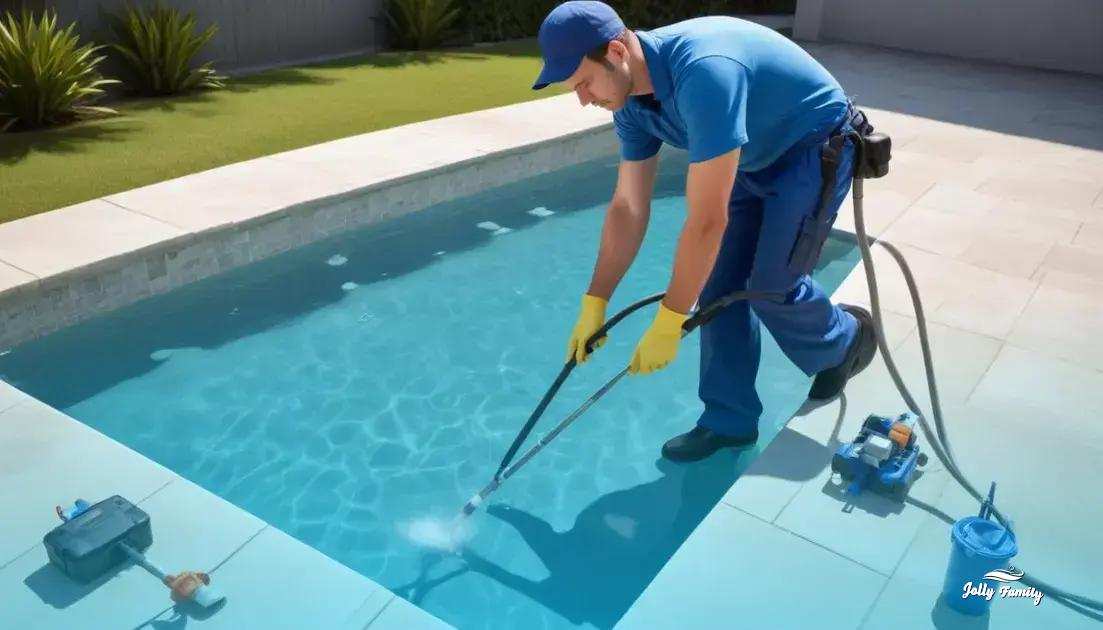

difference between DIY pool cleaning and professional service: DIY lowers recurring labor costs but requires time, accurate testing, and risk tolerance; professional service costs more upfront yet delivers precise chemical balancing, equipment diagnostics, preventative repairs, and faster problem resolution, which often reduces long-term repair expenses and preserves pool surfaces and systems.
difference between DIY pool cleaning and professional service is a question many Kissimmee homeowners ask: do you really save money or trade safety and clarity for convenience? I’ve seen neighbors try DIY and trusted pros like Jolly Family—this quick guide helps you weigh the trade-offs and decide what fits your routine.
Cost and time: real expenses of DIY versus professional service
Understanding true cost means looking beyond the sticker price. DIY saves on labor but adds time, learning, and occasional expensive mistakes.
Direct costs: equipment, chemicals, and testing
- Initial tools: manual net, vacuum, brush, and basic pump can total $150–$500.
- C hemicals: chlorine, shock, algaecide, and balancing agents typically run $20–$80 per month, depending on pool size and climate.
- Testing kits: reliable kits cost $10–$60 and should be replaced regularly to keep readings accurate.
Time investment and scheduling
DIY routine often requires 1–3 hours per week for skimming, brushing, vacuuming, and testing. Seasonal tasks like deep cleaning or winterizing add hours. Professional services usually take your time to near zero but require scheduling and access on service days.
Professional service fees and frequency
- Common options: weekly visits, biweekly, or monthly maintenance.
- Typical cost range: $80–$200 per visit for weekly service; monthly plans can average $120–$350 per month depending on services and region.
- Pros may include chemical supply, equipment checks, and priority repairs.
Hidden and long-term expenses
Unexpected costs often outweigh short-term savings: bad chemistry can damage plaster or liners, causing repairs that range from $500 to several thousand dollars. Poor maintenance shortens equipment life and increases energy bills from inefficient pumps or dirty filters.
How to compare yearly costs (simple example)
Estimate annual DIY: amortized tools ($80/yr), chemicals ($240–$960/yr), testing and parts ($50–$300/yr) → roughly $370–$1,340 per year. Compare to professional plans: basic monthly service ($120–$350/mo) → $1,440–$4,200 per year. Choose based on time, skill, and risk tolerance.
Decision factors that affect true value
- Skill level: more experience reduces mistakes and costs.
- Pool complexity: heated pools, salt systems, and waterfalls raise maintenance needs.
- Peace of mind: professionals catch small issues early, which can save money long-term.
Safety and water quality: chemicals, testing, and health risks
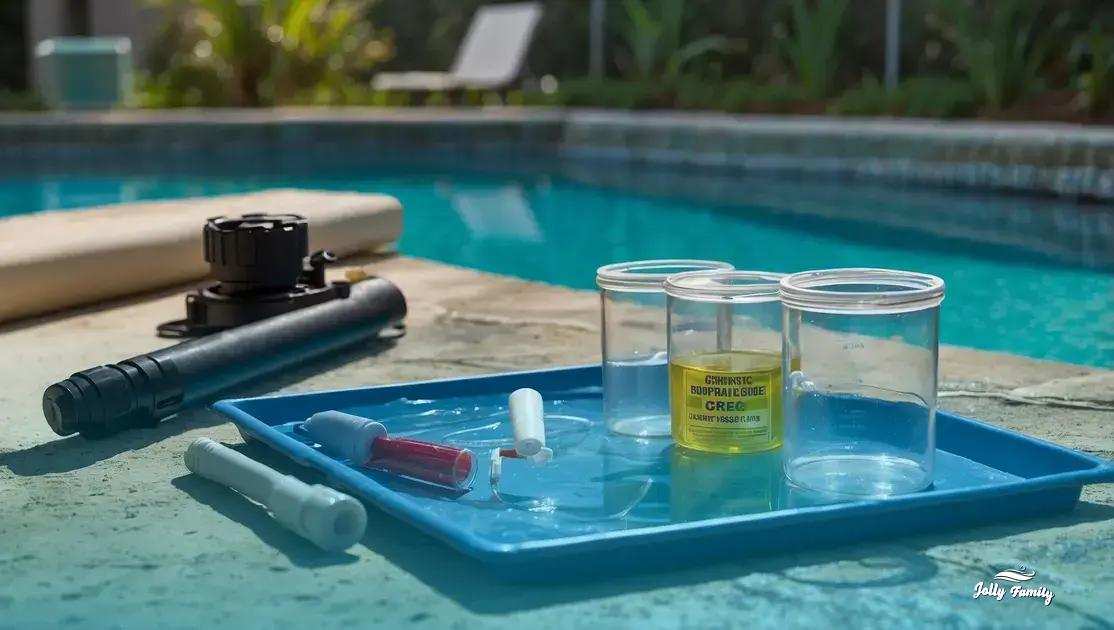
Water safety starts with steady testing and safe handling. Small mistakes with chemicals or timing can cause skin irritation, cloudy water, or worse.
Common chemicals and what they do
- Chlorine (bleach, tablets): kills bacteria and keeps water sanitary.
- Shock: raises chlorine quickly to remove contaminants and combined chlorine.
- pH adjusters: acids lower pH; alkalinity increasers raise it to stabilize pH.
- Algaecides and clarifiers: treat and prevent algae and help particles clump for filtration.
Key water values to test and ideal ranges
- pH: 7.2–7.6 keeps water comfortable and chemicals effective.
- Free chlorine: aim for 1–3 ppm in residential pools; raise slightly for heavy use.
- Total alkalinity: 80–120 ppm helps keep pH stable.
- Cyanuric acid (stabilizer): 30–50 ppm in outdoor chlorinated pools to reduce chlorine loss.
Testing routines and frequency
Test water at least once a week with strips or a liquid kit. Test daily during hot weather, after storms, or after pool parties. Use a digital or drop-form test for accurate pH and chlorine readings when you suspect a problem.
Health risks and exposure prevention
High or low chemical levels can cause skin rashes, red eyes, and breathing irritation. Mixing certain chemicals (for example, chlorine and acid) can release toxic gas. Keep people and pets out of the pool until levels are safe, and encourage showering before swimming to reduce contaminants.
Chemical handling and storage
- Store chemicals in a cool, dry, well-ventilated area in original containers.
- Keep oxidizers (chlorine) separate from acids and organic materials.
- Use gloves, goggles, and a mask when measuring and pouring chemicals.
- Never mix products; add chemicals to water, not water to chemicals.
When to call a professional
Contact a pro if you see persistent cloudiness, recurring algae, strong chemical odors, or if equipment (filters, heaters, salt systems) malfunctions. A technician can perform accurate titration tests and fix issues that simple kits miss.
What professional service does that DIY often misses
Professionals spot issues that DIY routines often miss. They use tools, tests, and experience to find small problems before they become costly.
Advanced diagnostics and equipment care
Technicians perform pressure and flow tests, inspect pump impellers, check seals, and diagnose noises. They can detect hidden leaks with electronic tools and measure actual system performance rather than guessing.
Precise chemical management
Pros use titration kits and digital meters to balance water precisely. They adjust CYA, calcium, and pH to the right levels and set shock protocols after heavy use or rain, reducing algae and surface damage.
Filter and circulation maintenance
Regular backwash, cartridge cleaning, and multiport valve checks keep water clear. Technicians read gauge pressure and clean or replace parts to keep pumps efficient and extend equipment life.
Seasonal tuning and system checks
Professionals handle heater inspections, salt cell cleaning, automation programming, and winterize/start-up steps. These tasks protect costly components and improve energy use.
Proactive prevention and documentation
Service visits include small repairs, part replacements, and a record of work. This paper trail helps with warranties and shows trends before problems escalate.
When DIY still works
Homeowners can handle weekly skimming and simple tests. But for complex diagnostics, consistent balancing, or equipment faults, a professional reduces risk and long-term cost.
How often to clean: scheduling, seasonal needs, and Kissimmee climate
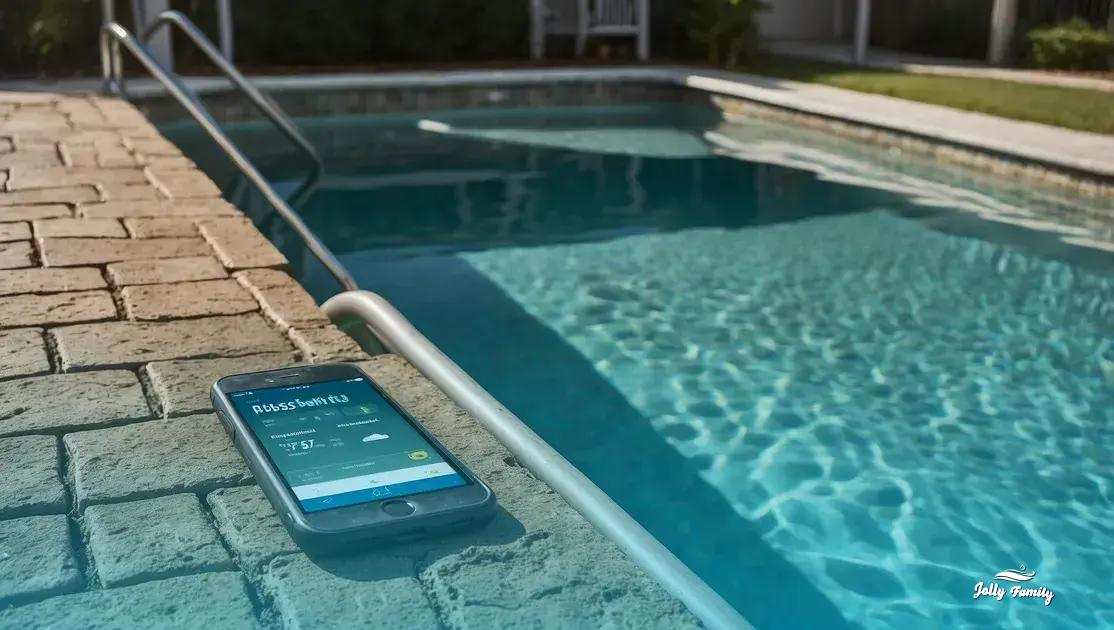
In Kissimmee’s hot, humid climate, cleaning frequency should match weather, use, and debris. Small changes in temperature or rain can spike algae and cloudiness fast, so plan a routine that fits your schedule and pool type.
Weekly routine
- Skim and brush: remove leaves and brush walls once a week to prevent stains.
- Vacuum or run cleaner: run an automatic cleaner or vacuum the floor weekly.
- Test water: check pH and free chlorine with strips or a digital tester at least once a week.
- Empty baskets: clean skimmer and pump baskets to keep flow steady.
Daily or frequent checks
During summer, high use, or pollen season, do quick checks daily for debris, cloudy water, or strong odors. A 5–10 minute visual check prevents bigger problems and reduces treatment time later.
After storms and heavy use
Florida storms and pool parties need immediate attention: test and adjust chemicals, shock if necessary, and run the filter continuously until water clears. Leaves and organic load raise chlorine demand quickly.
Monthly and seasonal tasks
- Monthly: deep-clean filters, inspect equipment, and perform a full water chemistry panel.
- Spring start-up: inspect heaters, clean salt cells if present, and set automation schedules.
- Fall: increase leaf removal and check stabilization levels to prepare for lower use.
- Mild winters in Kissimmee: you may not need full winterizing, but reduce run times and monitor algae risk after cool spells.
Adjust for pool type and automation
Salt systems, heated pools, and water features need more attention. Automation and timers can cut manual time, but still verify settings and test weekly. If you prefer low effort, consider professional service for seasonal tuning and equipment checks.
Simple schedule example
Quick daily check (5–10 min), weekly cleaning and testing (1–3 hours total), monthly deep tasks (1–2 hours). Increase frequency after storms or during heavy use to keep water healthy and systems efficient.
Common DIY mistakes and a simple checklist you can follow
Many DIYers try to save money but fall into the same traps. Small errors in handling chemicals, testing, or equipment can cause cloudy water, fast algae growth, or costly repairs.
Common DIY mistakes
- Skipping accurate tests: relying on old strips or guessing levels leads to imbalanced water.
- Mixing chemicals incorrectly: adding acid to chlorine or pouring powders together can be dangerous.
- Neglecting circulation: clogged skimmer or dirty pump baskets reduce flow and make filters work harder.
- Over- or under-chlorinating: sudden large doses or too little treatment both harm water quality and surfaces.
- Ignoring small issues: minor stains, noises, or pressure changes often signal problems that grow if left alone.
Simple checklist you can follow
- Test water with a fresh kit: check pH, free chlorine, and alkalinity once a week.
- Wear gloves and goggles when handling chemicals and always add chemicals to water.
- Skim leaves and brush walls weekly; empty skimmer and pump baskets after heavy debris.
- Run the filter long enough each day for full turnover—adjust by season and use.
- Keep a log: record test results, treatments, and any equipment notes to spot trends.
- Schedule monthly filter care and a seasonal equipment inspection to prevent big failures.
- If you see persistent cloudiness, strong odors, or equipment faults, call a professional.
Following these steps reduces risk, saves time, and helps you decide when DIY is enough or when to hire a pro.
Choosing a local partner: why trust Jolly Family for long-term pool care
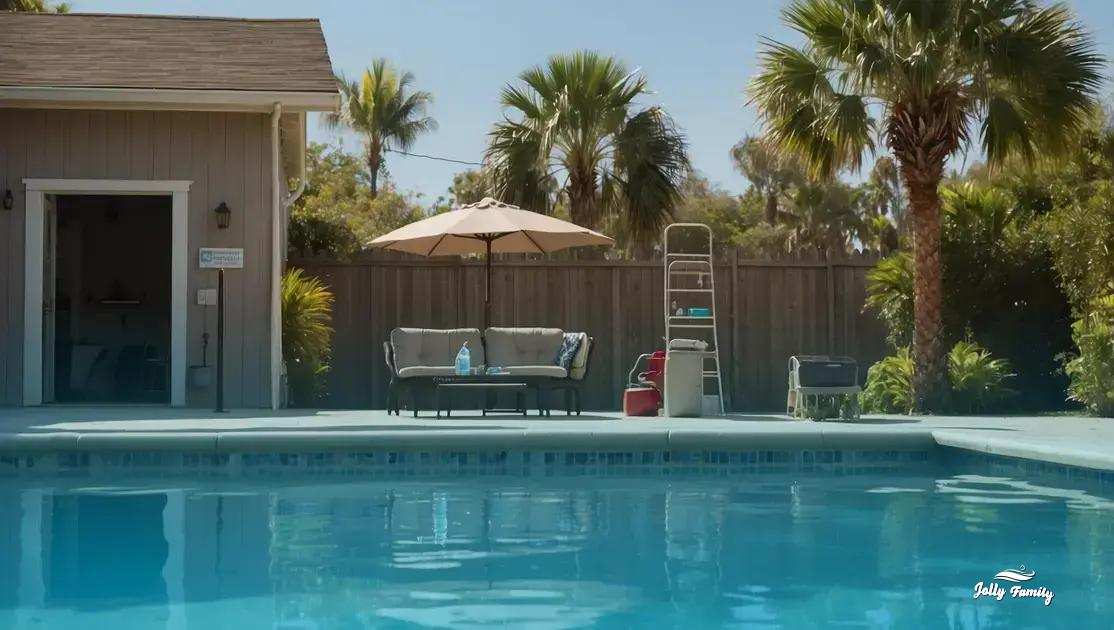
Choosing a local partner like Jolly Family means steady care tailored to your pool and neighborhood. Local crews know Kissimmee weather, common debris, and seasonal needs, so they act before small issues grow.
Licensed, insured, and transparent
Work with teams that carry proper licensing and insurance. Jolly Family documents work, supplies clear estimates, and explains costs so you know what you pay for and why.
Customized maintenance plans
- Weekly or biweekly visits: adjusted to your usage and pool size.
- Seasonal tuning: start-up, summer heavy-use care, and mild winter checks.
- Written service records: track treatments, parts replaced, and water chemistry trends.
Fast response and proactive monitoring
Local technicians can respond quickly to alarms, storm damage, or gear failure. Regular visits include inspections that catch leaks, pressure changes, or failing parts early.
Proven track record and community ties
Trust grows from referrals, photos of past work, and warranties. A local company often supports nearby customers and understands local code and homeowner needs.
Technical expertise and parts access
Professionals service pumps, heaters, salt cells, and automation systems. They have parts suppliers and vendor contacts that shorten repair times and extend equipment life.
Final thoughts on DIY vs professional pool care
Deciding between DIY pool cleaning and a professional service is about time, skill, and risk tolerance. DIY can save money if you commit to regular testing and proper handling.
Professionals bring precise testing, equipment care, and fast repairs that often prevent costly problems. If you want peace of mind and long-term savings, a local pro is a smart option.
Follow a simple checklist, test weekly, and track costs to see what works for you. When water stays cloudy, algae returns, or equipment acts up, call a technician to avoid bigger bills and lost swim days.
FAQ – Questions about DIY vs professional pool cleaning
Is DIY pool cleaning cheaper than hiring a professional?
DIY can cost less monthly if you handle tools and chemicals, but repairs from mistakes or damaged equipment can make it more expensive long term.
How often should I test and treat my pool water?
Test at least once a week and daily during hot or high-use periods; treat chemicals as needed and after storms or heavy bather load.
What safety steps should I follow when handling pool chemicals?
Always wear gloves and goggles, add chemicals to water not water to chemicals, store products in a cool dry place, and never mix different chemicals.
When should I call a professional instead of doing it myself?
Call a pro for persistent cloudiness, recurring algae, suspected leaks, equipment failures, or if you lack time or confidence to balance water properly.
What common DIY mistakes should I avoid?
Avoid relying on old test strips, neglecting circulation and filter care, over- or under-chlorinating, and mixing chemicals incorrectly.
How do I choose a reliable local pool service?
Pick a licensed, insured company with clear pricing, written records of service, local references, and fast response times for repairs and seasonal tuning.