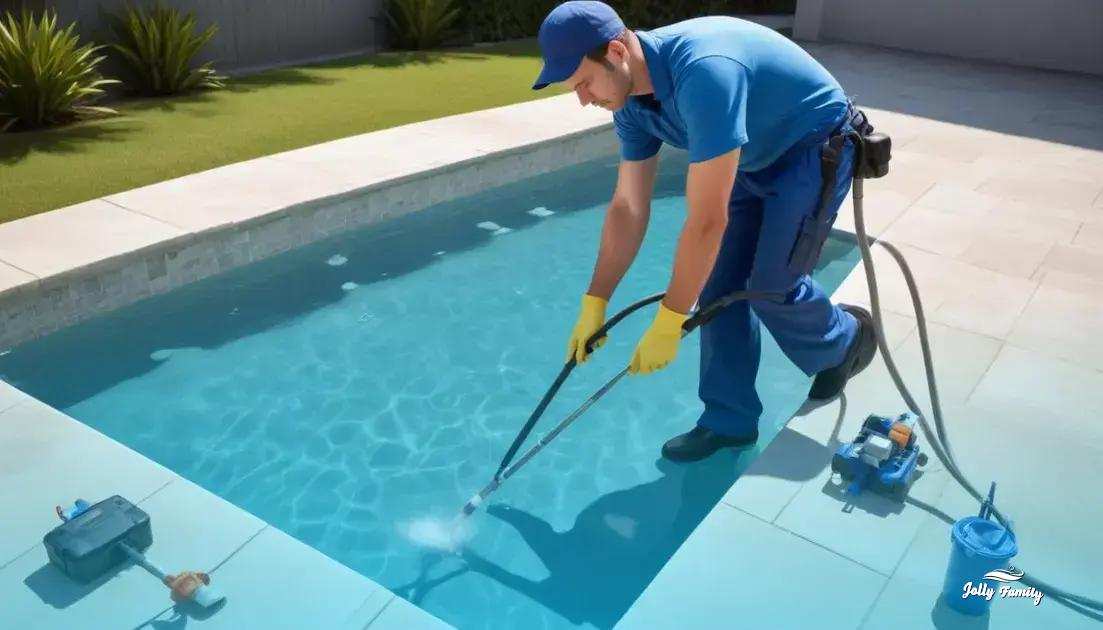


difference between weekly and biweekly pool service: weekly service provides visits every seven days to maintain steady chemistry, prevent algae, and reduce equipment strain through routine skimming, testing, and minor maintenance; biweekly service provides visits every fourteen days, lowering upfront cost but increasing risk of chemical swings, algae growth, and emergency treatments.
difference between weekly and biweekly pool service; wondering which schedule keeps your water clearer and your costs lower? In Kissimmee’s sun and storms, frequency matters. At Jolly Family, we walk homeowners through a simple checklist to pick the right plan and keep pools ready for family time.
what weekly vs biweekly service includes: tasks and frequency
Weekly service means a trained technician visits every 7 days and performs core tasks to keep water safe and clear. This visit focuses on prevention and steady balance.
- Skim surface and remove debris.
- Brush walls and steps to prevent algae buildup.
- Vacuum the floor or spot-clean visible dirt.
- Empty skimmer and pump baskets.
- Test water for pH, free chlorine, total alkalinity and stabilizer.
- Add sanitizers and shock as needed to meet target levels.
- Check pump, filter pressure and basic equipment operation.
- Measure and adjust water level.
biweekly service
Biweekly service happens every 14 days. It covers many of the same tasks but in a lighter rhythm. This can work for low-use pools or covered pools, but it requires careful monitoring.
- Skim and quick vacuum as needed, often less thorough than weekly.
- Brush high-traffic areas; full brushing may occur every other visit.
- Test water chemistry and add chemicals to correct imbalances.
- Empty baskets and inspect equipment, but deep filter work is less frequent.
- Watch for algae or cloudiness that may need an extra visit.
when to pick weekly vs biweekly
Choose weekly if you see heavy use, warm weather, lots of leaves, or frequent storms. Weekly service helps avoid algae and big chemical swings. Choose biweekly if the pool is rarely used, covered, or winterized and you can check levels between visits.
- Weekly is best for: family pools, frequent swimmers, hot climates, new pools.
- Biweekly fits: vacation homes, infrequently used pools, or owners who test between visits.
practical checklist and expectations
Ask the service provider for a clear checklist so you know what each visit includes. A simple expectation list helps avoid surprises and adds value.
- Request a visit report showing readings and actions taken.
- Agree who supplies chemicals and which treatments cost extra.
- Schedule extra visits after heavy rain, storms, or pool parties.
- Confirm filter cleaning and deep maintenance frequency (monthly or quarterly).
small tips to avoid problems
Keep a basic test kit on hand and learn target ranges for pH and chlorine. Even with regular service, quick checks after heavy use or storms prevent quick problems.
When service is biweekly, keep an eye on water clarity and algae spots. If you see issues, ask for an interim visit rather than waiting another week.
cost, chemicals and value: comparing short- and long-term expenses
Costs and chemical needs change based on visit frequency. Weekly service spreads chemical use and keeps levels stable. Biweekly visits often require larger chemical doses to correct swings that built up over two weeks.
short-term costs
Short-term costs include the visit fee, any chemicals added that day, and extra trips after heavy use or storms. Weekly plans may charge more per month but often avoid emergency treatments. Biweekly plans can look cheaper until you factor in mid-cycle fixes or shock treatments.
- Visit fee: fixed per visit or a flat monthly rate.
- Chemicals: included in some plans, billed separately in others.
- Extra services: vacuuming after parties or storm cleanup usually costs extra.
long-term value
Regular weekly service can save money over time by preventing damage. Consistent balance reduces the need for deep cleanings, protects equipment, and lowers the risk of algae outbreaks that require costly remediation.
- Fewer shocks and less acid or clarifier over time.
- Lower risk of clogged filters and pump strain.
- Extended lifespan for heaters and automation systems.
what drives chemical use and cost
Several factors change how much chemical your pool needs. Warm climates, frequent swimmers, pets, leaves, and rain all increase demand. Stabilizer levels, water volume, and sunlight also affect how fast chlorine is consumed.
- High bather load = more sanitizer needed.
- Heavy organic debris = more shock and clearer products.
- Sunlight and heat = faster chlorine loss, more frequent dosing.
how to compare plans and save
Ask for a clear list of what each visit includes. Compare total monthly costs, not just per-visit prices. Confirm whether chemicals are included and ask for sample visit reports. Small habits lower bills: cover the pool, run the pump efficiently, and test water between service visits.
- Checklist: chemicals included? filter clean schedule? extra-visit fees?
- Keep a basic test kit and check after heavy use.
- Use a pool cover and reduce debris to cut chemical needs.
how Kissimmee weather affects your schedule and pool health
Kissimmee has hot, humid summers with frequent afternoon storms and mild winters. These conditions change how often your pool needs care and how quickly chemicals are used.
effects on water chemistry
Heavy rain dilutes chlorine and can drop free chlorine levels quickly. Storm runoff brings organics that raise demand for sanitizers and shock treatments. Strong sunlight breaks down chlorine faster, so warmer, sunnier days mean more frequent dosing.
- Chlorine falls after rain and heavy bather use.
- pH can swing after storms or when runoff enters the pool.
- Stabilizer (CYA) and alkalinity affect how long chlorine lasts.
equipment and filter concerns
Leaves, pine needles and debris from nearby trees clog skimmers and strain pumps. High filter pressure reduces flow and lowers circulation, which hurts chemical distribution and can lead to algae.
- Empty skimmer and pump baskets more often after windy or rainy days.
- Backwash or clean filters when pressure rises above the recommended level.
- Inspect seals and motors after heavy storms for leaks or damage.
scheduling recommendations
In Kissimmee, weekly service is usually best during spring and summer. Biweekly can work in cooler, low-use months or for covered pools. Always plan an extra visit after storms, heavy leaf fall, or pool parties.
- Choose weekly service for hot, high-use or tree-lined pools.
- Use biweekly only if you or a caretaker test and adjust chemicals between visits.
- Request a post-storm check or emergency visit to prevent quick problems.
practical tips to protect pool health
Small actions cut chemical use and help any service plan work better. Cover the pool when possible, trim overhanging branches, and run the pump longer on hot days to improve circulation.
- Keep a basic test kit and check chlorine and pH after heavy rain.
- Shock the pool if water looks cloudy or after contamination.
- Discuss enzyme products or phosphate removers with your technician for heavy organic load.
- Ask your provider for visit reports and clear lists of included tasks.
warning signs your pool needs weekly attention
Watch for clear warning signs that your pool needs weekly attention. Catching problems early keeps water safe and avoids costly repairs.
key visible signs
- Cloudy or milky water that does not clear after running the pump.
- Green, black, or fuzzy spots on walls and steps—early algae growth.
- Dark streaks, stains, or a visible scum line around the waterline.
- Large amounts of leaves, pine needles, or debris that return between cleanings.
equipment and chemistry alerts
- Low or wildly fluctuating chlorine and unstable pH when you test.
- High filter pressure or poor flow, indicating a clogged filter or pump strain.
- Unusual noises from the pump or visible leaks around equipment.
- Frequent need to shock the pool to clear contamination.
health and comfort warnings
- Red, itchy eyes or irritated skin after swimming.
- A strong chlorine smell, which can mean combined chloramines and poor sanitation.
- Cloudy water that makes it hard to see the pool floor—safety risk for swimmers.
simple steps to take now
- Use a basic test kit to check free chlorine and pH; record results.
- Run the pump longer and skim debris immediately after storms or heavy use.
- If algae or cloudiness appears, request an interim visit rather than waiting.
- Ask your provider for a visit report and a clear checklist of included tasks.
- Consider switching to weekly service if one or more signs appear regularly; it prevents bigger fixes later.
choosing a local partner: how Jolly Family recommends the right plan
Look for a local partner who knows your neighborhood and answers questions clearly. Jolly Family recommends practical steps to match service to your pool’s needs.
key questions to ask
- What tasks are included on each visit and how often will they be done?
- Are chemicals included in the price or billed separately?
- How do you handle storms, heavy use, or algae outbreaks?
- Can you provide references from nearby customers?
how plans are customized
A good provider tailors frequency to use, trees, and climate. Jolly Family adjusts visits for family pools, vacation homes, and shaded yards to avoid over- or under-servicing.
- Higher bather load = weekly service recommendation.
- Covered or rarely used pools may be fine on biweekly with owner testing.
- Seasonal changes should trigger plan reviews and temporary increases in service.
trial runs and clear reporting
Ask for a trial period or a 30-day review. Request written visit reports with readings and actions. These reports show value and help you decide if frequency should change.
- Daily or weekly logs: chemical levels, equipment notes, actions taken.
- Photos or short notes after storm cleanups or special treatments.
paperwork, licensing and response time
Verify insurance, local licensing, and equipment knowledge. Confirm emergency visit fees and expected response time after storms or contamination.
- Get a simple service agreement with included tasks and extra-cost items listed.
- Check for liability insurance and trained technicians.
- Ask how quickly they can respond to urgent calls.
small tips to choose wisely
Compare total monthly cost, not just price per visit. Talk to neighbors, read recent reviews, and pick a partner who explains chemistry in plain language. Jolly Family suggests a clear checklist and open communication as the best signs of a reliable local provider.
Deciding between weekly and biweekly pool service comes down to use, weather, and how fast your water changes. Weekly service fits busy, hot, or tree-lined pools; biweekly can work for covered or rarely used pools if you check chemistry often.
Ask providers for a clear checklist, confirm whether chemicals are included, and learn extra-visit fees. Keep a simple test kit and check chlorine and pH after storms, heavy use, or visible changes in water.
Try a short trial period, read local reviews, and pick a partner who sends visit reports. Small actions and clear communication can save money and keep your pool safe and swim-ready all year.
FAQ – Weekly vs Biweekly pool service
What is the main difference between weekly and biweekly service?
Weekly service visits every 7 days and focuses on prevention and steady chemistry. Biweekly visits every 14 days and are lighter, which can allow chemical swings between visits.
How do costs compare between the two plans?
Weekly plans often cost more per month but reduce emergency treatments and equipment strain. Biweekly may look cheaper but can incur extra charges for mid-cycle fixes or shock treatments.
Which pools are good candidates for biweekly service?
Covered, rarely used, or winterized pools can work on biweekly service if the owner tests and adjusts chemistry between visits.
What warning signs mean I should switch to weekly service?
Frequent cloudy water, algae spots, wild chlorine or pH swings, high filter pressure, or repeated need to shock the pool signal that weekly care is safer.
Are chemicals included in service plans?
It varies. Always ask if chemicals are included or billed separately, and get this in writing to avoid surprise charges.
How quickly should a provider respond after storms or contamination?
Confirm emergency response time and fees before hiring. A reliable local provider should offer prompt post-storm checks or extra visits when water is compromised.