
full service pool maintenance Kissimmee provides scheduled weekly cleaning, precise water testing, filter and equipment inspections, preventive repairs and emergency response, ensuring safe, clear water, extended equipment life, reduced algae growth, minimized downtime and lower chemical costs year‑round with documented visit reports and transparent pricing.
full service pool maintenance Kissimmee can feel like a never-ending to‑do list — I get it. With Jolly Family, you have scheduled visits, water testing and quick repairs that keep your backyard ready for family time. Want to see how small checks prevent big headaches?
what full service maintenance covers for Kissimmee pools
A full service plan for Kissimmee pools covers cleaning, water care and equipment checks so your pool stays safe and swim-ready all year.
Routine cleaning
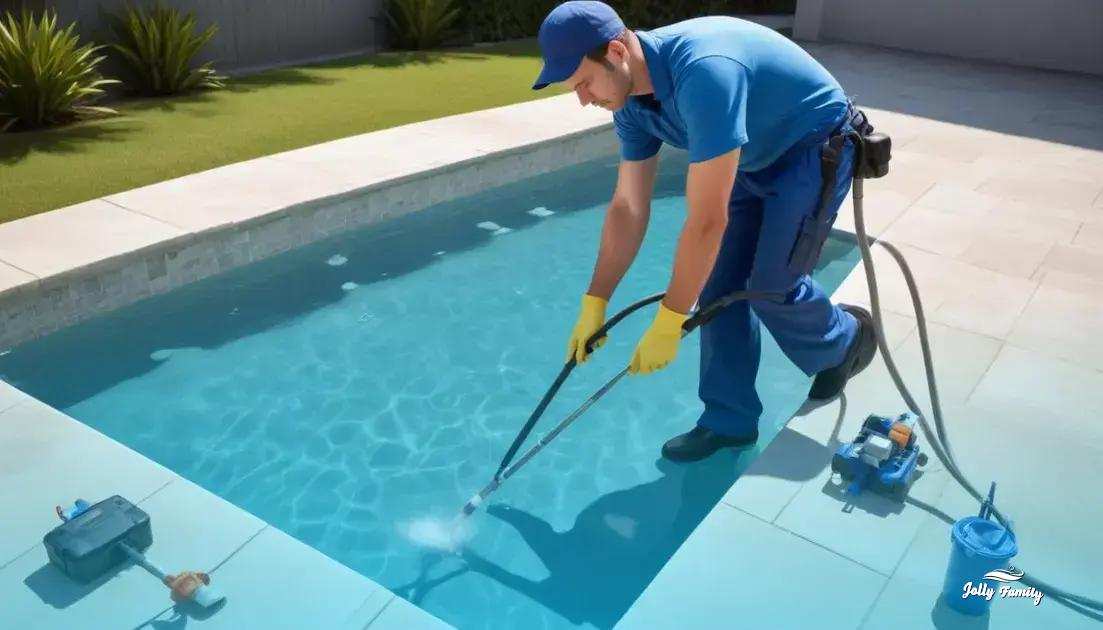
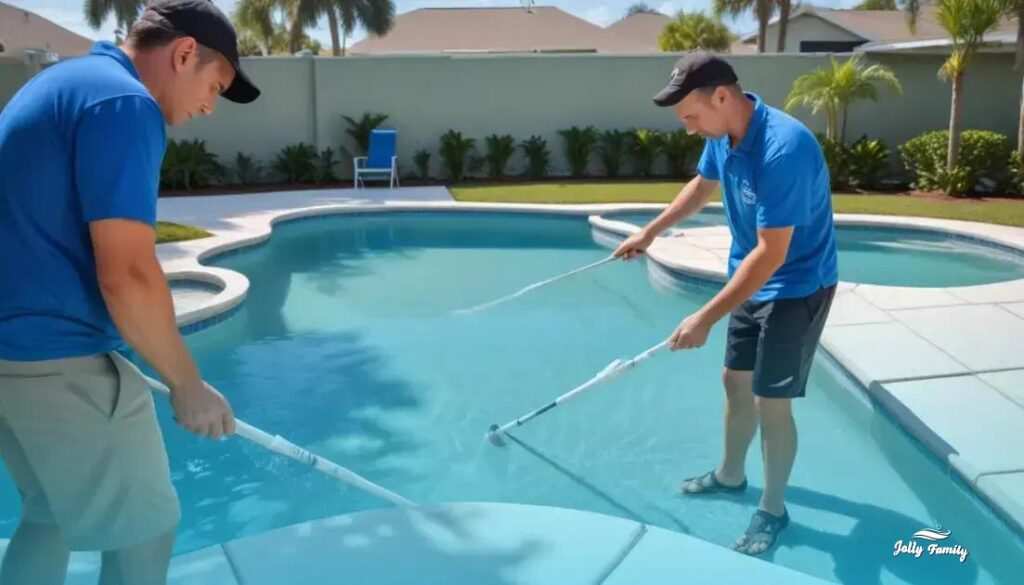
Technicians perform weekly cleaning tasks: skimming leaves, brushing walls and steps, vacuuming the floor and emptying skimmer and pump baskets. Regular cleaning prevents debris buildup and keeps circulation efficient.
Water chemistry and treatment
Frequent water testing measures pH, free chlorine, alkalinity and calcium hardness. Technicians adjust chemicals, apply shock when needed and treat algae or stains to maintain clear, balanced water.
Equipment inspection and care
Technicians inspect pumps, filters, heaters and automation systems. Typical actions: backwashing or cleaning filters, checking pressure, tightening fittings, lubricating seals and verifying timers and sensors work correctly.
Preventive repairs and maintenance
Small repairs and part replacements are handled before problems grow. Services often include checking seals, replacing worn belts or valves, testing for leaks and documenting any issues to avoid costly breakdowns.
Extras and emergency support
Full service plans may add extras like tile cleaning, acid washes, pool covers, heater tune-ups and remote monitoring. Most providers offer rapid-response calls for cloudy water, pump failures or other urgent issues.
Why it matters: consistent service saves money over time, reduces health risks and keeps your backyard ready for guests. Clear reports from each visit help you track maintenance and budget for upgrades.
how Jolly Family schedules routine cleaning and inspections
Jolly Family sets routine visits based on pool size, how often you use it, and local weather to reduce surprises.
Typical visit cadence
- Weekly: skimming, vacuuming, brushing, water testing and basic chemical adjustments.
- Biweekly: deeper filter checks, backwashing or cartridge clean, tile wipe-down.
- Monthly/seasonal: heater and automation checks, stain treatments and major tune-ups.
How appointments are arranged
You pick a recurring service day and a 2–4 hour arrival window. Jolly Family confirms by text or email and sends a technician ETA the morning of the visit.
Inspection checklist on every visit
- Water tests: pH, free chlorine, alkalinity, calcium hardness and temperature recorded.
- Equipment: pump and filter performance, pressure readings, valves, seals and timers inspected.
- Cleaning: skimmer and pump baskets emptied, pool surface skimmed, walls and steps brushed, vacuum as needed.
- Documentation: notes, photos or short logs note any issues and recommended follow-ups.
Flexibility and emergency response
Plans allow easy rescheduling and add-on visits after storms. For urgent problems like cloudy water or pump failure, the team provides rapid-response service to restore safe swimming quickly.
Service records are stored digitally so you can review past visits, test results and suggested repairs anytime.
chemical balance, filtration care and water treatment explained
Start with regular testing and clear targets to keep pool water safe and inviting.
Chemical balance basics
Test water at least twice a week during heavy use and once a week otherwise. Key levels to watch: pH should be 7.2–7.6, free chlorine 1–3 ppm, total alkalinity 80–120 ppm, calcium hardness 200–400 ppm and cyanuric acid (stabilizer) around 30–50 ppm for outdoor pools. Small shifts in pH affect chlorine effectiveness, so adjust pH first when numbers are off.
Filtration care
Clean, well-running filters remove particles and help chemicals work. Check the pressure gauge weekly. Backwash sand or DE filters when pressure rises about 8–10 psi above the clean baseline. For cartridge filters, rinse and soak cartridges monthly and replace when damaged. Empty skimmer and pump baskets each visit and inspect the pump lid seal for cracks.
Water treatment methods
Use chlorine or salt systems to maintain sanitizer. Shock the pool after heavy use, storms or when combined chlorine rises; follow product directions for dose. Use algaecide proactively if water warms or if algae appears. For cloudy water, a clarifier or enzyme treatment helps flocculate particles so the filter can remove them. For stains or scale, use targeted stain removers and adjust hardness or pH first.
Practical routine
- Daily/weekly: test sanitizer and pH, add chlorine or pH adjusters, skim surface and empty baskets.
- Weekly: brush walls and steps, run filter 8–12 hours (adjust for pump size), vacuum as needed.
- Monthly: deep-clean or backwash filter, inspect heater and automation, check chemical storage and inventory.
Safety and record keeping
Handle chemicals with gloves and eye protection, store them in a cool dry spot away from children and pets, and never mix products. Keep a simple log of test results and treatments so trends show up early. Regular, small adjustments protect equipment and reduce big fixes later.
preventive tips to avoid costly repairs in Florida heat
Small, regular actions cut repair costs in Florida’s heat. Focus on equipment, water balance and preventing sun damage to parts.
Daily and weekly checks
- Look: scan pump area for leaks, unusual noise or wet spots each week.
- Test: check pressure gauge and basic water levels weekly; record any sudden rises.
- Skim and empty: remove debris and empty skimmer/pump baskets to keep flow steady.
Protect equipment from heat and humidity
Keep the pump and control box shaded or on a ventilated pad. Use a small canopy or install a vented cover to reduce direct sun. Add a surge protector and routine lubrication of seals to avoid premature failure.
Maintain water balance aggressively
High heat speeds chemical use and scale. Measure pH and chlorine weekly, adjust alkalinity and hardness monthly, and use stabilizer to protect chlorine from UV. Shock after heavy use or storms to prevent algae that stresses equipment.
Prevent scale, corrosion and clogs
- Brush tiles regularly to prevent calcium buildup.
- Backwash or clean filters on schedule to avoid overload from fine debris.
- Inspect hoses, O-rings and clamps quarterly; replace brittle or corroded parts early.
Yard care and storm prep
Trim palms and overhanging branches to reduce organic debris. After storms, run extra filtration and check for clogged skimmers. Roll or secure pool covers to prevent damage from wind.
Records and fast repairs
Keep a simple log of test results and visits. Schedule professional tune-ups at least twice a year and call for small repairs quickly—fast fixes cost far less than replacements.
choosing the right service plan: frequency, extras and emergency support
Match a plan to your pool’s use, equipment and how much time you want to save.
Assess your needs
Note pool size, number of swimmers, pets and nearby trees. Pools with heaters, salt systems or heavy guest use need more frequent attention. Write down any past problems like leaks or algae so the provider can recommend the right care.
Service frequency explained
- Weekly: best for busy pools — cleaning, chemical adjustments and quick checks.
- Biweekly: works for low-use or well-covered pools with light debris.
- Monthly: only if you regularly test chemicals and handle simple tasks between visits.
Extras and add-ons to consider
Decide if you want tile scrubs, acid washes, heater tune-ups, cover cleaning, seasonal opening/closing or chemical delivery. Remote monitoring and automatic chemical feeders are useful for owners who travel often.
Emergency support and response
Ask about guaranteed response times for issues like pump failure, cloudy water or leaks. Check after-hours availability and any extra fees. Faster response usually reduces damage and repair costs.
Practical checklist to pick a plan
- Who performs the work — certified technicians?
- What exactly is included each visit — clear list?
- Are small repairs or parts covered?
- How are add-ons billed and scheduled?
- What is the emergency response time and cost?
Compare plans by value and fit, not just price, and keep a copy of the service agreement so expectations are clear.
Make your pool a low-stress oasis
Regular full service pool maintenance in Kissimmee keeps water clear, equipment working and repair costs down. Small tasks done on schedule save money and time.
Trust certified technicians for testing, cleaning and quick repairs. They catch issues early and leave clear visit notes so you always know what was done.
Pick a plan that fits your use and budget, check emergency response terms, and start with a trial visit to see the difference. A little routine care keeps your backyard ready for guests.
FAQ – Full service pool maintenance in Kissimmee
What does a full service pool maintenance plan include?
A full plan usually covers weekly cleaning, water testing and balancing, filter and pump checks, minor repairs and a visit report.
How often should my pool be serviced?
Weekly is best for busy or heated pools; biweekly can work for low-use pools. Your schedule should match swimmer frequency and local conditions.
Do providers offer emergency repairs and fast response?
Many offer rapid-response for pump failures, cloudy water or leaks. Ask each provider for guaranteed response times and any after-hours fees.
Can I store pool chemicals at home between visits?
Yes, if you store them in a cool, dry, locked area away from children and pets, never mix chemicals, and follow label safety instructions.
Will regular full service save me money long term?
Yes. Routine maintenance prevents major breakdowns, extends equipment life and reduces costly emergency repairs over time.
How do I choose the right service plan for my pool?
Consider pool size, number of swimmers, equipment type, desired extras and emergency coverage. Compare what each plan actually includes, technician qualifications and response times.