
How often should a pool be cleaned? Regular cleaning is essential to maintain water clarity, prevent algae growth, and ensure a safe swimming environment.
Are you wondering, ‘How often should a pool be cleaned?’ You’re not alone! Many pool owners grapple with this question, and understanding the answer can save you time and money. In this guide, you’ll uncover the recommended cleaning frequency based on various factors like pool type, usage, and environmental conditions.
By the end of this article, you’ll have the knowledge to keep your pool sparkling clean and inviting all season long. Let’s dive in!

When it comes to enjoying a refreshing swim on a hot day, nothing beats a well-maintained pool. But how often should a pool be cleaned to ensure it remains a safe and inviting space? In this comprehensive guide, we will dive into essential pool maintenance tips that will not only enhance the longevity of your pool but also ensure a healthy swimming environment for your family and friends.
Understanding Pool Maintenance Essentials
The foundation of a healthy pool lies in understanding its maintenance essentials. Pools come in various types, including in-ground and above-ground, each requiring specific cleaning techniques. Key components that demand regular attention include:
- Water Quality: Maintaining clean water is crucial for safe swimming.
- Filtration Systems: These systems help remove debris and contaminants.
- Cleaning Tools: Essential tools include skimmers, brushes, and vacuums.
Regular cleaning not only preserves the pool’s aesthetics but also prevents the growth of harmful bacteria.
The Importance of Regular Cleaning for Pool Health
Regular cleaning of your pool is vital for several reasons. First, it enhances water quality, ensuring that your swimming experience is pleasant and safe. Clean pools prevent algae growth, which can turn your oasis into a green nightmare. Additionally, consistent maintenance helps:
- Minimize Costs: Preventing issues through regular cleaning can save you from expensive repairs and chemical treatments.
- Extend Equipment Lifespan: Regular cleaning prevents wear and tear on your pool’s equipment.
As industry experts with 10 years of experience, we at Jolly Family emphasize that investing time in pool cleaning today will reap benefits in the long run.
Evaluating Your Pool Cleaning Needs
Every pool is unique, and so are its cleaning needs. To determine how often your pool should be cleaned, consider:
- Pool Size: Larger pools may require more frequent cleaning.
- Usage Frequency: If your pool is used often, increase your cleaning schedule.
- Local Climate: In warmer climates, algae and debris can accumulate more quickly.
These factors will help you create a tailored cleaning schedule that meets your specific requirements.
Step-by-Step Guide to Cleaning Your Pool
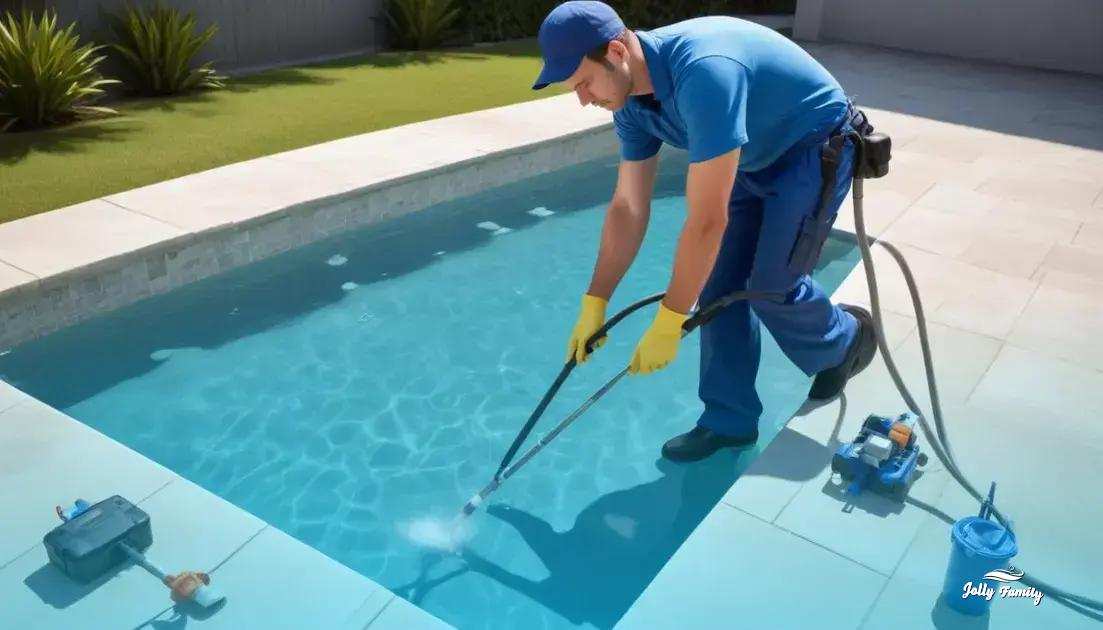
Cleaning your pool doesn’t have to be a daunting task. Follow this step-by-step guide to achieve sparkling results:
- Skim the Surface: Use a skimmer to remove leaves and debris.
- Brush Walls and Steps: Brush away dirt and algae buildup.
- Vacuum the Pool: Use a vacuum to clean the bottom effectively.
- Check Chemical Levels: Test and balance the water chemistry.
By following these steps, you can maintain a clean and inviting swimming environment.
Advanced Techniques for Pool Maintenance
For those looking to elevate their pool maintenance game, here are some advanced techniques:
- Seasonal Maintenance: Adjust your cleaning routine based on seasonal changes.
- Optimize Chemical Balance: Regularly check and adjust pH and chlorine levels.
- Automated Cleaning Devices: Consider investing in robotic cleaners for efficiency.
Implementing these strategies can help keep your pool in pristine condition with minimal effort.
Avoiding Common Pool Cleaning Mistakes
Even experienced pool owners can make mistakes. Here are some common pitfalls to avoid:
- Over-Chlorination: Too much chlorine can irritate skin and eyes.
- Neglecting Filters: Regularly clean or replace filters to ensure effective operation.
- Misjudging Cleaning Frequency: Don’t wait too long between cleanings, especially in warm climates.
By being aware of these issues, you can ensure a better swimming experience for everyone.
Conclusion
In conclusion, maintaining a clean pool requires regular attention and effort. By understanding the essentials of pool maintenance, evaluating specific needs, and following effective cleaning practices, you’ll ensure a safe and enjoyable swimming environment. Remember, a little effort goes a long way in preserving your backyard oasis. Don’t hesitate to reach out to Jolly Family for professional pool cleaning services to keep your pool sparkling clean and safe.
Our Expertise in Pool Maintenance
Our content reflects a deep understanding of pool maintenance, honed through 10 years of experience in the industry. We specialize in pool cleaning, water treatment, preventative maintenance of pool decks and equipment, filter and pump cleaning, and installation of hydraulic equipment and filters across Davenport, Kissimmee, Celebration, Saint Cloud, Poinciana, ChampionsGate, Reunion, Four Corners, Haines City, Hunters Creek, Winter Garden, Windermere, and Orlando. This positions us as a trustworthy source on how often a pool should be cleaned.
Our Location: 9102 Hotoon Way – Devenport – Orlando – Florida
Frequently Asked Questions
How often should a pool be cleaned?
A pool should generally be cleaned at least once a week. However, the frequency may increase during peak swimming season or after heavy usage, such as parties. Regular maintenance, including skimming debris, vacuuming, and brushing the walls, is essential to keep the water clean and safe.
What factors affect how often a pool needs cleaning?
Several factors can influence how often a pool should be cleaned, including the type of pool (in-ground or above-ground), local weather conditions, and the number of swimmers. Pools surrounded by trees or in areas with high winds may require more frequent cleaning due to debris.
Can I clean my pool myself?
Yes, you can clean your pool yourself. Basic maintenance tasks such as skimming, vacuuming, and brushing can be done easily with the right tools. However, for more complex issues like chemical balancing or equipment repairs, it may be best to hire a professional.
What are the signs that my pool needs cleaning?
Signs that your pool needs cleaning include cloudy water, visible debris, algae growth, and a strong chemical smell. If you notice these issues, it's time to clean the pool to ensure a safe swimming environment.
How long does it take to clean a pool?
The time it takes to clean a pool can vary based on the pool's size and condition. A basic cleaning, including skimming and vacuuming, may take 30 minutes to an hour. More thorough cleaning, including chemical balancing or deep cleaning, can take a few hours.