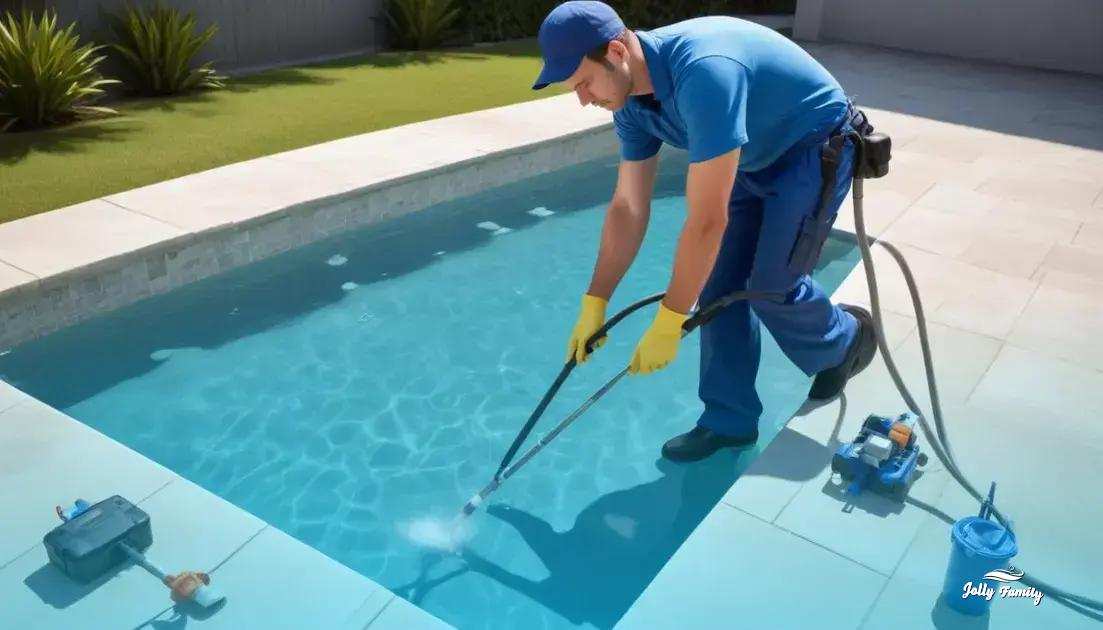

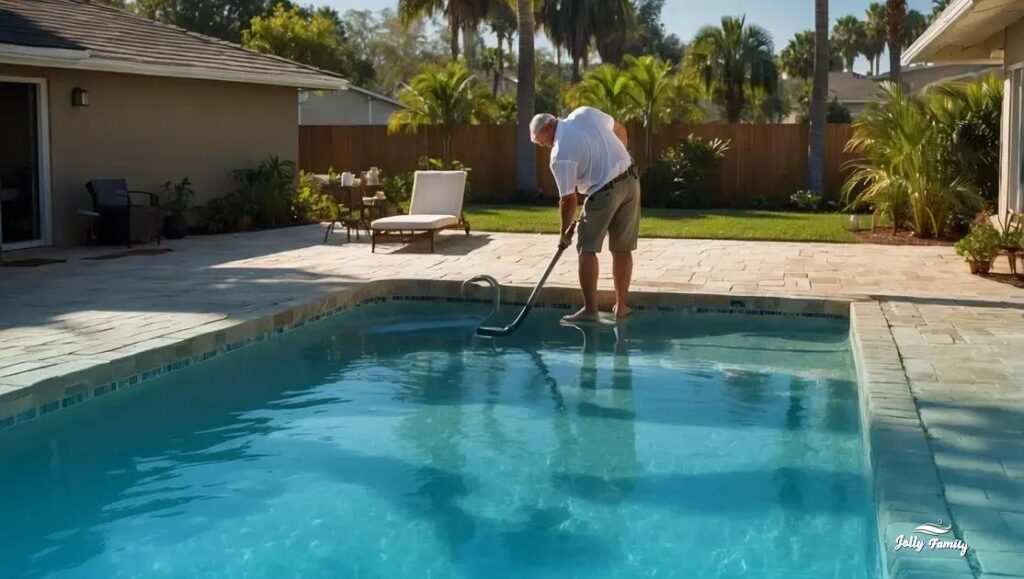
how often should a pool be professionally cleaned: typically residential pools every 4 to 8 weeks, heavy-use or rental pools every 2 to 4 weeks, and commercial pools weekly or more; adjust after storms, algae blooms, leaks, failing equipment, or when bather load or weather increases contamination.
how often should a pool be professionally cleaned? That depends on use, weather and equipment — and it’s not always obvious. Curious when to call a pro? Jolly Family, trusted in Kissimmee, helps you spot the right schedule and avoid costly mistakes.
how often professionals recommend cleaning based on pool type and use
For most pools, professional cleaning frequency depends on the pool type and how often people use it. Below are common recommendations professionals follow, plus quick tips to adjust the schedule.
Residential backyard pools
Typical frequency: every 4–8 weeks for regular family use. If you host frequent parties or have heavy bather load, move to every 2–4 weeks. Pros will clean, vacuum, balance chemicals, and inspect equipment.
Commercial and public pools
Typical frequency: weekly to multiple times per week. High bather loads and health rules require more frequent cleaning, daily water testing and routine filter maintenance. Ask about documented service logs and rapid response for issues.
Vacation rentals and short-term rentals
Typical frequency: every 1–2 weeks or after each guest turnover. Fast, reliable service prevents complaints and maintains clear water. Include quick skimming and chemical check between pro visits.
Saltwater vs. chlorine pools
Typical frequency: every 4–8 weeks for both, but salt systems need pros to inspect cell condition and salinity levels. Chlorine pools may require more frequent shock treatments in hot months.
Indoor and covered pools
Typical frequency: every 4–6 weeks. Indoor pools have less debris but face humidity and corrosion risks; professionals check ventilation, calcium buildup, and sanitizer balance.
Seasonal, sporadic, or winterized pools
Typical schedule: professional pre-season opening and post-season closing, plus one mid-season check if used. Winterized pools benefit from an opening service that addresses leaks, filter cleanings, and chemical rebalance.
- Factors that shift frequency: bather load, nearby trees, weather, algae outbreaks, and equipment age.
- Between pro visits: test water weekly, clean skimmers, and run the pump daily to extend intervals.
key factors that change your cleaning frequency (weather, bather load, equipment)
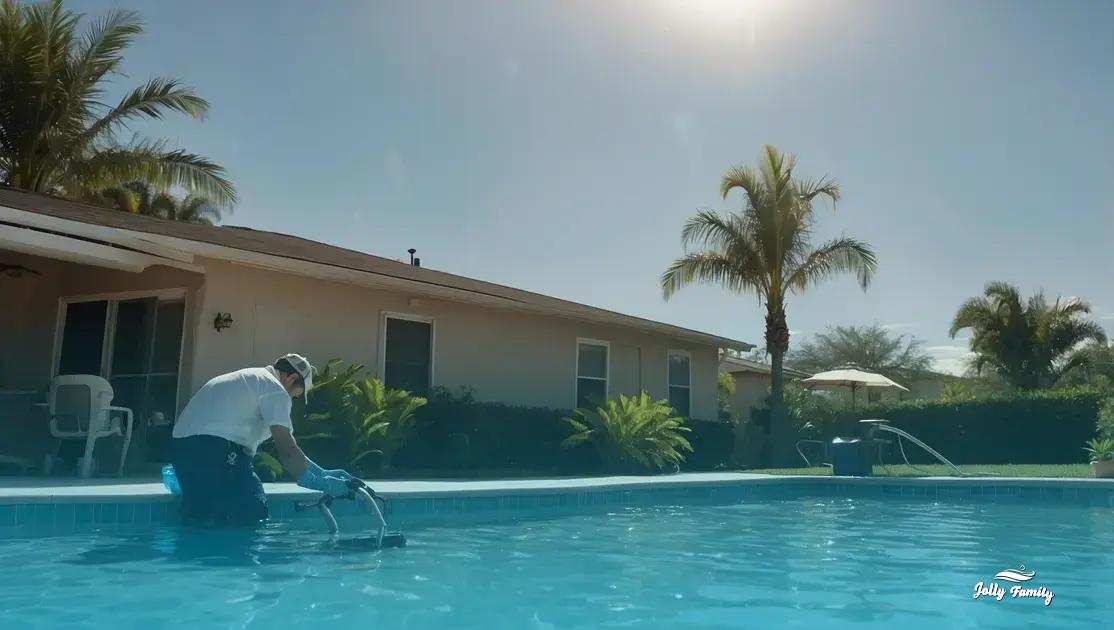
Several things change how often a professional should clean your pool. Weather, how many people use the pool, and the condition of equipment are the main drivers.
Weather and environment
Rain and storms bring dirt, leaves and runoff that can upset chemistry fast. Hot weather speeds algae growth and burns off chlorine. Windy days drop debris more often. After heavy rain or a storm, consider a pro check within a few days.
Bather load and use
More swimmers mean more contaminants: sweat, sunscreen and body oils consume sanitizer. Pools used daily or for parties need cleaning more often than rarely used pools. Vacation rentals and public pools usually require service every week or more.
Equipment condition and performance
Old or clogged filters, weak pumps and damaged salt cells reduce water turnover and sanitizer effectiveness. High filter pressure or cloudy water are signs equipment needs attention. Regular equipment checks let pros set a smarter cleaning cadence.
- After storms or heavy use: schedule an extra service to rebalance chemicals and check filters.
- Watch filter pressure: rising pressure often means cleaning or backwashing is due.
- Test sanitizer weekly: low chlorine or unstable pH shortens time between professional visits.
- For frequent events: move to 2–4 week professional cleanings, not monthly.
- Keep a log: record services, test results and equipment repairs to refine the schedule.
warning signs your pool needs pro attention now
Some pool problems need a pro right away. Spotting them early protects swimmers and prevents costly repairs.
Immediate red flags
- Green or cloudy water: sudden color change often means an algae bloom. Algae can spread fast and resist home treatment.
- Strong chlorine smell or red eyes: this can mean high combined chlorine (chloramines) or imbalanced water — swimmers may get irritated.
- Thick surface scum or persistent foam: excess oils, detergents or organic waste that normal skimming won’t remove.
- Rapid water loss or damp areas: visible drop in water level, wet ground, or pooling near equipment suggests a leak that can damage structure and landscaping.
- High filter pressure or poor flow: a clogged or failing filter/pump reduces turnover and lets contaminants build up.
- Stains or white crust (scale): visible marks on the pool shell or tiles signal mineral imbalance that can etch surfaces.
Signs related to equipment and safety
- Weird noises or smoke from equipment: buzzing, grinding, or hot smells from the pump or heater mean turn it off and call a technician.
- Heater not working or inconsistent temps: can indicate corrosion, electrical faults, or scale in heat exchangers.
- Frequent quick chemical swings: if pH or chlorine levels jump around despite dosing, there may be bad source water, algae, or sensor problems.
What to do right away
- Stop swimming if the water looks off or people feel ill.
- Test basic chemistry with strips or a kit: chlorine, pH, and combined chlorine. Record results.
- Run the pump if safe and inspect skimmer baskets, then call a professional within 24–48 hours for algae, leaks, or equipment failures.
- Document the issue with photos and notes of when the problem began and any recent weather or heavy use.
Quick action reduces health risks and limits damage. When in doubt, a professional inspection can pinpoint the cause and stop a small problem from becoming expensive.
what a professional cleaning includes: checklist and timeframes
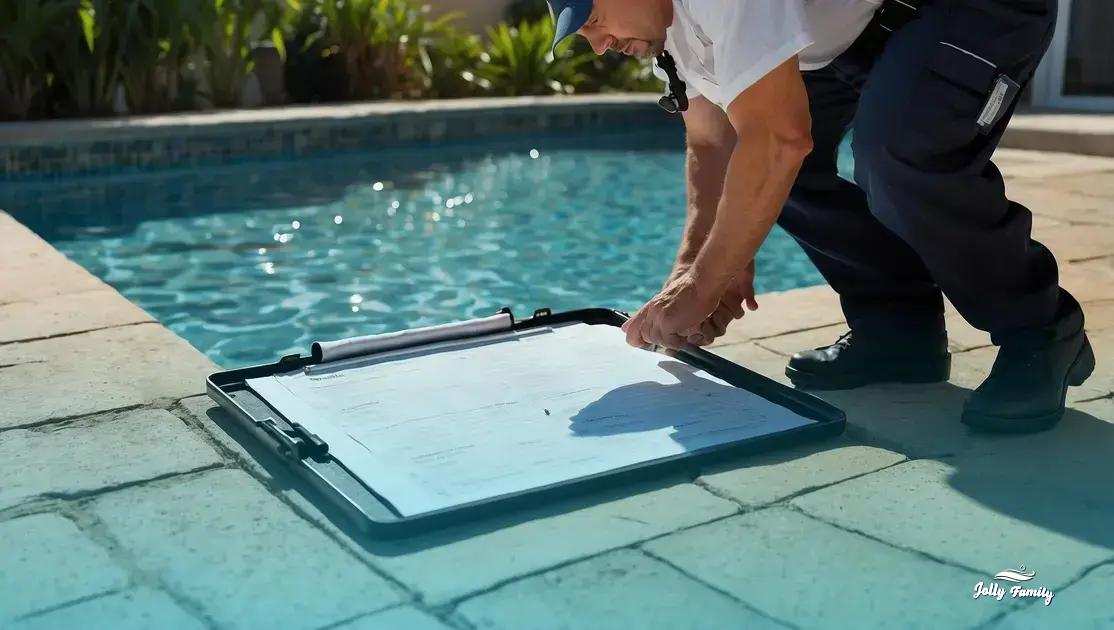
Professional pool cleaning follows a clear checklist and set timeframes so owners know what to expect. A typical visit covers debris removal, vacuuming, chemical balancing, and equipment checks. Time and tasks vary by pool size and condition.
Standard maintenance (weekly to biweekly)
Checklist: skim surface, empty skimmer baskets, brush walls and steps, vacuum floor, test and adjust sanitizer and pH, check pump and filter pressure. Timeframe: 30–90 minutes for most residential pools.
Deep clean (monthly or as needed)
Checklist: full vacuuming, tile and grout scrubbing, tile line cleaning, backwash or clean filters, inspect and clean skimmer and pump baskets, shock treatment if needed. Timeframe: 1.5–4 hours, depending on scale and staining.
Seasonal opening and closing
Checklist: pre-opening inspection, remove winter cover, reconnect equipment, balance chemicals, clean filters, inspect heater and automation, winterization steps for closing. Timeframe: 2–6 hours each service; opening may take longer if algae or deposits need removal.
Equipment service and filter care (quarterly to annual)
Checklist: inspect pump seals and motor, test heater/automation, clean or replace cartridge filters, backwash sand or DE filters, inspect salt cell and clean electrodes. Timeframe: 30 minutes to 2 hours per major component, often billed separately.
Stain removal and specialty tasks
Checklist: identify stain type, select treatment (acid wash, pumice, or spot treatment), protect surrounding surfaces, re-balance water after treatment. Timeframe: 2–8 hours or multiple visits for severe staining.
- Expectations: professionals should provide a checklist, estimated time, and before/after photos.
- Variations: heavy debris, algae, or old equipment can double time and cost.
- Preparation: clear pool deck, secure pets, ensure access to equipment pad and power.
- Record keeping: keep service logs and test results to fine-tune future intervals.
Clear communication about the checklist and timeframes helps avoid surprise charges and ensures the job meets safety and water-quality standards.
DIY maintenance between professional visits to extend intervals
Do these practical tasks each week to keep water clear and cut down on professional visits.
Weekly checklist
- Test water for free chlorine, pH, and alkalinity. Adjust to recommended ranges quickly.
- Skim and empty skimmer and pump baskets to keep flow steady.
- Brush surfaces and steps to prevent biofilm and algae spots.
- Run the pump long enough for full turnover (usually 8–12 hours) and check filter pressure.
- Top up water to the mid-skimmer level after evaporation or splash-out.
Monthly tasks
- Clean or backwash filters as the gauge and manufacturer recommend.
- Inspect equipment for leaks, odd noises, and worn seals.
- Check salt cell or sanitizer feeder and remove visible buildup.
- Shock the pool if chlorine is repeatedly low or after heavy use.
Before and after heavy use
- Run the pump extra hours and skim debris before guests arrive.
- After parties, vacuum and test water; consider a shock if many swimmers used sunscreen or lotions.
Quick fixes for common problems
- Cloudy water: check filter pressure, clean baskets, and add clarifier if needed.
- Early algae signs: brush affected areas, raise chlorine levels, and call a pro if it spreads.
- Foam or oils: skim, clean skimmer baskets, and use a defoamer or enzyme product as directed.
Record keeping and safety
- Keep a log of test results, backwashes, and any chemical additions to track trends.
- Store chemicals safely in a dry, ventilated area and follow label instructions.
- Wear gloves and eye protection when handling concentrated chemicals.
Consistent DIY care reduces surprises and helps pros focus on bigger tasks when they visit.
how Jolly Family in Kissimmee sets a reliable maintenance schedule for your pool
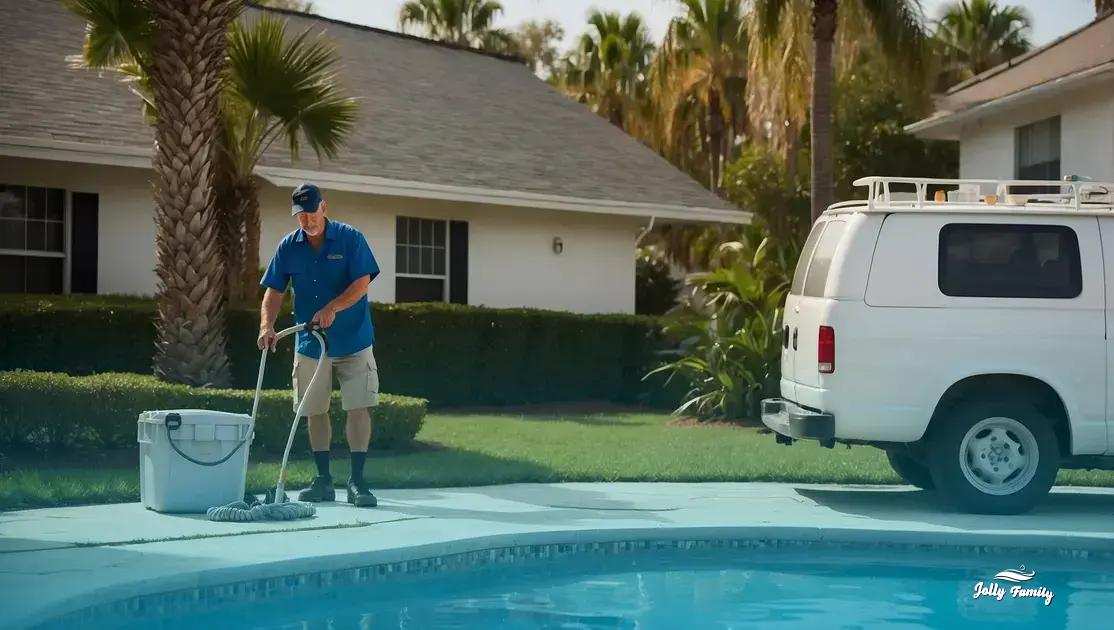
Jolly Family in Kissimmee builds a reliable maintenance schedule by starting with a focused on-site assessment of your pool, equipment, and usage patterns.
on-site assessment
Technicians check water chemistry, filter condition, pump run time, and surrounding debris sources. They note bather load, nearby trees, and local weather patterns to shape the plan.
customized maintenance plan
Plans list visit frequency, key tasks per visit, and optional add-ons like salt-cell cleaning or stain treatment. Frequency is tailored—weekly for heavy use, biweekly or monthly for light residential use.
clear scheduling and reminders
- Clients receive a predictable calendar with visit windows.
- Automated reminders and confirmation calls reduce missed visits.
- Technicians use tablets to record service time and tasks on site.
seasonal adjustments and inspections
Schedules change for hot months, storm season, and winterization. Pre-season openings and post-season closings are added automatically to prevent surprises.
emergency response and flexibility
Jolly Family offers rapid callbacks for algae blooms, leaks, or equipment failures. Emergency visits are slotted to limit downtime and health risks.
documentation and transparent billing
Each visit includes a service note, test results, and photos when needed. Clear invoices and an itemized checklist help owners see what was done and why future visits matter.
- Tip: keep gate codes and equipment access clear to avoid delays.
- Tip: review service logs quarterly to tweak the interval as conditions change.
Final thoughts on pool cleaning frequency
Keeping a healthy pool means routine care, quick checks, and a plan that fits your pool type and use. Weather, bather load, and equipment condition change how often a professional should visit.
Quick checklist:
- Test water weekly and record results.
- Skim and empty baskets after storms or heavy use.
- Brush surfaces and run the pump enough for full turnover.
- Schedule pre-season opening and post-season closing with a pro.
Look for warning signs like green water, rapid leaks, or odd equipment noises. If you spot these, stop swimming and call a professional right away.
Pair steady DIY care with a tailored pro schedule and clear service logs. That approach keeps water clear, reduces repairs, and helps your pool stay safe and ready to enjoy.
FAQ – common questions about pool cleaning frequency and care
How often should a pool be professionally cleaned?
It depends: most residential pools need pros every 4–8 weeks, heavy use 2–4 weeks, and commercial pools weekly or more.
What warning signs mean I should call a professional right away?
Call a pro if water turns green or cloudy, you see rapid water loss, persistent foam, strange equipment noises, or very high filter pressure.
Can I safely extend time between professional visits?
Yes—regular DIY care (weekly testing, skimming, brushing, and running the pump) can stretch intervals, but schedule a pro after storms or heavy use.
Do saltwater pools need different professional care?
Frequency is similar, but pros should inspect and clean the salt cell and check salinity to keep the system working well.
What does a typical professional cleaning include?
A standard visit usually covers skimming, vacuuming, brushing, chemical balancing, filter checks or backwash, and a quick equipment inspection.
How should I prepare my pool for a technician visit?
Clear the deck and pool area, secure pets, provide gate or equipment access, and note any recent issues or test results for the tech.