
how to choose a reliable pool cleaning company: verify licenses and insurance, compare itemized quotes and service frequency, check recent local reviews and referrals, confirm water testing and safety procedures, inspect equipment and written guarantees, and require clear communication plus documented service reports before signing.
how to choose a reliable pool cleaning company can feel confusing—especially when safety and family health are on the line. At Jolly Family, we guide Kissimmee homeowners through simple checks to spot honest pros and avoid surprises.
what to check before hiring: licenses, insurance and references
Before you sign a contract, verify a few essentials so you hire a trustworthy pool cleaner. These checks cut risk and protect your home.
Licenses and certifications
Ask to see the company’s license and any industry certificates. Confirm they match the local or state requirements. A licensed pro follows safety and chemical rules.
Check the license number online or call the issuing agency. If the company cannot provide proof, treat that as a red flag.
Insurance and bonding
Always request proof of insurance. You need general liability for property damage and workers’ compensation if staff work on your property. A bonded company adds extra protection against theft or incomplete work.
Ask for a certificate of insurance with the business name and coverage dates. Call the insurer if you want to confirm details.
References and reviews
Request recent references and call at least two customers. Ask about punctuality, care for the pool, communication, and any billing surprises.
Also scan online reviews. Look for consistent praise or repeated complaints about the same issue. One bad review is not a deal breaker; patterns are.
Quick checklist to bring with you
- Copy of license and certificate numbers.
- Certificate of insurance and bond details.
- At least two recent references with contact info.
- Written estimate with services, frequency, and price.
- Clear contract terms and warranty for work.
When you combine these checks, you lower the chance of damage, hidden fees, or poor service. A short verification now saves time and money later.
how to evaluate cleaning quality: routines, equipment and chemistry
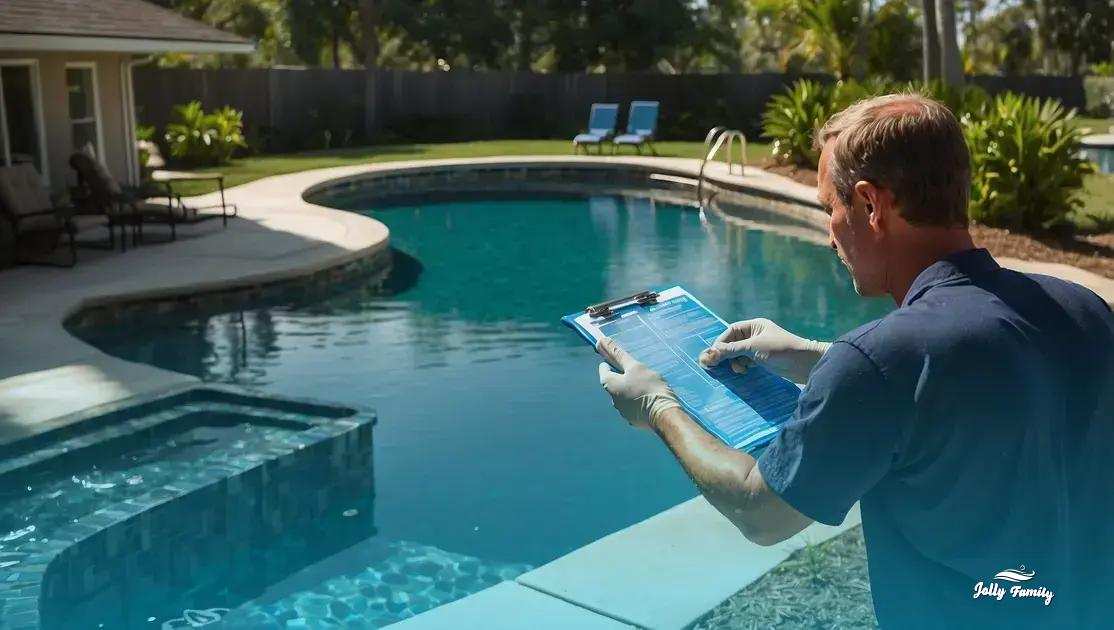
To judge cleaning quality, watch what the crew does and how they document it. Good teams follow a clear routine, use proper tools, and keep water chemistry balanced.
Daily and weekly routines
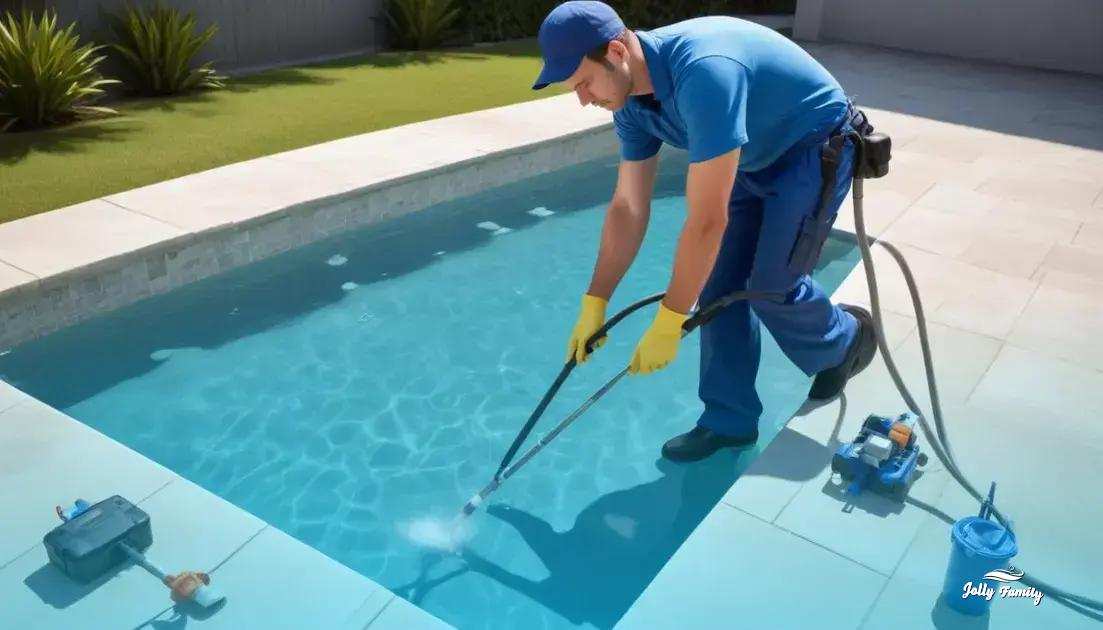
A reliable service will skim the surface, empty skimmer baskets, brush walls and tile, vacuum the floor, and check filter pressure. Ask for a routine checklist so you know what to expect each visit.
- Surface skimming and leaf removal
- Brushing walls, steps and tile lines
- Vacuuming or running automatic cleaner
- Emptying skimmers and pump baskets
- Recording filter pressure and operation times
Equipment and tools
Quality cleaners use well-maintained vacuums, nets, telescopic poles, and reliable test meters. Check their gear—old or broken tools can mean incomplete cleaning. They should also clean tools between properties to avoid cross-contamination.
- Manual vacuum or robotic cleaner for floor debris
- Backwash-capable filters and working pumps
- Digital test meter or high-quality test strips
- Brushes, nets and telescopic poles in good condition
Water chemistry and testing
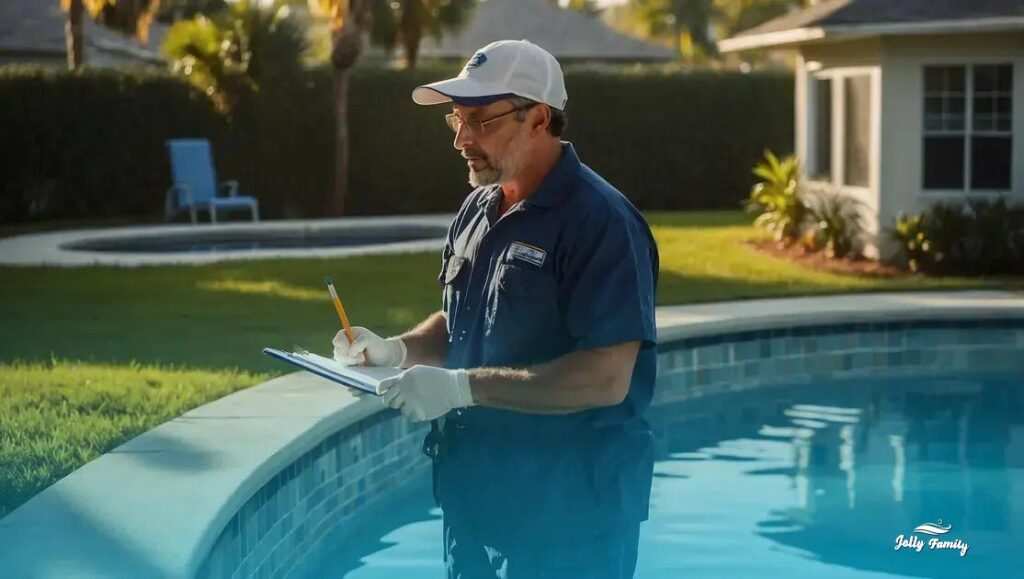
Proper chemistry prevents algae, scale, and eye irritation. A pro tests pH, free chlorine, alkalinity, and calcium hardness regularly. They should show results and explain adjustments. Ask for recorded readings so you can track trends.
- Test at every visit or as agreed in the plan
- Adjust chemicals gradually and safely
- Use sanitizer, shock, algaecide only when needed
- Document readings and treatments for transparency
Visible signs of good work
Clear water, no scum line, clean tile edges, stable filter pressure, and a predictable schedule are strong signs. If algae returns or debris piles up after service, quality is likely poor.
Questions to ask the cleaner
Request a written routine, sample service report, and a plan for algae or equipment faults. Ask how they handle emergencies and whether they offer satisfaction guarantees. Simple answers and clear paperwork show professionalism.
reading quotes: transparent pricing, service frequency and contract terms
When you get a pool service quote, read each line carefully. Clear quotes reduce surprises and help you compare companies fairly.
What clear pricing looks like
Look for a breakdown of costs: labor, chemicals, equipment use, and any one-time fees. A quote that lists a single monthly price without details may hide extra charges. Ask for itemized pricing so you can see what you pay for.
- Base service fee (what the core visit includes)
- Chemical costs listed separately or included
- Extra services priced per visit (vacuum, shock, algaecide)
- Equipment repairs or parts not covered by the fee
Service frequency and scheduling
Check how often visits occur and whether frequency affects price. Weekly, biweekly, and monthly plans should state what tasks happen each visit. Confirm whether missed visits are rescheduled and how that affects billing.
Contract terms to watch
Read the contract for duration, renewal, and cancellation rules. Note any required deposits, minimum terms, or automatic renewals. Termination clauses should explain how to end service and any fees involved.
- Contract length and auto-renewal details
- Notice period required to cancel
- Refunds or credits for missed service
- Responsibility for damaged equipment
Guarantees, insurance and extra costs
See if the company offers satisfaction guarantees or warranties on work. Confirm they carry insurance so you aren’t liable for accidents. Ask when extra charges apply, such as after heavy storms or for algae treatments.
Questions to ask before signing
Request a written sample invoice and ask for a clear explanation of any unclear line item. Verify payment methods, late fees, and how price changes are handled. A responsive company will answer plainly and update the quote in writing.
safety and health checks: water testing, sanitation and pool hazard assessments
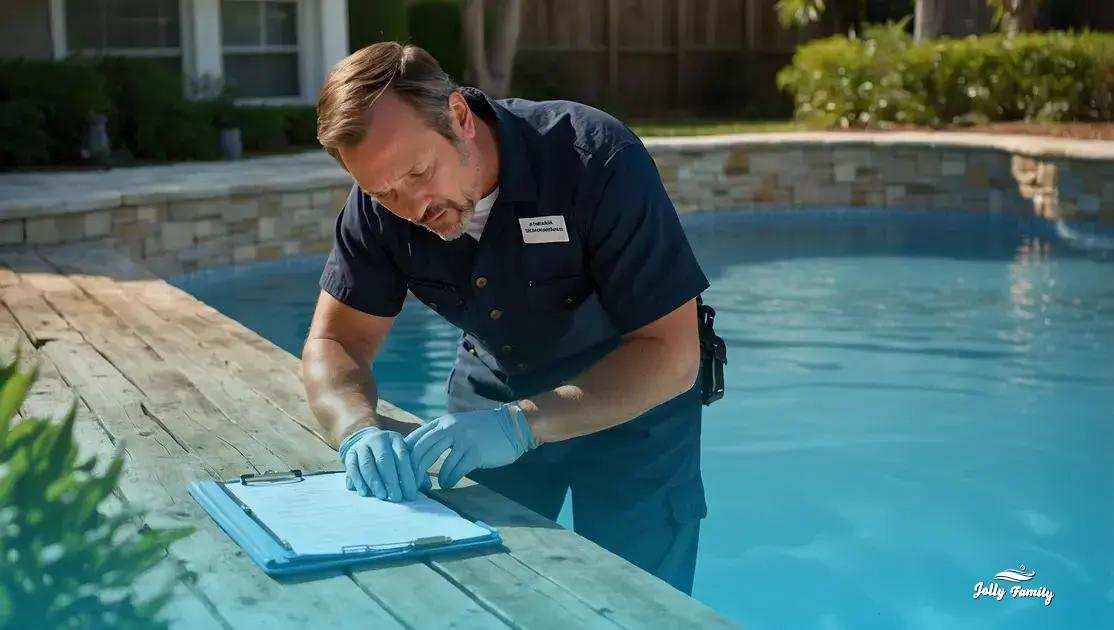
Test water chemistry at every visit and after heavy use or storms. Clear rules and records keep swimmers healthy and pools safe.
Water testing routine
Check pH, free chlorine, alkalinity, and calcium hardness. Test more often in hot weather or after pool parties. Use a digital meter or reliable test strips and write down the readings.
- pH should stay near 7.2–7.8
- Free chlorine depends on pool type; record it each visit
- Alkalinity and calcium hardness monthly or as recommended
- Keep a dated log to spot trends
Sanitation and chemical handling
Follow label instructions and add chemicals slowly. A pro wears gloves and stores chemicals upright in a cool, dry place. Shock only when needed and keep swimmers out until levels are safe.
- Measure chemicals carefully; avoid mixing products
- Use the right sanitizer for your pool (chlorine, bromine, salt systems)
- Flush or backwash filters after heavy contamination
Pool hazard assessments
Inspect the area for slip hazards, broken ladders, or loose tiles. Check that gates self-close and locks work. Life-saving equipment should be visible and in good condition.
- Fence and gate with self-closing latch
- Non-slip decking and secure handrails
- Working pool alarm and clear drain covers
- Accessible life ring or shepherd’s hook
Health signs and swimmer safety
Watch for cloudy water, strong chemical odors, or swimmer irritation. These can signal imbalanced chemistry or poor sanitation. Advise swimmers to shower before entering and avoid pool use when sick.
Documentation and emergency prep
Keep reports of each visit, recent test results, and a plan for algae or contamination events. Post emergency numbers and have a basic first-aid kit nearby. Quick action limits harm.
A regular safety check that covers testing, sanitation, and hazards protects users and prolongs pool equipment life.
local credibility: reviews, referrals and why Kissimmee trust matters
Local feedback helps you judge a pool company fast. Look for recent, specific reviews and ask neighbors for real referrals in Kissimmee. Local experience often means faster response and better handling of heat, rain, and algae.
Where to find trustworthy reviews
Check multiple sources: Google, Facebook, and community forums. Read several recent reviews, not just the top score. Favor reviews that mention punctuality, clear pricing, and lasting results.
How to ask for and verify referrals
Request at least two local referrals and call them. Ask about the crew’s reliability, how the company handled problems, and whether billed work matched the quote. A good company will gladly share contacts.
Why Kissimmee trust matters
Kissimmee pools face warm weather, heavy storms, and fast algae growth. Local companies know seasonal needs, common equipment issues, and permit rules. That knowledge saves time and reduces repeat treatments.
What to look for in local credibility
- Consistent praise across platforms and dates
- Referrals from nearby homeowners or HOA groups
- Visible local presence like service vans and prompt callbacks
- Photos of completed jobs in similar pool types and climates
Red flags to avoid
Avoid companies with many vague reviews, long gaps between reviews, or no local references. Beware of firms that avoid written estimates or pressure you to sign long contracts without clear terms.
Combine online reviews with personal referrals in Kissimmee to pick a team that knows your pool and your neighborhood.
how Jolly Family builds long-term reliability: scheduling, communication and follow-ups
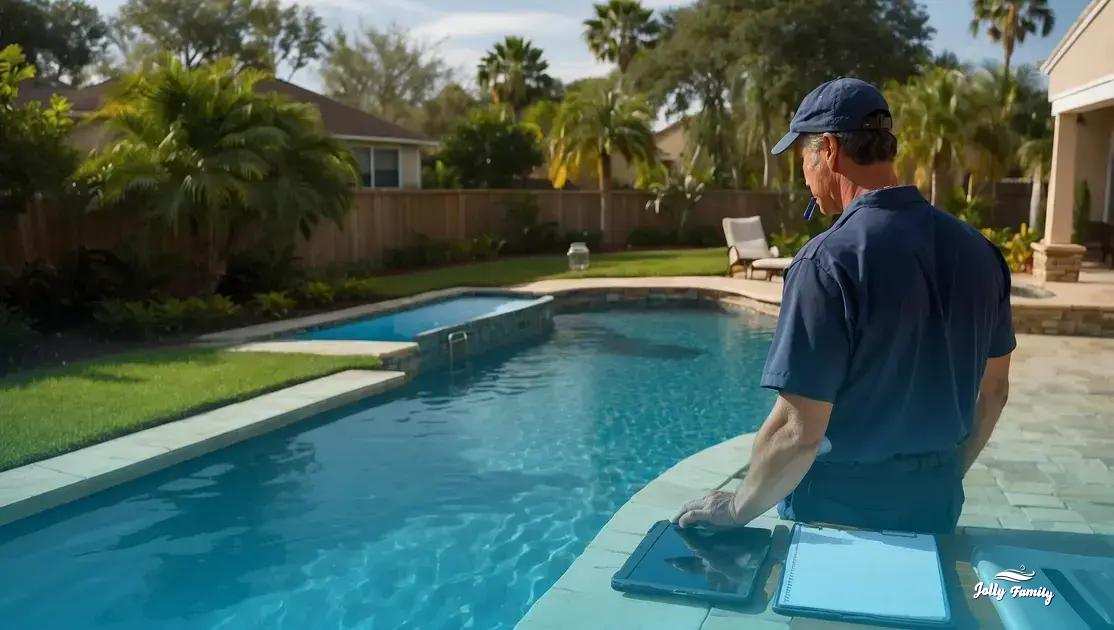
Jolly Family builds long-term reliability by combining steady schedules, clear communication, and timely follow-ups. Their process is simple and practical.
Scheduling and consistency
They offer fixed visit windows and flexible online booking. A consistent technician is assigned so the same person learns your pool’s quirks. Customers get reminders and immediate notice if a visit changes.
- Weekly or biweekly time windows that fit your routine
- Same technician when possible for continuity
- Easy rescheduling after storms or special events
Clear, plain communication
Technicians send short service reports with test readings and photos. Messages arrive by text, email, or app so you see what was done. Plain-language notes explain any problems and recommended next steps.
- Post-visit report with photos and chemical levels
- Immediate alerts for equipment failures or safety issues
- Transparent answers about costs and timelines
Follow-ups and proactive care
Follow-up calls or messages confirm fixes and check satisfaction. For recurring issues, they increase visit frequency until the problem is solved. Preventive maintenance plans include reminders for filter changes and seasonal checks.
- Satisfaction check-ins after special treatments
- Extra visits after heavy storms or algae events
- Recorded service history to track trends and avoid surprises
Documented schedules, clear reports, and prompt follow-ups create predictable service and build trust over time.
Final checklist to pick a reliable pool cleaner
Verify license and insurance, read itemized quotes, check reviews, and confirm cleaning routines. These simple steps cut risk and protect your pool.
Prefer local companies that know seasonal issues and respond quickly. Keep records of service reports and test readings to spot problems early.
Next step: get two detailed quotes, call referrals, and schedule a short inspection. A little homework now saves time, money, and keeps swimmers safe.
FAQ – Choosing a reliable pool cleaning company
What documents should I ask to verify a pool company’s legitimacy?
Ask for a copy of their license, certificate numbers, and a current certificate of insurance. Call the issuing agency or insurer if unsure.
How do I compare quotes from different companies?
Request itemized quotes showing base service, chemicals, extra visits, and equipment costs. Compare services included at each frequency, not just the price.
How often should a professional visit my pool?
Most pools need weekly or biweekly service. Frequency depends on use, weather, and pool type—discuss a plan that matches your needs.
What signs show poor water chemistry or sanitation?
Cloudy water, strong chemical smell, skin or eye irritation, and recurring algae are red flags. Ask for visit logs and test readings to confirm care.
How can I verify a company’s local reputation?
Check recent reviews on multiple platforms, ask neighbors for referrals, and request local references you can call. Look for consistent, specific feedback.
What should I do if service causes damage or is unsatisfactory?
Document the issue with photos, save service reports, and contact the company for a prompt fix. If needed, refer to the contract, insurance, or your payment method for disputes.