
How to shock your pool effectively in Davenport FL means using the right chemicals to sanitize your pool water, ensuring it’s safe and clean for swimming.
Are you wondering how to shock your pool effectively in Davenport, FL?
In this guide, you’ll discover the secrets to keeping your pool crystal clear and safe for your family.
We’ll walk you through the steps of shocking your pool, the best products to use, and tips for maintaining water quality. By the end, you’ll be equipped with the knowledge you need to enjoy a pristine swimming experience all summer long!
Understanding the Importance of Pool Shock
When it comes to maintaining the health of your swimming pool, understanding the significance of pool shock is essential. Regularly shocking your pool can make a world of difference in ensuring the water remains clean, clear, and safe for swimming. At its core, pool shocking refers to the process of adding a high dose of chlorine or other chemicals to your pool water. This is done to eliminate contaminants, bacteria, and algae that may have built up over time.
Why is Pool Shock Necessary?
Over time, even the best pool cleaning services in Davenport can only do so much to keep your pool pristine. Factors like heavy usage, organic debris, rain, and even sunlight can introduce impurities into your water. By shocking your pool, you effectively reset the water chemistry, lifting the burden off your regular sanitizing routine.
- Eliminates Contaminants: Shocking helps to break down chloramines—compounds formed when chlorine bonds with organic matter—thus restoring the effectiveness of your pool’s sanitizer.
- Prevents Algae Growth: An unexpected algae bloom can quickly turn a beautiful pool into a green mess. Regular shocking can deter this unwanted growth.
- Enhances Water Clarity: Clear water is not only visually appealing but also reflects proper maintenance. Shocking the pool contributes to this clarity.
How to Shock Your Pool Effectively in Davenport, FL
In Davenport, the warm climate can accelerate the need for pool shocking. Knowing the right method to shock your pool can save time and ensure safety. First, it is crucial to test your water chemistry to determine the appropriate amount of shock treatment needed. After that, follow these steps for effective shocking:
- Choose the Right Shock: Depending on your pool size and water conditions, select the appropriate shock product. Consider eco-friendly options if you’re conscious of the environment.
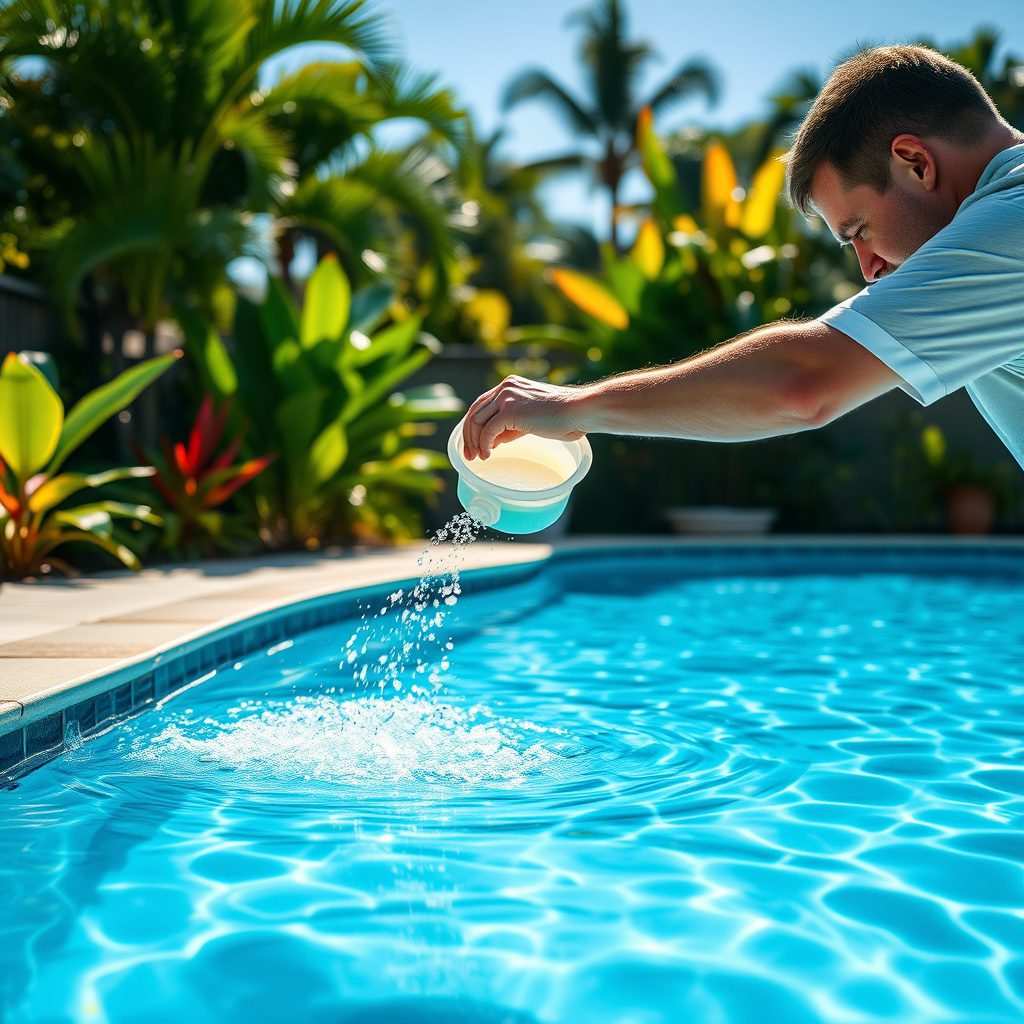
- Dissolve the Shock: If using granular shock, dissolve it in a bucket of water before adding it to the pool to avoid staining.
- Distribute Evenly: Pour the shock solution around the pool’s perimeter to ensure even distribution.
- Allow for Proper Circulation: Run your pool pump for at least 24 hours after shocking to help circulate the chemicals throughout the water.
Regular Maintenance and Pool Cleaning
Incorporating pool shocking into your routine is essential, but it should be part of a broader strategy for pool maintenance. For those seeking affordable pool cleaning in Davenport, consider integrating a shocking schedule with other maintenance tips. Regularly cleaning your pool, checking chemical levels, and utilizing Davenport pool service can enhance your pool’s longevity and enjoyment.
Whether you’re diving in for a refreshing swim or hosting a pool party, knowing how to shock your pool effectively ensures that your oasis remains a safe and enjoyable space. As you navigate the waters of pool upkeep, remember that effective Water Treatment Solutions are your best ally in achieving the perfect swimming environment.
Identifying the Right Time to Shock Your Pool
When it comes to maintaining a clean and safe swimming environment, knowing when to shock your pool is crucial. Shocking your pool involves adding a large dose of chlorine or other chemical treatments to eliminate contaminants and restore water clarity. But how do you know when it’s the right time to do this?
One of the most important indicators is the water’s chlorine level. If you consistently check your water quality, you’ll notice that when the chlorine levels drop below 1 ppm (parts per million), it’s time to consider shocking. Additionally, if your water appears cloudy or has an unusual odor, these are also signs that your pool needs immediate attention.
Another guideline is to shock your pool after heavy rainfall or if there has been significant use, such as a party or gathering. The introduction of debris and body oils can overwhelm your pool’s regular sanitation levels. It’s also wise to shock your pool on a regular schedule, such as every week or bi-weekly, especially during peak swimming season. This proactive approach can help maintain water quality and save on costly pool repair services in Davenport.
Temperature plays a role too. Warmer water temperatures can promote the growth of algae and bacteria, meaning that regular shocking might be necessary during the hotter months. If you notice any signs of algae blooms, it’s time to act quickly.
In addition to these factors, consider your pool’s general condition. If your pool hasn’t been cleaned in a while or you’ve recently utilized pool cleaning services in Davenport, shocking can help complement those efforts. Think of it as a deep cleanse for your swimming oasis.
Lastly, always remember to follow the instructions on your chosen shock product. Some may require specific conditions, such as adding the shock at night or during low-usage hours to ensure safety and effectiveness. Having the right Water Treatment Solutions tailored to your pool’s needs will make this process smoother.
By keeping these factors in mind, you’ll be well-equipped to determine the ideal times to shock your pool, ensuring a safe and enjoyable swimming experience for everyone.
Choosing the Best Pool Shock Products
When it comes to maintaining a healthy and inviting swimming pool, selecting the right pool shock products is essential. Understanding how to properly shock your pool can significantly enhance your water quality and overall swimming experience. In Davenport, FL, where the sun shines brightly and pool parties are common, ensuring that your pool remains crystal clear is more important than ever.
Types of Pool Shock Products
There are several types of pool shock products available, each with its unique benefits. The most common types include:
- Calcium Hypochlorite: This is a popular choice for many pool owners because it is highly effective at killing bacteria and algae. It dissolves quickly and can be used in both chlorine and saltwater pools.
- Sodium Dichlor: This type of shock is stabilized, which means it won’t break down as quickly in sunlight. It’s an excellent option for pools that often see heavy use.
- Potassium Monopersulfate: This non-chlorine shock is great for quick oxidization and can be used to boost the effectiveness of your existing chlorine. It’s perfect for those who prefer an alternative to traditional chlorine shock.
Each of these products has its place in pool maintenance, and understanding their differences can help you make an informed decision.
How to Choose the Right Product
When selecting a pool shock product, consider the following factors:
- Pool Type: Knowing whether your pool is chlorine-based or saltwater will guide your choice.
- Water Condition: If your pool water appears cloudy or has a strong chlorine smell, a stronger shock product may be necessary.
- Usage Frequency: If your pool sees frequent use, especially during the summer months, a stable shock product may be ideal to maintain water clarity.
Application Tips
Applying pool shock correctly is just as critical as choosing the right product. Here are some tips to ensure effective application:
- Always follow the manufacturer’s instructions for dosage and application.
- Shock your pool in the evening to minimize the effects of sunlight and allow the shock to work overnight.
- Ensure your pool’s pH level is balanced before applying shock to maximize its effectiveness.
In Davenport, FL, where pool cleaning services are readily available, you might want to consider consulting with a local expert for personalized advice. They can help you select the best pool shock products based on your unique needs and ensure your pool remains in top condition.
By keeping these tips in mind, you can confidently choose the right pool shock products to keep your pool clean and safe. Whether you’re looking for affordable pool cleaning Davenport services or need assistance with pool maintenance tips, there are plenty of resources to help you maintain a beautiful swimming environment. Remember, regular maintenance is key, and investing in quality Water Treatment Solutions will pay off in the long run.
Step-by-Step Guide to Shocking Your Pool
When it comes to maintaining a sparkling clean swimming pool, knowing how to shock your pool effectively in Davenport FL is crucial. Shocking your pool is a straightforward process that helps eliminate contaminants, bacteria, and chloramines, ensuring a safe and enjoyable swimming experience. Here’s a guide to help you navigate this essential task smoothly.
Step 1: Gather Your Supplies
Before diving into the shocking process, make sure you have all the necessary materials. You will need:
- Pool shock treatment (preferably granular or liquid)
- Protective gear, including gloves and goggles
- A bucket for mixing (if using granular shock)
- A pool testing kit to check chemical levels
Having the right pool cleaning supplies Davenport on hand makes the process efficient and safe.
Step 2: Test the Water
Begin by checking the pH levels of your pool water. Ideally, the pH should be between 7.2 and 7.6. If the levels are off, adjust them accordingly before shocking. This step is vital because proper pH balance allows the shock treatment to work effectively.
Step 3: Prepare the Shock
For granular shock, dissolve the recommended amount in a bucket of water. Always follow the instructions on the product label for the correct dosage based on your pool size. If you’re using liquid shock, you can skip this step and move directly to application.
Step 4: Apply the Shock
Evenly distribute the shock treatment around the perimeter of the pool while the pump is running. This ensures the shock is well-circulated throughout the water. If you’re using granular shock, pour it in slowly and avoid dumping it all in one spot to prevent damage to the pool surface.
Step 5: Wait and Test Again
Allow the shock to work its magic for at least 24 hours. During this time, keep an eye on the pool and avoid swimming. After the waiting period, use your testing kit again to check the chlorine levels. Ideally, they should be back to a safe range before you dive back in.
Step 6: Maintain Your Pool
After shocking, keep up with regular maintenance to ensure your pool stays clean and safe. Consider scheduling weekly pool cleaning Davenport services or using pool maintenance tips to stay on top of your game. This proactive approach can help you avoid the need for more frequent shocking.
By following these steps, you can effectively shock your pool and enjoy a safe swimming environment. Remember that regular maintenance, including the use of reliable Water Treatment Solutions, is key to keeping your pool in top shape.
Post-Shock Maintenance Tips
Keeping Your Pool in Top Shape
After you’ve effectively shocked your pool, the next step is maintaining its clarity and safety. Proper post-shock maintenance is essential to ensure that your pool remains a refreshing oasis for you and your family.
Monitor Chemical Levels
One of the first things to do after shocking your pool is to check the chemical levels. This is crucial for maintaining a balanced environment. Use a reliable test kit to measure the pH, chlorine, and alkalinity levels. Typically, you’ll want to wait at least 24 hours after shocking before retesting. If the levels are off, adjust them accordingly. Keeping your chemicals balanced not only helps clear the water but also prevents algae growth and keeps your pool safe for swimming.
- pH: Aim for a pH level between 7.2 and 7.6.
- Chlorine: Maintain a free chlorine level of 1-3 parts per million (ppm).
- Alkalinity: Keep total alkalinity between 80 and 120 ppm.
Regular Cleaning Routine
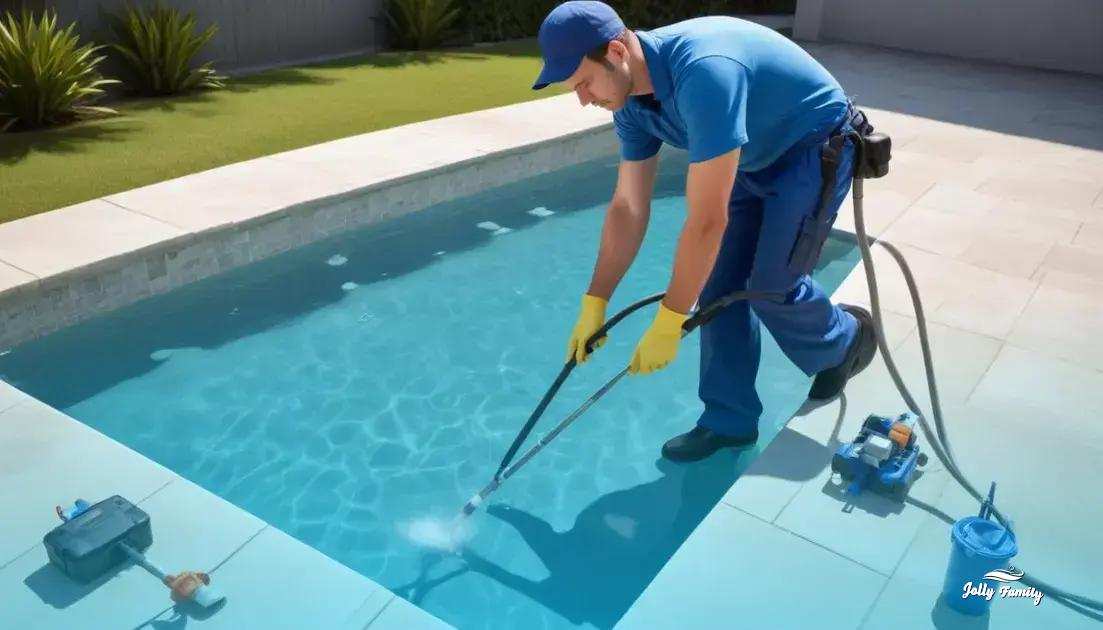
After shocking, debris may settle at the bottom or accumulate on the surface. Establishing a routine for cleaning your pool is vital. Skim the surface with a net to remove leaves and debris, and use a vacuum to clean the bottom. If you’re looking for assistance, consider local pool cleaning services Davenport to help keep your pool spotless.
Filter Maintenance
Your pool filter plays a critical role in maintaining water quality. After shocking your pool, it’s a good idea to run your filter for at least 24 hours continuously. This helps circulate the chemicals and removes any impurities. Make sure to check and clean the filter regularly, as a clogged filter can hinder water circulation and treatment.
Monitor Water Temperature
The temperature of your pool can affect the effectiveness of your chlorine. Warmer water can lead to faster chlorine depletion. Monitor your pool’s temperature, especially during warmer months, and take steps to manage it, such as using a pool cover when not in use. This can help maintain a comfortable swimming temperature and keep your pool cleaner.
Consider Professional Help
If you find it challenging to keep up with maintenance, don’t hesitate to seek help from the best pool cleaning company Davenport. They can provide weekly pool cleaning Davenport services that ensure your pool stays in prime condition without the hassle. Their expertise can also help you with eco-friendly pool cleaning Davenport options that are safe for the environment.
Plan for Regular Shocking
Lastly, make a schedule for regular shocking of your pool. Depending on usage, this can be done weekly or bi-weekly. Regular shocking not only helps maintain water clarity but also prevents the buildup of harmful bacteria and algae. Remember, maintaining a clean pool is an ongoing process that requires diligence and care.
By following these essential post-shock maintenance tips, you can enjoy a beautiful and healthy swimming pool throughout the season.
Common Mistakes to Avoid When Shocking Your Pool
When it comes to maintaining a sparkling clean swimming pool, shocking is a crucial step that many pool owners may overlook or misunderstand. While you’re eager to restore your pool’s clarity, there are several common mistakes that can hinder your efforts. Understanding these pitfalls can help you achieve optimal results and ensure a safe swimming environment for your family and friends.
Timing Is Everything
One of the biggest mistakes pool owners make is not timing the shocking process correctly. Shocking your pool during the wrong time of day can lead to ineffective results. Ideally, you should shock your pool in the evening or at night when the sun’s UV rays are less intense. This allows the chlorine to work more effectively without being burned off by sunlight.
Improper Dosage
Another frequent error is not using the correct dosage of shock. Always refer to the product instructions for guidance tailored to your pool size. Using too little will not effectively eliminate contaminants, while too much can create an unsafe swimming environment and lead to chemical imbalance.
- Tip: Invest in a quality test kit to measure your pool’s chlorine levels before and after shocking.
Not Circulating the Water
Failing to circulate the water properly after shocking is another mistake that can compromise your efforts. Ensure your pool pump is running for at least 8-12 hours after applying the shock treatment. This circulation allows the chemicals to distribute evenly throughout the pool, enhancing their effectiveness.
Ignoring pH Levels
Before shocking your pool, it’s essential to check the pH levels. If the pH is too high or too low, the shock treatment may not work as intended. Aim for a pH level between 7.2 and 7.6 before applying shock. Adjusting these levels can make all the difference in the effectiveness of your Water Treatment Solutions.
Shocking Too Frequently
Some pool owners may think that frequent shocking leads to a cleaner pool. However, over-shocking can lead to chemical imbalances, causing irritation to your skin and eyes. It’s essential to strike a balance and follow a regular maintenance schedule that includes shocking as needed, typically every few weeks or after heavy pool use.
Neglecting Post-Shock Care
After shocking your pool, many individuals overlook the importance of post-shock maintenance. Make sure to wait at least 24 hours before swimming. Additionally, monitor your pool’s chemical levels regularly to ensure they’re balanced. If you’re unsure about the maintenance process, consider reaching out to pool cleaning services Davenport for professional assistance.
Using Incompatible Products
Finally, avoid mixing different types of shock or using incompatible cleaning products. Doing so can create harmful reactions that not only diminish effectiveness but can also be dangerous. Always stick to one type of shock treatment at a time and consult with experts if you’re unsure about compatibility.
By steering clear of these common mistakes, you can ensure that your shocking process is effective and your swimming pool remains a safe and enjoyable space for everyone. If you need help, look for affordable pool cleaning Davenport options that can guide you through effective maintenance practices.
The Impact of Weather on Pool Shocking in Davenport
When it comes to ensuring your pool remains a sparkling oasis, understanding the impact of weather on the shocking process is essential. In Davenport, the climate can greatly influence how effectively you can shock your pool. Factors such as temperature, humidity, and even rainfall play critical roles in determining the best practices for this necessary maintenance task.
Temperature Matters
The temperature can significantly affect the chemical reactions that occur when shocking your pool. Ideally, shocking should be done when the water temperature is between 60°F and 90°F. In Davenport, the heat can sometimes rise, making it a prime opportunity for pool maintenance. When the temperature is too high, however, the chlorine can dissipate quickly, leading to less effective shocking. Therefore, scheduling your shocking session during the cooler parts of the day, like early morning or late evening, can yield better results.
Humidity Levels
Humidity also plays a pivotal role in how well your shocking treatment works. High humidity can slow down the evaporation of chlorine, helping it to stay in the water longer. This can be beneficial, especially when you’re using strong pool shock products. However, too much humidity might also contribute to algae growth, making it essential to monitor your pool closely and adjust your shocking frequency accordingly.
Rainfall and Its Effects
Rain can complicate the shocking process. If you’ve recently shocked your pool, a heavy rain can dilute the chlorine levels, reducing the shock’s effectiveness. It’s generally advisable to wait until the rain has passed and the water chemistry has stabilized before shocking again. If you find yourself in need of assistance, reaching out to pool cleaning services Davenport can help ensure your pool maintains its cleanliness despite the weather.
When to Seek Professional Help
With the unpredictable weather patterns in Davenport, it’s wise to consider professional swimming pool maintenance Davenport services if you’re unsure about how to proceed. Experts can provide tailored guidance, ensuring your pool remains safe and inviting. They can also help with pool cleaning supplies Davenport and other essential materials to keep your pool in top condition.
In the ever-changing landscape of pool care, being aware of how weather impacts your maintenance routines can make a significant difference. By understanding these elements, you can ensure your pool remains a refreshing retreat, no matter what the weather throws your way.
Frequently Asked Questions About Pool Shock
When it comes to maintaining a clean and safe swimming environment, pool shock is an essential process that every pool owner should understand. If you’re wondering about the specifics of shocking your pool, you’re not alone. Many people have questions about how to do it effectively, especially in Davenport, FL, where the climate can impact pool maintenance.
What is Pool Shock and Why is it Necessary?
Pool shock refers to the process of adding a high dose of chlorine or other sanitizers to your pool water to eliminate bacteria, algae, and other contaminants. This is particularly important after heavy pool usage or after a rainstorm, when debris and organic matter can increase in the water. By shocking your pool, you ensure that the water remains clear and safe for swimming.
How Often Should I Shock My Pool?
The frequency of shocking your pool can depend on several factors, such as usage, weather conditions, and the overall maintenance routine. In Davenport, it’s often recommended to shock your pool every 1-2 weeks during peak swimming season. If you notice that the water is cloudy or has an unusual odor, it may be time to shock your pool, regardless of your regular schedule.
What Should I Look for in Pool Shock Products?
When selecting a pool shock product, consider the type of shock that best suits your pool’s needs. There are various options available, including calcium hypochlorite and sodium dichlor. Read the labels carefully to ensure you’re choosing a product that aligns with your pool type and current water conditions. Many local stores in Davenport offer a selection of Water Treatment Solutions that cater to different pool types.
Can I Shock My Pool While Using a Pool Cleaning Service?
Absolutely! If you are utilizing pool cleaning services in Davenport, they can often help with the shocking process as part of your overall maintenance plan. Communicate with your service provider about your pool’s specific needs and how often they recommend shocking your pool. They will have the expertise to ensure that the shocking process is done safely and effectively.
What Are the Signs That My Pool Needs Shocking?
There are several indicators that your pool may need shocking:
- Cloudy Water: If your pool water is not crystal clear, it might be time for shock treatment.
- Algae Growth: Spotting green or brown algae in your pool is a clear sign that shocking is necessary to kill it off.
- High Combined Chlorine Levels: If your chlorine levels are high but the water is still not clean, shocking can help reset the balance.
- After Heavy Use: If your pool has been used heavily, it’s a good idea to shock it, especially if multiple people have been swimming.
What Should I Do After Shocking My Pool?
After shocking your pool, it’s important to let the chemicals work their magic. Keep the pool closed for a few hours, and test the water before allowing anyone to swim again. This ensures that the chemical levels are safe for swimming. If you’re unsure about the water quality, consider reaching out to a local Davenport pool service for assistance.
Are There Mistakes I Should Avoid When Shocking My Pool?
Yes, there are common pitfalls to watch out for:
- Not Testing Water First: Always test your pool water before shocking to understand what it needs.
- Shocking During Sunlight: It’s best to shock your pool in the evening or at night to prevent the sun from degrading the chemicals.
- Over-Shocking: Follow the product instructions carefully to avoid adding too much shock, which can lead to imbalanced water chemistry.
Understanding the ins and outs of shocking your pool can help you maintain a safe swimming environment. Whether you’re doing it yourself or using affordable pool cleaning Davenport services, being informed will make the process smoother and more effective. If you’re ever in doubt, reaching out to professionals for pool cleaning near me can provide the guidance you need to keep your pool in top shape.