
In what order should you clean your pool? This question helps pool owners understand the most efficient process for cleaning their pools, ensuring proper maintenance and hygiene.
In what order should you clean your pool? This essential question will guide you through the best practices for pool maintenance.
By following a systematic approach, you can ensure your pool remains sparkling clean and safe for swimming.
In this article, we will explore the step-by-step process for cleaning your pool, so you can enjoy a refreshing swim all season long. Get ready to discover the secrets to effective pool cleaning!

Are you tired of looking at a dirty pool? Wondering in what order you should clean your pool? You’re not alone. Maintaining a pool can feel overwhelming, especially if you don’t know where to start. But don’t worry! In this guide, we will walk you through the essential steps to clean your pool efficiently and effectively, ensuring it remains a sparkling oasis for you and your family.
Understanding Pool Cleaning Basics
Before diving into the cleaning process, it’s crucial to understand the basics of pool cleaning. There are various types of pools—inground, above ground, saltwater, and freshwater—each requiring different cleaning methods. Essential equipment includes:
- Skimmer nets
- Robotic pool cleaners
- Brushes
- Vacuum heads
- Testing kits for water chemistry
Regular maintenance is essential for all pools, as it prevents algae growth and keeps water clean and safe for swimming.
Why Proper Pool Maintenance Matters
Keeping your pool clean is more than just aesthetics. A clean pool provides numerous benefits:
- Health Advantages: Regular cleaning helps remove contaminants that can lead to health issues.
- Aesthetic Appeal: A sparkling clean pool enhances the beauty of your backyard.
- Equipment Longevity: Proper maintenance reduces wear and tear on pool equipment, saving you money on repairs.
As experts at Jolly Family with over a decade in the pool cleaning business, we’ve seen firsthand how proper care can prevent costly repairs and enhance your overall enjoyment of your pool.
Key Factors to Consider When Cleaning Your Pool
When tackling pool cleaning, consider these factors:
- Assess Water Quality: Test the pH and chlorine levels regularly to ensure safe swimming conditions.
- Choose the Right Chemicals: Select pool chemicals that are suitable for your pool type and local water conditions.
- Cleaning Frequency: Determine how often your pool needs cleaning based on usage and environmental factors.
These insights will help you make informed decisions tailored to your specific pool needs.
Step-by-Step Guide to Cleaning Your Pool
Now, let’s get into the nitty-gritty of cleaning your pool. Follow these steps for a thorough cleaning:
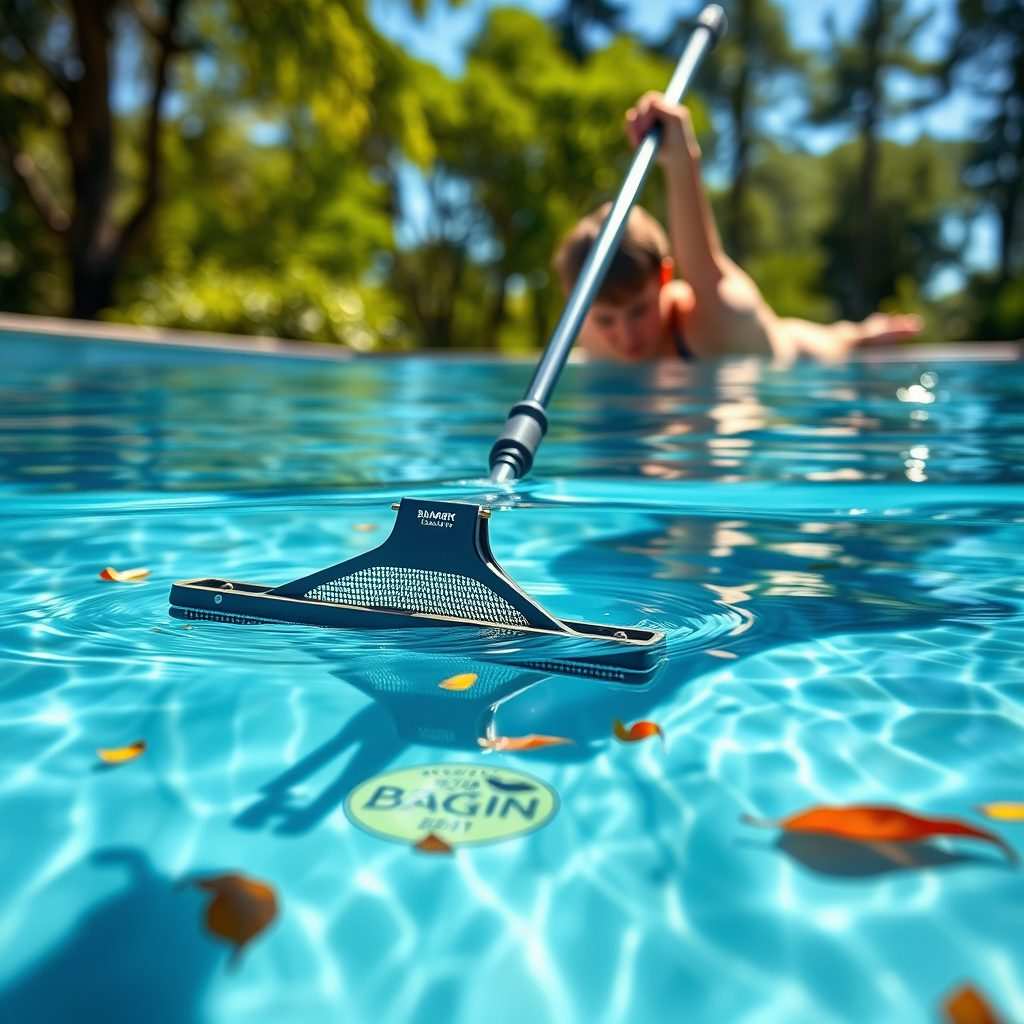
- Skim the Surface: Use a skimmer net to remove leaves, debris, and bugs from the water surface.
- Brush the Walls: Brush the walls and steps to dislodge algae and dirt.
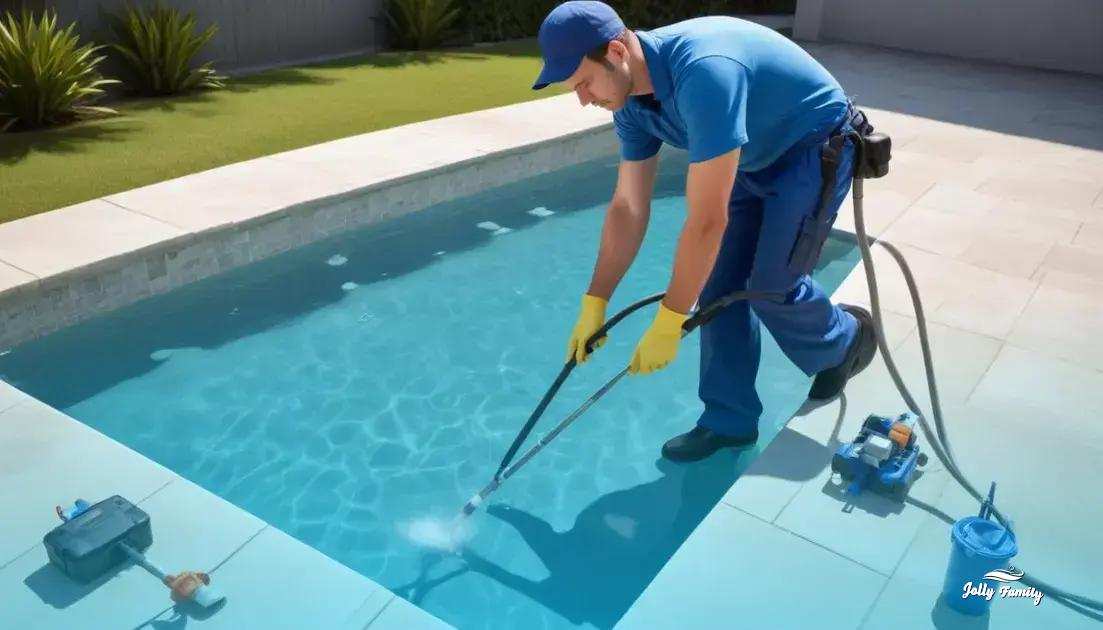
- Vacuum the Pool: Vacuum the bottom to collect any remaining debris.
- Check and Clean Filters: Clean or replace your pool filters as needed to ensure optimal performance.
- Balance Water Chemistry: Adjust pH, alkalinity, and chlorine levels to maintain safe swimming conditions.
By following these steps, you’ll ensure your pool stays clean and inviting.
Advanced Techniques for Optimal Pool Care
If you’re looking to elevate your pool cleaning game, consider the following advanced techniques:
- Robotic Cleaners: These automated devices can save time and provide a deep clean.
- Efficient Filtration Systems: Investing in a high-quality filtration system can enhance your pool’s cleanliness.
- Seasonal Maintenance Tips: Prepare your pool for seasonal changes, such as winterizing in cold climates.
With our 10 years of experience, we at Jolly Family have learned that these techniques can significantly improve pool care.
Common Pool Cleaning Mistakes to Avoid
Even seasoned pool owners can make mistakes. Here are some common pitfalls to watch out for:
- Improper Chemical Use: Always follow instructions when adding chemicals to avoid damaging your pool.
- Neglecting Equipment Care: Regularly check and maintain your cleaning equipment to ensure it functions correctly.
- Ignoring Signs of Trouble: Be vigilant about changes in water clarity or unusual smells, which can indicate underlying issues.
By avoiding these mistakes, you’ll maintain a hassle-free cleaning routine.
Conclusion
Cleaning your pool doesn’t have to be daunting. By understanding the basics, recognizing the importance of maintenance, and following our step-by-step guide, you can enjoy a clean and safe swimming environment. Remember, whether you’re in Orlando, Kissimmee, or Davenport, Jolly Family is here to help with all your pool cleaning needs. Dive into a cleaner pool today!
Our Expertise in Pool Cleaning
This content reflects a deep experience in the pool cleaning industry. With 10 years of operation, we specialize in pool cleaning, pool water treatment, preventative maintenance of pool decks and equipment, filter and pump cleaning, and installation of hydraulic equipment and filters. Our expertise across regions like Davenport, Kissimmee, Celebration, Saint Cloud, Poinciana, ChampionsGate, Reunion, Four Corners, Haines City, Hunters Creek, Winter Garden, Windermere, and Orlando positions us as a trusted source on in what order should you clean your pool?
Our Location: 9102 Hotoon Way – Devenport – Orlando – Florida
Frequently Asked Questions
What is the first step in cleaning a pool?
The first step in cleaning a pool is to remove any large debris from the surface using a skimmer net. This prevents dirt from sinking and makes the overall cleaning process easier.
Should I brush the pool walls before or after vacuuming?
You should brush the pool walls and floor before vacuuming. Brushing loosens dirt and algae, making it easier for the vacuum to pick up debris effectively.
How often should I clean my pool?
You should clean your pool at least once a week during the swimming season. Regular maintenance helps prevent algae growth and keeps the water clear and safe.
What chemicals should I add during pool cleaning?
After cleaning, test the water and adjust pH and chlorine levels as needed. It's essential to add shock treatments and algaecides to keep the water balanced and sanitized.
Is it necessary to backwash the filter?
Yes, backwashing the filter is necessary if the pressure gauge indicates a rise of 8-10 psi above normal. It helps remove trapped debris and keeps the filtration system efficient.