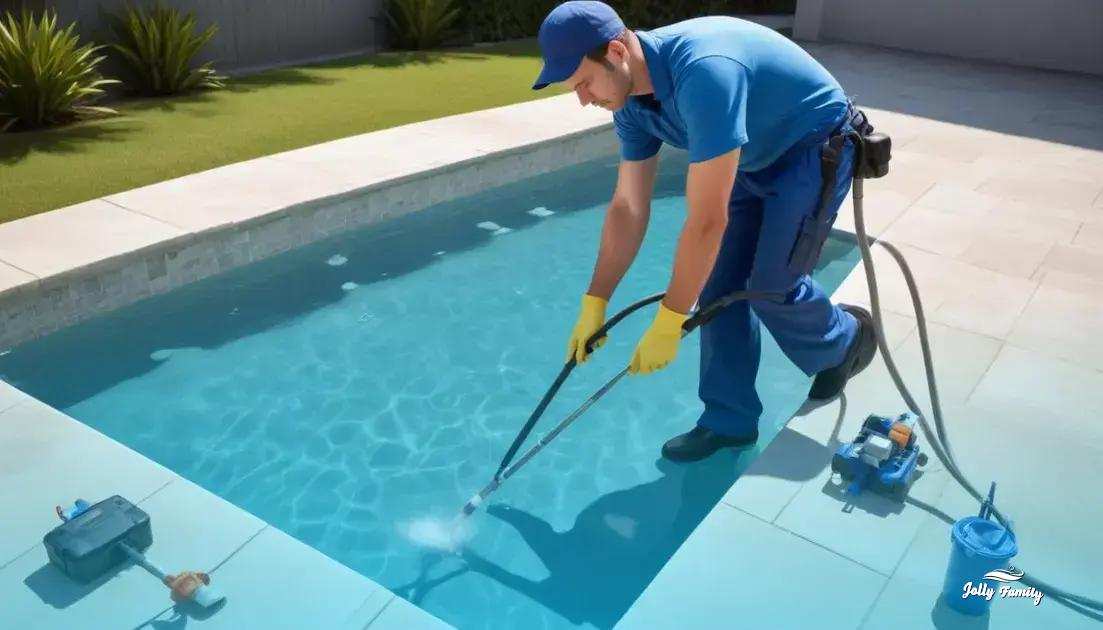


is weekly pool service worth it in Florida — for most homeowners, weekly service is worth the predictable cost because it maintains sanitizer balance in hot, rainy conditions, prevents algae and corrosion, extends equipment life, reduces emergency repairs, and saves time compared with sporadic or DIY maintenance.
is weekly pool service worth it in Florida? If you own a pool in Kissimmee, the answer depends on how often you swim, how hot the season gets and how much time you want to spend on chemistry. I’ll walk through typical costs, safety trade-offs and real examples — and how Jolly Family can make the decision easier.
what weekly pool service covers in Florida
A weekly pool service in Florida covers the routine tasks that keep water safe and equipment working. Technicians visit once a week to clean, test and inspect so you don’t have to worry about day-to-day upkeep.
Routine cleaning
Technicians perform surface skimming, empty skimmer and pump baskets, brush walls and tiles, and vacuum the pool as needed. Skimming removes leaves and bugs before they sink. Brushing prevents algae from building up on the shell and tile.
Water testing and chemical balance
Every visit includes measuring pH, chlorine (or sanitizer), alkalinity and calcium hardness. Pros adjust chemicals to maintain safe, clear water. Balanced water protects skin, swimwear and pool equipment.
Filter and equipment inspection
Technicians check the pump, filter, heater and automatic cleaners for proper function. They backwash or clean filters when necessary and report leaks, strange noises or worn parts so you can avoid bigger repairs.
Algae prevention and shock treatments
In Florida’s warm, wet climate, algae can grow fast. Weekly service includes routine algaecide use and occasional shock treatments after heavy rain or high bather load to restore clarity.
Seasonal and weather-related tasks
Services adapt to local conditions: after storms they remove debris and rebalance water; during pollen season they increase skimming and filter care. Techs also advise on hurricane prep for pool equipment.
What’s not usually included
Major repairs, replacement parts, complete acid washes and emergency after-hours calls are often extra. Ask your provider which items are covered under a standard weekly plan and which require add-ons.
true cost: weekly service vs. occasional maintenance

Comparing the true cost of weekly service versus occasional maintenance goes beyond the price per visit. Consider routine fees, chemical use, time spent, and the risk of unexpected repairs that can spike expenses.
cost breakdown: what you pay
Weekly plans usually charge a steady monthly fee that covers cleaning, basic chemicals, and inspections. Occasional maintenance or one-off visits have lower per-visit fees, but you may pay more over time if visits increase after problems appear.
- Weekly service: predictable monthly cost, routine chemical top-ups, and scheduled inspections.
- Occasional maintenance: pay-as-you-go visits, often higher per-visit rates, and extra charges for emergency calls.
- DIY: lower monetary cost if you have time and skill, but risks of imbalance and hidden equipment damage.
long-term savings and avoided repairs
Regular checks catch small issues before they grow. A clogged filter or small leak left unaddressed can lead to pump failure or motor replacement — expenses that often exceed several months of weekly service.
- Preventing algae growth avoids costly acid washes and heavy chemical use.
- Balanced water reduces corrosion on heaters, covers and liners.
- Routine inspections extend equipment life and cut emergency service calls.
hidden costs of occasional care
Occasional maintenance can mean rapid chemical swings, frequent shock treatments after storms, and more frequent filter cleanings. Those add up in chemicals, technician rush fees and shortened equipment lifespan.
when occasional maintenance can work
Occasional visits may be reasonable if you have a covered or rarely used pool, live in a low-debris property, or you handle weekly testing and adjustments yourself. Even then, plan periodic professional inspections.
questions to ask before choosing
- What exactly is included in the weekly fee? (chemicals, parts, labor)
- Are emergency or after-hours calls extra?
- How do you document visits and chemical levels?
- Does the provider offer discounts for long-term contracts or seasonal adjustments?
Tip: Compare annualized costs, not just single-visit prices. Predictable weekly service often wins when you value time, steady water quality, and fewer surprise repairs.
benefits for safety, water balance, and equipment longevity
Weekly pool care improves safety, keeps water balanced and helps equipment last longer. Trained technicians spot small problems before they become costly.
Safety and swimmer health
Consistent sanitizer levels reduce bacteria and prevent eye or skin irritation. Technicians check chlorine or alternative sanitizers and adjust doses after heavy use or rain. They also clear debris and inspect for slippery tiles, broken ladders or loose drains that can cause accidents.
consistent water balance
Regular testing of pH, alkalinity and calcium hardness keeps water comfortable and clear. Aim for pH 7.2–7.6 and stable alkalinity to avoid scale or corrosion. Balanced water means fewer shock treatments and less chemical waste over time.
equipment longevity and cost savings
Balanced water and routine cleaning reduce wear on pumps, heaters and filters. Scaling and corrosion shorten motor life and raise energy use. Simple tasks like emptying skimmer baskets, backwashing filters and tightening fittings prevent expensive replacements.
- Proactive inspections: early detection of leaks, worn seals or noisy pumps lowers repair bills.
- Filter care: extends filter lifespan and maintains flow, saving energy.
- Preventive chemistry: avoids acid washes and heavy chemical cycles.
Tip: Ask for documented visit logs showing chemical readings and equipment notes so you can track trends and prove the value of weekly service.
when weekly service makes sense for your property
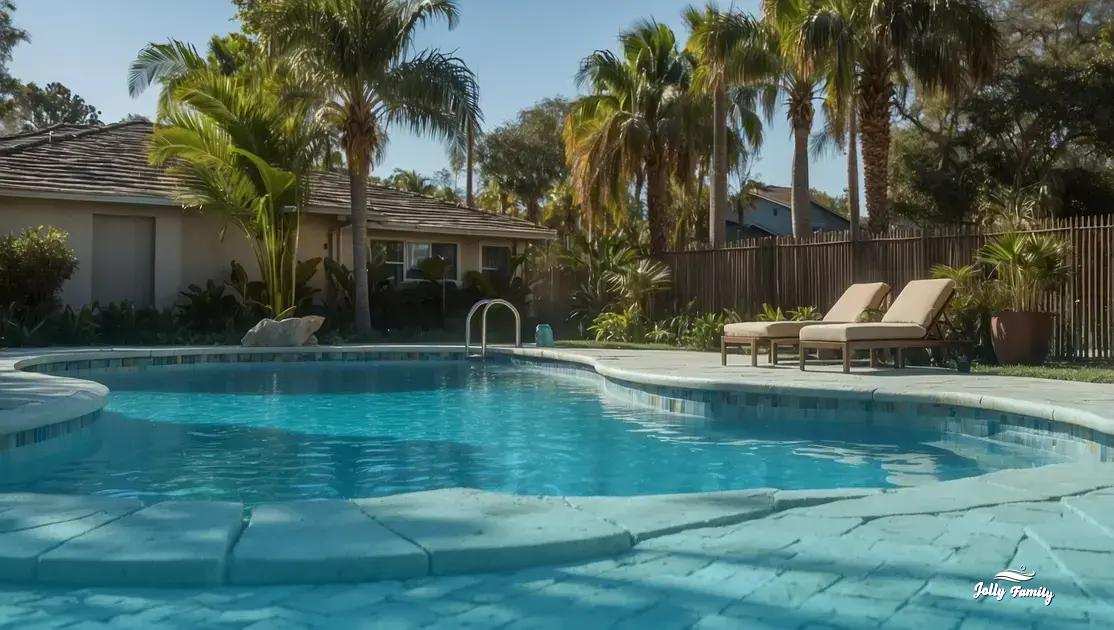
Weekly pool service makes sense when your pool needs regular attention due to use, location or equipment. It keeps water safe and cuts the chance of costly surprises.
high use or rental properties
If you host kids, parties or rent the home short-term, sanitizer levels drop faster. Weekly visits keep chlorine steady, prevent cloudy water and reduce health risks.
tree-lined lots and heavy debris
Properties with palms, oaks or nearby landscaping get more leaves and pollen. Frequent skimming and filter care stop clogs and algae before they spread.
warm, rainy climate and storm season
Florida’s heat and storms speed algae growth and chemical swings. Weekly balancing after rain or high bather load avoids repeated shock treatments.
complex systems and heated pools
Pools with heaters, salt cells, automation or large filters benefit from routine inspections. Technicians spot leaks, worn seals and electrical issues early.
limited time or desire for convenience
If you lack time or prefer predictability, a weekly plan saves hours and gives a steady monthly cost. It also provides documented chemical logs for peace of mind.
liability and safety needs
HOAs, rentals or older owners often need reliable service to reduce slipping hazards, faulty ladders or broken drains. Regular checks help meet safety expectations and lower risk.
Ask your provider: what’s included, how they report visits, and which repairs cost extra so you can match the plan to your property’s needs.
how Jolly Family structures weekly visits in Kissimmee
Technicians from Jolly Family follow a clear, repeatable routine during weekly visits in Kissimmee to keep pools safe and reliable. Each visit focuses on cleaning, testing, inspection and clear documentation so problems are caught early.
arrival and client check-in
On arrival, the tech checks access and greets the homeowner if present. They note weather or recent events that affect the pool and open a digital log or tablet to record the visit.
cleaning and debris removal
The visit includes surface skimming, emptying skimmer and pump baskets, brushing walls and vacuuming as needed. Quick cleaning stops leaves and pollen from clogging filters in Kissimmee’s tree-lined yards.
water testing and adjustments
Technicians measure pH, sanitizer, alkalinity and calcium hardness with handheld meters and strips. They add chemicals to balance levels and document readings so trends are easy to track.
equipment inspection and routine care
Techs inspect the pump, filter, heater, salt cell and automation. They perform filter backwash or cleaning when required and tighten fittings or replace minor parts to avoid bigger failures.
reporting and recommendations
After work, Jolly Family records chemical values and notes on the digital log. The tech sends a friendly summary to the owner with any recommended repairs, photos of issues, and clear pricing for extras.
flexible extras and seasonal actions
Weekly visits include routine algaecide and occasional shock after storms. For hurricane season or heavy pollen weeks, the team adjusts frequency and offers add-ons like acid washes or emergency service if needed.
Tip: Ask for a copy of the visit log each month to see chemical trends and confirm the value of regular care.
tips to get the most value from weekly pool care

Small changes and clear communication help you get the most value from weekly pool care. Coordinate with your provider and follow a few simple practices to keep costs down and water reliable.
review the service agreement
Ask what the weekly fee covers and what counts as an extra. Knowing inclusions prevents surprise bills for parts, emergency calls, or heavy cleanings.
request digital visit logs
Insist on written or digital reports with chemical readings and notes. Logs show trends and prove the service you paid for.
time visits around storms and heavy use
Schedule extra attention before holiday weekends or after storms. A planned shock or filter clean can save repeated emergency fixes.
bundle seasonal services
Combine needed add-ons into a seasonal plan—acid wash, heater checks or hurricane prep—to get better pricing and consistent care.
do simple daily tasks between visits
Perform easy chores like skimming surface debris, running the pump as recommended, and keeping the area clear. Small effort from you reduces technician time and chemical waste.
communicate issues promptly
Report odd noises, leaks or cloudy water right away. Early fixes cost less than repairs after equipment fails. Ask for photos and clear price estimates before work begins.
- Tip: Compare annual costs, not just monthly rates.
- Tip: Negotiate a trial period or a satisfaction guarantee.
- Tip: Keep pool toys and debris away from the skimmer before a visit.
Is weekly pool service worth it in Florida?
Weekly service often makes sense in Florida. The hot, rainy weather and heavy use can push water out of balance fast. Regular visits keep water safe and help equipment last longer.
If you value time, steady water quality, and fewer surprise repairs, weekly care usually pays off. For a rarely used or well-shaded pool, occasional maintenance can work if you test and adjust chemicals yourself.
Ask providers for a clear list of what’s included, digital visit logs, and prices for extras. Compare annual costs, not just per-visit rates, and try a short trial to judge real value.
In short, weekly pool service is often worth it in Florida when you want convenience, consistent water, and lower long-term repair risk.
FAQ – Weekly pool service in Florida
How much does weekly pool service typically cost in Florida?
Costs vary by pool size and location, but expect a predictable monthly fee. Compare annual costs, not just per-visit prices, to see real value.
What does a standard weekly service include?
Most plans cover skimming, emptying baskets, brushing, basic vacuuming, testing and adjusting chemicals, plus a routine equipment check.
Can weekly service prevent major repairs?
Yes. Regular inspections catch small issues early, which often prevents bigger, more expensive failures to pumps, filters, and heaters.
When is occasional maintenance enough instead of weekly service?
Occasional care can work for rarely used, well-shaded pools or owners who test and balance water themselves and perform basic cleaning.
What should I ask a pool service provider before hiring?
Ask what’s included, which repairs cost extra, how they document visits, emergency-call policies, and whether they offer trial periods or guarantees.
How can I get the most value from a weekly plan?
Request digital visit logs, time visits around heavy use or storms, do small daily tasks like skimming, and bundle seasonal services for discounts.