
How do I maintain proper pool pH? Maintaining proper pool pH is crucial for a safe swimming experience. It refers to balancing the acidity or alkalinity of your pool water.
How do I maintain proper pool pH? This question is vital for every pool owner who wants to ensure a safe and enjoyable swimming environment. In this post, we’ll uncover the essential steps to properly balance your pool’s pH levels. You’ll learn about the ideal pH range, how to test your water, and what adjustments are necessary to keep your pool in top shape. By the end of this article, you’ll have the knowledge to tackle pool maintenance confidently and effectively. Let’s dive in!

Are you struggling to keep your pool water clean, clear, and safe? Maintaining the proper pH levels is essential for any pool owner. In this article, we’ll explore everything you need to know about maintaining the right pool pH, ensuring that your swimming environment is not only enjoyable but also healthy.
Understanding Pool Water Chemistry: The Basics You Need to Know
Understanding the fundamental concepts of pool water chemistry is crucial for effective maintenance. The pH level measures how acidic or alkaline your pool water is, on a scale of 0 to 14, with 7 being neutral. For pool water, the ideal pH range is typically between 7.2 and 7.8. This range is vital because it helps protect both swimmers and the pool equipment. Regularly monitoring your pool’s pH ensures a clean and safe swimming environment, preventing issues such as corrosion, algae growth, and skin irritation.
The Importance of pH Balance: Why It Matters for Your Pool
Maintaining balanced pH levels in your pool has numerous benefits. Firstly, it affects water clarity; imbalanced pH can lead to cloudy water that detracts from your pool’s appeal. Secondly, a proper pH level enhances swimmer comfort. Water that is too acidic can cause skin and eye irritation, while alkaline water can lead to scale formation and cloudy water. In the long run, proactive pH management not only improves the swimming experience but also reduces the need for extensive maintenance, saving time and money.
Key Factors to Consider When Monitoring Pool pH Levels
When assessing pH levels, several critical factors come into play:
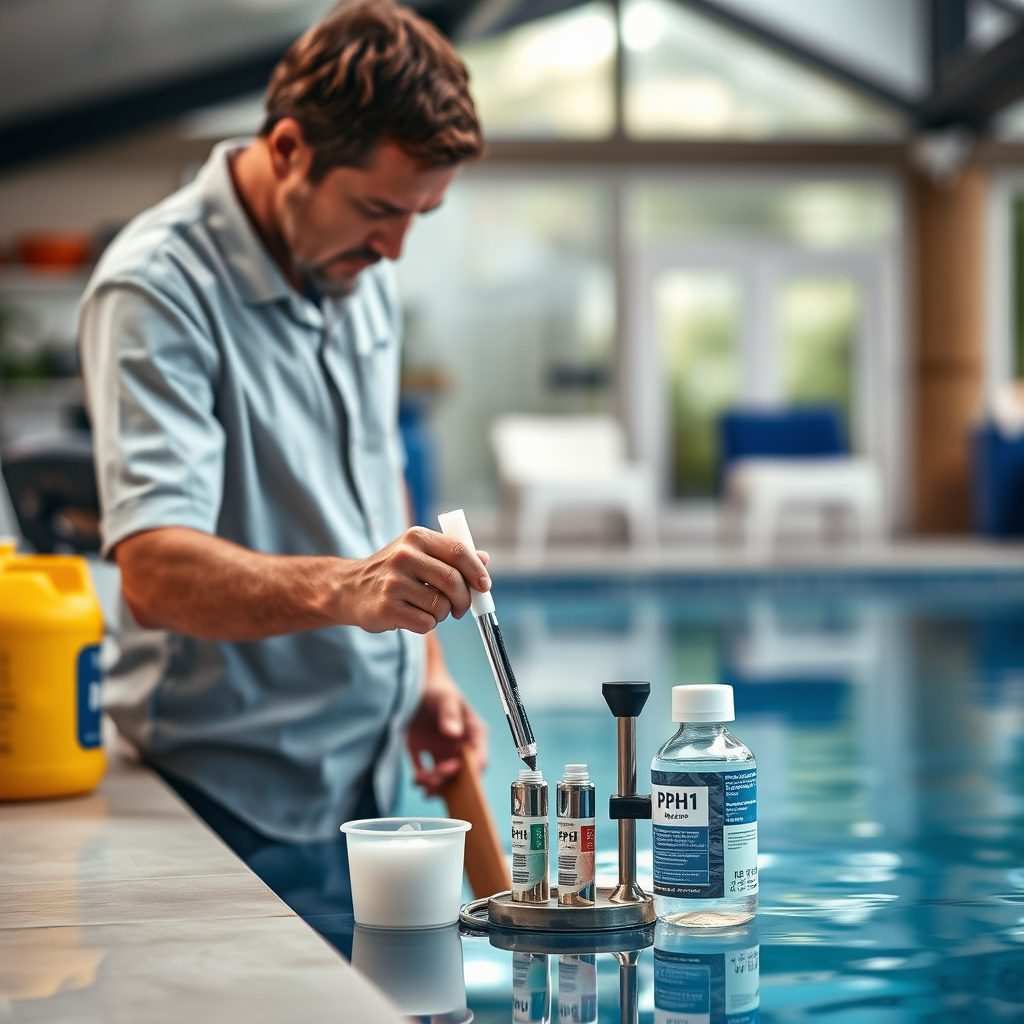
- Testing Tools: Use reliable pH test kits or digital testers to get accurate readings.
- Environmental Factors: Temperature and rainfall can significantly influence pH readings, so consider these variables when testing.
- Water Source: The water you use to fill your pool can already have a certain pH level, so be aware of its initial state.
Step-by-Step Guide to Achieving the Perfect pH Balance
Achieving and maintaining the perfect pH balance in your pool can be a straightforward process if you follow these steps:
- Test the Water: Use your pH testing kit to check the current pH level.
- Add Chemicals: If the pH is below 7.2, add a pH increaser; if it’s above 7.8, use a pH decreaser.
- Circulate the Water: Allow the pool pump to run for several hours to evenly distribute the chemicals.
- Retest: After a day, retest the water to ensure the pH is within the ideal range.
Advanced Techniques for Expert-Level Pool pH Management
For those looking to elevate their pool maintenance game, consider these advanced techniques:
- Automated Monitoring Systems: Investing in a system that automatically tests and adjusts pH levels can save time and effort.
- Seasonal Adjustments: Be mindful of seasonal changes that may affect pH levels, adjusting your maintenance routine accordingly.
- Proactive Maintenance Strategies: Regularly schedule professional cleaning and maintenance services to keep your pool in top shape.
Common Pitfalls in Pool pH Management and How to Avoid Them
Even seasoned pool owners can make mistakes. Here are common pitfalls and how to sidestep them:
- Miscalculations: Always double-check your pH readings and chemical measurements.
- Improper Chemical Use: Follow the manufacturer’s instructions on chemical products carefully.
- Timing of Treatments: Avoid adding chemicals just before swimming; wait until the levels stabilize.
Conclusion
Maintaining proper pH levels is not just a chore; it’s a crucial aspect of pool ownership that affects health, comfort, and maintenance costs. By understanding the basics, recognizing the importance of balance, and employing proactive management strategies, you can ensure your pool remains a safe and inviting oasis. Take these tips to heart, and enjoy a sparkling, well-maintained pool!
Our Expertise in Pool Maintenance
With over 10 years in the pool cleaning industry, Jolly Family has developed a deep understanding of pool water treatment, preventative maintenance of pool decks and equipment, and filter and pump cleaning. Our experience in areas such as Davenport, Kissimmee, Celebration, Saint Cloud, and beyond positions us as a reliable source for all your needs regarding how do I maintain proper pool pH?
Our Location: 9102 Hotoon Way – Devenport – Orlando – Florida
Frequently Asked Questions
What is the ideal pH level for a swimming pool?
The ideal pH level for a swimming pool is between 7.2 and 7.8. Maintaining this range ensures that the water is comfortable for swimmers and helps to protect pool equipment and surfaces from damage.
How often should I test my pool's pH?
You should test your pool's pH at least 1-2 times a week, and more frequently during heavy usage or after heavy rain. Regular testing helps to ensure that the pH levels remain balanced.
What can cause pH levels to fluctuate in a pool?
Several factors can cause pH levels to fluctuate, including rain, swimmer activity, chemicals added to the water, and debris. Regular maintenance and monitoring can help keep pH levels stable.
How do I raise or lower the pH in my pool?
To raise pH, add sodium carbonate (soda ash) to the water. To lower pH, use muriatic acid or sodium bisulfate. Always follow manufacturer instructions and test the water after adjustments.
What happens if the pH is too high or too low?
If the pH is too high (above 7.8), it can lead to cloudy water and scale formation. If it's too low (below 7.2), it can cause skin irritation and corrode pool equipment. Maintaining the correct pH is crucial for pool health.