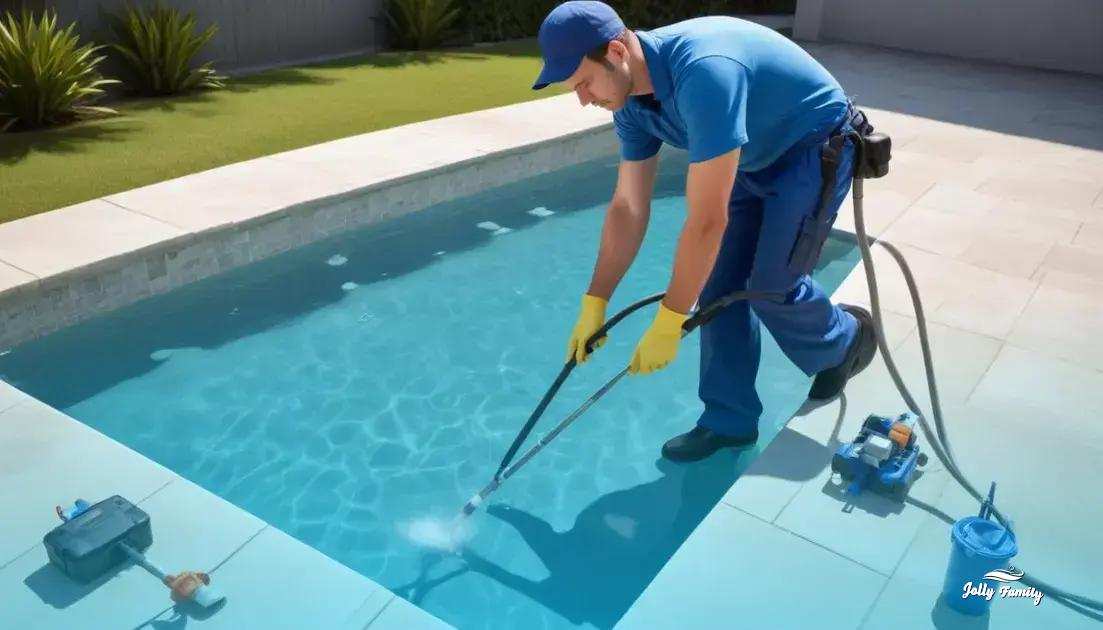

Pool care challenges in Florida’s climate include managing algae growth, balancing water chemistry, and maintaining equipment due to high temperatures and humidity.
Maintaining a pool in Florida can be quite a task, especially with its intense sun and humidity. The challenges of pool care challenges in Florida climate are real, but don’t worry! There are ways to tackle these issues effectively.
Understanding Florida’s unique climate effects on pools
Understanding how Florida’s unique climate affects pools is crucial for effective maintenance. The warm sunshine and high humidity levels can lead to several challenges that require special attention.
One major issue is algae growth, which thrives in warm waters. To combat this, regular cleaning and checking chemical levels are essential. It’s recommended to test the water at least once a week, adjusting chlorine levels as needed to prevent algae from taking hold.
Another challenge is pool evaporation. Because of the intense heat, pools can lose significant amounts of water. To minimize this, consider using a pool cover when the pool is not in use. This helps retain moisture and keeps the water temperature stable.
During the rainy season, pools may require additional monitoring. Heavy rains can dilute pool chemicals, leading to imbalanced water conditions. After a rain, it’s vital to check the pH and chlorine levels to ensure the water remains healthy for swimmers.
Climate-specific maintenance tips
To keep your pool in optimal condition throughout Florida’s changing weather, follow these tips:
- Use a reliable pool skimmer to remove debris frequently.
- Inspect and maintain your pool filter regularly to ensure it operates effectively.
- Consider using algaecides during peak algae season to keep the water clear.
- Monitor for leaf and dirt buildup after storms and clean promptly.
By understanding these climate effects and adapting your maintenance routine accordingly, you can ensure your pool remains a refreshing oasis in the Florida heat.
Common pool maintenance issues in Florida
Maintaining a pool in Florida is not without its challenges. Understanding the common pool maintenance issues in Florida can help you address them promptly and keep your pool safe and enjoyable.
One frequent problem is water chemistry imbalance. The high temperatures and humidity in Florida can cause chlorine to dissipate more quickly, leading to algae growth and murky water. It’s essential to test your pool’s water regularly and adjust the chemical levels accordingly, ensuring that chlorine and pH levels are within the recommended ranges.
Another issue is clogged filters. With leaves, dirt, and debris accumulating faster in sunny weather, pool filters can become overwhelmed. Regular cleaning and maintenance of the filter system are vital to ensure that your pool’s water circulates efficiently.
Equipment failure due to harsh weather conditions is also a concern. Pump and heater malfunctions can lead to water stagnation and discomfort. Schedule regular inspections and maintenance to avoid unexpected breakdowns.
Seasonal challenges
During the hurricane season, pools can be filled with a lot of debris. Ensure you have a plan for cleaning up your pool after storms. Use a pool cover and make sure any loose items around the pool area are secured to prevent damage.
In the hot summer months, pool evaporation can lead to a significant drop in water levels. Check and refill your pool regularly to avoid any strain on the pump and maintain a safe swimming environment.
Best practices for water treatment in high heat
Water treatment in Florida’s high heat is crucial for maintaining a clean and safe swimming environment. These best practices for water treatment will help you keep your pool in top shape.
Firstly, regularly testing your pool’s water is essential. Use a reliable test kit at least once a week to check for chlorine levels, pH balance, and alkalinity. In hot weather, chlorine can dissipate quickly, making it important to adjust levels proactively.
Consider using a stabilizer to protect chlorine from the sun’s UV rays. Cyanuric acid is a common stabilizer that helps maintain proper chlorine levels, reducing the need for frequent additions of chlorine.
In addition, during the hot summer months, increase your pool’s filtering time. Running the pump for at least 10 to 12 hours a day helps to circulate the water and enhances chemical distribution, which is critical for preventing algae growth.
Preventing scaling and stains
High temperatures can lead to mineral deposits, which may cause scaling and stains. Regularly brushing the walls and floor of your pool helps to remove any buildup before it becomes a problem. If you notice stains, consider using a stain remover specifically formulated for pools.
Lastly, keep your pool covered when not in use. This helps to reduce evaporation and keeps debris out. A solar cover can even help retain heat and further assists in maintaining optimal water conditions.
How to balance pool chemicals effectively
Balancing pool chemicals effectively is essential for maintaining a safe and clean swimming environment. Here are some straightforward steps to achieve this:
First, start by testing the pool water using a reliable pool test kit or test strips. Check the pH level, chlorine level, and alkalinity. Ideal pH levels should be between 7.4 and 7.6. If the pH is too low, add a pH increaser likely in the form of soda ash. Conversely, if it’s too high, use a pH decreaser such as muriatic acid.
Next, to manage chlorine levels, aim for a range between 1 to 3 parts per million (ppm). If chlorine levels are low, adding chlorine tablets or granules can be effective. For high levels, consider skipping a chlorine addition on the next treatment day or using a chlorine-neutralizer.
Finding the right alkalinity
Alkalinity acts as a buffer for pH, helping to stabilize it. The ideal alkalinity range is between 80 to 120 ppm. If the alkalinity is too low, add sodium bicarbonate (baking soda) to raise it. If too high, you can lower it by adding muriatic acid or by allowing the pool water to aerate.
It’s essential to wait after adding chemicals to ensure they disperse properly. Run your pool pump for a few hours and retest the water. Regular testing, ideally 1-2 times per week, will help keep your pool water balanced.
Finally, maintaining a consistent schedule for chemical testing and adjustments will lead to better water quality and prolong the life of your pool equipment. Balancing pool chemicals effectively not only ensures a healthy swimming environment but also enhances the enjoyment of your pool.
Tips for ensuring pool safety in humid conditions
Ensuring pool safety in humid conditions is essential for a fun and worry-free swimming experience. Here are some helpful tips for ensuring pool safety:
First, always keep a close eye on children when they are in or near the pool. Designate a responsible adult as the watcher who is focused on the swimmers. Avoid distractions like phones or conversations during this time.
Next, be sure to install safety barriers around the pool. Fences that are at least 4 feet tall and self-closing gates can help prevent unauthorized access, especially by young children. Consider adding alarms for extra security.
In addition, ensure that swimmers know the pool rules and the importance of not running near the pool edge. Slips and falls can occur easily, especially in humid conditions when surfaces may be slippery. Have a visible sign displaying the rules near the pool area.
Emergency preparedness
Equip your pool area with a first aid kit and a life ring or floatation device. Having these items readily available can make a difference during emergencies. Regularly check your first aid kit to ensure everything is up-to-date and functional.
Lastly, consider hosting regular swimming safety education sessions for family and friends. Teaching basic swimming skills, rescue techniques, and the importance of water safety awareness can empower everyone to act responsibly around the pool.
In summary, ensuring optimal pool care in Florida’s climate
Pool care in Florida presents unique challenges due to its warm and humid environment. By understanding common issues like algae growth, chemical imbalances, and equipment maintenance, you can implement effective solutions.
Following best practices for water treatment, balancing chemicals correctly, and promoting safety measures will help you maintain a clean, enjoyable swimming area. Regular upkeep and being proactive can protect your investment and ensure the safety of all swimmers.
With the right knowledge and dedication, you can keep your pool a refreshing oasis in the Florida heat.
FAQ – Frequently Asked Questions About Pool Care in Florida
What are the most common pool maintenance issues in Florida?
Common issues include algae growth, water chemistry imbalances, and clogged filters due to debris accumulation.
How often should I test my pool water?
It is recommended to test your pool water at least once a week to ensure proper chemical balance and cleanliness.
What are the best practices for chemical treatment in high heat?
Use a stabilizer for chlorine, increase filtering time, and regularly check and adjust pH and alkalinity levels to maintain balance.
How can I ensure safety around my pool?
Install safety barriers, supervise children, clearly post pool rules, and keep a first aid kit readily available.
What steps can I take to prevent algae growth in my pool?
To prevent algae, regularly clean your pool, maintain proper chemical levels, and consider using algaecides when needed.
Should I cover my pool when not in use?
Yes, using a cover helps reduce evaporation, keeps debris out, and can maintain water temperature.