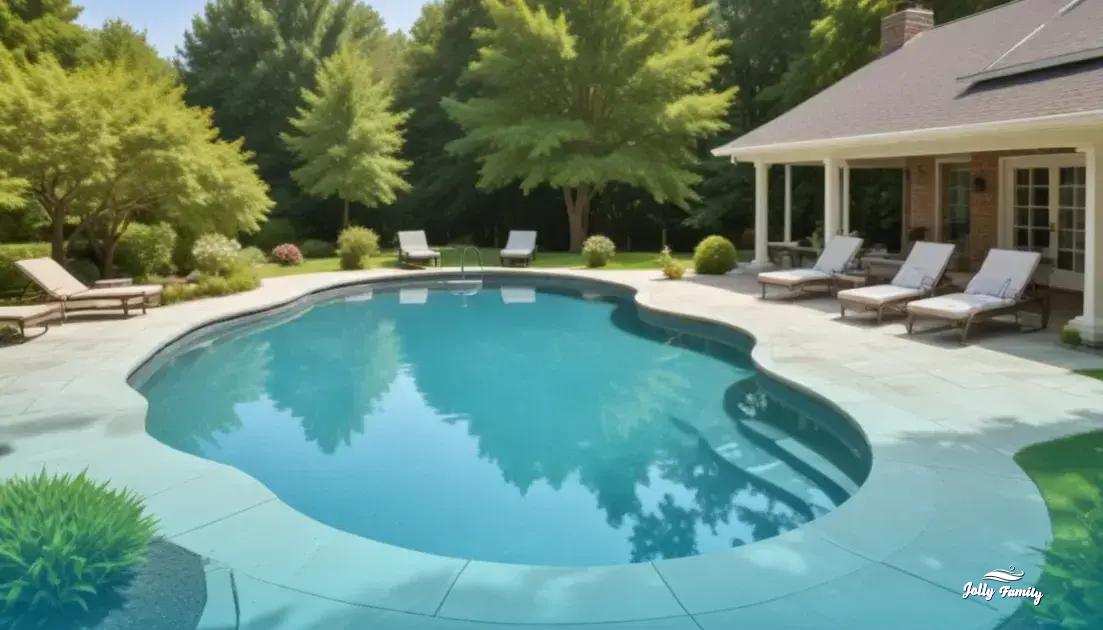

To address pool care problems effectively, maintain proper chemical balance, perform routine maintenance, and recognize signs that require professional help, ensuring a safe and enjoyable swimming environment.
Have you ever faced unexpected pool care problems? It’s frustrating, isn’t it? Many homeowners do, but luckily, there are professional solutions that can help you avoid common pitfalls while keeping your pool in top shape.
Identifying common pool care problems
Identifying common pool care problems is crucial for maintaining a clean and safe swimming environment. Many pool owners encounter issues that can turn their enjoyment into frustration. Here are some frequent problems to look out for:
Cloudy Water
One of the first signs of trouble is cloudy water. This can be caused by poor filtration, unbalanced chemicals, or algae growth. Regular testing of water pH and chlorine levels can help prevent this issue.
Algae Build-Up
Algae can thrive in pools when conditions are right. If you notice green, blue, or black stains, this is a clear indication. Keeping your pool water properly sanitized and maintaining circulation can help keep algae at bay.
Unpleasant Odors
Strong or unpleasant odors can signal issues with your pool’s chemistry. If you smell a strong chlorine scent, it might indicate chloramines, which are formed when chlorine combines with body oils, sweat, and other contaminants.
Stains and Scale
Stains can accumulate on the walls and floor of your pool, often resulting from metals in the water or organic matter. Meanwhile, scale can form due to hard water deposits. Regular cleaning and balancing of water hardness can help manage these issues.
Equipment Malfunctions
Pumps, filters, and heaters are essential parts of your pool system. If any of these are not functioning correctly, it can lead to major problems. Listen for unusual sounds and watch for reduced water circulation as potential warning signs.
The importance of chemical balance
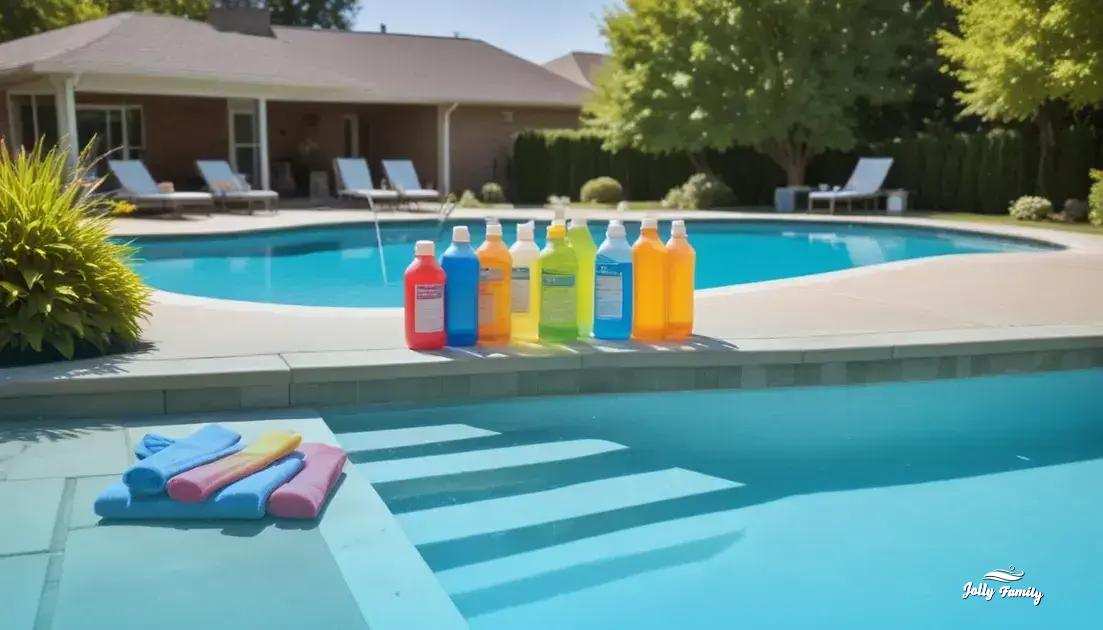
The importance of chemical balance in pool care cannot be overstated. Properly balanced water not only keeps your pool clear and inviting but also protects your pool equipment and ensures swimmers’ safety.
pH Levels
Maintaining the correct pH level is vital. The ideal pH range is between 7.2 and 7.8. If pH is too low, it can cause corrosion of pool surfaces and equipment. If it’s too high, it can lead to cloudy water and reduced effectiveness of chlorine.
Chlorine Concentration
Chlorine is essential for sanitizing pool water. The recommended level is between 1 and 3 parts per million (ppm). Low chlorine levels can lead to algae growth and bacteria, while high levels can irritate skin and eyes.
Alkalinity
This measures your pool water’s ability to resist pH changes. The ideal range for total alkalinity is 80 to 120 ppm. Proper alkalinity helps stabilize pH levels and prevents sudden fluctuations.
Calcium Hardness
Calcium hardness should be between 200 and 400 ppm. Low calcium levels can lead to etching of surfaces, while high levels may cause scale buildup on pool walls and equipment.
Regular Testing
To maintain chemical balance, regular testing is key. Use a reliable pool testing kit at least once a week. This ensures you can adjust any imbalances quickly and keep your pool safe and enjoyable.
Signs you need professional help
Recognizing the signs you need professional help with your pool can save you time and money in the long run. While regular maintenance is essential, certain issues require the expertise of skilled technicians. Here are some key indicators:
Persistent Algae Growth
If you find that algae keeps returning despite regular cleaning and chemical balancing, it may be a sign of an underlying problem. Professionals can identify the cause, whether it’s inadequate filtration or poor chemical levels.
Heavy Equipment Malfunctions
When pool equipment like pumps, heaters, or filters consistently malfunctions, it’s important to seek professional help. These experts can diagnose issues that may be beyond a typical DIY fix.
Water Clarity Issues
If your water remains cloudy or discolored despite treatment, this could indicate a serious problem. Professionals have access to advanced testing methods and solutions that can restore your pool’s clarity.
Complex Chemical Imbalances
When you struggle to maintain proper chemical levels or you frequently have fluctuating pH, it may be best to consult a professional. They can create a tailored treatment plan to stabilize your pool’s chemistry.
Sizeable Repairs Needed
For major repairs, like cracks in the pool structure or significant plumbing leaks, hiring a professional is critical. Attempting these repairs without expertise can lead to larger, costlier problems.
Routine maintenance for stress-free pool care
Routine maintenance is key for stress-free pool care. By following a regular schedule, you can keep your pool clean, clear, and safe for swimming. Here are some essential maintenance tasks:
Daily Checks
Every day, take a few minutes to inspect your pool. Look for debris, leaves, or dirt that may have accumulated. Use a skimmer net to remove floating debris and ensure your pool looks inviting.
Weekly Cleaning
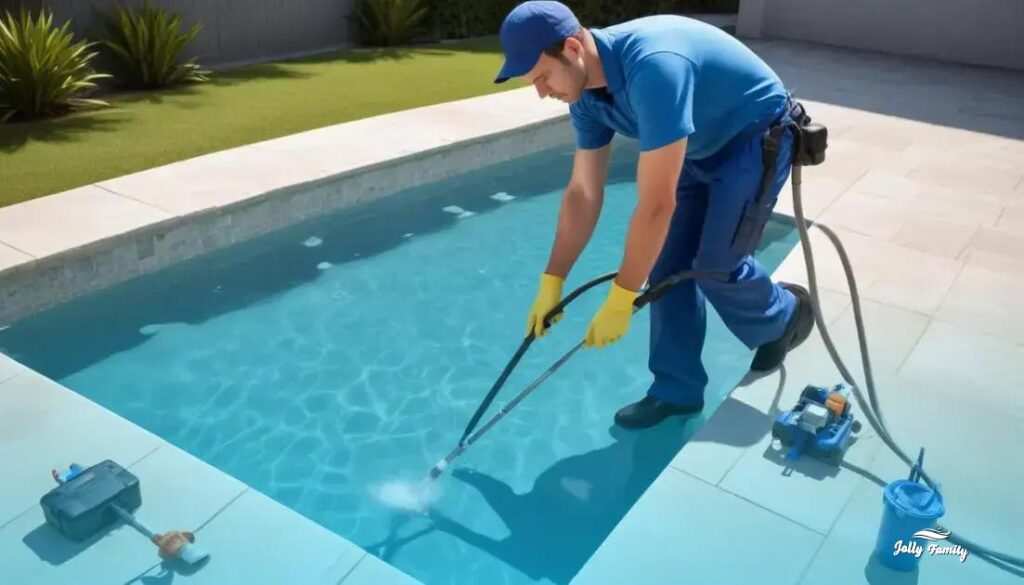
Conduct a more thorough cleaning once a week. This includes vacuuming the bottom, brushing the walls, and checking the skimmer and pump baskets. A clean pool helps maintain water quality and keeps chemicals balanced.
Chemical Balancing
Regularly test your water chemistry and adjust chemicals as needed. This includes checking pH, chlorine, alkalinity, and calcium levels. Maintaining these levels ensures the safety and clarity of your swimming pool.
Filter Maintenance
Cleaning or replacing your pool filter is crucial for optimal performance. Check your filter every month and clean it as required. A well-functioning filter removes impurities and helps keep the water crystal clear.
Seasonal Preparation
At the start and end of the swimming season, perform additional maintenance tasks. This includes opening or closing your pool correctly, checking for any damages, and ensuring all equipment is in working order.
Choosing the right pool care service
Choosing the right pool care service is essential for maintaining your pool’s condition and ensuring a safe swimming environment. With numerous options available, it’s important to consider several factors before making a decision.
Assess Qualifications and Experience
Start by looking for companies with certified professionals. Check their qualifications, certifications, and how long they have been in business. Experienced technicians will have a good understanding of various pool types and the challenges that come with each.
Read Reviews and Get Referrals
Customer reviews can provide valuable insights. Ask for referrals from friends or family who have used pool services. Online platforms can also help you gauge a company’s reputation based on customer feedback.
Services Offered
Ensure the company offers a comprehensive range of services, including cleaning, chemical balancing, repairs, and seasonal maintenance. A one-stop service can simplify your pool maintenance and save you time.
Pricing and Contracts
Request estimates from multiple companies to compare prices. Be cautious of any lingering contracts and understand your payment options. Transparency in costs can help you avoid hidden fees and unexpected charges.
Customer Service
Evaluate their customer service approach. A reliable pool care service should be responsive, approachable, and willing to answer your questions. Strong communication is key to ensure your needs are understood and addressed.
In conclusion, maintaining your pool with the right care is essential
Proper pool care ensures a clean and safe environment for you and your family. By understanding common problems, chemical balances, and signs that you need professional help, you can keep your pool in top shape.
Routine maintenance, along with choosing the right pool care service, can greatly reduce stress and enhance your swimming experience. With the right knowledge and resources, pool ownership can be enjoyable and hassle-free.
Don’t hesitate to seek help when needed and always stay informed about the best practices for your pool care needs.
FAQ – Frequently Asked Questions about Pool Care
What are the common signs that my pool needs professional help?
Common signs include persistent algae growth, cloudy or discolored water, equipment malfunctions, and significant fluctuations in water chemistry.
How often should I test my pool water?
You should test your pool water at least once a week to ensure proper chemical balance and clarity.
What routine maintenance tasks should I perform for my pool?
Key routine maintenance tasks include skimming debris daily, vacuuming weekly, checking chemical levels regularly, and cleaning or replacing the pool filter as needed.
How do I choose the right pool care service?
Look for certified professionals, read customer reviews, compare services offered, check pricing and contracts, and assess their customer service.
What is the importance of chemical balance in pool care?
Chemical balance is crucial for keeping water safe and clear, preventing algae growth, and protecting your pool equipment from damage.
What should I do if my pool water remains cloudy despite treatment?
If your pool water is persistently cloudy, it might be time to consult a professional who can assess the issue’s underlying cause and provide expert solutions.