
Pool chemical imbalance symptoms include cloudy water, algae growth, skin irritation, and strong chemical odors, which indicate the need for immediate testing and adjustments to maintain a safe swimming environment.
Pool chemical imbalance symptoms can lead to problems you might not even notice at first. Curious about how to identify these issues? Let’s dive into the signs that your pool needs attention.
Understanding pool chemical imbalance
Understanding pool chemical imbalance is crucial for maintaining a clean and safe swimming environment. Imbalances can lead to cloudy water, algae growth, and skin or eye irritation. There are several key factors that contribute to chemical imbalances, including pH levels, alkalinity, and chlorine concentration.
pH Levels
The pH level of pool water indicates its acidity or alkalinity. Ideally, it should be between 7.2 and 7.8. If the pH is too low, the water becomes acidic, which can damage pool surfaces and cause skin irritation. Conversely, a high pH level can reduce chlorine’s effectiveness in sanitizing the water.
Alkalinity
Alkalinity acts as a buffer for pH levels, helping to keep them stable. The ideal range for total alkalinity in pools is between 80 and 120 ppm (parts per million). Low alkalinity can cause pH levels to fluctuate. In contrast, high alkalinity can lead to cloudy water and scale buildup on surfaces.
Chlorine Concentration
Chlorine is vital for keeping pool water safe by killing harmful bacteria and pathogens. The recommended chlorine levels are between 1 and 3 ppm. Low chlorine levels can lead to algae growth and infections, while too much chlorine can irritate the skin and eyes.
Regularly testing your pool water for these chemicals is essential. By understanding the signs of imbalance, you can take appropriate measures to maintain your pool’s health.
Common symptoms of chemical imbalance
Identifying the common symptoms of chemical imbalance in your pool is essential for keeping the water safe and enjoyable. Here are some key symptoms to watch for:
Cloudy Water
One of the most visible signs of a chemical imbalance is cloudy water. This condition can occur when the chlorine levels are too low or when the pH is imbalanced. Cloudy water can make swimming unsafe and unattractive.
Algae Growth
Another clear indicator is algae growth. If you notice green or brown patches on the pool walls or water surface, it’s likely due to insufficient chlorine levels or poor water balance. Algae not only looks unsightly but can also be slippery and hazardous.
Irritation
Skin or eye irritation is a common issue caused by imbalanced chemicals, especially with high chlorine levels. If swimmers experience burning eyes or itchy skin, it may indicate that the chlorine concentration is out of the recommended range.
Strong Chemical Odor
A strong and unpleasant chemical odor can be a sign that chlorine is combining with contaminants like sweat and dirt. This reaction can indicate that the chlorine levels are low, and the water is not adequately sanitized.
Unusual pH Levels
Frequent testing can reveal unusual pH levels. If the pH reads below 7.2 or above 7.8, it can lead to various issues, including corrosion of pool surfaces or ineffective sanitation measures.
Regular monitoring and timely adjustments can help prevent these symptoms, ensuring your pool remains a safe and enjoyable space for everyone.
How chemical imbalances affect pool water
How chemical imbalances affect pool water involves understanding the delicate balance of various chemicals required for a safe swimming experience. When these chemicals are out of balance, it can lead to several problems.
Water Clarity
Imbalanced chemicals can cause water clarity issues. When pH and chlorine levels aren’t optimal, the water may become cloudy or discolored. This not only affects aesthetics but also indicates potential health risks as contaminants may remain in the water.
Algae Growth
Insufficient sanitizer levels often lead to algae growth. This can make your pool slippery and unsafe. Algae thrives in poorly balanced water, especially when chlorine levels are low, creating an inviting environment for these organisms to flourish.
Corrosion and Scaling
High or low pH levels can result in corrosion of pool surfaces, such as tiles and metal fixtures, or in scaling, which is the buildup of minerals. Both conditions can damage your pool equipment and increase maintenance costs.
Swimmer Comfort
Swimmer comfort is greatly affected by chemical imbalances. High levels of chlorine can lead to skin and eye irritations, while unbalanced pH can cause discomfort, making the swimming experience less enjoyable.
Health Risks
Finally, poor chemical balance can pose serious health risks. High levels of contaminants and low sanitizer levels can lead to waterborne illnesses. Regular testing and balancing are crucial to avoid these risks.
Maintaining proper chemical levels is essential for ensuring that your pool remains a safe, enjoyable, and beautiful space for swimming.
Steps to correct chemical imbalances
Correcting chemical imbalances in your pool is essential for maintaining safe and clear water. Here are some steps to help you restore balance:
Test the Water
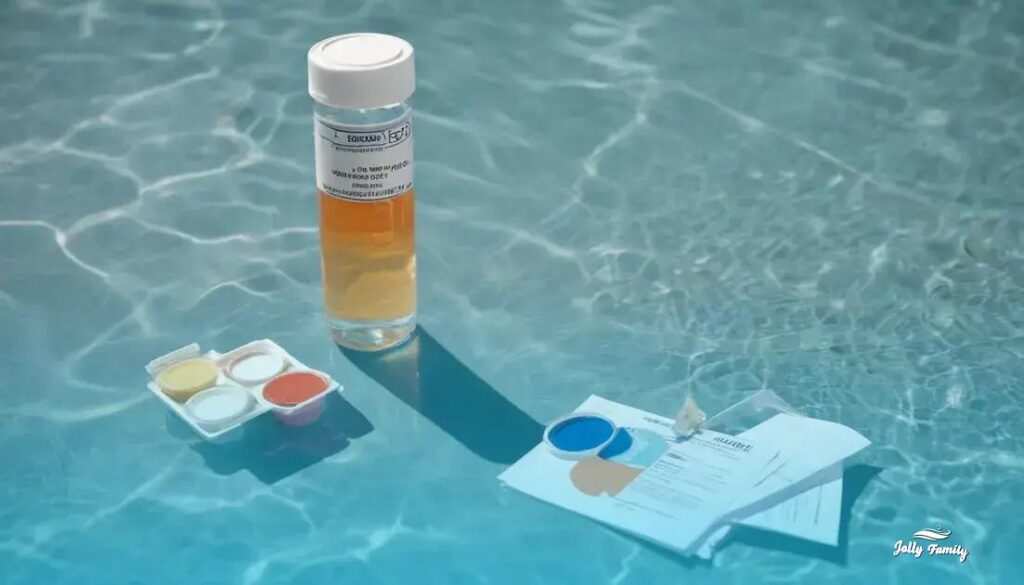
The first step is to test the water regularly. Use a reliable pool testing kit to check the pH, chlorine, alkalinity, and calcium hardness levels. Testing should be done at least once a week to ensure you stay ahead of any imbalances.
Adjust pH Levels
Once you have test results, you may need to adjust the pH levels. If the pH is below 7.2, add a pH increaser, such as sodium carbonate. If it’s above 7.8, use a pH decreaser, like sodium bisulfate. Aim for a pH level between 7.2 and 7.8 for optimal conditions.
Balance Alkalinity
Next, check the alkalinity. Total alkalinity should be between 80 and 120 ppm. If it’s too low, add an alkalinity increaser, usually sodium bicarbonate. For high alkalinity, you can add a pH decreaser to bring the levels down.
Chlorine Adjustment
Verify the chlorine levels next. Make sure they are between 1 and 3 ppm. If the levels are low, add chlorine tablets or liquid chlorine. In case they are too high, you can either dilute the pool water or wait for the chlorine to dissipate naturally.
Regular Maintenance
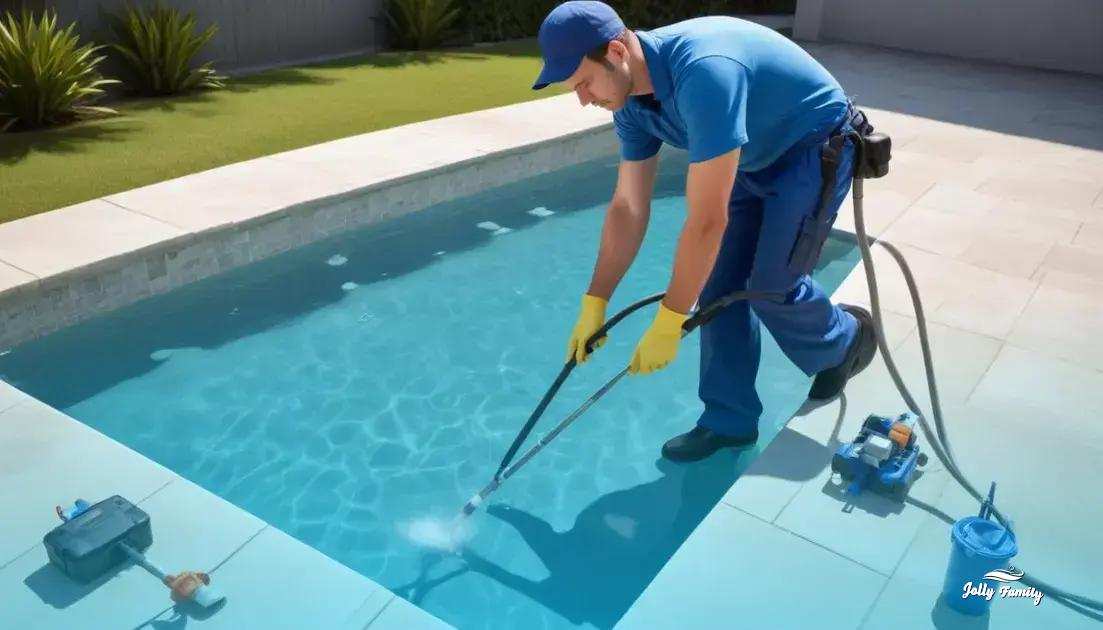
Finally, keep up with regular maintenance. This includes cleaning the pool filters, vacuuming the pool, and ensuring your pump runs as needed. A well-maintained pool requires less frequent chemical adjustments.
Following these steps can help you maintain a healthy and inviting swimming environment.
Long-term maintenance tips for pool health
For long-term maintenance of your pool’s health, consistency and attention to detail are key. Here are some effective tips to keep your pool in excellent condition:
Regular Water Testing
Test your pool water at least once a week to monitor chemical levels. Use a good testing kit to check pH, chlorine, alkalinity, and calcium hardness. This will help you make timely adjustments and prevent imbalances.
Skimming and Cleaning
Make it a habit to skim the surface daily to remove debris like leaves, bugs, and dirt. Additionally, brush the walls and floor of the pool regularly to prevent algae buildup and keep the surfaces clean.
Filter Maintenance
Your pool filter plays a crucial role in keeping the water clean. Clean or replace the filter as needed, typically every 1 to 3 months, depending on usage. A well-maintained filter ensures efficient water circulation and cleanliness.
Routine Equipment Checks
Inspect your pool equipment regularly to ensure everything is functioning properly. Look for any signs of wear and tear in your pump, heater, and skimmer. Addressing issues early can save you from costly repairs in the long run.
Balance Usage and Covering
If your pool sees heavy use, consider how this affects chemical balance. After large gatherings, be sure to test and adjust chemicals accordingly. Also, cover your pool when not in use to reduce debris and preserve water temperature, which can help maintain chemical stability.
By following these long-term maintenance tips, you can enjoy a healthier and more inviting swimming pool for years to come.
In summary, maintaining a balanced and clean pool is essential for health and enjoyment
Understanding the symptoms of chemical imbalance and the steps to correct them ensures a safe swimming environment.
Regular maintenance, including testing the water and keeping the pool clean, will lead to a beautiful and inviting space for you and your family.
By following the long-term maintenance tips shared, you can enjoy your pool while reducing the risk of problems in the future. A well-maintained pool is not only a source of fun but also a place for relaxation and refreshment.
Stay proactive, and your pool will be a great place to make memories!
FAQ – Frequently Asked Questions about Pool Chemical Maintenance
What are the common symptoms of a chemical imbalance in my pool?
Common symptoms include cloudy water, algae growth, skin or eye irritation, and a strong chemical odor.
How often should I test my pool water?
You should test your pool water at least once a week to monitor pH, chlorine levels, and alkalinity.
What is the ideal pH range for pool water?
The ideal pH range for pool water is between 7.2 and 7.8.
How can I correct high chlorine levels in my pool?
To correct high chlorine levels, you can dilute the pool water by adding fresh water or let the chlorine dissipate naturally.
What maintenance tasks should I perform regularly?
Regular maintenance tasks include skimming the surface, cleaning the filter, testing the water, and brushing the pool walls.
Can covering my pool help maintain chemical balance?
Yes, covering your pool when not in use helps reduce debris and can preserve water temperature, contributing to better chemical stability.