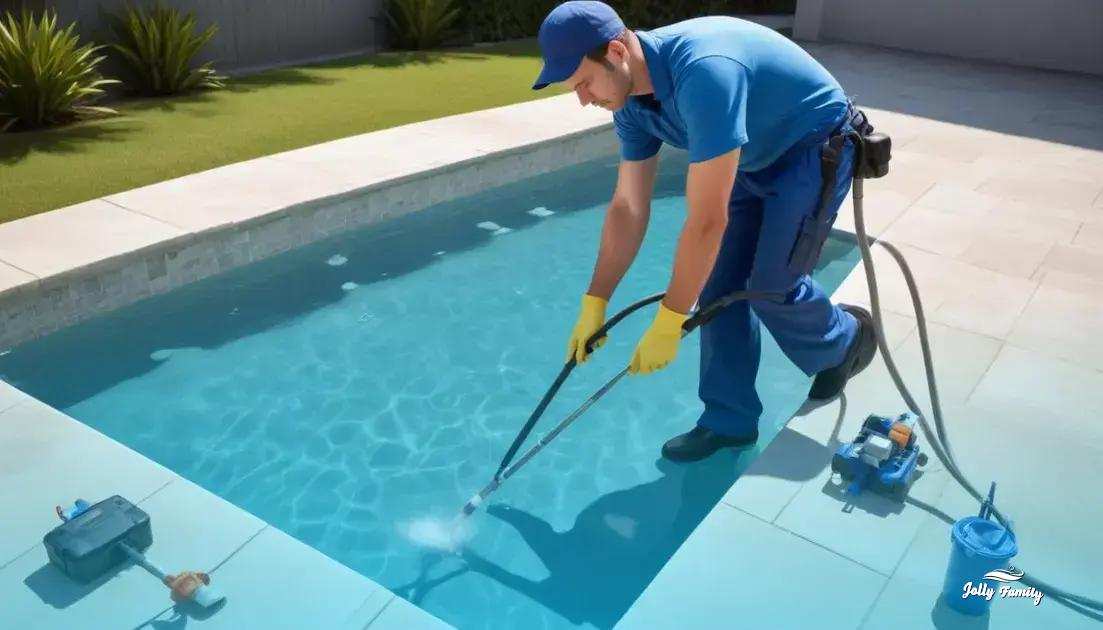

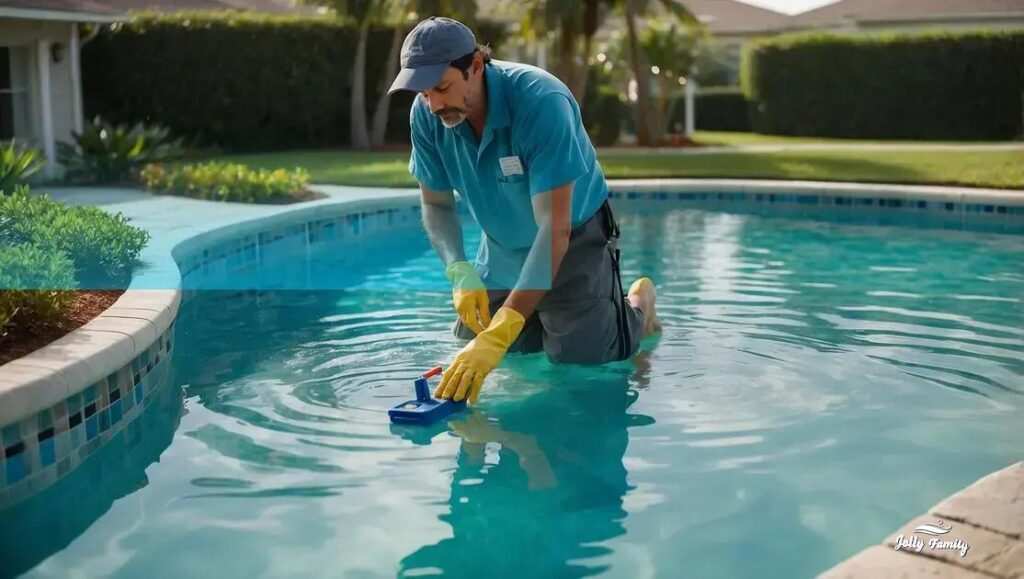
Pool Clean Service provides professional maintenance that restores water clarity, balances chemicals to safe ranges, inspects and tunes pumps and filters, removes debris and algae, documents work and recommends tailored schedules, preventing costly repairs, reducing health risks and keeping residential pools swim-ready in warm climates like Kissimmee.
Pool Clean Service keeps your pool clear in Kissimmee’s warm climate—where algae can appear fast. Want simple, on-time steps from a family-owned team like Jolly Family that actually work between visits?
Why regular pool cleaning matters in Kissimmee
In Kissimmee’s warm, humid weather, pools can go from clear to cloudy in days. Regular cleaning helps stop algae, bacteria, and debris from taking hold.
Health and safety
Dirty water can cause skin and ear irritation, eye redness, and stomach bugs. Keeping chemical levels balanced and removing contaminants reduces these risks and protects kids and pets.
Common warning signs
- Cloudy or green water within a few days after rain.
- Floating debris that returns after skimming.
- A strong chlorine smell or irritation after swimming.
- Visible algae stains on plaster or tile.
Savings and efficiency
Routine cleaning prevents expensive problems like filter clogs, pump damage, or replastering. Small fixes now often avoid long service outages and higher repair bills later.
Simple maintenance between pro visits
Do quick checks once a week: skim the surface, brush pool walls, and test chlorine and pH with a strip or kit. If levels are off, add the small dose recommended on the product label rather than guessing.
For fast response after heavy rain or storms, run the filter longer and remove debris right away. These easy steps help your regular service keep the pool truly ready for fun.
What a full professional pool clean includes
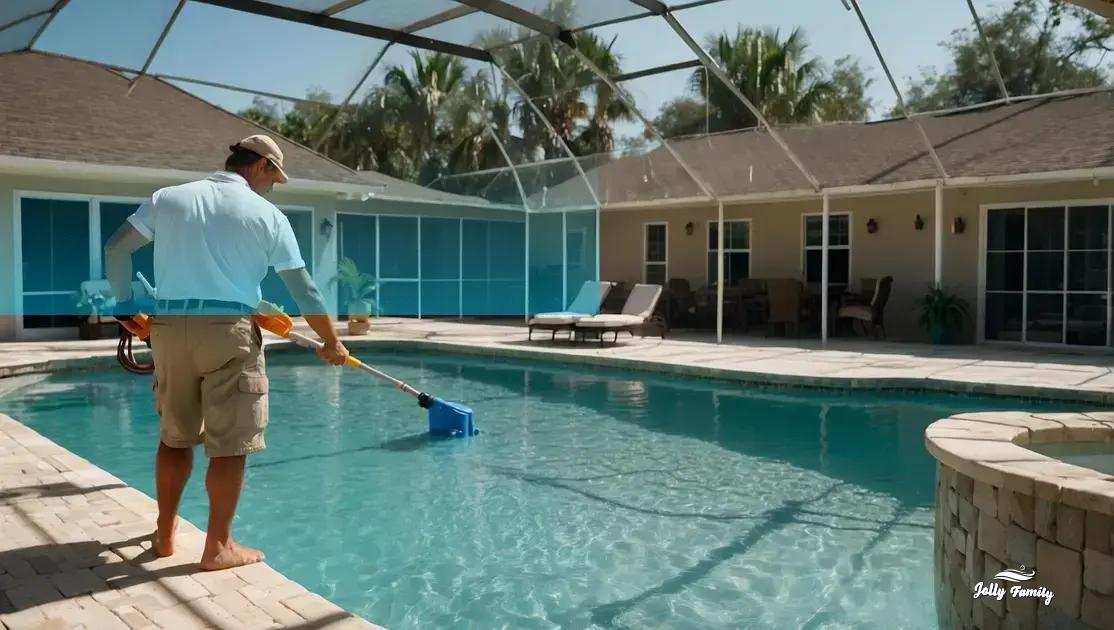
A full professional pool clean covers everything needed to restore water clarity, hygiene, and equipment performance. Technicians follow a checklist that targets visible debris, hidden buildup, and the chemical balance that keeps swimmers safe.
Step-by-step professional tasks
- Skimming and debris removal: technicians remove leaves, bugs, and floating dirt with a fine net to prevent filter clogging.
- Brushing and vacuuming: all walls, steps, and the pool floor are brushed and vacuumed to lift algae and sediment.
- Filter service: pumps and filters are inspected; cartridges are rinsed or sand/DE filters are backwashed and checked for wear.
- Water testing and balancing: pH, free chlorine, alkalinity, and calcium hardness are measured and adjusted to ideal ranges.
- Shock and algae treatment: if needed, pools are shocked or given a targeted algaecide to clear cloudy or green water.
- Tile and scum line cleaning: technicians remove scale and oils that collect at the waterline to restore appearance and prevent staining.
Equipment inspection and minor repairs
Pros inspect pumps, heaters, timers, and automatic cleaners for leaks, noisy bearings, or loose fittings. Small fixes like tightening unions, replacing O-rings, or clearing skimmer baskets are often done on the spot to avoid larger failures.
Documentation and tailored maintenance
After service, the team provides a checklist of work done and notes on water chemistry. They recommend a follow-up schedule based on pool size, bather load, and local weather. This helps keep service predictable and cost-effective.
What customers should expect
A standard full clean usually takes one to two hours for a typical residential pool. Expect clearer water, balanced chemistry, and a short report. Ask the technician about weekly or monthly plans if you want regular upkeep.
Understanding chemical balance: tests and fixes
Regular testing keeps pool water safe and swim-ready. Test frequently and adjust slowly so chemicals stay balanced and equipment runs smoothly.
Key tests and target ranges
- pH: ideal 7.2–7.6. Low pH causes corrosion and eye irritation; high pH reduces chlorine effectiveness.
- Free chlorine (FC): maintain 1–3 ppm for normal use. After heavy use or algae treatment, temporarily raise levels per product instructions.
- Total alkalinity (TA): target 80–120 ppm to buffer pH and prevent wild swings.
- Calcium hardness: aim for 200–400 ppm to avoid scaling or etching of plaster.
- Cyanuric acid (stabilizer): 30–50 ppm outdoors to protect chlorine from sun loss.
How to test correctly
Use test strips or a liquid kit and follow the manufacturer steps. Dip, wait, and compare colors in good light. Test at least twice a week, plus after rain, storms, heavy use, or chemical additions.
Simple fixes and safe dosing
- Low pH: add a pH reducer such as sodium bisulfate or muriatic acid in small doses; retest after circulation.
- High pH: use soda ash (sodium carbonate) slowly to bring pH down into range.
- Low chlorine: add liquid chlorine or stabilized granular chlorine; for quick recovery, use a shock treatment following label directions.
- Low alkalinity: raise with baking soda (sodium bicarbonate) in measured amounts; increase gradually and retest.
- Low calcium hardness: add calcium chloride if plaster pools show etching; high hardness often needs partial drain and refill or a sequestering agent.
Practical tips
Always add chemicals to water, not water to chemicals, and wear gloves and eye protection. Make changes in small steps and let the pump run several hours between tests. If water is cloudy or green, call a pro for a proper shock and follow-up to avoid wasted chemicals and repeated treatments.
Quick DIY checks between visits
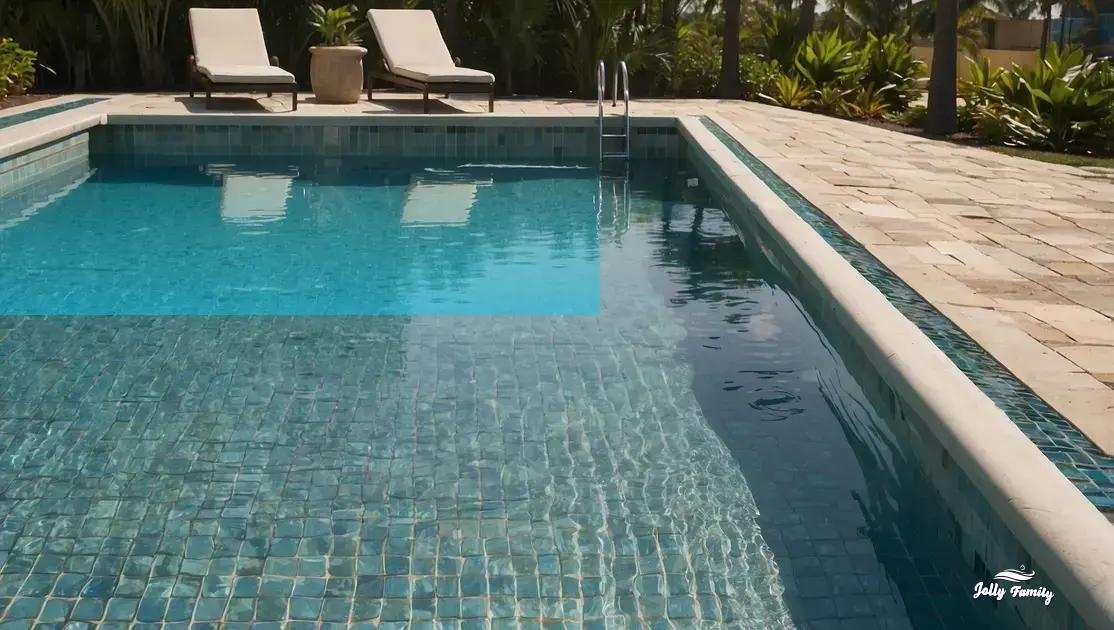
Keep these quick DIY checks on your weekly list to catch issues early and help pros work faster when they visit.
Weekly quick checklist
- Skim the surface: remove leaves and bugs with a fine net to stop the filter from clogging.
- Empty skimmer and pump baskets: turn off the pump, clear debris, then restart to keep flow steady.
- Check pump and filter: listen for odd noises and glance at the pressure gauge; a steady reading is normal.
- Test water chemistry: use test strips or a simple kit for pH and free chlorine; record results on a note or app.
- Brush the waterline: scrub the tile and scum line to prevent oils and scale buildup.
- Inspect returns and cleaner: make sure jets push water and automatic cleaners move freely.
- After heavy rain: remove debris, run the filter longer, and retest chemicals once the water clears.
Safe dosing and small fixes
When adding chemicals, follow label doses and add them to water. Make small adjustments and let the pump run several hours before retesting. If water looks cloudy or you see algae, call a pro rather than over-treating.
Note any unusual signs—stains, leaks, strange sounds—and share them with your service team to speed repairs and avoid bigger bills.
How to choose a reliable weekly or monthly plan
Choose a plan that fits your pool size, use, and local weather. A reliable plan keeps the water safe and avoids surprise repairs.
What a good plan includes
- Regular visits: clear schedule for weekly or monthly service and what each visit covers.
- Chemical balancing: testing and adjusting pH, chlorine, and alkalinity during each visit.
- Equipment checks and basic tune-ups on pump, filter, and cleaner.
- Debris removal, brushing, and waterline cleaning to prevent buildup.
- Clear reporting of work done and recommended follow-up actions.
Questions to ask before signing
- Are technicians licensed and insured? Ask for proof.
- What happens after heavy rain or storms? Is emergency service available?
- Are parts and repairs billed separately, and how are costs approved?
- Do you offer references or online reviews from local customers?
- Is there a satisfaction or money-back guarantee?
Pricing and contract tips
Look for transparent pricing and a written contract. Avoid vague verbal promises. Get the service list, visit frequency, and cancellation terms in writing. Compare plans by what’s included, not just price.
- Monthly plans often cost less per visit but require a longer commitment.
- Weekly plans suit busy pools or heavy bather loads and can prevent costly issues.
- Ask about seasonal adjustments and whether unused services roll over.
Red flags to avoid
- No proof of insurance or licensing.
- Pressure to sign long contracts without written details.
- Very low price with vague service descriptions.
- Poor communication or no clear point of contact.
Trust clear communication, written records, and a plan tailored to your pool. Good service saves time, money, and worry.
Final thoughts on pool care
Pool Clean Service keeps your water safe and clear when you pair professional visits with simple weekly checks. Small steps today can prevent big repairs later.
Keep chemistry balanced, remove debris, and inspect the pump and filter regularly. Test water after storms or heavy use and adjust chemicals in small doses.
Pick a plan that matches your pool size and bather load, and get written details about visits and costs. Choose licensed, insured technicians who communicate clearly.
With steady care, your pool stays ready for fun and saves you time and money. Consider scheduling a check or asking a pro for a tailored maintenance plan.
FAQ – Pool Clean Service: common questions
How often should I schedule professional pool cleanings?
In Kissimmee’s warm climate, weekly service is best for heavy use. For light use, every 1–2 weeks or monthly can work. Adjust after storms or parties.
What does a full professional pool clean include?
A full clean covers skimming, brushing, vacuuming, filter service, water testing and balancing, tile and scum-line cleaning, shock or algaecide if needed, and basic equipment checks.
How can I test and fix chemical balance at home?
Use test strips or a liquid kit, compare colors in good light, and target proper ranges. Make small chemical adjustments, add chemicals to water, run the pump, then retest.
What quick DIY checks should I do between pro visits?
Weekly: skim the surface, empty skimmer and pump baskets, brush the waterline, test pH and chlorine, and listen for odd pump noises. After heavy rain, remove debris and run the filter longer.
How do I choose a reliable weekly or monthly plan?
Pick a licensed, insured company with written service details, clear pricing, references or reviews, emergency options after storms, and transparent repair policies.
What should I do after heavy rain or a storm?
Remove debris right away, run the filter longer, retest chemicals, and consider a shock if water is cloudy. Call a pro if algae or persistent cloudiness appears.