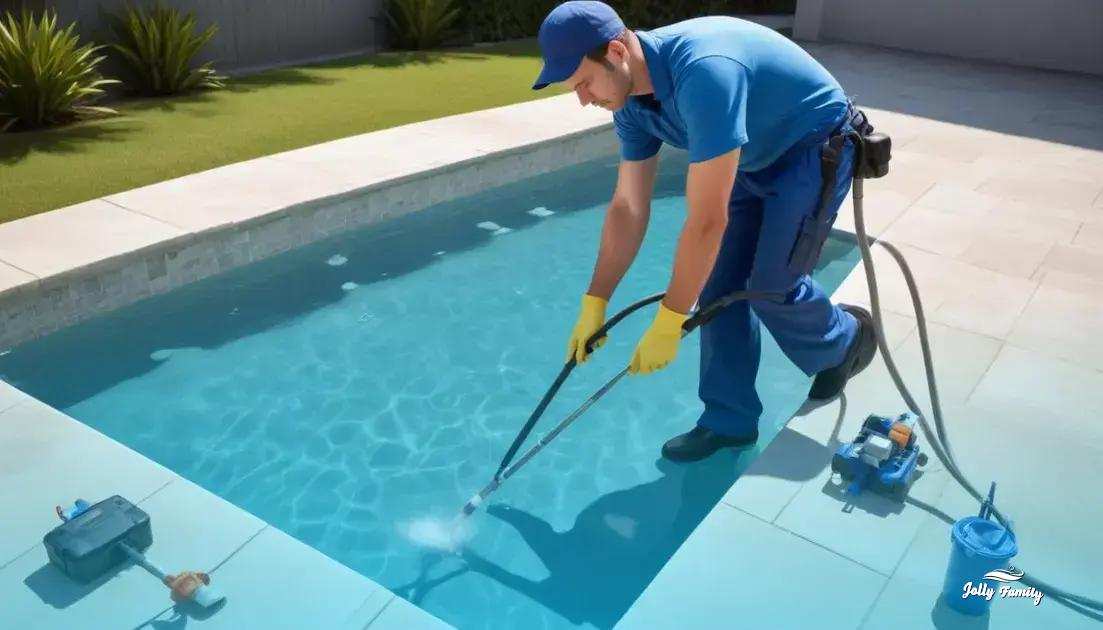

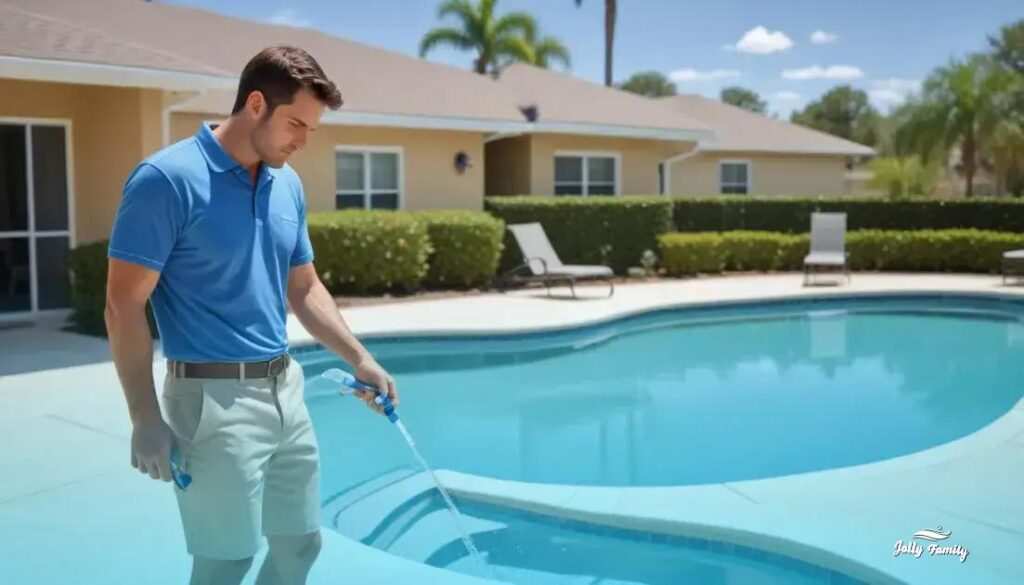
pool cleaning for rental properties Florida ensures safe, clear water and reliable bookings by combining routine chemical testing, skimming, brushing, filter maintenance, documented service logs, and required safety features, reducing health risks, costly repairs, and liability for owners while improving guest satisfaction.
pool cleaning for rental properties Florida matters more than many hosts think. At Jolly Family, we help owners keep pools clear, safe and guest-ready between stays — curious what a dependable routine looks like?
why regular pool cleaning matters for rentals
Regular pool cleaning matters for rental properties because it protects guests and your income. Clean water prevents illness, keeps guests happy, and cuts repair costs.
Health and safety
Remove bacteria and contaminants by keeping sanitizer levels and pH balanced. Test water often and shock the pool after heavy use or storms. Clear water reduces the risk of skin and ear infections and keeps swimmers safe.
Guest experience and reviews
Guests notice cloudy water, leaves, or algae right away. A sparkling pool improves reviews, repeat bookings, and nightly rates. Quick fixes between stays—skimming, emptying skimmer baskets, and checking tiles—make a big difference.
Equipment longevity and cost savings
Regular cleaning protects pumps, filters, and heaters. Clogged filters and high chemical strain lead to breakdowns and expensive repairs. Simple tasks like backwashing filters and removing debris extend equipment life and save money.
Turnover efficiency: quick checklist for between guests
- Skim surface and vacuum visible debris
- Empty skimmer and pump baskets
- Test chlorine and pH; adjust as needed
- Brush walls and tile line to prevent algae
- Record readings and actions taken for the property log
Legal compliance and liability
Many local rules require pool safety measures and clear water standards. Posted rules, working drains, and proper fencing reduce liability. Keeping records of service and tests can protect owners if issues arise.
Scheduling and documentation
Set a routine based on occupancy and weather: weekly checks in low season, more frequent during high turnover. Use a simple log with date, time, tester name, and chemical readings. Consistent records help spot trends and show due diligence to guests and authorities.
guest turnover checklist: quick pool tasks between stays
- Skim the surface to remove leaves, insects, and floating debris—do this first so filters don’t clog.
- Empty skimmer and pump baskets; check for hair, wrappers, and blockages that reduce flow.
- Spot-vacuum visible dirt on the pool floor and shallow areas to keep water clear for photos and guests.
- Brush walls and tile line to dislodge algae and prevent stains; focus on corners and steps.
- Test chlorine and pH with strips or a small kit. Aim for chlorine 1–3 ppm and pH 7.2–7.8; adjust immediately if needed.
- Shock the pool if heavy use occurred or water looks dull; follow product instructions and wait recommended time before guest use.
- Check filter pressure and backwash or clean cartridges when pressure is high or flow drops.
- Wipe down and tidy the deck area: remove toys, empty trash, and stack pool furniture neatly.
- Inspect safety items: verify gates latch, fence is intact, drains are covered, and signage (rules) is visible.
- Record readings and actions in a simple log or app: date, time, tester name, chemical levels, and any repairs needed.
- Restock basic supplies in the property kit: test strips, chlorine tabs, a skimmer, and a small brush for guests or cleaners.
- If you find algae, heavy cloudiness, or equipment failure, contact a pro immediately and block pool access until cleared.
Quick timing tips
Do the full checklist during every turnover. Quick skims and tests take 10–20 minutes; deeper cleaning or repairs may need more time. Plan the task after linens are out and before new guest arrival to avoid interruptions.
Record keeping and communication
Take a photo of the pool and save test results. Share a short note with arriving guests saying the pool was checked and safe. Clear records reduce disputes and show diligence.
balancing chemicals and testing frequency for safe water
Keep pool water safe by balancing chemicals and testing often. Small shifts in pH or chlorine can make water cloudy or unsafe for guests.
Ideal chemical ranges
Target ranges are simple to remember: free chlorine 1–3 ppm, pH 7.2–7.8, total alkalinity 80–120 ppm, cyanuric acid 30–50 ppm (outdoor pools), and calcium hardness 200–400 ppm. Stay in these bands to protect swimmers and equipment.
When to test
- Test daily during high occupancy or hot weather.
- Test at least twice a week in low season.
- Always test after heavy rain, storms, or parties.
- Test before guest arrival and after major cleaning or repairs.
Simple testing methods
Use test strips for quick checks and a liquid drop kit for more accuracy. For the best precision, use a calibrated digital photometer. If results are off, act right away rather than waiting.
How to adjust safely
- To raise chlorine, add chlorine tablets or shock per label directions.
- To lower chlorine, allow time or use a chlorine neutralizer if needed for immediate access.
- To raise pH, add soda ash; to lower pH, add muriatic acid or sodium bisulfate carefully and in small doses.
- Adjust alkalinity before pH for stable results.
- Always follow product instructions, add chemicals with pump running, and wait recommended circulation time before testing again.
Recordkeeping and alerts
Keep a simple log with date, time, tester name, and readings. A photo of the test strip or a screenshot from a digital meter helps resolve disputes. Consistent records show diligence and help spot trends before problems grow.
When to call a professional
If you see persistent cloudiness, algae blooms, or equipment issues, contact a pro. Professionals handle stubborn chemical imbalances, large shocks, and calibration of testing equipment.
preventive maintenance to avoid costly emergency repairs
Preventive maintenance catches small issues before they become costly emergencies. Regular checks keep equipment running and reduce guest disruptions.
Routine inspection checklist
- Check pump and filter for unusual noise or vibration.
- Read and record filter pressure; backwash or clean when pressure rises 8–10 psi above baseline.
- Inspect skimmer and pump baskets and empty debris weekly.
- Look for leaks at unions, seals, and visible plumbing joints.
- Verify automatic controls, timers, and sensors operate correctly.
Monthly care tasks
Test and log chemical readings, clean the tile line, and examine lights and heaters. Replace worn O-rings and lubricate fittings if needed. Small fixes now avoid big bills later.
Parts and tools to keep on hand
- Extra O-rings, unions, and clamp bolts
- Basic sealant, plumber’s tape, and a shop towel
- Replacement test strips and a backup skimmer net
- A small toolkit with screwdrivers and pliers
When equipment needs professional service
If pumps overheat, noise persists, or pressure stays high after cleaning, call a pro. Immediate action prevents motor burnouts and extensive pipe damage.
Scheduling and documentation
Set a maintenance calendar: weekly visual checks, monthly deeper service, and seasonal inspections after storms. Keep a simple log with dates, actions, and photos to show diligence and spot trends.
Cost benefits of prevention
Routine care extends pump and filter life and lowers emergency call-outs. Small parts and labor for planned maintenance usually cost far less than full replacements or water damage repairs.
local regulations, safety measures and liability considerations
Follow local rules and safety steps to protect guests and limit liability. Rules vary by county and city, so confirm requirements before renting.
common safety measures
- Install a secure barrier: a fence with a self-closing, self-latching gate to limit unsupervised access.
- Use compliant drain covers and anti-entrapment devices to prevent accidents.
- Provide rescue equipment such as a life ring and reaching pole near the pool.
- Keep non-slip decking and clear lighting for evening use.
- Post clear pool rules and emergency contact info where guests can see them.
liability and insurance
Maintain proper insurance that covers short-term rentals and pool-related incidents. Inform your insurer about rental activity and the safety steps you take. A well-documented maintenance routine and visible safety measures can reduce disputed claims.
guest responsibilities and house rules
Require supervision of children and include pool rules in the rental agreement and welcome message. Remind guests to close gates and report issues immediately. Clear guest expectations lower risk and improve compliance.
documenting compliance
- Keep a service log with dates, test results, and technician names.
- Photograph safety features and any repairs after maintenance visits.
- Save receipts for parts, professional services, and inspections.
who to contact and when
If you’re unsure about local codes, contact the county building or health department. Call a licensed pool professional for electrical, plumbing, or persistent safety concerns. If a hazard is found, block pool access and notify guests until it’s fixed.
hiring a reliable local partner: what to expect from Jolly Family
Expect clear, reliable service from a local partner. A good team shows up on time, explains tasks, and leaves the pool guest-ready.
services included
- Regular cleaning: skimming, vacuuming, and brushing.
- Chemical testing and adjustments to maintain safe levels.
- Equipment checks and basic preventive maintenance.
- Turnover tasks between guests and emergency response when needed.
response times and support
Fast response matters for rentals. Ask about normal response windows and 24/7 options for pool hazards. Confirm who to call and how quickly they arrive for urgent issues.
communication and documentation
- Written estimates and clear pricing for recurring and one-off jobs.
- Digital logs with date, time, readings, and photos after each visit.
- Automated alerts or messages when tests are out of range or repairs are needed.
pricing and transparency
Look for simple plans and itemized invoices. No hidden fees and clear terms for cancellations or extra parts help avoid surprises.
trust, safety, and professionalism
Expect background-checked technicians, safe handling of chemicals, and visible safety checks like gate latches and drain covers. A tidy uniform (no logos required) and labeled equipment add confidence.
measuring performance
Track on-time rates, guest feedback, and whether pool logs stay consistent. A reliable partner suggests improvements and keeps owners informed before small issues grow.
Keep your rental pool safe, clean, and guest-ready
Regular cleaning, testing, and preventive maintenance protect guests and your income. Small tasks done often stop big problems later.
Clear records, proper safety features, and the right chemical balance boost reviews, lower repair costs, and reduce liability. Guests notice clean water and quick responses.
Set a simple routine, log every visit, and call a trusted local pro for complex issues. A little effort now saves time, money, and stress during peak seasons.
FAQ – Pool cleaning for rental properties in Florida
How often should I test pool chemicals for a rental property in Florida?
Test daily during high occupancy or hot weather, at least twice weekly in low season, and always after heavy rain, storms, or parties.
What quick tasks should cleaners do between guest stays?
Skim surface, empty skimmer and pump baskets, vacuum visible debris, brush tile line, test chlorine and pH, tidy the deck, and log results.
What safety features should I have at my rental pool?
Install a secure fence with a self-closing, self-latching gate, compliant drain covers, rescue equipment, clear signage, non-slip decking, and proper lighting.
What should I do if the pool gets cloudy or shows algae before guests arrive?
Brush and vacuum the pool, shock according to product instructions, run the filter, and if clarity doesn’t improve, contact a professional and restrict access until safe.
How do I document maintenance to reduce liability and disputes?
Keep a simple log with date, time, tester name, chemical readings, photos after service, and receipts for parts or professional work to show due diligence.
When should I hire a professional instead of doing it myself?
Call a pro for persistent chemical imbalances, equipment failures, electrical or plumbing issues, complex repairs, or emergency situations you can’t resolve quickly.