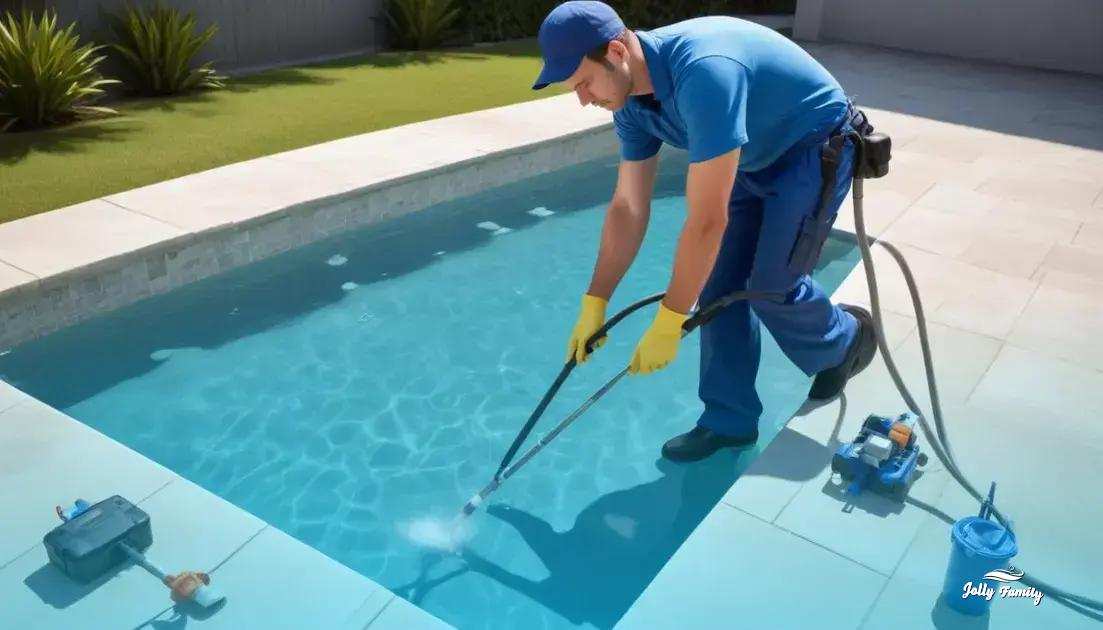

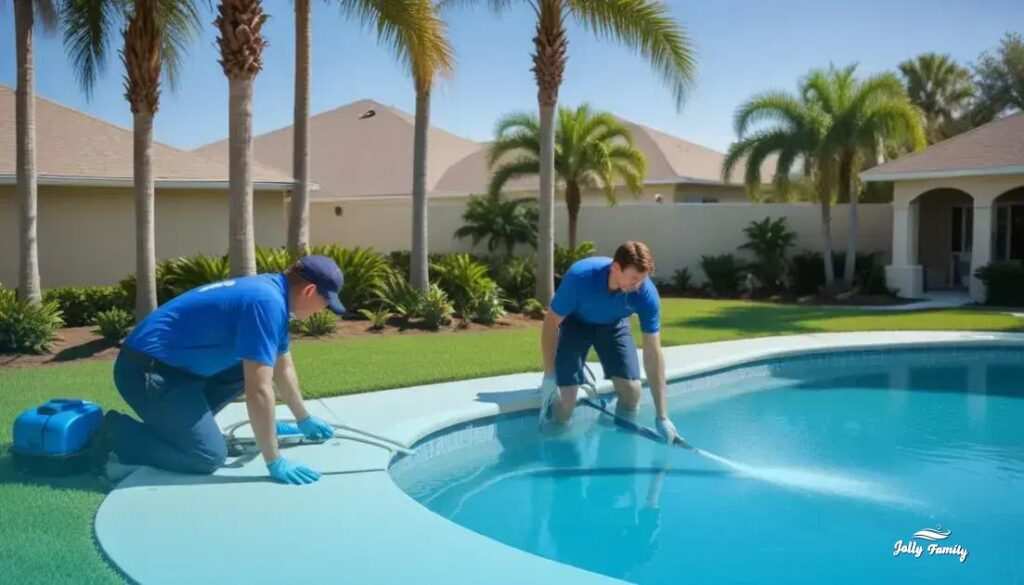
pool cleaning service expectations: expect regular skimming, brushing and vacuuming, weekly or biweekly chemical testing and balance (pH, free chlorine, alkalinity, stabilizer), routine filter and pump inspection, timely communication and clear service reports listing readings and actions, including transparent pricing, proof of insurance, and prompt response to leaks or cloudy water.
pool cleaning service expectations — ever wondered what a trustworthy team should actually do for your backyard pool? In Kissimmee, clear water, timely visits and safe chemical balance matter most. At Jolly Family, we prioritize on-time care, simple service reports and steady maintenance so you can relax — here are practical checks to look for.
what a standard pool cleaning service includes in Kissimmee
Routine surface and floor cleaning
Skim the pool surface to remove leaves and debris. Brush walls, steps and corners to loosen grime and algae. Use a vacuum to pick up settled dirt from the floor. These tasks prevent stains and keep water clear.
Water testing and chemical balance
Test pH, free chlorine, total alkalinity and stabilizer. Correct chemical balance protects swimmers and pool equipment. Add measured doses of sanitizer and adjust pH, then retest to confirm safe levels.
Filter and circulation care
Check pump run time and pressure. Backwash or clean filters when needed and clear skimmer baskets. Proper circulation and a clean filter remove fine particles and reduce chemical use.
Equipment inspection and minor repairs
Inspect pump, heater, skimmer, returns and visible plumbing for leaks or loose fittings. Tighten clamps, replace small seals if on hand, and note items that need a technician for repair.
Tile, decking and reporting
Scrub tile lines and address scale or algae spots on the deck. Treat stubborn stains with targeted products. Leave a short service report that lists date, chemicals added, readings and any recommended repairs or follow-ups.
how often your pool needs professional attention: real signs to watch
Knowing when to call a professional keeps the pool safe and prevents bigger repairs. Watch for clear signs that a routine visit won’t fix.
Cloudy water or persistent algae
If water stays cloudy after 24–48 hours of normal treatment, or algae returns quickly, a professional shock treatment and inspection are likely needed. Call a technician if algae covers more than a few square feet or returns after you clean it.
Unstable chemical readings
Test kits that show pH outside 7.2–7.8, chlorine consistently below 1 ppm, or wildly fluctuating alkalinity signal a problem. Pros can diagnose causes like high phosphate, stabilizer imbalance, or incorrect dosing.
Filter, pump, or circulation problems
Look for slow circulation, unusual pump noise, or a pressure gauge that sits 8–10 psi above the normal range. Turn off equipment and call a pro if you see leaks, air in the lines, or the pump won’t prime.
Stains, scale, and water loss
Dark stains, white scale buildup, or a sudden drop in water level suggest mineral issues, surface damage, or leaks. A technician can test for hardness, perform targeted cleaning, or locate hidden leaks with dye or pressure testing.
Recommended visit frequency
For busy or heated pools, a weekly professional visit is common. Low-use pools can manage with every two weeks. After storms, heavy use, or any of the signs above, schedule a visit as soon as possible to avoid costly fixes.
Quick homeowner checks: skim daily, empty skimmer baskets, watch water clarity, and take basic chemical readings. If simple steps don’t help within 48 hours, call a professional to avoid bigger problems.
chemicals, safety and water clarity: checks technicians should perform
Technicians check chemicals, safety gear and water clarity to keep pools safe and usable. They use simple tests and clear actions you can understand.
Essential chemical tests
- pH: ideal range 7.2–7.8. Low pH irritates eyes; high pH reduces sanitizer effectiveness.
- Free chlorine: target 1–3 ppm for pools (higher for heated spas). Techs measure free vs. total chlorine to spot chloramines.
- Total alkalinity: keep near 80–120 ppm to stabilize pH swings.
- Cyanuric acid (stabilizer): typical safe range 30–50 ppm; very high levels reduce chlorine power.
- Calcium hardness: aim for 200–400 ppm to avoid corrosion or scaling.
- Phosphates and metals: tested when algae or staining is persistent; techs treat with removers if needed.
Safety checks technicians do
- Wear basic PPE like gloves and eye protection when handling chemicals.
- Inspect chemical storage for sealed containers, clear labels and locked cabinets.
- Verify pump wiring, GFCI protection and that no leaks or air are in the lines.
- Confirm anti-entrapment drain covers, ladders, depth markers and pool fencing are in place and working.
- Note slip hazards on decking and ensure safety equipment like a life ring is available.
Clarity and visibility checks
Technicians judge clarity by visibility to the pool floor and the return flow. Clear water lets you see the bottom and the main drain. If visibility is poor they check filter pressure, skimmer flow and clean or backwash filters. For fine particulates they may use a clarifier or flocculant before vacuuming to waste.
Corrective steps technicians take
- Adjust pH with muriatic acid or soda ash, then retest.
- Raise free chlorine quickly with shock treatments when needed.
- Backwash or clean filters, replace cartridges, and clean skimmer baskets.
- Use enzyme products, phosphate removers or metal sequestrants for targeted problems.
- Document all readings and actions, and recommend follow-up if a deeper repair or leak detection is required.
Quick checks you can expect in a service report: date, technician name, pH, free chlorine, alkalinity, cyanuric acid, filter status, and any repairs or safety issues found.
how to evaluate punctuality, communication and service reports
Track punctuality with simple facts: scheduled arrival window, actual arrival time, and how often the tech is late. Ask for a target on-time rate and note repeated delays.
Key punctuality measures
- Set a clear service window (for example, 8–10 AM). On-time means arriving within that window without extra notice.
- Record arrival time for each visit. A reliable company keeps on-time rates above 90%.
- Expect quick updates if a tech is delayed — text or call before the window ends.
Clear communication channels
- Confirm preferred contact: phone, SMS, or email. Choose one and ask the company to use it consistently.
- Expect confirmation of appointments and a follow-up message when the tech is en route.
- Response time matters: a good provider replies to simple questions within one business day and urgent issues within a few hours.
What a useful service report looks like
A solid service report is short and factual. It should include date, technician name, chemical readings, work performed, filter status and any recommendations. Look for before/after notes and clear next steps if repairs are needed.
- Date and technician initials.
- pH, free chlorine, alkalinity and any stabilizer reading recorded.
- Actions taken: skimming, vacuuming, backwash, chemicals added.
- Filter pressure and condition, plus note of any leaks or safety issues.
- Recommended follow-up and estimated urgency.
Red flags to watch for
- No arrival notice and repeated lateness without explanation.
- Vague reports like “checked pool” with no readings or actions listed.
- Poor response to urgent messages about leaks, cloudy water, or equipment failure.
- Unexplained extra charges or frequent change orders without prior approval.
Quick homeowner checklist: set a service window, record arrival times for a month, review each report for readings and actions, and call the provider when reports or responses are missing.
what to expect from a family-owned provider like Jolly Family
Family-owned providers like Jolly Family often focus on long-term relationships, steady routines and clear communication. Expect a more personal touch, faster follow-up and technicians who know your pool’s history.
Personalized, consistent care
- Same technician on regular visits when possible, so they spot small changes early.
- Custom schedules that fit your household, not a one-size-fits-all route.
- Priority scheduling after storms or heavy use for existing customers.
Transparent reports and pricing
Service notes should be simple and factual: date, tech name, chemical readings and work done. Clear pricing means written estimates, published service packages and no surprise fees.
Local knowledge and practical fixes
A family team knows local water issues, seasonal needs and common equipment quirks. They often recommend cost-effective fixes first and escalate to repairs only when needed.
Trust, safety and accountability
- Technicians who wear plain uniforms, carry ID and follow basic PPE for chemicals.
- Proof of insurance, background checks and a satisfaction or workmanship guarantee.
- Responsiveness to safety concerns: prompt action on leaks, faulty covers or broken drains.
Value and small-business advantages
Expect flexible payment options, small discounts for recurring plans, and a willingness to tailor services. A family provider may offer extra small tasks on visits, like checking the heater or cleaning tile edges.
What you can ask for: a trial month, a sample service report, references from local neighbors, and the company’s license and insurance details before signing up.
Final steps to set expectations
When you know what to expect from a pool cleaning service, your pool stays safer and costs less over time. Focus on regular visits, clear service reports, and basic safety checks.
Track punctuality and communication for a month. Review each report for chemical readings, actions taken, and any recommended repairs. If water stays cloudy, chemicals swing, or equipment leaks, call a professional right away.
Ask for a trial visit, a sample report, and proof of insurance before you sign up. Keep simple daily habits like skimming and emptying skimmer baskets. With clear standards and a reliable provider, you can enjoy a cleaner, safer pool with less stress.
FAQ – pool cleaning service expectations
What does a standard pool cleaning service include?
A typical visit includes skimming debris, brushing walls, vacuuming, testing and adjusting chemicals, checking filters and pumps, and leaving a short service report.
How often should my pool receive professional attention?
Weekly service is common for heated or busy pools; every two weeks can work for low-use pools. After storms, heavy use, or signs like cloudy water, schedule a visit right away.
What should I expect to see in a service report?
A good report lists the date, technician name, chemical readings (pH, chlorine, alkalinity), work performed, filter status, and any recommended repairs or follow-up.
How do technicians keep chemical use and safety under control?
Technicians test pH, free chlorine, alkalinity and stabilizer, use measured dosages, wear basic PPE, and ensure chemicals are stored and handled safely.
How can I evaluate punctuality and communication from a provider?
Set a clear service window, expect confirmation and en-route updates, track arrival times, and require timely responses to urgent issues or repair requests.
What are the advantages of a family-owned provider like Jolly Family?
Family-owned teams often offer consistent technicians, personalized schedules, local water knowledge, transparent pricing, faster follow-up, and flexible small-business service.